How to Choose Your First U.S. National Park
America has more than sixty national parks, and every one of them has fans who swear it is the best. That makes choosing your first one hard. The good news is that you cannot really choose wrong. The better news is that a little thought can help you pick the park that fits you best.
This guide compares four famous first-timer parks, mentions a few more, and shows you how to plan the practical parts. To get a feel for what each park offers, look at guided park tours and wildlife outings on Viator as you decide.
Grab Our Travel Packing Checklist Before You Pack
A national park trip calls for a smart packing plan. Our free Travel Packing Checklist covers every essential so nothing gets left behind.
Get the Free Checklist Now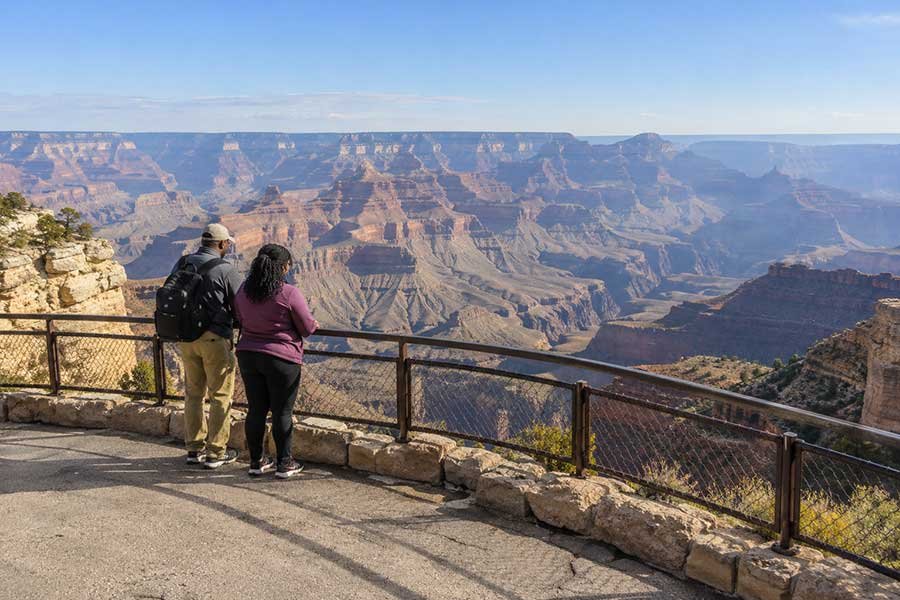
Start With What You Want to See (1-5)
- 1. Think about your dream moment. Do you picture standing at a huge canyon edge, watching wildlife, walking among giant trees, or wandering an alpine meadow? That picture points you to a park.
- 2. Consider your energy. Some parks are easy to enjoy from a car and short walks, and others reward long hikes. Be honest about how much walking you want to do.
- 3. Think about the budget. Parks can be affordable, but travel, lodging, and fuel add up. Use points toward a national park road trip to lower the cost, and pay the balance in full.
- 4. Think about who is coming. Kids, older travelers, and friends have different needs. Pick a park with something for everyone.
- 5. Think about timing. Seasons, weather, and crowds change a park completely. Choose a park that is at its best when you can go.
See How Each Park Comes to Life
One of the best ways to compare parks is to see what guides offer there. Viator lists guided hikes, wildlife tours, scenic drives, and nature experiences with clear prices, so you can picture your days in each park. Popular park tours sell out, and booking early gives you the best choice of times.
Browse National Park Tours on ViatorYou can also look at scenic and wildlife tours on GetYourGuide for more options.
The Grand Canyon: Big Views, Little Effort (6-10)
“Some places are so big that all you can do is stand still and look.”
- 6. Best for: travelers who want a jaw-dropping view without a hard hike. You can see a lot from overlooks along the rim, with short walks between them.
- 7. Choose the right rim. The South Rim is the most visited and usually easiest to reach, and it is open for much of the year. The North Rim is quieter and has a shorter season, so check what is open.
- 8. Go early or late. Sunrise and sunset light up the canyon with color. These times are also quieter than midday.
- 9. Be careful on the trails. Going down into the canyon is optional, and coming back up is much harder. Learn when and how to use trekking poles on steep trails if you plan to hike below the rim.
- 10. Respect the edge and the heat. Stay behind barriers, watch children closely, and carry plenty of water. The canyon can be much hotter at the bottom than at the rim.
Yellowstone: Wildlife and Geysers (11-15)
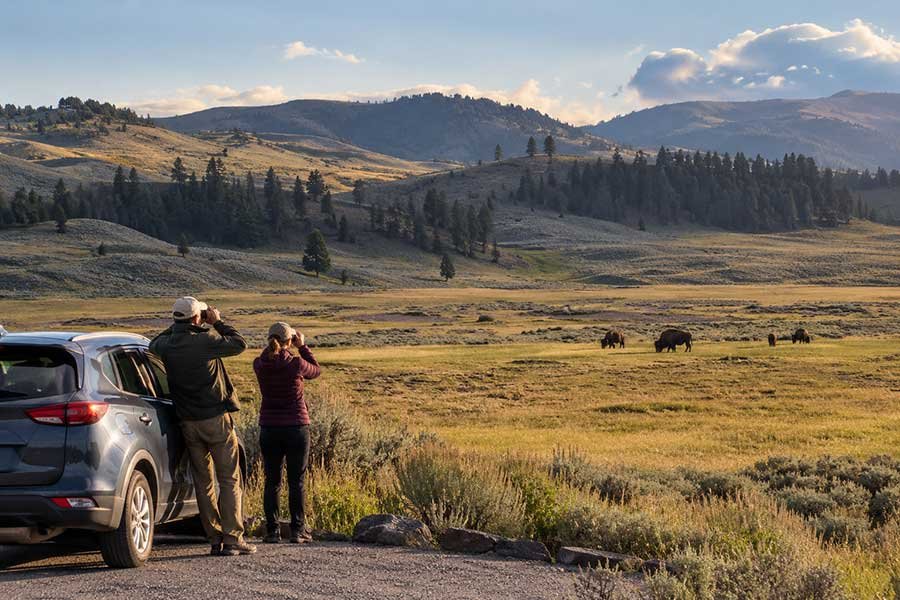
- 11. Best for: travelers who love wildlife and strange natural wonders. Yellowstone has geysers, hot springs, and herds of animals in wide valleys.
- 12. Think about distances. The park is huge, and driving between sights takes time. Pick a few areas, and give each enough time.
- 13. Watch wildlife with a guide. A good guide knows where animals are and how to watch safely. Consider a guided wildlife-watching tour on Viator for dawn or dusk, when animals are most active.
- 14. Keep your distance. Park guidance generally asks visitors to stay at least 25 yards from most wildlife and 100 yards from bears and wolves. Never approach or feed animals, and use a zoom lens or binoculars.
- 15. Stay on the boardwalks. Thermal areas can be dangerous, with scalding water and fragile ground. Follow the signs and stay on marked paths.
Overwhelmed by Park Choices? Ask Us
If you cannot decide between parks, we can help you narrow them down and plan a trip that fits your time and style. You can also browse our favorite tools for planning park trips to explore on your own.
Help Me Choose My First National ParkThe Redwoods: Quiet Giants (16-20)
- 16. Best for: travelers who want peace and wonder. Walking among some of the tallest trees on Earth is calm, cool, and quiet.
- 17. Walk gently. Many redwood trails are flat and easy, so they suit most visitors. Take your time, and look up.
- 18. Plan your base. The redwood forests are along the coast, so towns nearby offer lodging and meals. Look at lodging near coastal redwood forests on Booking.com and choose free cancellation.
- 19. Expect cool and damp. The forest can be foggy and chilly, even in summer. Bring layers and a light rain jacket.
- 20. Combine it with the coast. Many visitors pair the redwoods with beaches and scenic drives. Plan extra time for stops along the way.

Rocky Mountain: Alpine Meadows and High Views (21-25)
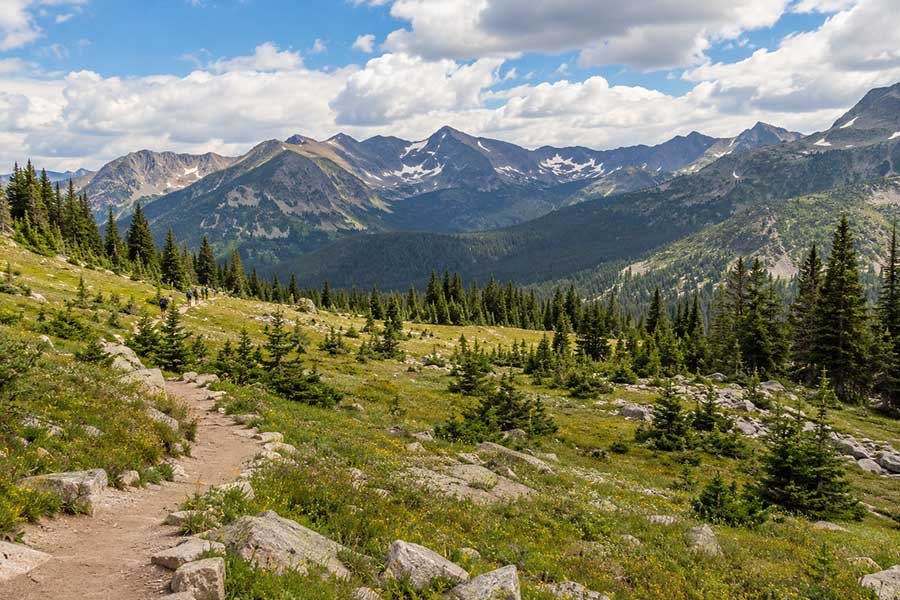
- 21. Best for: travelers who love mountains, wildflowers, and cool air. The park has high peaks, meadows, lakes, and wildlife like elk.
- 22. Mind the altitude. Many visitors feel the effects of high elevation, such as headaches or tiredness. Take it easy at first, drink water, and ask your doctor if you have a health concern.
- 23. Pack for trails. Weather in the mountains can change fast, so carry layers, water, and snacks. Use a day hike packing list for park trails to check your daypack.
- 24. Check seasonal roads and entry rules. High mountain roads can close for part of the year, and some popular parks require timed entry in busy seasons. Check the official park website before you plan your route.
- 25. Start early. Mornings are usually clearer, with calmer weather and fewer crowds. Mountain afternoons can bring storms, so plan to finish high hikes by early afternoon, and leave a buffer in case plans change.
Flying to Your First Park?
A fare alert helps you book at a fair price, and flying into the right gateway airport saves hours of driving. You can also compare flights to gateway airports near national parks on Trip.com before you decide.
Watch National Park Fares on AviasalesOther Great First Parks (26-30)
- 26. Zion and Arches. Red rock canyons, arches, and desert scenery in Utah. They suit travelers who love dramatic landscapes and short, scenic walks.
- 27. Yosemite. Waterfalls, granite cliffs, and giant trees in California. It is famous and often busy, so check for reservations and plan ahead.
- 28. Great Smoky Mountains. Misty ridges, forests, and a gentle pace in the East. It suits families and travelers who like green scenery.
- 29. Acadia. Rocky coast, forests, and ocean views in Maine. It pairs well with small towns and seafood.
- 30. Grand Teton and Glacier. Jagged peaks, clear lakes, and wide views in the northern Rockies. They suit travelers who love mountains and wildlife.
Match the Park to Your Style (31-35)
- 31. If you want views without hiking. Choose the Grand Canyon or a park with a scenic drive and overlooks.
- 32. If you love wildlife. Choose Yellowstone, Grand Teton, or Rocky Mountain, and go with a guide at dawn or dusk.
- 33. If you want peace and shade. Choose the redwoods or the Great Smoky Mountains for forest calm.
- 34. If you want alpine scenery. Choose Rocky Mountain, Glacier, or Grand Teton, and prepare for altitude and weather.
- 35. If you only have a few days. Pick one park near an airport, and give it two or three days. A single park done well beats three done in a rush.
Plan the Practical Parts (36-42)
- 36. Choose your season. Summer is busy and warm, and spring and fall are often calmer. Winter closes some roads, but it can be beautiful in some parks.
- 37. Rent a car. Most parks are far from public transit, so a car gives you freedom. Compare rental cars from gateway airports on Expedia early, since cars can be scarce in busy seasons.
- 38. Reserve lodging early. Lodges and campgrounds inside parks often book far in advance. Nearby towns offer more choice and sometimes better prices.
- 39. Check passes and fees. An annual pass can save money if you visit several parks. Look at the official park website for current fees and passes.
- 40. Make driving easy. Park roads are slow and winding, and distances add up. Read ways to make long park drives easier before you go.
- 41. Prepare for weak signal. Cell service can be limited or missing in parks. Download maps and tickets, and tell someone where you are going.
- 42. Pack for changing weather. Layers, rain gear, sturdy shoes, sunscreen, and plenty of water are the basics. Park weather can change quickly, so be ready for all of it.
Book Smart and Stay Safe (43-45)
- 43. Book the key pieces first. Reserve lodging, entry reservations if needed, and your rental car early. Choose free cancellation where you can.
- 44. Learn the basics of trail safety. Read trail safety basics for first-time hikers before you set out, and follow park rules and posted signs.
- 45. Leave no trace. Pack out your trash, stay on trails, and leave plants, rocks, and animals alone. National parks belong to everyone, so help keep them wonderful. Check the official park website for current rules and alerts before each visit, since conditions change.
Compare Gateway-Town Lodging
Prices for hotels and lodges near parks can differ between sites, and rooms fill up quickly. A quick comparison helps you find a good spot at a fair rate, with free cancellation if plans change.
Compare Park-Area Stays on AgodaHow Linda Chose Her First Park
Linda wanted to see a national park but could not decide among a dozen. She asked herself what she hoped to feel. The answer was awe, with a little wildlife. She did not want to hike for hours.
She chose the Grand Canyon, booked a refundable room outside the park, and planned two sunrise and sunset viewings. She spent a quiet morning on a short rim walk and an afternoon at the overlooks. She went home with her breath still taken, and a long list of parks she wanted to see next.
Quick Answers About Choosing a National Park
What is the best national park for a first-time visitor?
It depends on what you want to see. The Grand Canyon is famous for its views, Yellowstone for wildlife and geysers, redwood forests for giant trees, and Rocky Mountain for alpine scenery. Pick the one that matches your interests and your time.
How many days do I need for a national park?
Two to three days is a good starting point for a large park. A smaller park can be enjoyed in a day or two. Allow extra time for driving, since distances inside parks can be long.
Do I need reservations for a national park?
Sometimes. Popular parks may require timed entry or reservations in busy seasons, and lodging and campgrounds inside parks often book far in advance. Check the official park website well before you go.
How close can I get to wildlife?
Park guidance generally asks visitors to stay well back from wildlife, at least 25 yards from most animals and 100 yards from bears and wolves. Never feed animals, and use a zoom lens instead of walking closer.
Book and Prepare — Every Resource in One Place
Everything needed to book and prepare for your first national park trip — flights, rental cars, lodging, guided tours, transfers, insurance, and more — all in one place. Each link opens a dedicated page with search tools, reviews, and booking options. Some Alaska itineraries visit a national park by sea, so look at an Alaska cruise that includes a national park visit.
Flights
Search and compare flights to gateway airports across airlines and routes.
Trip.com · Aviasales · ExpediaHotels and Accommodations
Search hotels, lodges, and cabins near parks, and look for free-cancellation rooms.
Booking.com · Agoda · ExpediaGuided Tours and Experiences
Guided hikes, wildlife tours, and scenic outings show clear prices up front and fill up in busy seasons. Book them with your trip to lock in the best times.
Viator · GetYourGuideAirport Transfers and Transportation
Pre-book airport transfers, trains, buses, and ferries at a set price.
12GoTravel Insurance
Compare travel insurance plans from multiple providers, and check what they cover for outdoor activities.
VisitorsCoverageBook Everything in One Place
Search flights, hotels, and more through our booking portal.
Book A TripPicture This
You stand at the edge of something much bigger than you, and for a moment everything goes quiet. The light is soft, and the air smells like pine or stone. You chose this park because it matched what you wanted to feel, and it did. Now you understand why people keep coming back.
Before You Pack: Grab the Free Packing Checklist
A great park trip starts with a real packing plan. Our free Travel Packing Checklist covers every essential and every pre-departure step, so nothing gets left behind.
Get the Free ChecklistAdd One Guided Park Experience
Once you have chosen a park, pick one guided experience to look forward to. Wildlife tours, scenic drives, and guided hikes on Viator are easy to book now, and the best times go quickly in busy seasons.
Book Your First Park TourGet National Park Trip Ideas
We share park trip ideas, planning guides, and travel tips on Facebook. Follow our page so the next idea lands in your feed.
Follow Along on Facebook for Park IdeasWant Help Planning the Trip?
If sorting out flights, hotels, and every other detail feels like a lot, let us help. Tell us where you’re headed and we will help pull the plan together.
Plan Our EscapeBecome An Agent
Love helping people plan trips? See how to turn that into a home-based travel business.
Become An AgentExplore Our Top Picks for a Better Trip
These are the booking platforms, travel tools, and services we personally rely on — tested, trusted, and recommended because they have consistently made every part of the journey better.
See Our Top PicksTravel Printables at Premier Print Works
Visit Premier Print Works for packing checklists, trip planning guides, travel organization printables, and tools that make every trip easier to plan and more enjoyable to take.
Visit Premier Print WorksDisclaimer
This article is for general information only. It is not professional safety, medical, or outdoor-skills advice, and it is not official guidance from the National Park Service, any park, rental company, hotel, or booking platform. We are not a booking agent or an insurance agent. We are not a representative of any company named or linked in this article. This is true unless we say otherwise. All content reflects our own opinions and research at the time of writing.
National parks involve real risks, including wildlife, weather, altitude, heat, steep terrain, and thermal features. Park rules, entry and reservation requirements, seasonal closures, fees, wildlife viewing distances, road conditions, and cancellation policies vary by park and change often. Always check the official park website for current information and alerts, follow posted rules and ranger guidance, hike within your ability, and keep a safe distance from wildlife. Confirm details directly with each provider before you book. We do not control and are not responsible for the pricing, availability, policies, or content on any third-party platform linked from this article, including but not limited to Booking.com, Agoda, Expedia, Trip.com, Aviasales, Viator, or GetYourGuide. We make no guarantees or promises about specific rates, deals, or outcomes.
This article contains affiliate and partner links. If you click through and make a purchase or booking, we may earn a commission at no additional cost to you. This helps support Don and Diana’s Travels and allows us to continue creating free travel content and resources.
Stories on this site combine real experiences from Don, Diana, clients, and travelers we have worked with. Details may be adjusted for privacy and narrative clarity. All content is the copyrighted property of Don and Diana’s Travels. You may not copy or republish our content without prior written permission. By reading this article you acknowledge that you have read and agree to this disclaimer.