How to Choose Your First Camping Experience
Camping can mean a lot of things. For some people, it is a tent under the stars. For others, it is a cozy cabin with a porch, a canvas tent with a real bed, or a small van with a coffee pot. The best first camping trip is the one that fits your comfort level, so you come home wanting to go again.
This guide compares four beginner-friendly ways to camp: tents, campground cabins, glamping, and campervans. You will also learn how to pick a campground and stay safe. To make your days more fun, look at guided outdoor adventures near campgrounds on Viator as you plan.
Grab Our Travel Packing Checklist Before You Pack
A camping trip goes best with a careful packing plan. Our free Travel Packing Checklist covers every essential so nothing gets left behind.
Get the Free Checklist Now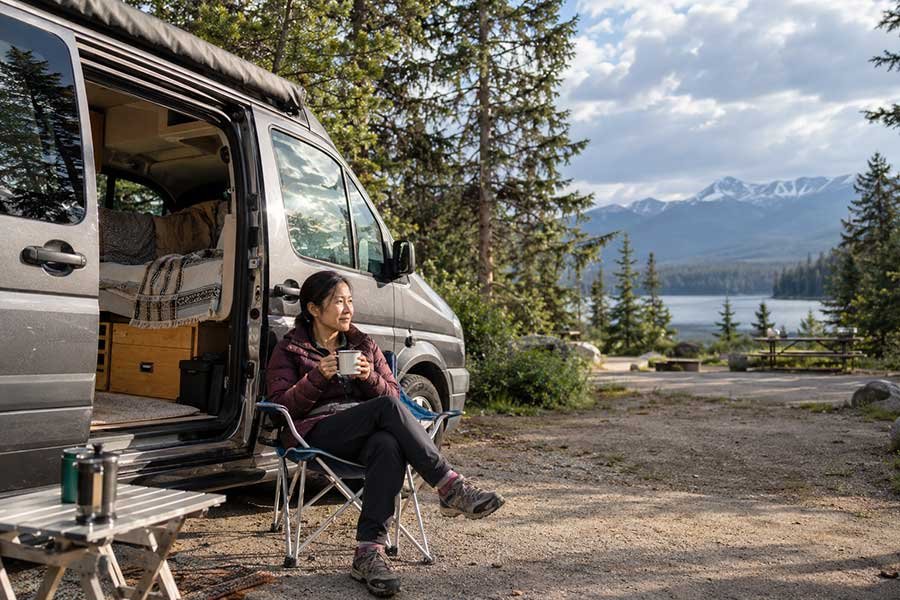
Start With Your Comfort Level (1-5)
- 1. Be honest about what you want. Do you want to sleep on the ground, or do you want a bed and a roof? There is no wrong answer, and your first trip should feel enjoyable, not like a test.
- 2. Think about your must-haves. A real bathroom, a hot shower, a power outlet, and a kitchen are things many beginners prefer. List yours before you choose a style.
- 3. Think about the cost. Camping can be cheaper than a hotel, but gear, fees, and fuel add up. Use points that make a camping trip cheaper to ease the cost, and pay the balance in full.
- 4. Think about who is coming. Kids, pets, and older travelers each have different needs. Pick a style that works for the whole group.
- 5. Start with one or two nights. A short first trip lets you learn without a big commitment. You can always stay longer next time.
Add a Guided Adventure to Your First Trip
A first camping trip is more fun when you have a few things to do. Viator lists guided hikes, paddling trips, wildlife outings, and nature experiences with clear prices, so you can add an expert-led activity without the planning. Popular outdoor tours fill up, and booking early gives you the best choice of times.
Find Beginner Outdoor Tours on ViatorYou can also look at nature outings and guided hikes on GetYourGuide for more options.
Tent Camping: The Classic (6-10)
“A good first tent trip is short, close to home, and near a bathroom.”
- 6. Best for: travelers who want the traditional experience at the lowest cost. A tent is simple, cheap, and works almost anywhere.
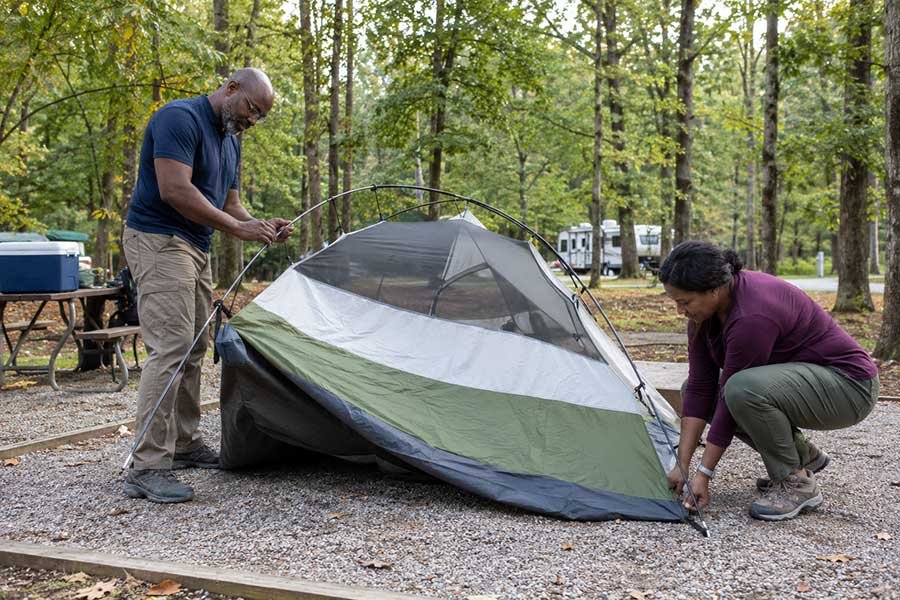
- 7. Practice first. Set up your tent in the backyard or a living room before the trip. Knowing how it goes together makes the campground much less stressful.
- 8. Choose a developed campground. Look for bathrooms, running water, and a camp host or staff nearby. It is a gentle way to learn.
- 9. Prepare for the weather. Nights can be colder than you expect, and rain is always possible. See packing tips for changing weather without overpacking to plan your layers.
- 10. Bring comfort items. A sleeping pad, a pillow, and a warm sleeping bag make a huge difference. Good sleep is the key to a happy first trip.
Campground Cabins: A Roof and a Real Bed (11-15)
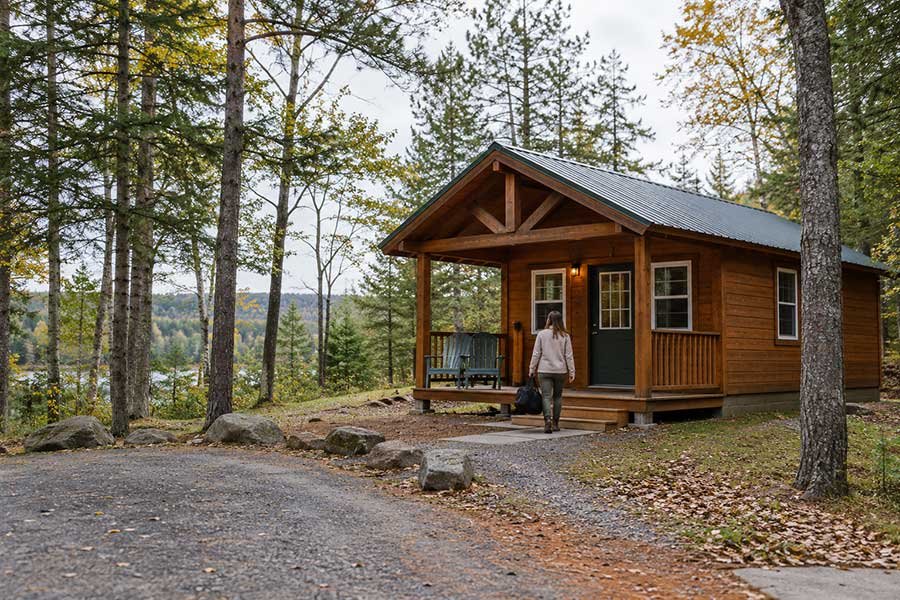
- 11. Best for: beginners who want the outdoors without the setup. A cabin gives you a solid shelter, a bed, and often a small porch.
- 12. Check what is included. Some cabins have heat, electricity, and a kitchenette, and others are very basic. Read the details so you know what to bring.
- 13. Compare your options. Many campgrounds and holiday parks offer cabins. Browse campground cabins and holiday parks on Booking.com and choose free cancellation if you can.
- 14. Bring your own linens if needed. Many cabins do not include bedding or towels. Check the rules, and pack accordingly.
- 15. Use it as a test. A cabin stay lets you try the campground life, the sounds, and the schedule. If you love it, you can graduate to a tent later.
Not Sure Which Style Fits You? Ask Us
If you cannot decide between a tent, a cabin, and a camper, we can help you choose and find a good spot. You can also browse our favorite tools for planning outdoor trips to explore on your own.
Help Me Plan My First Camping TripGlamping: Camping With Comfort (16-20)
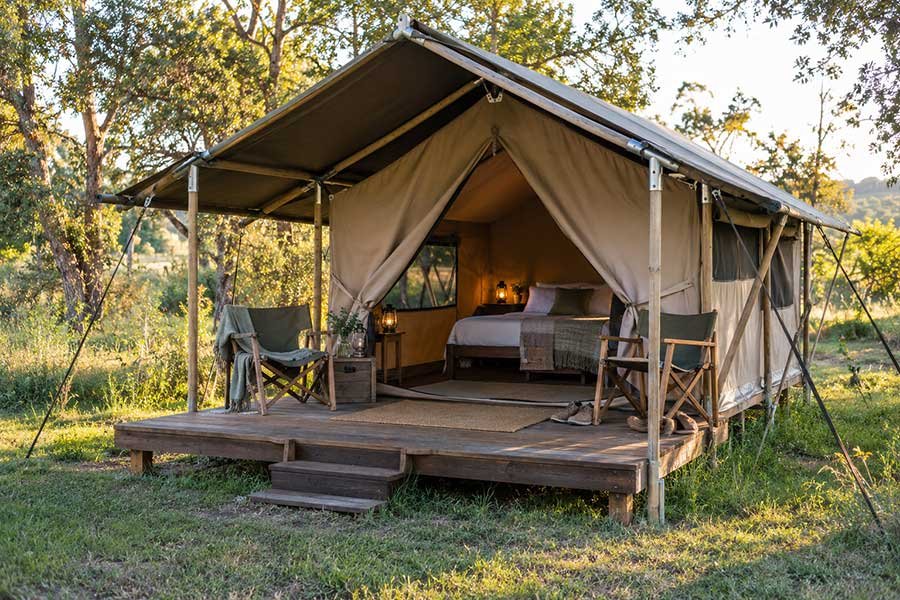
- 16. Best for: travelers who want nature and comfort together. Glamping often means a canvas tent, a yurt, or a pod, with real beds and sometimes a private bathroom.
- 17. Expect a higher price. Glamping usually costs more than a basic campsite. You are paying for the comfort and the setup.
- 18. Add an outdoor activity. Many glamping spots are near trails, lakes, and rivers. Look at a guided hike or paddle near your campsite on Viator to make the most of your stay.
- 19. Check the details. Ask about heat, bathrooms, and what is provided. Some places include meals, and others do not.
- 20. Keep it simple. The point of glamping is to relax, so do not overplan. A hammock, a book, and a campfire, if allowed, are plenty.
Campervans and RVs: Your Bedroom on Wheels (21-26)
- 21. Best for: travelers who want freedom and flexibility. A campervan lets you move from place to place and sleep wherever you stop, within the rules.
- 22. Rent before you buy. Trying a rental is the best way to see if you like it. Compare campervan and rental vehicle options on Expedia and read the terms.
- 23. Learn the vehicle. Spend time learning how the van works, including the water, power, and bed. A short walkthrough saves a lot of stress later.
- 24. Know where you can park and sleep. Rules vary by location. Use designated campgrounds, and do not assume you can park anywhere overnight.
- 25. Plan the route. Driving a large vehicle takes more time and care. Read how to plan a short road trip to your campsite to pace your trip.
- 26. Mind the costs. Fuel, campground fees, and rental fees add up. Add them to your budget, and check any mileage limits, deposits, and insurance requirements before you book. Ask what is included, so you know what you are paying for.
Flying to Your Campsite?
If your first camping trip is far from home, a fare alert helps you book at a fair price. You can also compare flights to national park regions on Trip.com and plan a rental for the last leg.
Check Outdoor-Trip Fares on AviasalesChoosing a Beginner-Friendly Campground (27-32)
- 27. Stay close to home. A campground within an hour or two means less driving and an easy exit if something goes wrong. Save remote places for later.
- 28. Look at the amenities. Bathrooms, showers, drinking water, and trash service make a big difference. Read the campground’s description and recent reviews.
- 29. Reserve ahead. Popular campgrounds fill up, especially on weekends and in busy seasons. Book as soon as you know your dates.
- 30. Check the site. Look for shade, a flat spot for your tent, and a fire ring or grill if you want one. Photos and reviews can help.
- 31. Mind the neighbors and noise. Some campgrounds are quiet, and others are lively. Choose one that matches your style, and be respectful of quiet hours.
- 32. Check for cell service. Many campgrounds have weak or no signal. Download maps before you go, and tell someone where you will be.
Safety and Basics for Beginners (33-38)
- 33. Check the weather and conditions. Look at the forecast, and watch for storms, heat, and cold. Be ready to leave if conditions turn dangerous.
- 34. Follow fire rules. Fire restrictions vary and can change quickly. Use only designated fire rings, never leave a fire unattended, and put it fully out before you sleep or leave.
- 35. Learn the basics of outdoor safety. Read basic outdoor safety for beginners before you head out on any trail from your campsite.
- 36. Never use fuel burning devices inside a tent or vehicle. Stoves, grills, and heaters can produce carbon monoxide, which is dangerous. Use them outdoors only, with plenty of ventilation.
- 37. Store food properly. Follow the campground’s rules for food and scented items, since animals can be drawn to them. Keep your site clean, and never feed wildlife.
- 38. Tell someone your plan. Share your campground, your dates, and when you expect to return. Bring a basic first aid kit, and know where the nearest help is.
Pack and Book (39-43)
- 39. Borrow or rent gear. You do not need to buy everything. Borrow from friends or rent equipment, and try a trip first before investing.
- 40. Make a simple meal plan. Easy foods like sandwiches, hot dogs, fruit, and one-pot meals keep things simple. Bring more water than you think you need.
- 41. Pack a daypack for short outings. A small bag with water, snacks, a layer, and a first aid kit is useful. Use a day hike packing checklist as a starting point.
- 42. Pack light and smart. Bring layers, a headlamp, a trash bag, and extra socks. A good headlamp is one of the most useful things you can pack.
- 43. Choose free cancellation. Weather and plans change. A refundable booking lets you adjust, and many campgrounds have clear cancellation policies.
Compare Campground and Cabin Stays
Prices and features for cabins, glamping, and nearby lodging can differ between sites. A quick comparison helps you find a comfortable place at a fair rate, with free cancellation if the weather turns.
Check Outdoor Stays on AgodaHow Marcus Eased Into Camping
Marcus had always wanted to camp but was nervous about sleeping on the ground and setting up a tent. A friend suggested starting with a cabin at a campground. He booked one for two nights, brought a sleeping bag and some food, and cooked dinner over a small fire.
He loved the quiet, the stars, and the morning coffee on the porch. By the end of the weekend, he was already looking at tents. His first trip had been easy, so his second was a tent trip. He was hooked.
Quick Answers About Your First Camping Trip
What is the easiest way to try camping for the first time?
A campground cabin or a glamping stay is the gentlest start, since the shelter and bed are already set up. A tent at a developed campground with bathrooms and nearby staff is another beginner-friendly choice.
Do I need to buy a lot of gear for my first trip?
No. You can borrow gear, rent it, or choose a stay that provides the shelter and beds. Try a trip first before investing in your own equipment.
How long should a first camping trip be?
One or two nights is plenty for a first trip. It lets you try the experience without a big commitment, and you can add more nights next time.
How do I stay safe around wildlife while camping?
Follow the campground’s rules, store food and scented items as directed, keep your site clean, and never feed animals. Keep a respectful distance from wildlife.
Book and Prepare — Every Resource in One Place
Everything needed to book and prepare for your first camping trip — cabins, rental vehicles, guided activities, flights, transfers, insurance, and more — all in one place. Each link opens a dedicated page with search tools, reviews, and booking options. If you want wild scenery with a real bed, look at an Alaska cruise for wild scenery with a real bed.
Cabins, Glamping, and Accommodations
Search campground cabins, glamping stays, and nearby hotels, and look for free-cancellation rates.
Booking.com · Agoda · ExpediaRental Cars and Campervans
Compare rental vehicle prices, and read the terms for mileage, deposits, and insurance.
ExpediaGuided Outdoor Experiences
Guided hikes, paddling trips, and wildlife outings show clear prices up front and fill up in busy seasons. Book them with your trip to lock in the best times.
Viator · GetYourGuideAirport Transfers and Transportation
Pre-book airport transfers, trains, buses, and ferries at a set price.
12GoTravel Insurance
Compare travel insurance plans from multiple providers, and check what they cover for outdoor activities.
VisitorsCoverageBook Everything in One Place
Search flights, hotels, and more through our booking portal.
Book A TripPicture This
The morning is cool and quiet, and a kettle is steaming on the stove. The woods are waking up around you, and nobody needs anything from you. You picked a first trip that fit your comfort level, so the whole thing felt easy. Now you cannot wait to do it again.
Before You Pack: Grab the Free Packing Checklist
A comfortable first camping trip starts with a real packing plan. Our free Travel Packing Checklist covers every essential and every pre-departure step, so nothing gets left behind.
Get the Free ChecklistAdd One Guided Adventure
Once your campsite is booked, pick one guided activity to look forward to. Hikes, paddling trips, and wildlife outings on Viator are easy to book now, and the best times go quickly in busy seasons.
Book a Beginner Outdoor AdventureGet Beginner Camping Tips
We share camping tips, outdoor trip ideas, and planning guides on Facebook. Follow our page so the next helpful tip lands in your feed.
Follow Along on Facebook for Camping TipsWant Help Planning the Trip?
If sorting out flights, hotels, and every other detail feels like a lot, let us help. Tell us where you’re headed and we will help pull the plan together.
Plan Our EscapeBecome An Agent
Love helping people plan trips? See how to turn that into a home-based travel business.
Become An AgentExplore Our Top Picks for a Better Trip
These are the booking platforms, travel tools, and services we personally rely on — tested, trusted, and recommended because they have consistently made every part of the journey better.
See Our Top PicksTravel Printables at Premier Print Works
Visit Premier Print Works for packing checklists, trip planning guides, travel organization printables, and tools that make every trip easier to plan and more enjoyable to take.
Visit Premier Print WorksDisclaimer
This article is for general information only. It is not professional safety, medical, or outdoor-skills advice, and it is not official guidance from any park, campground, rental company, hotel, or booking platform. We are not a booking agent. We are not a representative of any company named or linked in this article. This is true unless we say otherwise. All content reflects our own opinions and research at the time of writing.
Camping involves real risks, including weather, fire, wildlife, injury, and carbon monoxide poisoning from fuel-burning equipment. Campground rules, fire restrictions, facilities, prices, vehicle rental terms, and cancellation policies vary widely and change often. Always follow the rules of your campground, check current conditions and restrictions, and use equipment according to the manufacturer’s instructions. Confirm details directly with each provider before you book. We do not control and are not responsible for the pricing, availability, policies, or content on any third-party platform linked from this article, including but not limited to Booking.com, Agoda, Expedia, Trip.com, Aviasales, Viator, or GetYourGuide. We make no guarantees or promises about specific rates, deals, or outcomes.
This article contains affiliate and partner links. If you click through and make a purchase or booking, we may earn a commission at no additional cost to you. This helps support Don and Diana’s Travels and allows us to continue creating free travel content and resources.
Stories on this site combine real experiences from Don, Diana, clients, and travelers we have worked with. Details may be adjusted for privacy and narrative clarity. All content is the copyrighted property of Don and Diana’s Travels. You may not copy or republish our content without prior written permission. By reading this article you acknowledge that you have read and agree to this disclaimer.