30 Beach Vacation Packing Tips Every Traveler Should Save
The travelers who have the most effortless beach vacations are the ones who packed with intention before they ever left home. Thirty beach packing tips learned by experience, handed to you before your next trip to the shore so you can spend less time managing your bag and more time enjoying the water.
Grab Our Travel Packing Checklist
Our free packing checklist includes a complete beach vacation section organized by the same categories as this article — sun protection, swimwear, gear, skin care, and daily essentials — so every beach trip is confirmed packed before the bag is zipped.
Get the Free ChecklistThirty beach packing tips learned by experience, handed to you before your next trip to the shore so you can spend less time managing your bag and more time enjoying the water.
The travelers who have the most effortless beach vacations are the ones who packed with intention before they ever left home.
Sun Protection: The Non-Negotiables
Pack reef-safe sunscreen at SPF 50 or higher
Reef-safe mineral sunscreen with zinc oxide or titanium dioxide is the standard for most popular beach destinations and is legally required at several — including Hawaii, Mexico’s Caribbean coast, and the US Virgin Islands. SPF 50 provides meaningful protection during extended beach sessions. Anything below SPF 30 is not sufficient for full beach days at tropical latitudes. Check the specific destination’s current requirements before packing, and choose a formula that suits your skin type so you will actually use it consistently.
Pack sunscreen in multiple sizes for different locations
One large reef-safe sunscreen lives at the accommodation for the initial morning application. Two or three travel-size versions go in the beach bag, the day bag, and the evening purse. The sunscreen not in the beach bag does not get reapplied at the two-hour mark when reapplication requires a trip back to the room. The two-hour reapplication is not optional at tropical latitudes — it is the specific interval that sunburn at hour four of the beach day reflects having skipped. Pack for the reapplication, not just the morning application.
Bring a wide-brim hat with UPF sun protection
A hat with a brim of at least four inches provides meaningful shade for the face, the ears, and the back of the neck — the areas most consistently missed by sunscreen and most consistently sunburned on beach days. UPF-rated hats block UV radiation through the fabric itself, adding protection beyond the brim’s shade. A packable straw or linen wide-brim hat weighs under two hundred grams and is the single item most associated with the comfortable, well-protected beach day at any tropical destination.
Pack a rashguard for extended time in the water
The rashguard worn while swimming, snorkeling, or paddling covers the back, shoulders, and upper arms — the body areas with the highest UV exposure during water activities and the areas where sunscreen washes off most quickly. A lightweight UPF-rated rashguard adds virtually no weight to the beach bag, eliminates the need for constant sunscreen reapplication on the covered areas, and significantly reduces the sunburn risk during water-focused beach days. It is also the practical solution for the beach day that runs longer than expected.
Include SPF lip balm in the beach bag’s exterior pocket
Lips are one of the most frequently missed sun protection areas and one of the most sensitive to UV damage. SPF lip balm weighs under fifteen grams, fits in any pocket, and applied hourly during beach days provides the lip protection that the regular sunscreen application does not cover. Reapply after every swim and after every meal or drink. The beach bag’s exterior pocket is the correct location — the lip balm accessed in five seconds is the lip balm applied consistently.
Bring quality UV-blocking sunglasses
UV-blocking sunglasses that block 99 to 100 percent of UVA and UVB radiation protect the eyes from UV damage that accumulates across beach vacations and that standard fashion sunglasses without UV ratings do not prevent. The reflection of UV from water and white sand significantly amplifies UV exposure to the eyes compared to inland environments. Look for lenses labeled UV400, which indicates full UV spectrum protection. Polarized lenses additionally reduce glare from water surfaces, improving visibility and comfort on full beach days.
Let Us Plan the Beach Vacation Worth Packing This System For
The beach packing system works best when the destination is genuinely worth arriving prepared for. Tell us where and when you want to travel. We will plan the trip. You pack the system around it.
Plan Our EscapeSwimwear and Cover-Ups: The Versatile Capsule
Pack more swimsuits than you think you need
The recommendation for beach vacations is one swimsuit per day plus one additional — at minimum. A wet swimsuit does not dry between morning and afternoon swim sessions in humid tropical air, and a damp swimsuit worn repeatedly across beach days is both uncomfortable and the specific experience that the second swimsuit prevents entirely. For a five-night beach trip, three to four swimsuits in rotation provide the dry swimsuit for every session without any daily management. Pack them rolled rather than folded — rolling reduces the volume significantly and prevents fold creases in the elastic.
Bring at least two cover-ups that work across contexts
The cover-up that works only at the beach is the cover-up that requires a room change before the beach bar lunch and another before the casual dinner. The cover-up that works from the beach to the bar to the casual evening — the loose linen shirt, the wrap dress, the flowing midi — is the cover-up that eliminates those transitions entirely. Two cover-ups in this category cover the full beach day’s register without adding outfit change moments to the schedule. Both should be lightweight, quick-drying, and able to accompany the sandal to a restaurant table without looking specifically like beachwear.
Pack a sarong for maximum beach versatility
The sarong is the beach vacation’s most versatile single item by weight-to-utility ratio. It serves simultaneously as the beach blanket, the pool cover on the sun lounger, the wrap skirt at the beach bar, the shoulder cover at the cultural site, the impromptu towel when the beach towel is still wet, and the market bag liner for the afternoon’s produce purchases. A lightweight cotton or silk sarong weighs under two hundred grams and packs flat. It earns every centimeter it occupies in the bag.
Include one outfit that works from beach to a nice dinner
The beach vacation’s one formal moment — the nicer dinner, the sunset cocktail at the rooftop bar, the restaurant that the beach sandal and the sarong are not quite appropriate for — is the moment the one deliberate evening outfit covers. A lightweight slip dress, a linen set, or a casual-elevated combination that reads as intentional rather than beach-adjacent is the specific item that covers every beach vacation’s one occasion that the beach capsule wardrobe does not. One item. Under three hundred grams. For the one evening that earns it.
Beach Gear: The Items That Change Everything
Use a mesh beach bag so sand falls straight through
The standard tote bag taken to the beach is the tote bag that returns to the accommodation with several hundred grams of sand distributed through its interior, coating the sunscreen bottles, the snacks, and whatever else shared the bag’s main compartment. The mesh beach bag lets sand fall through its weave rather than accumulating inside it — shake it at the waterline before walking back to the accommodation and the bag’s interior arrives clean. Mesh beach bags are inexpensive, lightweight, and eliminate the specific sand management problem that the standard tote creates on every beach day.
Bring a dry bag to protect valuables at the water’s edge
The phone, the hotel key card, the cash, and the cards left at the water’s edge in an open bag while swimming are the valuables accessible to any passing opportunist and exposed to the splash of any unexpected wave. A dry bag — a roll-top waterproof pouch in any size from one liter to twenty — seals these items completely from both water and opportunistic access. The small dry bag placed inside the mesh beach bag with the valuables sealed inside it is the security system that costs under twenty dollars and eliminates both the theft risk and the wave-splash data loss entirely.
Pack water shoes for rocky entries and reef walking
The beach whose ocean entry is the smooth sand of the tourism brochure is not always the beach the destination provides. Rocky entries, coral reef access, tidal flats, and volcanic beach formations are common at the world’s most beautiful beaches and are also the specific terrain that bare feet manage at the highest discomfort level. Lightweight water shoes — mesh or neoprene, weighing under three hundred grams per pair — cover the rocky entry, the reef walk, the tidal pool exploration, and the beach volleyball court’s hidden shell positions with a single item that rolls into the bag’s base beside the regular sandals.
Pack a lightweight beach mat or compact blanket
The beach mat or compact travel blanket provides the clean, sand-managed surface that the beach towel does not — the beach towel soaks up water and sand simultaneously, becoming the damp, sand-coated item that the next session’s dry sitting surface is not. A lightweight microfiber beach mat or a sand-resistant woven mat is the beach day’s clean sitting surface that shakes clean rather than absorbing the afternoon’s sand and moisture. Sand-resistant mats specifically use a weave that prevents sand from binding to the fabric — shake it at the water’s edge and the surface is clean.
Include a waterproof phone case for the water
The waterproof phone case — the roll-top clear pouch that allows screen use through the waterproof surface — enables the underwater photograph, the kayak navigation, the boat ride video, and the paddleboard selfie that the unprotected phone’s proximity to water anxiety prevents. At the beach, the phone at the water’s edge in an open bag is the phone that the unexpected wave, the excited child, or the tipsy beach neighbor reaches before the owner does. A lightweight waterproof phone pouch weighing under fifty grams eliminates the water anxiety and the replacement cost in a single item.
The Two Beach Vacations That Were the Same Trip in Different Bags
Mia and Carlos had different packing philosophies when they arrived at their first beach destination together. Carlos had packed the way he packed for everything — the large rolling suitcase with enough clothing for twice the trip’s duration, a full-size shampoo, three pairs of shoes including the dress shoes for an occasion that had not been planned, and a standard canvas tote for the beach. Mia had packed light but had packed wrong — two swimsuits for five beach days, no cover-up that worked past noon, no dry bag, and the after-sun lotion forgotten on the bathroom shelf at home.
By day two, the specific results of their combined packing approach had made themselves known. The canvas beach tote had collected a meaningful quantity of sand. The dry items inside it had experienced what items in a sandy bag experience. The phone had received a spray of salt water at the water’s edge on day one and had been managed at arm’s length from the ocean ever since. Mia was sunburned across both shoulders where the rashguard she had not packed would have been. The after-sun lotion purchased from the resort shop had cost three times the pharmacy price.
On the second beach vacation, they packed from a list. Two swimsuits each per day, plus one. The mesh beach bag. The small dry bag for the phone, the key card, and the cash. The rashguards. Three sizes of reef-safe sunscreen — one for the room, one for the beach bag, one for the day bag. The after-sun lotion packed before departure at the pharmacy price. The waterproof phone case that cost eleven dollars and enabled the underwater photograph that became the vacation’s best image. The lightweight beach mat that shook clean. The sarong that was the beach blanket, the wrap skirt, and the restaurant’s shoulder cover across the same afternoon.
The beach days on the second vacation were the beach days that the first vacation’s days were supposed to be. Same destination type. Same duration. Different bag. The thirty tips in this article are the specific difference between those two vacations. All of them discoverable by experience. All of them available to you here before the next trip to the shore.
After-Sun and Skin Care: The Evening Investment
Pack after-sun lotion for daily evening application
After-sun lotion applied each evening of a beach vacation is the investment in the next day’s skin condition — hydrated, calm, and recovered from the day’s UV exposure rather than dry, tight, and beginning the specific dehydration that cumulative beach days without post-sun care produce by the vacation’s midpoint. The after-sun applied at home’s pharmacy price is the after-sun that does not cost the resort shop’s markup. Apply from shoulders to ankles on every evening after a beach day. The skin that looks best at the vacation’s end is the skin that was cared for each evening of it.
Include a daily face SPF moisturizer for morning use
A lightweight SPF moisturizer applied to the face each morning provides a base layer of sun protection under the beach sunscreen and the light makeup if any is worn. The face’s sun exposure over a week of beach days accumulates more quickly than the rest of the body’s due to the face’s smaller surface area and typically less-covered position. A travel-size SPF daily moisturizer in the toiletry bag’s morning routine is the twenty seconds of skin care whose week-long cumulative result is visible in the photographs at the vacation’s end versus the week where the face sunscreen was the only protection layer.
Pack aloe vera gel for sunburn backup
Aloe vera gel is the specific backup for the sunburn that the best-packed sunscreen plan does not fully prevent — the afternoon that ran longer than expected, the session where the reapplication was missed, or the first day at a higher UV latitude where the home environment’s familiar SPF routine proved inadequate for the new intensity. Aloe vera gel in a travel-size tube or small bottle weighs under one hundred and fifty grams and resolves the sunburn’s evening discomfort with the specific cooling relief that the after-sun lotion alone does not provide for the more significant burn. Consider this the beach vacation’s insurance item.
Bring a facial misting spray for hot afternoon sessions
A small facial misting spray filled with mineral water or the branded facial mist equivalent provides the specific mid-afternoon beach comfort that the ambient temperature, the sun, and the salt air combine to reduce. Applied to the face and neck during the beach day’s peak heat hours, the facial mist restores the skin’s surface moisture, provides a brief cooling effect, and — in the mineral water version — delivers trace minerals that the skin’s salt exposure depletes. A small reusable spray bottle filled from the accommodation’s mineral water supply is the specific item that costs nothing to pack and is used every afternoon of a beach vacation once discovered.
Include insect repellent — especially for beach evenings
The beach at noon is not where the insects are. The beach at dusk — the sunset hour that is the most beautiful hour of the beach day — is precisely where they are, particularly in tropical and subtropical coastal destinations where mosquitoes emerge at low light and where no-see-ums operate at the waterline from approximately thirty minutes before sunset. A travel-size insect repellent in the evening bag converts the beach sunset from the swatted, irritated version to the one actually experienced. Pack it. Use it for the two hours of the beach day when it matters most.
Find Booking Ideas and Travel Essentials on Our Favorites Page
Our favorites page has helpful booking ideas and travel essentials that we have found genuinely useful for beach vacations. Whether you are planning your next trip to the shore or looking for resources that make every beach day more organized and more enjoyable, it is worth a look.
DND FavoritesPractical Daily Essentials: What the Beach Actually Requires
Bring a reusable water bottle — one per person
Beach hydration is the most consistently underestimated daily requirement of any tropical beach vacation. The heat, the sun, the salt air, and the salt water all increase the body’s fluid loss relative to a non-beach day, and the water available for purchase at beachside vendors is sold at the captive market premium that the reusable water bottle filled at the accommodation eliminates. One filled reusable bottle per person brought to the beach each morning is the hydration system that costs nothing beyond the first bottle purchase and produces better energy levels, better skin condition, and a meaningful reduction in the mid-afternoon fatigue that dehydration produces.
Pack snacks that survive heat and salt air
The beach morning that runs past the planned noon return to the accommodation is fed by the snacks that traveled in the beach bag rather than by the beachside vendor’s overpriced packaged options. Heat-stable, salt-tolerant snacks — trail mix, dried fruit, protein bars, crackers, dark chocolate — travel well in beach bags and provide the mid-morning and mid-afternoon energy that the beach day’s physical activity depletes faster than the sedentary day. Avoid chocolate at full tropical sun temperatures unless it is 70 percent dark or higher, which holds its form meaningfully better than milk chocolate at the temperatures of a beach bag left in full sun.
Pack a small first aid kit for the beach bag
The beach first aid kit — a small zippered pouch containing blister plasters for the new sandal, antiseptic wipes for the coral scrape or the barnacle nick, pain relief for the sunburn headache, antihistamine for the jellyfish sting, and motion sickness medication for the boat excursion — weighs under one hundred grams and covers every beach day’s most common minor medical moment. The specific beach injury or ailment addressed immediately at the beach is the one that does not require the trip back to the accommodation to resolve and does not cut the day short. Pack the kit. Use it rarely. Be grateful for it every time.
Consider a waterproof bluetooth speaker for the beach
A compact waterproof Bluetooth speaker with a day’s battery life is the beach day’s soundtrack item — the specific ambient music that converts the beach session from a silent private experience to the social, enjoyable shared one that the beach day at its best is. Waterproof-rated speakers in the IPX5 to IPX7 range handle the splash and the occasional wave spray that beach proximity involves. A speaker weighing under three hundred grams and smaller than a standard can of drink is the beach bag item whose presence is noticed and whose absence is specifically missed on the beach day it was not packed for.
Carry cash in a small waterproof pouch for beach vendors
The beach market, the beachside coconut vendor, the sand artist’s print, and the local food stall at the beach access path are overwhelmingly cash transactions whose specific moment requires the small denomination local currency rather than the credit card or the phone payment. A small waterproof cash pouch inside the dry bag at the beach contains the specific amount needed for the day’s anticipated transactions — a pre-counted daily cash allocation that eliminates the large-denomination transaction, the wait for change, and the wet wallet problem that the beach’s proximity to water reliably produces for the cash kept in a standard wallet.
Packing Smart: Organization and the Final Details
Pre-roll your swimsuits to save bag space
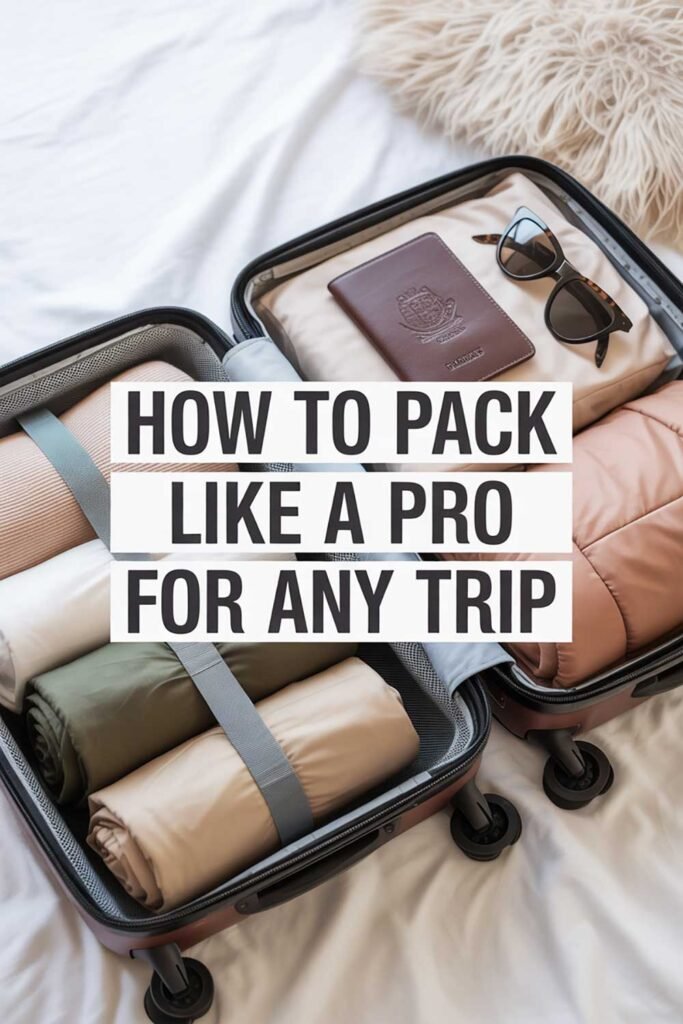
Swimsuits rolled tightly into compact cylinders occupy a fraction of the volume that the same swimsuits folded flat require in the bag. For the beach vacation’s multiple swimsuits, the volume difference between rolled and folded is meaningful — the difference between five swimsuits that fit comfortably in the bag’s swimwear cube and five swimsuits that create the overfull bag’s specific tension around the zipper. Roll each swimsuit tightly from the bottom up, secure with a rubber band if the roll tends to unwind, and stand the rolls vertically in the packing cube for the visual access that flat-stacking does not provide.
Pack a dedicated wet bag for after-swim items
The wet swimsuit returned to the main bag without a wet bag is the wet swimsuit whose moisture distributes through the dry items it contacts — the next day’s cover-up, the dry towel, the change of clothes for the afternoon. A waterproof wet bag — a zip-close or roll-top waterproof pouch in a two to five liter size — contains the wet swimsuit, the wet rashguard, and the soaked towel in a sealed environment that keeps the dry bag’s contents dry regardless of how wet the swimwear is. The wet bag used consistently across a beach vacation is the specific item whose absence is most felt in the accommodation’s drawer and most noticed in the bag’s state at the vacation’s end.
Pack the bag to 80% capacity to leave room for the market
The beach destination’s market is the specific shopping context that produces the unplanned purchase — the handmade earrings, the local textile, the ceramic piece from the artisan’s stand — that the fully packed bag at departure had no capacity for at return. Packing the main bag to eighty percent of its comfortable capacity creates the residual twenty percent that the market’s best find fills on the return journey without requiring the creative-packing session of the final departure morning. Include a lightweight foldable tote in the base of the main bag as the planned market overflow and daily beach companion.
Pack the beach bag the night before each beach day
The beach bag assembled the night before the beach day is the beach bag confirmed complete — sunscreen in the exterior pocket, dry bag with valuables, snacks in the accessible section, water bottle filled, hat on top. The beach bag assembled the morning of under the enthusiasm of getting to the beach quickly is the beach bag that arrives at the shoreline without the reapplication sunscreen, without the dry bag, and without the after-sun lotion for the return. Five minutes the evening before each beach day. The beach morning starts directly at the beach rather than at the accommodation’s bathroom shelf.
Always do a sweep of the beach area before you leave each day
The beach departure sweep — a systematic check of every area occupied during the session before walking back to the accommodation — is the practice that recovers the sunglasses left on the towel, the water bottle forgotten in the sand, the hat left beside the sun lounger, and the child’s sandal buried at the tide line. The beach departure sweep takes sixty seconds and has a specific recovery rate that justifies its consistent practice on every departure from every beach session. Walk the perimeter of the area occupied. Look back from twenty meters away. The item found at that distance is always the item left behind by the beach day’s winding down rather than its intentional packing. Find it before the next tide does.
Book the Beach Destination Worth Packing All 30 Tips For
The beach vacation that earns the full system — the reef-safe sunscreen, the mesh bag, the dry bag, the sarong, the market morning — is the destination worth arriving fully prepared. Our travel agents book those beach destinations. Let us plan yours.
Book A TripThe beach bag that had everything was packed the night before. The swimsuit was dry because there was a spare. The phone was safe because there was a dry bag. The sunburn did not happen because there was a rashguard. That is thirty tips. That is every beach day from here.
Picture Your First Morning at the Beach
The mesh beach bag is packed and ready from last night. The reef-safe sunscreen is in the exterior pocket — the large one for the morning application and the travel size for the two-hour reapplication. The dry bag has the phone, the key card, and the day’s cash. The rashguard is on top. The sarong is folded at the bag’s base for the beach mat, the wrap skirt, and the restaurant’s dinner cover. The water bottles are filled. The snacks are in the accessible section. The hat is on your head at the beach access path. The beach day begins at the beach — not at the accommodation’s bathroom shelf, not at the resort shop’s sunscreen rack, not at the beach vendor’s overpriced water station. Packed with intention. Every minute at the water. That is the system. That is every beach vacation from here.
One More Thing Before the Next Beach Trip
Print our free Travel Packing Checklist and use the beach vacation section to confirm all 30 tips are covered — sun protection packed, swimsuits rolled and ready, mesh bag and dry bag in the base, after-sun on the nightstand, and the bag sitting at 80% capacity for the market’s best find. The same checklist we confirm before every beach trip we take.
Get the Free ChecklistExplore Our Top Picks for a Better Trip
Visit our favorites page for helpful booking ideas and travel essentials that we have found genuinely useful for beach vacations and every other travel context. Whether you are planning your next shore trip or looking for resources that make every destination more organized and more enjoyable, it is worth exploring.
See Our Top PicksLove Helping Travelers Get the Most From Every Beach Vacation?
Beach bookings are some of the most joyful travel agent work — the destinations where people go to genuinely rest, enjoy, and recharge. If becoming a home-based travel agent who helps people find and book their best beach vacations sounds like the right next step, see how the TravelPreneur system works.
Become An AgentBeach Trip Printables From Premier Print Works
Visit Premier Print Works for beach vacation packing checklists, trip planners, travel journals, daily beach routine guides, and wall art that makes every shore trip a little more beautiful and a lot better packed — from the evening the beach bag is assembled to the morning the system works.
Visit Premier Print WorksDisclaimer
The information shared in this article is provided by Don and Diana’s Travels for general informational, educational, and inspirational purposes only. It reflects our personal experiences, opinions, and the experiences of travelers we have worked with. It is not professional medical, safety, or travel advice.
Sunscreen and Sun Safety
Sunscreen guidance in this article is general educational information and is not a substitute for professional medical or dermatological advice. Always consult a healthcare provider for sun protection recommendations specific to your skin type and circumstances. Follow current evidence-based sun safety guidelines. Sunscreen regulations at beach destinations vary and are subject to change — always verify current requirements for the specific destination before travel.
Airline and Baggage Policies
Baggage policies, carry-on size limits, and weight restrictions vary by airline, route, and fare class and are subject to change. Always confirm current policies with the specific airline before travel.
Health and Safety
Water activities, beach environments, and travel in general involve personal risk. Always exercise caution in and around water, follow local safety guidelines, and take personal responsibility for your own safety and the safety of those in your group.
Affiliate and Partner Links
This article may contain affiliate and partner links that pay us a commission. Our recommendations are based on real use and genuine belief in the products and services we share.
Composite Stories
Stories on this site combine real experiences from Don, Diana, clients, and travelers we have worked with. Details may be adjusted for privacy and narrative clarity.
No Guarantees
We do not guarantee any specific result from using the information in this article. Your results depend on your own choices and circumstances.
Copyright and Use
All content is the copyrighted property of Don and Diana’s Travels. You may not copy or republish our content without prior written permission. You are welcome to share a direct link with proper credit.
By reading this article, you acknowledge that you have read and agree to this disclaimer.