Spring Break Packing Tips
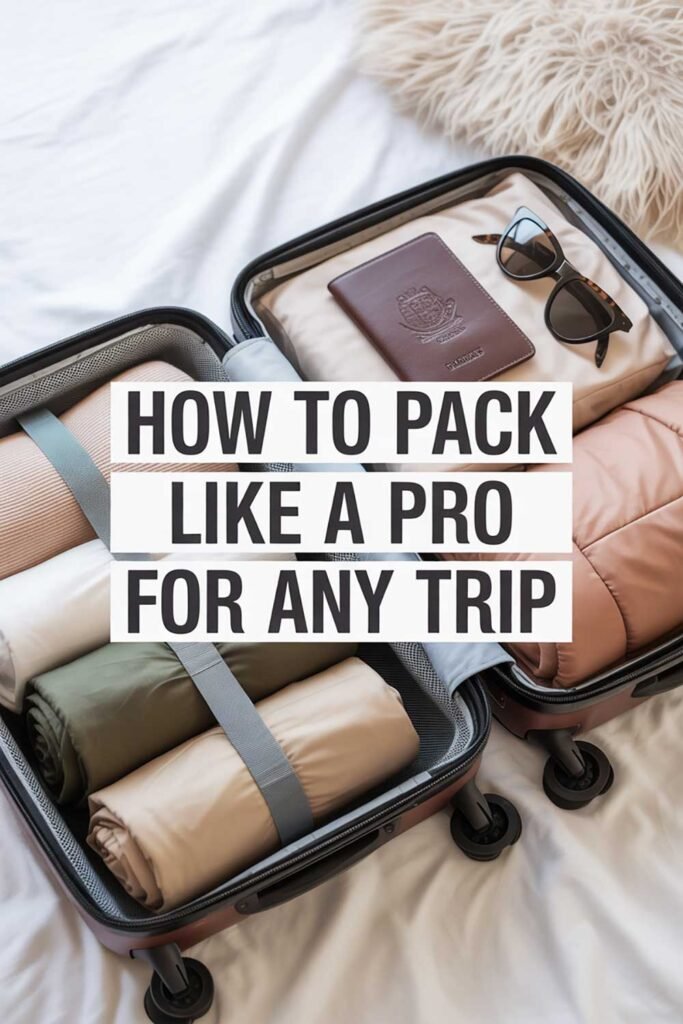
Spring break packing is all about bright versatile pieces that work harder so you can pack less and enjoy more. The best-dressed women at any spring break destination packed half of what they considered and twice the confidence. This article builds the spring break bag that does everything — beach to bar to dinner to the market find on the way home.
Grab Our Travel Packing Checklist
Our free packing checklist includes a spring break section organized by the versatile-base system this article describes — swimsuits, cover-ups, the one great sandal, reef-safe sunscreen, and accessories that do the outfit work — so the spring break bag is built intentionally before anything is pulled from the closet.
Get the Free ChecklistThe spring break wardrobe’s most versatile packing decision is made at the swimsuit selection stage rather than at the full outfit selection stage. A neutral swimsuit — black, white, sand, navy, or any classic single color that does not compete with the accessories layered over it — is the swimsuit that can be worn on the beach in the morning, at the pool bar at noon, under a linen cover-up at the restaurant lunch, and with a wrap skirt and simple gold jewelry at the casual evening dinner. The same swimsuit, four contexts, zero outfit change required beyond the layer added on top. The pattern swimsuit in the bright tropical print cannot be the afternoon restaurant and the evening dinner because the print dictates the accessories it will work with — the neutral base accepts every accessory and every layer without competition.
Pack two to three neutral swimsuits rather than four to five swimsuits in different colors and prints. Two neutral swimsuits in rotation — one drying while one is worn — cover the full spring break stay without any swimsuit shortage, while their neutrality means every wrap, every sarong, every cover-up, and every accessory in the bag works with either swimsuit interchangeably. Three swimsuits provide one additional rotation that eliminates the daily drying calculation entirely. The specific neutrals: black and white together are the maximum versatility combination — black for the slimming profile preference, white for the resort aesthetic, both working equally well with coral, turquoise, gold, and every other warm-weather color in the accessories. Add a third in a warm neutral — sand, blush, or camel — for the variation that reads as the “different swimsuit” without requiring any new accessories to work with it.
The neutral base approach also reduces the mental load of the spring break morning’s outfit decision. The morning that begins at the closet — a closet that is the shared hotel room’s suitcase contents across four friends — and requires deciding which of the six printed swimsuits works with which of the eight cover-ups and which jewelry does not clash with either, is the morning that the neutral base eliminates. The neutral swimsuit works with everything. Everything works back to the beach by noon. The morning decision is which cover-up and which earrings, not which swimsuit and which of the three cover-ups that coordinate with this specific swimsuit’s specific print.
The best-dressed women at any spring break destination packed half of what they considered and twice the confidence.
Spring break packing is all about bright versatile pieces that work harder so you can pack less and enjoy more.
Choose at least one of the neutral swimsuits in a cut and silhouette that feels genuinely confident rather than aspirationally confident — the swimsuit that is comfortable and flattering in the specific way the body feels best in at the beach rather than the swimsuit that required an optimistic assessment of the fitting room mirror. The confident swimsuit worn freely is more beautiful at any spring break destination than the aspirational swimsuit adjusted and managed throughout the beach day. Pack the confident one. The spring break photographs remember the person in them, not the swimsuit’s specific cut.
Let Us Find Your Spring Break Worth Packing the Capsule Wardrobe For
The spring break destination that makes the neutral swimsuit capsule system most enjoyable is the destination with the beach, the bar, the dinner scene, and the market that inspires the return journey’s souvenir haul. Tell us when you want to travel and what kind of spring break your crew is looking for. We will find it.
Plan Our EscapeThe cover-up that does only one job — covering the swimsuit at the beach — is the cover-up that occupies bag space for a single narrow context. The spring break destination’s full day runs from the beach at 9 a.m. to the bar at 3 p.m. to the casual dinner at 7 p.m. to the evening at 10 p.m. — four distinct registers of the same warm-weather casual-to-elevated range that the right cover-up transitions across without any outfit change. The linen shorts and the loose linen shirt worn over the swimsuit on the way from the beach chair to the beach bar lunch is the same linen shirt that goes to dinner with the neutral sandal and the gold necklace. The sarong tied at the waist over the swimsuit at the pool bar is the sarong tied at the shoulder as the dress for the sunset cocktail hour. The cover-up that transitions is the cover-up that earns every gram it weighs in the bag.
The spring break cover-up capsule: two to three pieces that cover the full register from beach casual to casual dinner. A loose linen or cotton shirt in white or a soft neutral — works over the swimsuit, works as the casual top with shorts for the afternoon walk through the destination’s town, works tucked into the linen shorts for the evening’s casual-smart register. A sarong or wrap skirt in a warm color or a soft print — tied at the waist for the beach bar, tied at the shoulder as the dress, used as a hair wrap or a beach blanket layer for the morning’s cooler water temperature. A simple slip dress or a short linen dress in one of the destination’s warm bright colors — the piece that reads as a deliberate evening outfit rather than a swimsuit overlay and that provides the one genuine formal occasion the spring break week typically produces.
The cover-up capsule’s specific power at spring break is the outfit variety it produces from the accessories rather than from additional pieces. The white linen shirt over the black swimsuit with the woven tote and the flat sandal is a beach look. The same white linen shirt with the gold hoops, the wrap skirt, and the tan sandal wedge is a dinner look. The piece is the same. The accessories changed it. Pack the neutral versatile pieces. Vary the looks with the accessories. The spring break destination’s Instagram backdrop is the same for all of them. The accessory is the differentiator.
Pack one bright cover-up alongside the neutral palette — the one piece in the coral, the aqua, the tropical yellow that the destination’s light was designed to make beautiful. The neutral palette is the spring break bag’s system. The bright piece is the spring break’s signature — the photograph taken at the overlook, the piece that catches the light at the afternoon bar, the cover-up that reads as the trip itself when it is seen in the photographs later. One bright piece. Everything else coordinates with it. The photograph is better because of it. Pack it last, after the neutrals are confirmed, as the statement the neutral system was always building toward.
Spring break destinations are almost universally beach or coastal destinations, and coastal beach destinations in the Caribbean, Mexico, Central America, Hawaii, and other popular spring break locations are overwhelmingly reef-adjacent environments where the environmental guidance or legal requirement for reef-safe mineral sunscreen applies. Chemical sunscreens containing oxybenzone and octinoxate have been linked to coral reef damage and are regulated or banned at several popular spring break destinations including Mexico’s Yucatan coast, Hawaii, the US Virgin Islands, and others. The spring break traveler who arrives at a popular Mexican Caribbean beach destination with the standard chemical sunscreen discovers the reef-safe requirement at the beach entry or the resort’s posted guidelines, where the reef-safe alternative is available at the resort boutique’s specific markup on the item whose necessity the requirement creates.
Pack reef-safe sunscreen in multiple formats and sizes for the full spring break week: a large SPF 50 mineral sunscreen for the hotel room — the initial daily application and the mid-day reapplication supply — and two to three small travel-size or TSA-compliant sunscreens for the beach bag, the day bag, and the purse for the evening’s outdoor dining. The spring break’s sun exposure is more intense than most travelers’ home environments, and the reef-safe formulations — specifically mineral sunscreens with zinc oxide or titanium dioxide — provide genuine broad-spectrum UV protection at SPF 50 when applied generously and reapplied every two hours and after every swim. Consult a healthcare provider or dermatologist for sun protection guidance specific to the individual’s skin type, particularly for sensitive skin and extended tropical sun exposure.
The beach bag sunscreen is the most important single item after the swimsuit. The sunscreen not in the beach bag — left at the hotel room because it was packed in the main luggage rather than the accessible beach bag pocket — is the sunscreen that is not reapplied at the two-hour mark because the trip back to the hotel room is not worth the interruption of the beach morning. Pack the travel-size reef-safe mineral sunscreen in the beach bag’s exterior pocket alongside the lip balm with SPF. Apply before leaving the hotel. Set the two-hour phone timer. Reapply from the beach bag. The spring break memories are better when nobody is dealing with the sunburn on day three.
Research the specific spring break destination’s current sunscreen regulations and reef protection guidelines before packing. The regulatory environment around chemical sunscreens at popular coastal spring break destinations is evolving, and destinations that accepted standard sunscreen two years ago may have implemented reef-safe requirements since. The destination’s official tourism authority website or the accommodation’s pre-arrival information is the most current source for the specific requirement at the specific beach. The mineral sunscreen that meets every destination’s current reef-safe requirement is the preparation that eliminates the beach-entry discovery of the requirement and the beach boutique’s price for the compliant alternative.
Find Booking Ideas and Travel Essentials on Our Favorites Page
Our favorites page has helpful booking ideas and travel essentials that we have found genuinely useful for spring break and warm-weather getaways. Whether you are planning your next spring break trip or looking for resources that make every beach vacation better organized and more enjoyable, it is worth a look.
DND FavoritesThe spring break shoe dilemma — how many pairs for the week’s occasion range — is solved by the one great sandal principle: find the sandal that transitions from the beach access walk to the beachside bar to the casual dinner to the evening venue, and bring only that sandal plus a pair of flip-flops for the pool deck. The sandal that works across the beach, bar, and dinner registers for a spring break destination is not a mythical unicorn shoe. It exists in the form of the quality leather or leather-look flat sandal in a tan, cognac, gold, or neutral — a sandal whose clean lines and quality leather make it equally at home at the beach bar’s cocktail napkin and the dinner table’s linen napkin.
The specific sandal qualities worth looking for: a sole with enough texture to manage the occasional cobblestone or uneven beach-adjacent surface, a strap that stays comfortable through four to six hours of walking without producing the specific blister that the new sandal on the first day’s extended walk produces, and a color that works with both the neutral swimsuit capsule and the bright cover-up without requiring a shoe change between the swimsuit look and the cover-up look. The tan leather sandal with the minimal strap achieves all of these. The gold embellished flat sandal achieves most of them and adds the specific evening dress quality that makes it the one pair that reads as genuinely dressed for the dinner context rather than the beach context in shoes.
Break the sandal in before the trip. The new sandal worn for the first extended time on the spring break’s first full day is the sandal that produces the blister at hour two of the beach walk — the specific strap pressure that the broken-in sandal manages and the new sandal does not. Wear the spring break sandal on two to three occasions in the two weeks before departure: a long walk, an evening out, a day where the sandal is on for six or more hours. The broken-in sandal at the destination is the sandal that the first day’s walk does not end with tape over a developing blister.
Pack a small roll of blister-prevention tape in the beach bag regardless of how well the sandal was broken in. The spring break destination’s extended walking — the beach access, the market, the evening venue across cobblestones or longer distances than the break-in walks at home covered — occasionally produces the blister that the broken-in sandal managed previously but the spring break’s extended duration did not fully prepare for. A small roll of blister tape weighs under twenty grams and resolves the developing blister before it becomes the full blister that changes the sandal to the flip-flop for the evening dinner. Pack it. Most spring breaks do not require it. The one that does is grateful for the twenty grams.
The spring break destination produces the purchase that was not planned before departure. The handmade earrings at the market vendor that are perfect with the bright cover-up. The locally made sarong in the color that the bag at home does not contain. The straw hat that becomes the trip’s signature accessory for the final two days and travels home in a bag that did not have space for it when the trip began. The spring break packing approach that fills the bag to its comfortable capacity at departure is the approach that creates the return journey’s creative-packing challenge: the market finds that need to travel home in a bag that has no room for them alongside the clothes that filled it on the way.
The intentional space strategy: pack the spring break bag to eighty percent of its comfortable capacity rather than to its maximum, and include a lightweight foldable tote bag as the planned overflow for the return journey’s purchases. The foldable tote lives in the spring break bag for the first half of the trip and serves as the daily market and beach bag at the destination — the bag for the market walk, the beach lunch, the afternoon shopping — and as the return journey’s overflow bag for the purchases that the main bag cannot accommodate. The foldable tote weighs under one hundred grams, costs nothing in bag space when folded, and provides the return journey’s purchase management from the first market visit onward.
The spring break purchase budget is a separate consideration from the packing consideration, but the two are related: the spring break bag packed with deliberate overflow capacity is the bag whose return journey does not require the specific creative-packing session of the final morning where the purchases and the clothes compete for the available space and something has to be decided against. Pack the bag at eighty percent. Bring the foldable tote. Buy the earrings. Bring the sarong home. The spring break’s best souvenirs are the items that the destination produced the desire for — not the items brought from home that the destination did not require.
The spring break purchases that fit best in the bag are the flat, lightweight, non-fragile items that the spring break destination’s specific market and artisan products often include: handwoven textiles, jewelry, printed sarongs, small ceramic pieces, dried spices and local food products sealed in their market packaging. These items are the purchases that travel home in the foldable tote alongside the beach towel and the cover-ups without any fragile-item management. For the occasional fragile purchase — the ceramic piece, the glass item from the market — the original clothing packed for the trip serves as the wrapping material for the return journey: the t-shirt wrapped around the ceramic is the ceramic that travels home without bubble wrap and the t-shirt that is already in the bag.
The complete spring break packing system assembles the neutral swimsuit base, the versatile cover-up capsule, the sunscreen system, the one great sandal, and the intentional overflow capacity into the bag that goes to spring break looking like it was packed by someone who knew exactly what they were doing.
The swimwear layer: two to three neutral swimsuits — black, white, and one warm neutral. Two to three cover-ups in the double-duty formats: linen shirt, sarong or wrap, slip dress. One bright statement cover-up as the trip’s signature piece. Accessories in gold or warm tones that work with the entire neutral palette: two to three necklaces in layerable lengths, one set of statement earrings, one set of smaller everyday earrings, one or two rings. One quality straw or canvas tote for the beach and the market.
The footwear layer: one great sandal confirmed broken-in and appropriate for beach-bar-dinner. One pair of flip-flops for the pool deck and the beach access.
The sun protection layer: one large reef-safe SPF 50 mineral sunscreen for the hotel room. Two to three travel-size reef-safe sunscreens for the beach bag, the day bag, and the evening purse. Lip balm with SPF. After-sun lotion for the evening application.
The bag space layer: packed to eighty percent capacity. One foldable tote flat in the bag’s base for the daily beach-and-market use and the return journey’s purchase overflow.
The spring break packing session works best when it is done on the bed with all candidate pieces laid out simultaneously rather than one item at a time from the closet. The flat lay on the bed allows the specific combination check — does this cover-up work with both neutral swimsuits, does this accessory work with both the linen shirt and the slip dress, does the one great sandal sit naturally beside every piece on the bed — that the closet’s vertical hanging format does not support. The flat lay reveals the combinations before they are discovered at the destination’s morning dressing session. The item that does not naturally combine with anything else on the bed is the item to leave at home rather than the item to discover at the destination does not work with anything in the bag.
The Spring Break Bag That Weighed as Much as the Trip Should Have Felt
Zara and her friends had approached the spring break packing with the specific enthusiasm that produces four women with four large bags for a five-night trip. The group chat had been active for two weeks about outfits — the content organized by day and by occasion, the specific items confirmed across the group to avoid the specific situation of arriving in the same swimsuit. The bags were heavy at the check-in scale. Two were overweight. The fees were paid with the group’s characteristic humor about the situation and the specific irony that the people most concerned about having the right outfit for every occasion were also the people who had paid the most to transport those outfits to the destination.
At the hotel room, four large bags occupied the floor space that four people also needed to occupy. The first morning’s question — what are we wearing to the beach — produced the specific shared-room situation of four people simultaneously consulting their individual bags for the individual swimsuit that would work with the specific cover-up that would work at the beach bar lunch that was planned for noon. One swimsuit was at the bottom of one bag under the three other swimsuits and the dresses. One cover-up had been packed in a rolling bundle to save space and had acquired the creases of a rolling bundle. The morning produced the outfits. The morning also produced the specific understanding that four large bags in a shared hotel room was a morning management exercise rather than a morning getting-ready experience.
For the next spring break, Zara proposed the group try a different approach. Each of them packed two neutral swimsuits. Each of them brought two cover-ups in a double-duty format. Each of them brought one great sandal. Each of them packed a single bright piece as the trip’s signature. Each of them brought the accessories rather than the additional swimsuits — the earrings and the chains and the wraps that the group chat had always photographed the best outfits for anyway. Each bag was approximately half the size of the previous year’s bag. None were overweight. The hotel room had floor space. The morning got-ready sessions were four people choosing earrings, not four people excavating individual bags for the swimsuit at the bottom.
The photographs from both trips exist. The second trip’s photographs are better — not because the outfits were more interesting, but because the people in them look like they are at a spring break rather than managing one. The one great sandal, the neutral swimsuit, the bright cover-up, the gold earrings, the bag that was half the size and twice as easy to carry — these are the packing decisions that produced the photographs worth keeping. This article is the group chat conversation Zara started after the second spring break that asked: why did it take us this long to figure out that less was more?
Beyond the five core spring break packing principles, these six additional approaches address the specific spring break scenarios the core system does not fully cover.
Pack a small crossbody bag in the neutral or tan color family that transitions from the beach market to the evening venue without looking specifically like a beach bag. The beach tote is the daytime bag. The crossbody is the evening bag — small enough to carry hands-free at the bar and the dinner, secure enough for the phone, the card, and the lip gloss that the evening requires, and versatile enough in its neutral color to work with every evening look in the bag. A small woven or leather crossbody bag weighs under two hundred grams, packs flat in the main bag, and converts the spring break evening from the large beach tote that is functional but not specifically appropriate for the dinner table to the small crossbody that is exactly appropriate for it.
Bring a waterproof phone case or a waterproof pouch for the beach and the pool context. The spring break’s most consistent phone risk is the water entry — the beach chair at the water’s edge, the pool’s splash zone, the boat excursion’s wave — that the unprotected phone manages with the specific anxiety that the unprotected phone produces in its owner at any water-adjacent location. A lightweight waterproof phone case — the roll-top clear pouch that allows screen use through the waterproof surface — eliminates this anxiety and enables the underwater photograph that the spring break destination’s water clarity was specifically worth taking. Pack it. The phone at the bottom of the tote bag away from the water is the phone whose spring break photographs miss the best thirty minutes of every beach day.
Pack a silk or satin travel pillowcase for the spring break accommodation’s pillow. The spring break accommodation’s pillow cover is clean but its friction against the hair produces the morning’s version of the previous night’s pillow — the specific hair situation that the low-friction silk or satin cover prevents. For the group trip where the morning photographs are important to everyone, the silk pillowcase is the overnight investment in the morning’s photograph quality that the standard pillow cover does not provide. It weighs under one hundred grams, packs flat, and produces the hair that the spring break morning deserves.
Include a compact rechargeable fan in the beach bag for the spring break destination’s direct sun hours. The spring break beach at peak UV hours produces the specific heat that the ocean breeze manages and the midday calm does not. A small rechargeable personal fan charged the night before — most run four to six hours on a full charge — provides the specific localized airflow that the still midday beach does not, extending the comfortable beach session through the hours that the heat alone would motivate a return to the air-conditioned room. The compact fan weighs under two hundred grams, fits in the beach bag, and pays for itself in extended beach time on the first still midday it is used.
Research the specific spring break destination’s local market schedule before departure and build one market morning into the trip’s loose itinerary as the dedicated souvenir and local purchase session. The local market at the spring break destination is the specific shopping experience that the resort boutique is not: locally made, locally priced, and full of the specific artisan products that the destination’s culture produces rather than the branded merchandise the resort curates for the international visitor. The market morning produces the spring break’s best purchases — the handmade earrings, the local textile, the ceramic piece — at the local price rather than the resort markup. Research the market’s day and schedule before departure. Build it into the first two days of the itinerary while the return bag still has the eighty percent capacity that the foldable tote is designed to supplement.
Pack a lightweight sarong in addition to the cover-ups — a full-length rectangular fabric in a bright color or a classic print that the spring break destination inspires. The sarong is the spring break wardrobe’s most versatile single item: it is the beach towel for the sand session, the pool cover for the lounger, the wrap skirt for the beach bar, the shoulder cover for the cultural site or the restaurant with the dress code, the beach blanket for the sunset session, and the bag liner for the return journey’s produce market purchases. One piece. Seven functions. Approximately two hundred grams. The sarong is the spring break bag’s value leader by weight-to-utility ratio.
The spring break bag’s greatest packing error is the outfit added at the end of the packing session under the anxiety of the question: “what if there is a formal occasion I did not plan for?” The formal occasion that was not on the spring break’s itinerary is the formal occasion that does not happen on spring break. The spring break destination’s formal register is the casual dinner’s nicest version — the slip dress and the gold sandal is the most formal occasion the spring break produces, and it is in the bag. Everything above the slip dress and the sandal in formality is the what-if item that weighs the bag down, occupies the return journey’s souvenir capacity, and is worn nowhere. Leave it at home. Pack the confidence that the capsule system provides. The destination does the rest.
Book the Spring Break Destination Worth Packing This System For
The spring break that earns the neutral swimsuit capsule, the one great sandal, and the market morning in the itinerary is the destination where the beach is excellent, the bar is worth the walk from the beach, and the dinner is worth the slip dress. Our travel agents know those destinations. Let us find yours.
Book A TripSpring Break Packing Mistakes That Weigh Down the Trip
Each of these is the overweight fee, the shared room’s floor space problem, or the return journey’s creative packing session. Each has a capsule-based resolution.
Packing a different swimsuit for every day of the trip
Five swimsuits for a five-day trip is five swimsuits whose individual prints each require their own coordination considerations and none of whose prints work with every cover-up in the bag. Two neutral swimsuits in rotation cover the full trip with every accessory and every cover-up working with both. The additional three swimsuits are weight and volume that the neutral pair did not require for any of the week’s beach moments.
Packing cover-ups that only work at the beach and nowhere else
The cover-up that is appropriate only at the beach is the cover-up that produces a getting-changed moment for the beach bar transition and another for the dinner transition. The cover-up that works from beach to bar to dinner produces zero getting-changed moments because it is appropriate for all three. Choose cover-ups for their double-duty range. The linen shirt and the sarong earn every gram they weigh in the bag. The beach kimono that works only at the beach does not.
Packing chemical sunscreen at a destination where reef-safe is required
The chemical sunscreen discovered at the destination’s beach entry to be non-compliant with the reef-safe requirement is the sunscreen disposed of at the entry or purchased at the beach boutique’s markup as the compliant alternative. Pack reef-safe mineral sunscreen before departure. Research the destination’s specific current requirement. The reef-safe formulation that meets every destination’s requirement is the preparation that eliminates the beach-entry discovery.
Packing three different pairs of sandals for a five-day beach trip
Three pairs of sandals for a five-day beach trip is three pairs whose individual occasion assignments require decision-making at every outfit transition. One great sandal for beach-bar-dinner and one pair of flip-flops for the pool deck cover every occasion the spring break produces without any occasion decision beyond which of the two options is appropriate for the specific context. Find the one great sandal. Break it in before the trip. Pack the two-pair system. The third sandal stays home.
Packing the bag to full capacity and returning with no room for the market’s earrings
The bag packed to full capacity at departure is the bag whose return journey produces the earrings-or-the-dress decision. The bag packed to eighty percent capacity with the foldable tote for the market overflow is the bag that buys the earrings and the sarong and the local textile and carries them home in the foldable tote without any decision. Pack at eighty percent. Bring the foldable tote. Buy the earrings.
Adding the formal occasion what-if item at the last minute
The formal occasion that was not on the spring break itinerary does not happen on spring break. The bag packed at eighty percent capacity with the slip dress as the most formal piece covers every occasion the spring break destination produces. The what-if formal item added at the packing session’s end is the item that takes the bag from eighty percent to ninety-five percent, occupies the capacity the foldable tote needed, and is worn at no occasion during the trip. Leave it at home. The destination’s most formal moment is the slip dress and the gold earrings. It is already in the bag.
Love Helping Women Travel Lighter, Look Better, and Enjoy More?
Spring break bookings are some of the most joyful travel agent work — the trips where the destination does the work and the traveler does the enjoying. If becoming a home-based travel agent who helps women find and book the best spring break destinations sounds like the right next step, see how the TravelPreneur system works.
Become An AgentFrequently Asked Questions
These are the questions spring break travelers ask most often about packing the right bag for the right trip.
How many swimsuits should I pack for a one-week spring break?
Two to three swimsuits is the appropriate range for a one-week spring break trip. Two neutral swimsuits in rotation — one worn while the other dries — cover the full week without any swimsuit shortage, and their neutral colors mean every cover-up and every accessory in the bag works with both without any coordination management. Three swimsuits eliminate the rotation calculation entirely by providing a dry swimsuit available for every session without daily management. Beyond three swimsuits, the diminishing returns on additional swimsuits — more weight, more volume, more occasion-specific print management — do not justify the additional items for a standard one-week spring break stay. The swim trunks-style advice that worked for the men’s cruise packing article’s two-to-three rule applies equally to women’s spring break packing: two to three swimsuits maximum, all in neutrals that combine freely with the accessories and cover-ups in the bag.
What is the one versatile sandal that works for beach, bar, and dinner?
The one versatile sandal for spring break beach-bar-dinner context is most reliably found in the quality leather flat sandal category — specifically a simple single-strap or double-strap flat sandal in tan, cognac, gold, or nude leather whose clean construction and quality material reads as appropriate at the dinner table rather than specifically at the beach. The flat profile means it is comfortable for the extended walking that the spring break destination’s beach access, market, and evening venue circuit produces. The leather or leather-look material elevates it above the clear plastic or rubber sandal that reads as exclusively beach footwear. The neutral color works with every cover-up and every outfit in the bag. Quality leather sandals from established footwear brands in this category are available at a range of price points. The investment in a quality pair that was genuinely comfortable in the break-in period before departure is the investment that the first day’s extended beach walk validates rather than regrets.
What should I pack for a spring break beach trip that includes nightlife?
The spring break bag that includes nightlife adds only two to three pieces to the beach-focused capsule: one or two linen or lightweight casual dresses or mini skirts that transition from the beach context to the bar and evening venue context with the right accessories, and the one great sandal that handles the full register from casual to elevated casual. The nightlife at most spring break destinations operates in the casual-elevated register that the slip dress and the good sandal and the statement earrings fully satisfy — this is not a formal dinner occasion. The specific addition for the nightlife context is the accessories: one or two statement jewelry pieces that read as specifically put-together rather than beach-adjacent, and the small crossbody bag for the hands-free evening venue navigation. The nightlife pieces are approximately two to three lightweight items at minimal additional bag weight that produce the full spring break occasion range from the beach at 9 a.m. to the venue at midnight.
How do you pack for a spring break trip in a carry-on only?
A five-to-seven-day spring break trip in a carry-on only is entirely achievable with the neutral swimsuit capsule system described in this article. The key adjustments for the carry-on-only spring break: two neutral swimsuits rather than three, two cover-ups rather than three, one great sandal and one flip-flop in the bag (the sandal worn on the travel day to eliminate it from the bag’s volume), the sunscreen in TSA-compliant travel-size containers in the quart bag with the other liquids, and accessories in the personal item’s interior rather than the carry-on’s main compartment. The neutral palette’s combination efficiency produces the week’s full look variety from fewer items at a total volume that comfortably fits a standard carry-on with room for the flip-flops, the foldable tote, and the toiletry kit. The carry-on spring break also produces the most satisfying arrival: past the baggage belt and into the destination’s light while the checked bag passengers wait for the carousel to begin.
Is reef-safe sunscreen as effective as regular sunscreen?
Reef-safe mineral sunscreens with zinc oxide or titanium dioxide as the active UV filters provide genuine and effective broad-spectrum UVA and UVB protection that is comparable to chemical sunscreens when applied correctly — generously and reapplied at the prescribed intervals, typically every two hours and after swimming. The common perception that mineral sunscreens are less effective than chemical sunscreens reflects the user experience differences rather than the SPF efficacy: mineral sunscreens can leave a white cast on some skin tones from the zinc oxide, and some formulations are thicker and less easily absorbed than chemical sunscreens. Newer mineral sunscreen formulations have significantly reduced the white cast issue through improved zinc oxide processing, and many reef-safe mineral sunscreens from quality brands are now light and easily absorbed. The specific formulation that works best for any individual’s skin tone and skin type is best found by testing at home before the spring break trip rather than discovering a problematic formulation at the destination. Consult a dermatologist for sun protection guidance specific to your skin type, particularly for extended tropical sun exposure.
What are the best accessories to pack for a spring break trip?
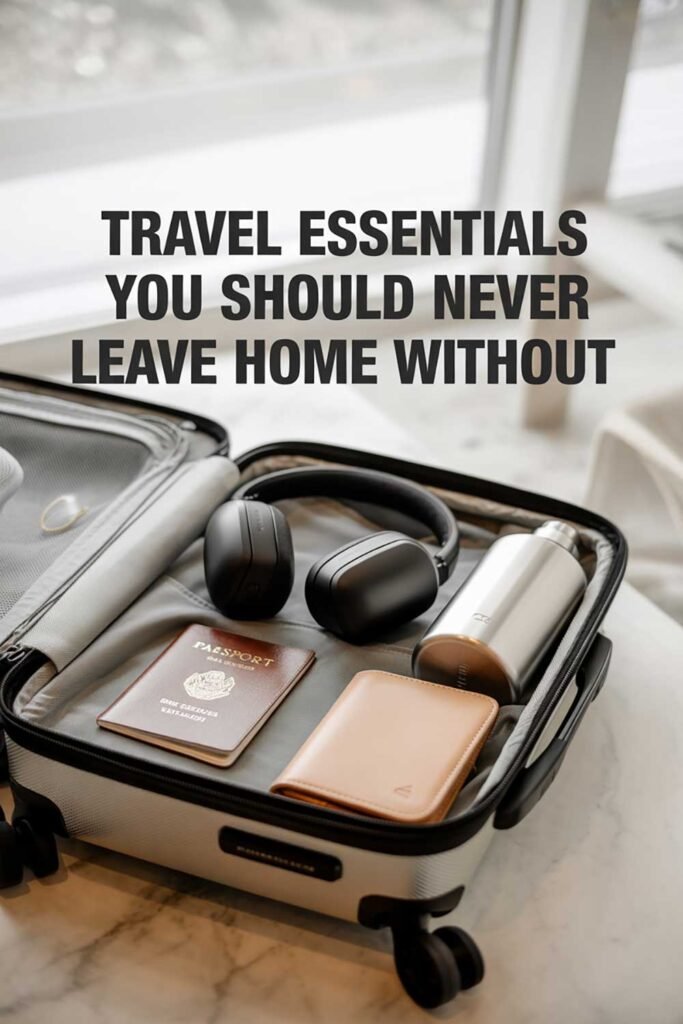
The spring break accessory kit that produces the most outfit variety from the least weight and volume: two to three necklaces in layerable lengths — a delicate chain, a medium pendant, and one statement piece — that work with every neutral swimsuit and every cover-up in the bag without requiring specific coordination consideration. One pair of statement earrings for the evening occasions and one pair of smaller everyday earrings for the beach and bar hours. One or two rings that work across the casual and evening registers. A quality sunglasses pair in a flattering shape — the spring break’s most consistently photographed accessory after the swimsuit itself. One quality woven or canvas tote bag for the beach and market. One small crossbody for the evening. These accessories collectively weigh under five hundred grams, pack flat in a small jewelry roll and the bag’s interior pocket, and produce the spring break’s complete look variation from the beach morning to the evening venue without any additional clothing pieces required beyond the neutral capsule wardrobe they accessorize.
The best photographs from that spring break were not the ones with the most outfits. They were the ones with the most confidence. The women who looked like they were exactly where they were supposed to be had packed exactly what the destination required and nothing that it did not. Half the bag. Twice the confidence. All of the fun.
Picture the Morning of Day Three
The neutral swimsuit is on. The white linen shirt is over it. The gold hoops are in. The great sandal is by the door. The beach bag has the reef-safe sunscreen in the exterior pocket and the foldable tote tucked inside for the afternoon market. The shared room has floor space. The morning got-ready in twenty minutes. The bag that flew here was not overweight. The bag that flies home will carry the earrings from the market and the sarong in the color the destination inspired. The second spring break with the capsule system. The photographs will be better. The crew already agrees. That is the system. That is every spring break from here.
One More Thing Before the Next Spring Break
Print our free Travel Packing Checklist and use the spring break section to do the flat lay test — every piece on the bed, every combination confirmed, the bag at eighty percent capacity, the foldable tote at the bottom. The same checklist we recommend before every warm-weather getaway.
Get the Free ChecklistExplore Our Top Picks for a Better Trip
Visit our favorites page for helpful booking ideas and travel essentials that we have found genuinely useful for spring break and warm-weather travel. Whether you are planning your next spring getaway or looking for resources that make the packing session and the trip itself more enjoyable, it is worth exploring.
See Our Top PicksTravel Prints and Printables From Our Shop
Visit Premier Print Works for spring break packing checklists, capsule wardrobe planning guides, trip planners, travel journals, and wall art that makes every warm-weather getaway a little more beautiful and a lot more organized — from the evening the flat lay test is done to the morning the bag weighs half of what last year’s did.
Visit Premier Print WorksDisclaimer
The information shared in this article is provided by Don and Diana’s Travels for general informational, educational, and inspirational purposes only. It reflects our personal experiences, opinions, and the experiences of travelers we have worked with. It is not professional fashion, medical, or travel advice.
Sunscreen and Skin Safety
Sunscreen guidance in this article is general educational information and is not a substitute for professional medical or dermatological advice. Always consult a healthcare provider or dermatologist for sun protection recommendations specific to your individual skin type, skin tone, and health circumstances. Follow current evidence-based sun safety guidelines. We are not responsible for any sun safety outcome arising from information in this article.
Sunscreen Regulations
Sunscreen regulations at beach destinations vary by country, region, and specific beach and are subject to change. Always research current requirements at the specific destination before travel.
Airline Baggage Policies
Baggage weight limits and carry-on policies vary by airline, fare class, and route. Always confirm current policies before travel.
Affiliate and Partner Links
This article may contain affiliate and partner links that pay us a commission. Our recommendations are based on real use and genuine belief in the products and services we share.
Health, Safety, and Personal Responsibility
Travel involves personal risk. You are solely responsible for your own health, safety, and travel decisions. Don and Diana’s Travels accepts no liability for any loss, injury, delay, or inconvenience arising from information in this article.
Composite Stories
Stories on this site combine real experiences from Don, Diana, clients, and travelers we have worked with. Details may be adjusted for privacy and narrative clarity.
No Guarantees
We do not guarantee any specific result from using the information in this article. Your results depend on your own choices and circumstances.
Copyright and Use
All content is the copyrighted property of Don and Diana’s Travels. You may not copy or republish our content without prior written permission. You are welcome to share a direct link with proper credit.
By reading this article, you acknowledge that you have read and agree to this disclaimer.