27 Travel Tips for First-Time Flyers Who Want Less Stress
Your first flight does not have to be stressful if someone walks you through exactly what to expect before you ever get to the airport — and that is exactly what these twenty-seven tips do. Step by step, from the night before to landing, so nothing about the day comes as a surprise and all of the energy goes to the destination rather than the logistics of getting there.
Grab Our Travel Packing Checklist
Our free packing checklist takes the guesswork out of the pre-departure preparation — every item confirmed before you leave home, the bag organized so the ID and boarding pass are exactly where they need to be, and the carry-on set up for a smooth security experience so nothing about the travel day comes as a surprise.
Get the Free ChecklistThe first flight is the one that feels the most overwhelming and almost always the one that makes you wonder why you waited so long to go.
Your first flight does not have to be stressful if someone walks you through exactly what to expect before you ever get to the airport — and that is exactly what these tips do.
Before You Get to the Airport: The Preparation That Makes the Whole Day Calmer
Check in online the night before your flight so you already have your boarding pass when you wake up
Most airlines open online check-in twenty-four hours before the flight’s scheduled departure, and completing it the night before means the boarding pass is already in hand before the morning begins — no check-in desk required, no queue to join, and the preferred available seat in the fare class chosen rather than whatever remains by the morning. After completing online check-in, take a screenshot of the boarding pass and confirm it opens on airplane mode. The boarding pass needs to be accessible at security, at the gate, and at the jetway, and the screenshot in the camera roll is the version that opens in one second regardless of whether the app loads or the Wi-Fi cooperates. For a first-time flyer, having the boarding pass confirmed the night before removes one uncertainty from the departure morning and replaces it with the specific calm of knowing the first step is already done.
Look up the airport layout before you leave home so nothing about it surprises you
Every major airport publishes a detailed terminal map on its website and in its app — the location of check-in desks, security lanes, gates, and the route between them. Spending five minutes with this map the evening before the first flight converts the airport from an unfamiliar, intimidating space into a place whose layout is broadly understood before arrival. The question “which terminal is my flight?” is answered at home rather than at the drop-off zone. The distance between security and the gate is known before the two-hour arrival window is planned around it. The direction of baggage claim is familiar before the aircraft lands. None of this requires detailed study — a five-minute orientation with the map is enough to arrive at the airport with the general geography already understood. The airport that feels manageable almost always looks that way because someone looked at the map before they arrived.
Pack your carry-on bag the evening before — not the morning of the flight
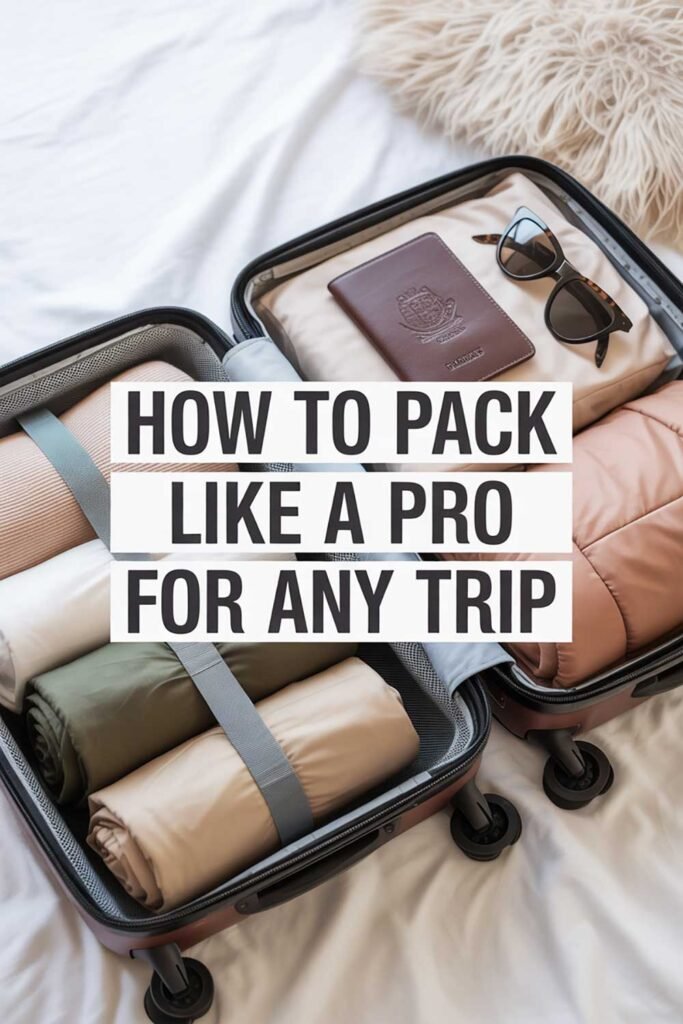
The departure morning is not the right time to make packing decisions — it is the time for confirming that the decisions already made are complete and correct. Packing the evening before allows the discovery that the phone charger is still in the desk drawer while the desk is available, that the essential toiletry is in the bathroom rather than the bag while the bathroom is accessible, and that the outfit planned for travel day is on the laundry pile rather than in the wardrobe while there is still time to choose another. For a first-time flyer specifically, packing the night before removes the specific departure morning anxiety of wondering whether everything is in the bag — because the bag was confirmed complete the previous evening when there was time and calm to do it properly. The morning is for getting out the door, not for assembly.
Keep your ID and boarding pass in an outside pocket where you can reach them instantly at every checkpoint
The ID and boarding pass are presented multiple times across the departure day: at the security lane, at the gate, and at the jetway. Each presentation needs to be immediate — produced quickly and without digging through the main compartment of the bag while the person behind is waiting. An exterior pocket of the carry-on or a dedicated card slot in the travel wallet, accessible with a single reach from the standing position, is the right place for both items. Put them there before leaving home. Keep them there throughout the travel day. The specific confidence of reaching directly to the right pocket and producing the right document — at every checkpoint — is the confidence of someone who prepared the location of those documents before the checkpoints required them. For a first-time flyer, this preparation reduces one of the most visibly stressful moments of the first airport experience to a reach.
Arrive at least two hours before your domestic flight — and use that time without rushing
Two hours before a domestic flight provides enough time to park or be dropped off, reach the check-in area, check a bag if needed, join and clear the security queue even if it is longer than usual, find the gate, and be seated at the gate with time to settle before boarding begins. For a first-time flyer, two hours also provides the specific comfort of knowing there is margin — that if the security line is longer than expected, if the gate is further than anticipated, or if anything takes longer than the plan allows, the two-hour window still produces a comfortable arrival at the gate rather than a sprint to it. The worst outcome of arriving two hours early is a longer wait at the gate, which is time that can be used for food, charging devices, or simply settling into the experience. The worst outcome of arriving too late is missing the flight. Two hours early is always the right choice for a first flight.
Know the difference between a terminal, a concourse, and a gate before you arrive
These three words appear on every boarding pass and every airport sign, and understanding what they mean before arriving at the airport removes a significant source of first-flight confusion. A terminal is the main airport building or one of its major sections — some airports have one, some have several connected by trains or walkways. A concourse is a connected section of a terminal containing multiple gates — like a long corridor whose doors are the individual flights. A gate is the specific door through which passengers board their specific flight — identified by a letter and number combination that appears on the boarding pass. When checking in, the flight is assigned to a specific gate. The terminal’s departures board shows which gate and whether it has changed. The first-time flyer who understands these three words can navigate any airport’s signage accurately from the first sign they encounter.
Let Us Plan the Destination That Makes the First Flight Worth Every Bit of the Anticipation
The first flight is always the hardest and almost always leads to the second, third, and fourth. Tell us where you want to go and we will plan the trip that makes the nervousness on the way there feel exactly worth it — and makes booking the return flight the first thing you do when you land.
Plan Our EscapeGetting Through Security: It Takes Under Two Minutes When You Know What to Do
Wear slip-on shoes because shoes come off at security — make it easy on yourself
At security checkpoints in the United States and many international airports, shoes must be removed and placed in a tray before walking through the scanner. This is standard, expected, and applies to everyone in the line. Wearing slip-on shoes — loafers, slip-on sneakers, flat boots without laces — means removing them takes three seconds and replacing them takes three seconds. Wearing lace-up shoes means kneeling at the security belt, unlacing, relacing, and standing while the rest of the process waits. For a first-time flyer who is already managing more mental load than usual, the slip-on shoe is the smallest possible preparation that removes one completely avoidable friction from the security experience. Keep a pair of comfortable slip-ons as the travel shoes for this flight. Wear the destination shoes after landing. The security lane has enough moving pieces for a first-time flyer without adding shoelaces to the list.
Put your belt, watch, and all metal items in your bag before joining the security queue — not at the bin
Metal items need to come off before the body scanner — the belt that goes through loops, the watch that unclasps, the keys and coins in pockets. If these items are removed at the security bin, the process happens while the queue behind is waiting and moving and the time pressure of the line adds stress to a task that takes the same amount of time with no time pressure at the back of the queue before the bin is reached. Put the belt in the carry-on bag at the queue’s entry. Put the watch in a pocket of the carry-on. Put anything from pockets that might trigger the scanner — keys, coins, a pen — in the bag as well. Arrive at the bin with nothing left to remove. The scanner walk takes five seconds. The tray goes on the belt. The bag goes on the belt. Everything moves efficiently. The specific calm of a security interaction that required nothing at the bin is available to any first-time flyer who prepared the metal items before joining the queue.
Keep your liquids bag and laptop in the outermost pocket of the carry-on for effortless screening
At security, two items must be removed from the carry-on and placed in the tray separately: any liquid containers over a small size must be in a clear quart-size bag, and a laptop must come out of the bag. If these are in the main compartment, the bag must be opened, the items located, and everything reorganized before the bag goes on the belt. If the liquids bag is in the outermost front pocket of the carry-on and the laptop is in a dedicated outer sleeve, both come out in one motion each and go in the tray in under ten seconds combined. Pack them there the evening before and leave them there for the full travel day. A quart-size clear zip bag containing small bottles of liquid, toiletry samples, and any other liquids is what the TSA requires — they are available at pharmacies and travel shops for a few dollars. Prepare both items before leaving home. The security interaction is the first test of the preparation. These two items determine how it goes.
Empty every pocket completely before reaching the security bin
The scanner detects metal and dense items in pockets — a phone, a set of keys, a wallet, even a thick pen. Any item detected by the scanner that was not removed before the walk produces a secondary screening: the traveler is directed back through the scanner, the pocket item is removed, and the scanner is repeated while the queue watches. This is not a serious problem and happens to travelers of all experience levels, but for a first-time flyer it adds the specific stress of public attention to an already unfamiliar process. Empty every pocket before the bin — phone into the carry-on bag where it belongs anyway, wallet into the bag, anything else confirmed absent. Arrive at the scanner with empty pockets and the specific confidence of knowing nothing will trigger the secondary check. The scanner walk is five seconds. The secondary check is a few minutes. Empty pockets make the five-second version available to everyone.
Remember that every single person around you was a first-time flyer once — including the person in front of you who looks like they do this every week
The security line on any departure morning contains people who fly once a decade, people who fly once a week, and people at every point between. The traveler who moves through security without apparent effort is the traveler who has done it enough times to have built the habits that make it smooth — and those habits are exactly what these tips describe. Nobody was born knowing that the liquids bag goes in the outer pocket. Nobody instinctively wore slip-ons the first time. The experienced traveler earned their ease through exactly the same first-flight experience that is happening now. The security lane is not a place where first-time flyers are identified and managed differently. It is a place where preparation is rewarded equally regardless of how many times the traveler has been through it. Prepare as these tips describe. Move through as confidently as the preparation allows. Every experienced traveler in that line had exactly this moment. They remember it. Most of them will tell you it was fine.
After Security: Finding Your Gate and Using the Time Before Boarding
The first thing to do after clearing security is find your gate — before food, coffee, or anything else
After clearing security, the most important piece of information available is the gate’s location and the current confirmed departure time. Find it first. Walk to the gate, confirm the flight name and number on the gate display matches the boarding pass, and confirm the departure time on the gate display is the same as on the boarding pass. Gate assignments occasionally change between the check-in confirmation and the departure, and the gate display at the physical gate is the most current source of this information. Once the gate is found and confirmed, the remaining time before boarding can be used for food, charging devices, or simply sitting — all with the knowledge that the gate’s location and status are confirmed. For a first-time flyer, finding the gate immediately after security converts an open question into a closed one and replaces the low-grade uncertainty of not knowing where the flight is boarding with the specific calm of knowing exactly where to be and when.
The departures board is the large screen that shows every flight’s current gate and status — check it when you clear security
Every airport has a departures board — a large display showing every scheduled departure, its gate assignment, its status (on time, delayed, boarding, departed), and its current terminal position. This board is visible from the main flow paths after security and is updated in real time. For a first-time flyer, the departures board is the most useful tool in the airport: it shows which gate the flight is currently assigned to (which may have changed since check-in), whether the flight is on time, and whether boarding has begun. Finding the departures board on clearing security — before heading toward any specific gate — confirms whether the gate from the boarding pass is still current or whether a change has been made since the morning’s check. The board is read by every traveler who wants to know where their flight is. It takes thirty seconds to find the relevant flight. It answers the most important question the airport has to offer.
Use the gate’s available outlets to charge your devices while you wait
Gate seating areas at most airports have accessible power outlets — floor outlets, charging stations built into the seating, or USB ports in the armrests. The time between clearing security and boarding can be anywhere from thirty minutes to several hours, and using the gate’s power supply to charge the phone, top up the earbuds, and fill the portable charger means the flight begins with everything at full capacity rather than whatever the departure morning consumed. Keep the short charging cable in the carry-on’s outer pocket — the same location it was placed the evening before — and plug in as soon as a seat with an outlet is found at the gate. The flight with a fully charged phone is the flight with the boarding pass available, the entertainment ready, and the navigation loaded for the destination arrival. The gate is the last powered opportunity before the flight. Use it.
Eat something before boarding if there is time — meal service on short domestic flights is often limited or absent
Domestic flights under three hours frequently provide only snacks or nothing at all, and the departure morning’s early start may mean a genuine meal has not been possible before reaching the gate. If the time between clearing security and boarding allows for food, eat at the gate. A meal eaten while sitting near the gate — with the gate confirmed and the departure time known — is the right time for it. Airport food is expensive relative to the outside world and limited in quality range, but a meal before boarding that covers the flight’s duration without relying on the flight’s service is worth the cost for a first-time flyer for whom the comfort of not being hungry adds meaningfully to the manageability of the overall experience. Eat before boarding if the time allows. There is no obligation to eat on the plane if the flight’s snack service does not meet the need. The gate’s café exists for exactly this moment.
When boarding begins, listen for your group number — and board when it is called, not before
When boarding begins, the gate agent announces boarding groups in sequence — typically priority passengers first, then group one, group two, and so on. The boarding group is printed on the boarding pass. When the group number on the boarding pass is called, that is the moment to join the boarding queue — not earlier, because boarding before the assigned group is called may result in being asked to wait or step aside. Standing at the head of the queue for twenty minutes before boarding begins is unnecessary and adds to the physical and emotional fatigue of the travel day. Stay seated near the gate, close enough to hear the group announcements, and stand when the specific group is called. The experience of boarding at the right moment — finding the seat, placing the bag, sitting down, and feeling the door close behind — is one of the most recognizable markers of the transition from first-time flyer to someone who has done this before.
Finn’s First Flight and the Moment the Airport Stopped Feeling Like Something to Figure Out
Finn had wanted to take the trip for three years. Not because the destination was out of reach financially or because the time was not available — but because the airport felt like a system whose rules he did not know and whose errors would be visible and public and somehow permanently recorded in the way that only the specific anxiety of navigating an unfamiliar official process can feel. He knew this was not rational. He also knew it had kept him from booking the flight for three years.
The preparation started two weeks before departure when a friend who traveled regularly walked him through exactly what the airport experience looked like step by step. The check-in online the night before. The screenshot of the boarding pass. The slip-on shoes purchased specifically for the travel day. The belt and watch in the outer pocket of the carry-on before joining the security line. The liquids bag in the front pocket, the laptop in the sleeve. The gate found first after clearing security, before the coffee, before the food, before anything else.
The airport on the travel day was everything the preparation had described. The security line was shorter than expected. The slip-ons came off in three seconds and went back on in three seconds. The boarding pass opened from the camera roll in one second at the scanner. The gate was found in four minutes from security — gate B12, just past the coffee shop, departure on time. The coffee was bought from the café visible from the gate’s seating area. The phone was plugged in at the floor outlet below the seat. The boarding group was called and the queue was joined at the right moment. The bag went in the overhead bin. The seatbelt went on. The door closed.
The flight itself was unremarkable in exactly the way Finn had hoped. The ear pressure at takeoff was normal, as predicted. The brief turbulence over the mountains was normal, as predicted. The landing was the expected smooth deceleration of a flight that had done this thousands of times before. At baggage claim, Finn stood at the carousel and thought about the trip he had almost not taken for three years and the airport he had imagined as a system too complicated to navigate alone — and which had turned out to be a series of well-signposted steps that the preparation had already walked him through before any of them were required. The twenty-seven tips in this article are the preparation that produced that moment. The return flight was booked from the destination the following day.
On the Plane: What to Expect From Boarding to Landing
The larger bag goes in the overhead bin and the smaller one goes under the seat in front of you
Every passenger is typically allowed one carry-on bag for the overhead bin and one personal item — a smaller bag like a backpack or tote — for under the seat. The overhead bin is shared among the passengers in the surrounding rows and fills as the plane boards. The under-seat space is the space directly below the seat in front of the passenger, available throughout the flight for items that need to be reached during the journey. For the first-time flyer: put the larger bag overhead when boarding, being aware that space is limited and filling up — place it handle-first for the most efficient fit — and put the smaller bag under the seat in front. The items needed during the flight — charger, snacks, earbuds, anything to be reached from the seated position — should be in the smaller bag that goes under the seat rather than the larger bag that goes overhead and requires standing to access once the seatbelt sign is on.
Put the seatbelt on as soon as you sit down — before the door closes, before anything else
The seatbelt on a commercial aircraft fastens like a basic buckle: insert the flat metal end into the clip, push until it clicks, and adjust the strap by pulling the loose end. Fastening it immediately on sitting down rather than waiting for the announcement means the first-flight experience is not interrupted by the seatbelt announcement requiring an unfamiliar buckle operation in front of the surrounding passengers. The seatbelt stays on during the entire taxi, takeoff, and initial climb period, and the flight crew will ask that it be worn whenever the seatbelt sign is illuminated — which includes takeoff, landing, and any turbulence periods during the flight. Wearing it from the moment of sitting down means it is already in place when the announcement is made. The seatbelt sign overhead shows a small person with a belt — it illuminates when the seatbelt should be worn and turns off when the aircraft has reached cruising altitude and the crew has confirmed it is safe to move around.
The safety demonstration takes about two minutes — it is required on every flight and the crew knows you have probably seen it before
Before every commercial flight, the flight attendants perform a safety demonstration covering the seatbelt, the brace position, the exits, the oxygen mask, and the life vest or flotation device. On domestic flights this is also shown on screens. It is required by aviation regulations on every flight regardless of how many times the passengers have flown. The crew is aware that frequent flyers do not watch it attentively — this is the reality of every commercial flight. For a first-time flyer, actually watching the safety demonstration is useful: it locates the exits relative to the seat, explains the oxygen mask deployment in the event of cabin pressure change, and demonstrates the brace position. This information is accessible and freely provided before every flight for exactly the purpose it serves. Two minutes. Watched once by the first-time flyer who wants to know where the exits are.
The ear pressure during takeoff and landing is completely normal — swallowing, yawning, or chewing gum relieves it
During takeoff and the initial climb, and again during descent and landing, many passengers feel a pressure change in the ears — the same sensation experienced in an elevator or when driving through a mountain pass, produced by the change in air pressure as the aircraft changes altitude. It is normal, it affects almost everyone to varying degrees, and it resolves on its own within a few minutes of the aircraft reaching its cruising altitude or completing the landing. To relieve it more quickly: swallow, yawn broadly, or chew gum. These actions open the Eustachian tube that equalizes the pressure between the middle ear and the surrounding air. The feeling is sometimes mildly uncomfortable and is never dangerous. For a first-time flyer, knowing this before takeoff means the sensation is recognized when it arrives rather than mistaken for something concerning. It is the ear adjusting to the altitude. It is brief. It passes.
Turbulence is normal — the aircraft is specifically designed and certified to handle it
Turbulence is the term for the irregular motion the aircraft experiences when passing through areas of unstable air — weather systems, jet stream boundaries, and thermal air currents produce the bumpy, occasionally jolting movement that first-time flyers most often cite as the most anxiety-producing part of the flight. It is useful to know that commercial aircraft are certified to withstand forces many times greater than any turbulence encountered in normal commercial flight, that turbulence causes the aircraft to move but not to be in danger, and that flight crews are trained to anticipate it from weather information and to communicate with air traffic control about conditions. Mild to moderate turbulence is the normal in-flight experience on a large proportion of flights. The aircraft is built for it. The crew expects it. The seatbelt sign comes on as a precaution, the flight continues, and the turbulence passes. The first flight’s turbulence is almost always milder than the anticipation of it suggested it would be.
You can ask a flight attendant for water, a snack, or help with anything at any time — that is what they are there for
The flight attendants on every commercial flight are there for passenger safety and comfort. Asking for a cup of water, an extra snack, help with a bag, clarification about something on the flight, or assistance with anything is exactly the kind of interaction their role includes and that they perform dozens of times on every flight for passengers of all experience levels. The first-time flyer sometimes hesitates to ask for anything in the unfamiliar environment of a first flight. This hesitation is understandable and worth setting aside. The call button above the seat summons a flight attendant when pressed — it is not an emergency signal and does not produce alarm, only a chime and a response. Use it for anything needed. Ask the flight attendant directly when they pass through the cabin. The aircraft is a staffed environment specifically designed to answer the questions and meet the needs of every passenger on board, including the one for whom this is the first time.
Our Curated Collection of Trusted Tools and Official Sources
Everything we use to plan, prepare, and travel with confidence — from official government travel tools to practical planning aids. We have pulled together the resources we trust most so every trip you take is better informed, better prepared, and a lot less stressful from start to finish.
DND ResourcesLanding and Arrivals: The Last Few Steps and Why the Second Flight Is Already Easier
Stay seated until the aircraft has stopped completely and the seatbelt sign has turned off
When the aircraft lands, it taxis to the gate — a process that takes between five and twenty minutes depending on the airport and the assigned gate position. The seatbelt sign remains illuminated throughout the taxi. Staying seated until the sign goes off and the aircraft has stopped at the gate is both the regulatory requirement and the practical approach: standing in the aisle during taxi is uncomfortable and unstable, and the time advantage of being first to stand is typically under thirty seconds because the door cannot open until the aircraft is fully docked at the gate regardless. When the seatbelt sign goes off and the door opens, the aircraft deplanes row by row from front to back. The first-time flyer standing in the aisle before the sign goes off is the one who boarded calmly and will also deplane calmly — by following the straightforward sequence the aircraft uses on every flight.
Do a quick seat check before standing up — it takes thirty seconds and saves a lot later
Before standing to leave the aircraft, take thirty seconds to check the seat pocket in front, both armrests, the floor under the seat, and the overhead bin above the row. The seat pocket is where phones, earbuds, and boarding passes most commonly end up during the flight. The overhead bin is where jackets and items removed after boarding are most commonly left. The floor under the seat is where items fall without being noticed. This check takes thirty seconds and catches the item that would otherwise be found by the cleaning crew after the aircraft has turned around for its next leg — at which point the recovery process begins and the probability of return decreases significantly. The thirty-second check is the habit that keeps every item brought on the aircraft with its owner when the aircraft door opens. Do it before standing. Every flight. Without exception.
Baggage claim is always signposted — follow the signs as soon as you leave the aircraft and you will find it
After deplaning, the route to baggage claim is marked by consistent signage throughout every airport — the large overhead signs with the suitcase icon and directional arrow that lead from the aircraft gates through the terminal to the baggage claim area. For a first-time flyer who checked a bag, following these signs from the moment of leaving the aircraft produces a direct route to the correct baggage claim without needing to know the airport’s layout in advance. The baggage claim carousel number for the specific flight is shown on the display screens in the baggage claim area — find the flight number or destination city on the display and note the carousel number. The bag typically arrives on the belt within fifteen to thirty minutes of the aircraft landing. Stand back from the belt until bags are visible, and step forward when the specific bag arrives. The belt moves in one direction. The bag completes multiple loops if not claimed immediately.
The hard part of the first flight is almost always the anticipation — the airport itself is manageable
This is the most consistent observation from first-time flyers after the first flight is complete: the experience was significantly more manageable than the anticipation of it suggested it would be. The airport is a large, well-staffed, well-signposted public space designed around the assumption that passengers arrive with varying degrees of experience and need varying levels of support. The security line moves. The gate is findable. The flight attendants answer questions. The landing is smooth. The anxiety that prevented the flight — sometimes for years — was about a version of the airport that the actual airport does not resemble. The specific emotional experience of completing the first flight and realizing the anticipation was disproportionate to the reality is something that cannot be fully communicated in advance and is reliably confirmed in retrospect. These twenty-seven tips exist to make the actual airport as manageable as the real airport is, rather than as overwhelming as the anticipated one seemed. The first flight happens. The anticipation ends. Almost everyone wonders why they waited.
Book the next flight — the first one almost always makes you want to go again
The most reliable outcome of the first flight — documented by nearly every person who completes one after a period of avoidance — is the immediate desire to do it again. The destination reached by the first flight is the destination that proved the flight was worth taking. The experience of the airport that was anticipated as overwhelming and turned out to be manageable is the experience that removes the barrier for every subsequent departure. The second flight is easier than the first. The third is easier than the second. The habits described in these twenty-seven tips become automatic across a handful of trips rather than requiring conscious application on every one. The first-time flyer who books the second flight shortly after the first is the traveler who will look back on the anxiety of the first flight the same way every experienced traveler does — with the specific memory of how large it felt and the specific knowledge of how manageable it turned out to be. Book the next flight. The first one was the hardest. It is also almost always the most worth it.
Book the Trip That Makes the First Flight Worth Every Bit of the Build-Up
The first flight deserves a destination worth the courage it took to book it. Our travel agents plan the trips that make every nervous departure feel exactly worth it — and make the return flight the easiest booking the first-time flyer has ever made.
Book A TripThe boarding pass was in the camera roll before the morning started. The slip-ons came off in three seconds. The gate was found before the coffee. The turbulence was exactly as described — brief and normal. The seat check found the earbuds. The bags followed the signs to the carousel. The return flight was booked the following day. That is twenty-seven tips. That is the first flight that finally happened and made the flyer wonder why they waited so long.
Picture the Morning the First Flight Finally Happens
The boarding pass was confirmed the night before and the screenshot opens in one second. The bag was packed before sleeping. The ID is in the outer pocket, the boarding pass beside it, both reachable without opening the bag. The airport was looked up the night before — terminal B, security on the left after check-in, gate B14 is thirty gates down the concourse. The slip-ons are on. The belt is in the outer pocket. The liquids bag is in the front pocket and the laptop is in its sleeve. The security interaction takes under ninety seconds because everything was prepared before the queue. The gate is found before the coffee. The coffee is at the café visible from gate B14, finished with time to spare. The boarding group is called and the queue is joined at the right moment. The bag goes in the overhead. The seatbelt goes on before the announcement asks for it. The ear pressure at takeoff is recognized as normal from having read about it the evening before. The turbulence over the mountains is mild and passes in four minutes. The seat check before standing finds the phone charger in the seat pocket. The signs lead directly to the carousel. The bag arrives on the belt twelve minutes after landing. Outside the arrivals hall: the destination. The first flight that happened. The trip that was worth every minute of the three years it almost was not booked. That is twenty-seven tips. That is why you should have gone sooner — and exactly why you will go again.
One More Thing Before the First Flight
Print our free Travel Packing Checklist and use it to confirm the carry-on is packed, the boarding pass is screenshotted, the ID is in the outside pocket, and every pre-departure task is complete before the first travel morning begins. The same checklist we use before every flight we take — and the one that makes every departure feel like the right preparation for what comes next.
Get the Free ChecklistExplore Our Top Picks for a Better Trip
After years of exploring the globe together, these are the exact tools, platforms, and services we rely on for every single trip — personally tested, traveler approved, all in one place. We don’t recommend anything we wouldn’t use ourselves, and this is the collection of booking platforms and travel tools that have made our adventures smoother, smarter, and more memorable.
See Our Top PicksLove Helping People Take the First Flight They’ve Been Putting Off?
Helping a first-time flyer feel prepared enough to actually book — and then planning the destination that makes it worth every nervous minute — is the kind of impact that makes a home-based travel agent genuinely memorable to their clients. If turning your love of travel into a business sounds like the right next move, see how the TravelPreneur system works.
Become An AgentFirst-Flight Preparation Printables at Premier Print Works
Visit Premier Print Works for first-flight preparation checklists, airport navigation guides, packing lists, and travel planners that take the uncertainty out of every departure — from the boarding pass screenshotted the night before to the next trip booked the day after the first one lands.
Visit Premier Print WorksDisclaimer
The information shared in this article is provided by Don and Diana’s Travels for general informational, educational, and inspirational purposes only. It reflects our personal experiences, opinions, and the experiences of travelers we have worked with. It is not professional travel, legal, medical, or psychological advice.
Airline and Airport Policies
Airport security procedures, check-in policies, boarding processes, carry-on requirements, and all related airline and airport practices vary by carrier, airport, and country and are subject to change without notice. Always confirm current requirements with your specific airline and the relevant security authorities before traveling. We are not responsible for any outcome arising from reliance on information in this article.
Flight Anxiety and Nervousness
The guidance in this article is general educational and informational content for first-time flyers. If you experience significant anxiety or phobia related to flying, please consider speaking with a qualified mental health professional for support specific to your circumstances. We are not mental health professionals and this article does not constitute clinical advice.
Safety Information
Information about aircraft safety, turbulence, and cabin pressure in this article is general educational content. Always follow the instructions of the airline’s crew and official safety communications aboard any aircraft.
Affiliate and Partner Links
This article may contain affiliate and partner links that pay us a commission at no extra cost to you. Our recommendations are based on real use and genuine belief in the products and services we share.
Composite Stories
Stories on this site combine real experiences from Don, Diana, clients, and travelers we have worked with. Details may be adjusted for privacy and narrative clarity.
No Guarantees
We do not guarantee any specific travel experience from using the information in this article. Travel involves inherent uncertainty and personal responsibility.
Copyright and Use
All content is the copyrighted property of Don and Diana’s Travels. You may not copy or republish our content without prior written permission. You are welcome to share a direct link with proper credit.
By reading this article, you acknowledge that you have read and agree to this disclaimer.