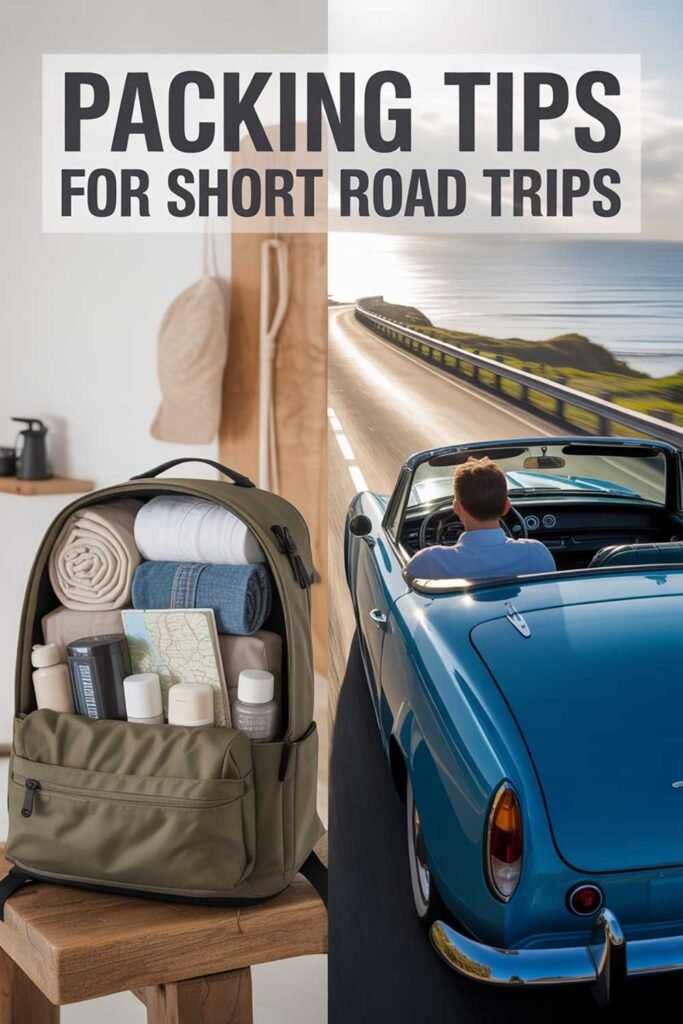
Ultimate Checklist for Weekend Travel
Pack Smart, Travel Light, and Maximize Your Short Getaway
Weekend trips represent the perfect balance—long enough to feel like you’ve escaped but short enough that you don’t need extensive planning or time off work. But the brevity that makes weekend travel appealing also makes packing tricky. Pack too much and you’re lugging unnecessary weight. Pack too little and you’re unprepared for basic needs. The key to perfect weekend travel is a refined checklist that covers genuine necessities while ruthlessly eliminating the “just in case” items that weigh you down.
Mastering weekend travel packing transforms how often you escape. When you can throw together a perfectly adequate weekend bag in twenty minutes, spontaneous trips become easy. When your weekend bag weighs fifteen pounds instead of thirty, moving through airports and train stations feels effortless. When you know exactly what you need, you eliminate the pre-trip stress that often makes short trips feel like more hassle than they’re worth. Let’s build the ultimate weekend travel checklist that makes every short trip smooth, organized, and stress-free.
Understanding Weekend Travel Needs
Weekend trips differ fundamentally from longer vacations. You’re not changing climates dramatically or experiencing extreme weather variations. You won’t run out of essential items you can’t replace. You’re traveling Friday to Sunday or Saturday to Monday—two to three days maximum. This timeframe allows aggressive minimalism that longer trips don’t.
Sarah Mitchell from Portland has perfected weekend travel after taking at least one weekend trip monthly for three years. “I used to pack like I was leaving for a week,” she recalls. “I’d bring outfit options, backup shoes, unnecessary toiletries. Now I pack exactly three outfits, one pair of shoes plus what I’m wearing, and a tiny toiletry kit. I’ve never once wished I’d brought more, but I used to constantly wish I’d brought less.”
Think about your actual activities. Most weekend trips involve casual daytime activities and perhaps one nicer dinner. You’re not attending formal events or facing wildly diverse situations. You need clothes for travel day, one full day at your destination, and travel home. That’s three outfits maximum if you repeat nothing. Most people can comfortably repeat items over just two days, reducing to two complete outfits total.
The Carry-On Only Philosophy
Weekend trips should never require checked luggage. Everything you need for two to three days fits in a carry-on bag or even a large backpack. Carry-on only travel saves time at airports, eliminates lost luggage risks, and forces smart packing decisions.
Choosing Your Weekend Bag
Your ideal weekend bag depends on your travel style and typical destinations. A 40-45 liter backpack works perfectly for adventure-oriented travelers or those using public transportation. A wheeled carry-on suits business casual travelers or those prioritizing convenience over mobility. A large weekender duffel bag splits the difference—easy to carry, fits overhead bins, and doesn’t scream “tourist.”
Whatever style you choose, ensure it meets airline carry-on size restrictions. Bags that fit under the seat in front of you provide even more flexibility—you can board any flight without worrying about overhead bin space running out. Measure your bag against airline specifications rather than trusting manufacturer claims about being “carry-on sized.”
Marcus Thompson from Denver swears by his 40-liter travel backpack for weekend trips. “It forces me to pack light because I know space is limited,” he explains. “But I can fit three days of clothing plus laptop and toiletries easily. The backpack format means I’m never rolling luggage over cobblestones or hunting for elevators. Everything I need is on my back, and my hands are free.”
Essential Clothing Strategy
Clothing represents your biggest packing category and the area where most people overpack dramatically. Strategic choices let you look great while packing minimally.
The Three-Outfit Formula
Pack one outfit for each day: travel outfit (wear this), day one outfit, day two outfit. If you’re staying three nights, pack one additional casual outfit. Each outfit means one complete set—top, bottom, underwear, socks. Don’t pack backup options or “just in case” items.
Choose versatile pieces that work for multiple situations. Dark jeans or neutral pants work for daytime and nice-casual dinners. A blazer or cardigan dresses up a basic shirt. One pair of comfortable but presentable shoes handles both walking and dining out.
Stick to a simple color palette—all pieces should work together. Navy, black, gray, and one accent color create multiple combinations from few pieces. This coordination means your three outfits can mix and match if needed, providing flexibility without extra items.
Weather-Appropriate Additions
Check weather forecasts and pack one appropriate layer. If rain is possible, bring a lightweight rain jacket or packable umbrella. If temperatures will drop at night, add a sweater or jacket. Don’t pack for every possible weather scenario—pack for the forecast plus one backup layer.
Remember you’re traveling during one weekend, not sampling all four seasons. Extreme weather preparation isn’t necessary for 48-hour trips. If unexpected weather happens, you’ll survive being slightly cold or wet for the brief time between indoor destinations.
Jennifer Rodriguez from Miami learned this lesson after overpacking for weekend trips repeatedly. “I used to bring sweaters ‘just in case’ even for summer trips to warm destinations,” she admits. “I carried extra weight for weather that never happened. Now I check the forecast, pack one appropriate layer, and trust that I can buy emergency items locally if needed—which has never actually been necessary.”
Toiletries and Personal Care
Toiletries tempt overpacking because we’re conditioned to think we need full-size versions of everything. For weekend trips, you need far less than you think.
The Minimalist Toiletry Kit
Create a permanent weekend toiletry kit that stays packed and ready. Use travel-size containers that you refill from full-size products at home. Your kit should include: toothbrush and toothpaste, deodorant, shampoo and conditioner (or 2-in-1), body wash or soap, moisturizer, and any essential medications. That’s it for basics.
Add specific items based on personal needs—contact lens supplies, makeup essentials, hair styling products—but keep it minimal. You’re not bringing your entire bathroom; you’re bringing enough for 48 hours. If you forgot something minor, hotels often provide basics, or you can survive without it for two days.
Many hotels provide shampoo, conditioner, body wash, and lotion. If you’re staying at hotels, you might eliminate these items entirely, packing only what hotels don’t provide. This ultra-minimalism isn’t for everyone, but it’s an option for those wanting to pack absolutely minimal toiletries.
The Quart Bag Reality
If flying, your liquids must fit in one quart-size bag. This TSA requirement actually helps by forcing ruthless editing. Choose multi-use products—moisturizer with SPF eliminates separate sunscreen, 2-in-1 shampoo-conditioner saves a bottle, tinted moisturizer with SPF replaces foundation and sunscreen.
Consider solid alternatives to liquids—solid shampoo bars, solid deodorant, solid lotion bars—that don’t count toward your liquid allowance. These products work well, last longer than you’d expect, and eliminate the quart bag struggle entirely.
Technology and Electronics
Technology needs for weekend trips are straightforward—don’t overthink this category.
Essential Electronics Only
Phone and charger are non-negotiable for most travelers. Add headphones for entertainment during travel. If you work remotely or need laptop access, bring your laptop plus charger. That covers 90% of travelers’ needs.
A portable power bank ensures your phone stays charged during long travel days. Choose one with enough capacity for 1-2 full charges. This eliminates hunting for outlets and anxiety about phone battery dying while navigating unfamiliar cities.
Camera enthusiasts face a choice—bring a dedicated camera or use phone cameras exclusively. Phone cameras have become remarkably good, often making dedicated cameras unnecessary for casual weekend documentation. If photography is a trip priority, bring your camera. If you’re just capturing memories, your phone probably suffices.
Cables and Adapters
Pack only cables you’ll actually use. Phone charging cable is essential. Laptop charging cable if you’re bringing a laptop. Headphone charging cable if you have wireless headphones. Don’t pack “backup” cables or cables for devices you didn’t bring.
For international weekend trips, bring one universal adapter that works in your destination. Don’t pack adapters for multiple countries if you’re only visiting one. Don’t pack voltage converters unless your devices specifically need them—most phone and laptop chargers work on any voltage automatically.
Amanda Foster from San Diego keeps a dedicated electronics pouch for weekend travel. “My pouch contains phone charger, headphone charger, portable battery, and one universal adapter,” she explains. “I grab the whole pouch when packing for weekend trips without thinking about what’s in it. Having this ready-to-go kit eliminates the ‘did I pack my charger?’ panic.”
Documents and Money Management
Getting documents wrong can ruin weekend trips. Getting them right requires minimal effort.
Essential Documents
For domestic weekend trips, you need ID (driver’s license or passport), payment methods (credit card and some cash), and any loyalty program cards for hotels or airlines you’re using. Insurance cards if you might need medical care. That’s the complete list.
For international weekend trips, add passport, any necessary visas, travel insurance documentation, and copies of important documents stored separately from originals. Keep digital copies of passport and important documents in email or cloud storage as backup.
Create a travel wallet or pouch specifically for weekend trips that stays packed with copies of documents, a backup credit card, and some emergency cash. When packing for trips, you just grab this wallet knowing everything important is there.
Money Matters
Notify your bank and credit card companies about travel plans to prevent fraud blocks. Bring at least two payment methods in case one doesn’t work. Have some cash in local currency for destinations where cards aren’t universally accepted, though most places now accept cards for everything.
For international trips, understand fee structures. Some credit cards charge foreign transaction fees; others don’t. Using ATMs abroad typically provides better exchange rates than airport currency exchange. Know your bank’s ATM fees for international withdrawals.
Comfort and Convenience Items
A few small comfort items make travel significantly more pleasant without adding much weight.
In-Flight and In-Transit Essentials
Reusable water bottle stays empty through security then fills up before boarding. Staying hydrated during travel improves how you feel upon arrival. Snacks prevent overpriced airport food purchases and keep energy up during travel.
A light scarf or pashmina serves multiple purposes—warmth on cold flights, sun protection, modest cover in religious sites, even emergency towel or blanket. This versatile item weighs almost nothing but provides disproportionate utility.
Eye mask and earplugs improve sleep during travel or in unfamiliar accommodations. These tiny items take minimal space but significantly impact rest quality. Many travelers find these essential for weekend trips where maximizing limited time means arriving ready to explore despite early flights.
Entertainment
Phone provides most entertainment needs—download podcasts, music, ebooks, or videos for offline access before traveling. If you prefer physical books, bring one paperback or use an e-reader. Don’t pack multiple entertainment options; you won’t have time to use them all on a weekend trip.
Many travelers overpack entertainment, bringing books they never read, tablets they never use, and games they never play. For weekend trips, trust that your phone provides adequate entertainment for a few hours of travel time.
Health and Safety Basics
Small health and safety items provide peace of mind without consuming much space.
Basic First Aid
A tiny first aid kit contains the basics: pain reliever, antihistamine, anti-diarrheal, bandages, and any prescription medications. This fits in a bag smaller than your fist but covers most minor health issues that might arise during weekend trips.
Keep medications in original bottles when possible, particularly prescriptions. This avoids confusion and potential legal issues. For over-the-counter medications, transfer pills to small containers or pill organizers to save space.
Sunscreen matters for outdoor-oriented weekend trips. Choose a small tube rather than full-size bottles. If staying at nice hotels, they often provide sunscreen, though you shouldn’t count on it for critical sun protection.
Safety Considerations
Make copies of important documents and give them to someone at home or store them in cloud storage. Share your itinerary with a trusted person so someone knows where you’re supposed to be. These precautions take minutes but provide significant safety nets.
Keep emergency contact information saved in your phone and written down in your bag. In emergencies, you might not have phone access, making written information valuable. Include contacts for credit card companies, insurance, and personal emergency contacts.
The Pre-Packed Weekend Bag Strategy
The ultimate weekend travel hack is maintaining a pre-packed bag with items that never leave the bag.
What Stays Packed
Toiletry kit with travel-size items, phone charger and cables, portable battery, universal adapter, first aid kit, eye mask and earplugs, and copies of important documents. These items stay in your weekend bag permanently, always ready for the next trip.
When packing for a trip, you add only clothing, laptop if needed, and current reading material. Everything else is already packed. This system transforms weekend packing from 90-minute ordeal into 20-minute task.
Emily Watson from Chicago maintains a pre-packed weekend system. “My toiletries, electronics, and basics stay in a packing cube that never leaves my weekend bag,” she shares. “When I’m packing for a trip, I just add clothes and I’m done. This system has saved me hours and eliminated the stress of forgetting important items.”
The Night-Before Pack
Pack the night before travel, not the morning of. Morning-of packing leads to forgotten items and rushed decisions. Evening packing allows clear thinking and time to remember forgotten items before it’s too late.
Lay out clothes you plan to wear for travel and pack the rest. This visual check ensures you’re not packing clothes you intend to wear, a surprisingly common mistake when rushing.
Destination-Specific Additions
Certain weekend trips require specific items beyond the standard checklist.
Beach Weekends
Add swimsuit, beach towel (or skip it and use hotel towels), sunscreen, sunglasses, and flip-flops. Everything else on your standard checklist remains the same. Don’t pack excessive beach gear—most beach destinations offer equipment rental for activities.
City Exploration Weekends
Comfortable walking shoes become non-negotiable. Small daypack for carrying water, snacks, and purchases while exploring. Portable phone charger since you’ll use your phone heavily for navigation and photos. Everything else follows standard checklist.
Adventure Weekends
Hiking boots or appropriate footwear, layers for variable mountain weather, daypack for activities, and basic first aid kit become more important. Research specific activity requirements—some activities need specialized gear you’ll rent locally rather than pack.
What Not to Pack
Learning what to leave home is as important as knowing what to bring.
Common Overpacking Mistakes
Skip backup outfits—you won’t need them. Skip excessive shoes—one pair plus what you’re wearing handles weekend trips. Skip full-size toiletries—travel sizes suffice. Skip “nice” outfit for hypothetical fancy dinner—you probably won’t attend fancy dinners on weekend trips.
Don’t pack for activities you might do. Pack for activities you definitely will do. That yoga mat for potential morning yoga? Leave it home. Those dress shoes for a nice dinner that might happen? Skip them. That fancy camera you think you’ll use? If you haven’t used it on recent trips, you won’t use it this time either.
Rachel Martinez from Boston analyzes her packing after every trip. “I photograph everything in my bag before leaving, then note what I actually used,” she explains. “Items I never touch get eliminated from future packing lists. Over time, my weekend bag has gotten lighter while my satisfaction has increased because I’m not lugging unnecessary weight.”
20 Powerful and Uplifting Quotes About Weekend Travel
- “The best weekend trips aren’t the ones where you packed perfectly—they’re the ones where you didn’t let packing stop you from going.”
- “Weekend travel teaches you that you need far less than you think to have a great adventure.”
- “Every item you leave home is one less thing to carry, lose, or worry about—minimalism is freedom in weekend travel.”
- “The traveler who can pack a weekend bag in twenty minutes takes twice as many trips as the one who agonizes for hours.”
- “Weekend travel isn’t about having everything—it’s about having exactly what you need and nothing you don’t.”
- “The ultimate luxury in weekend travel isn’t a perfectly packed bag—it’s a bag light enough that you forget you’re carrying it.”
- “Short trips don’t require perfect packing—they require good enough packing plus willingness to improvise.”
- “Every weekend trip makes you better at packing, deciding what matters, and traveling light through life.”
- “The confidence to travel with just a carry-on for an entire weekend proves you understand the difference between needs and wants.”
- “Weekend travel checklist mastery means spontaneous trips become easy instead of stressful packing marathons.”
- “You’ll never regret packing too light for a weekend trip, but you’ll often regret packing too much.”
- “The most efficient weekend travelers have learned one truth: you can buy almost anything you forgot locally.”
- “Perfect weekend packing isn’t bringing everything you might need—it’s bringing what you’ll definitely use and trusting yourself to handle the rest.”
- “Every weekend trip you take with minimal luggage builds your confidence for longer, more ambitious travels.”
- “The secret to frequent weekend travel isn’t having more time or money—it’s eliminating packing friction that makes trips feel like work.”
- “A well-maintained weekend bag that’s always ready encourages spontaneous adventures you’d skip if packing required hours.”
- “Weekend travel teaches you that comfort comes from being unburdened by possessions, not from carrying backup options for everything.”
- “The best weekend travel checklist is the one you’ve refined through experience until it feels effortless.”
- “Short trip packing proves that traveling light isn’t sacrifice—it’s strategy that makes every aspect of travel easier.”
- “Master weekend travel packing and you’ve learned skills that make all travel smoother, lighter, and more enjoyable.”
Picture This
Imagine it’s Thursday evening, and you suddenly have a free weekend. Your friend mentions a beach town three hours away with great weather forecasted. Instead of the usual “I’d love to but I don’t have time to pack,” you say yes immediately.
You pull out your weekend bag—already containing toiletries, chargers, a first aid kit, and all your basics. You add two casual outfits, a swimsuit, and sunglasses. Fifteen minutes after deciding to go, you’re packed and ready. Your bag weighs twelve pounds and fits easily in your car’s trunk.
The weekend is effortless. You have exactly what you need—nothing more, nothing less. You’re not lugging heavy bags up hotel stairs or digging through excess clothing to find what you want to wear. When you check out Sunday, repacking takes three minutes because you brought so little and everything has a place.
On the drive home, you reflect that the trip was spontaneous, stress-free, and exactly what you needed. The ease of packing made the trip possible—if it had required hours of agonizing over what to bring, you probably would have declined and missed this perfect weekend. Your refined packing system didn’t just make the trip easier; it made the trip happen at all.
Share This Article
Do you know someone who wants to travel more on weekends but gets overwhelmed by packing? Share this article with them! Post it on Facebook to help friends master weekend travel packing. Pin it to your Pinterest travel board so you can reference this checklist before your next short trip. Email it to anyone who could benefit from a proven system for packing efficiently.
When we share practical packing strategies, we help people travel more often by eliminating the friction that makes trips feel like major undertakings. Let’s spread the word that weekend travel can be spontaneous and easy when you have the right systems in place!
Disclaimer
This article is provided for informational purposes only and is based on general knowledge about weekend travel packing. Individual needs vary significantly based on destination, activities, personal preferences, health requirements, and comfort levels. This checklist provides general guidance but may not cover all items necessary for your specific situation.
Climate, activities, and destination infrastructure affect what you need to pack. Research your specific destination and planned activities to ensure you pack appropriately. Weekend trips to cities differ from beach weekends, which differ from mountain getaways or cold-weather destinations.
Medication needs, medical supplies, and health-related items vary by individual. Consult with healthcare providers about necessary items for your specific health situation. The basic first aid suggestions are minimal and may not address your particular health needs.
Airline regulations about carry-on luggage, liquids, and prohibited items change frequently and vary by airline and route. Verify current regulations with your specific airline before traveling. We are not responsible for any issues with airline compliance or security screening.
International travel may require additional documents, vaccinations, visas, or preparation beyond what’s mentioned in this general domestic-focused checklist. Research your specific destination’s requirements thoroughly before traveling internationally.
Technology needs vary by individual. Some people require more devices, chargers, or accessories than mentioned. Others need less. Adapt the technology section to your actual needs rather than following it literally.
We are not responsible for forgotten items, inadequate packing, or problems arising from following this checklist. This is general guidance based on typical weekend travel needs. You are responsible for ensuring you pack appropriately for your specific trip, destination, and requirements.
Items mentioned are examples and suggestions only. We are not affiliated with any product manufacturers or retailers. Evaluate products independently and choose based on your specific needs and preferences.
The carry-on only philosophy works well for many weekend travelers but may not suit everyone. Some people prefer checked luggage, require more items due to medical needs or specific activities, or have other reasons for packing more than mentioned here. Choose the approach that works for your situation.