The Complete Carry-On Only Packing Guide for Any Trip Length
The moment you watch fellow travelers standing at baggage claim while you walk straight to the exit with your carry-on changes everything about how you view packing. No waiting, no lost luggage anxiety, no checked bag fees, no hauling heavy suitcases through cobblestone streets or up narrow hostel stairs. Carry-on only travel represents freedom – the freedom to move quickly, travel lighter, and focus on experiences rather than managing belongings.
But packing carry-on only for a weekend is one thing. Doing it for two weeks, a month, or even longer trips seems impossible to many travelers. How can everything you need possibly fit in one small bag? The secret lies not in magic compression or extreme minimalism but in strategic thinking, versatile choices, and understanding what you actually need versus what you think you need. This complete guide teaches you exactly how to pack carry-on only for any trip length – from weekend getaways to month-long adventures.
Why Carry-On Only Travel Changes Everything
Before diving into packing strategies, understanding the benefits motivates the mindset shift required.
Speed through airports becomes your new normal. Skip check-in lines, skip baggage claim, and move through airports in half the time. For connections, carry-on only means making tight layovers stress-free.
Lost luggage becomes impossible when your bag never leaves your possession. No more arriving at your destination without clothes or waiting days for misrouted bags.
Checked bag fees disappear, saving fifty to one hundred dollars or more per round trip on many airlines. That money funds experiences instead of airline profits.
Mobility increases dramatically. Rolling through train stations, walking to accommodations, climbing stairs to apartments – everything becomes easier with less stuff.
Decision fatigue reduces when you have fewer outfit options. Paradoxically, limited choices often increase satisfaction with what you wear.
Spontaneity becomes possible. Last-minute flight changes, unplanned destinations, and flexible itineraries all work better when you’re traveling light.
Environmental impact decreases with lighter planes using less fuel. Your small contribution multiplies across millions of travelers.
Mental lightness accompanies physical lightness. Less stuff means less to manage, track, organize, and worry about.
Understanding Carry-On Size Limits
Before packing, know exactly what bag dimensions you’re working with.
Standard carry-on dimensions for most airlines are approximately 22 x 14 x 9 inches (56 x 36 x 23 cm) including handles and wheels. This provides roughly 45 liters of packing space.
Budget airlines often enforce smaller limits. Ryanair, Spirit, Frontier, and others may restrict carry-on size significantly or charge for standard carry-on bags.
Personal item allowances vary but typically allow a bag around 18 x 14 x 8 inches fitting under the seat in front of you. This additional space supplements your carry-on.
Weigh your packed bag before travel. Some airlines enforce weight limits of 15-22 pounds for carry-on bags, particularly on international carriers.
Research your specific airlines before packing. Restrictions vary significantly, and bags that work on one airline might not fit another’s requirements.
Consider a bag without wheels if maximizing space matters. Wheels and handles consume valuable interior volume. Backpacks and duffels offer more usable space in the same exterior dimensions.
The Capsule Wardrobe Approach
Packing carry-on only requires rethinking how you approach clothing through capsule wardrobe principles.
Choose a color palette of two to three coordinating colors. Every clothing item should work with every other item, multiplying outfit options from limited pieces.
Neutral base colors like black, navy, gray, or khaki form the foundation. Add one or two accent colors that coordinate with your neutrals.
Every top should work with every bottom. Test combinations at home before packing. If a piece only works with one other item, leave it home.
Prioritize versatility over specialization. A dress that works for beach days and nice dinners beats separate beach and dinner outfits.
Choose wrinkle-resistant fabrics that look good without ironing. Merino wool, synthetic blends, and knits travel better than cotton or linen.
Layer strategically instead of packing heavy individual pieces. Three light layers provide more flexibility than one heavy jacket.
Quality over quantity becomes essential. Fewer, better pieces look nicer and last longer than many cheap items.
The Core Clothing Formula for Any Trip
This formula works for trips from one week to one month with minor adjustments.
Tops (5-7 pieces)
- 2-3 short-sleeve shirts or blouses (neutral colors, versatile styles)
- 1-2 long-sleeve shirts or light layers
- 1 nice top for dinners or events (can double as daily wear)
- 1 light sweater or cardigan
Bottoms (3-4 pieces)
- 1 pair versatile pants (dark color, comfortable, appropriate for walking and dinners)
- 1 pair shorts or skirt
- 1 pair jeans or casual pants (optional, can wear on plane)
- 1 dress or jumpsuit (optional but adds versatility with minimal bulk)
Outerwear (1-2 pieces)
- 1 packable rain jacket (essential, always pack this)
- 1 light jacket or blazer (optional depending on destination)
Footwear (2-3 pairs maximum)
- 1 comfortable walking shoe (wear on plane, use for daily exploring)
- 1 sandal or flip-flop (warm destinations, also for showers)
- 1 dressier option (optional, only if truly needed)
Underwear and Sleepwear
- 4-5 pairs underwear (wash as needed)
- 3-4 pairs socks
- 2 bras for women (1 regular, 1 sports or comfortable option)
- 1 sleepwear set or comfortable clothes that double for sleeping
Accessories
- 1 hat or cap for sun protection
- 1 scarf or bandana (adds warmth, style, and versatility)
- Minimal jewelry that coordinates with everything
- Sunglasses
Adjusting for Trip Length
The core formula works for most trips with these adjustments.
Weekend trips (2-4 days) can reduce to 3 tops, 2 bottoms, and minimal accessories. You likely won’t need to do laundry.
One-week trips use the full core formula without modification. One mid-trip laundry session keeps everything fresh.
Two-week trips require no additional clothing – just plan for laundry once or twice. Your clothes don’t know how long your trip lasts.
Month-long trips still don’t require more clothing. Simply do laundry weekly like you would at home. Pack a small amount of travel laundry detergent.
The revelation most new carry-on travelers discover: trip length doesn’t significantly change clothing needs. You wear the same number of outfits per week regardless of total trip duration.
Toiletries and the 3-1-1 Rule
Toiletries often consume unnecessary space. Smart packing minimizes this category.
The TSA 3-1-1 rule allows containers of 3.4 ounces (100ml) or less, all fitting in one quart-sized clear plastic bag, one bag per passenger.
Decant products into reusable travel containers rather than buying travel sizes. This saves money and ensures you have products you actually like.
Solid alternatives eliminate liquid restrictions entirely. Solid shampoo bars, conditioner bars, solid lotion, and solid deodorant don’t count toward your liquid allowance.
Multi-use products reduce quantity needed. Coconut oil works as moisturizer, hair treatment, and makeup remover. Dr. Bronner’s soap works for body, hair, and laundry.
Buy basics at your destination when possible. Toothpaste, sunscreen, and basic toiletries are available nearly everywhere. Why pack heavy items you can easily purchase?
Essential Toiletries List
- Toothbrush and small toothpaste
- Deodorant
- Face cleanser and moisturizer
- Shampoo and conditioner (solid or small bottles)
- Razor
- Sunscreen
- Lip balm with SPF
- Medications and prescriptions
- Small first aid items (bandages, pain reliever, etc.)
- Makeup (minimal, multipurpose items only)
- Feminine products if needed
Electronics and Tech Gear
Modern travel often requires electronics but these can consume significant space and weight.
Smartphone replaces many separate devices – camera, GPS, guidebook, translator, entertainment, alarm clock, flashlight. Maximize phone use to minimize other electronics.
Universal adapter covers all destinations in one small device. Choose adapters with USB ports to charge multiple devices from one outlet.
Portable battery bank keeps devices charged during long travel days. Choose capacity based on trip length and device needs.
Laptop or tablet is optional depending on trip purpose. For leisure travel, phone often suffices. For work travel, choose the lightest option that meets your needs.
E-reader saves significant weight and space compared to physical books while providing unlimited reading material.
Headphones for flights and entertainment – wireless earbuds pack smallest.
Essential Tech List
- Smartphone and charger
- Universal power adapter
- Portable battery bank
- Headphones or earbuds
- E-reader (optional)
- Laptop/tablet if needed for work
- Camera if phone isn’t sufficient (optional)
Packing Techniques That Maximize Space
How you pack matters as much as what you pack.
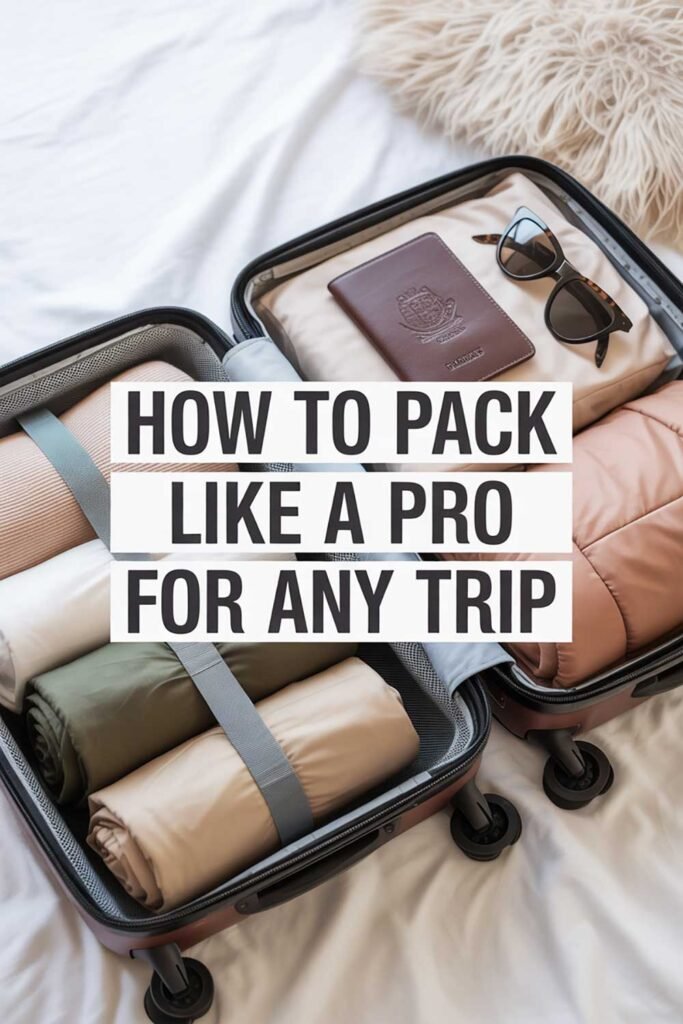
Rolling clothes instead of folding minimizes wrinkles and often saves space. Roll tightly from bottom to top.
Packing cubes organize and compress clothing. They keep your bag organized throughout your trip and make finding items easy.
Bundle wrapping involves wrapping clothes around a central core, minimizing wrinkles for dressier items.
Fill dead space inside shoes with socks, underwear, or small items. Shoes have rigid shapes that waste space if left empty.
Wear bulkiest items on the plane. Heavy shoes, jacket, and layered clothing don’t count as packed items when worn.
Compression bags can reduce soft items’ volume but don’t reduce weight. Useful for bulky items like puffy jackets.
Place heavy items near the back of the bag (closest to your body when carrying) for better weight distribution.
Building Your Carry-On Packing List
This comprehensive list covers most trips with adjustments for specific destinations and activities.
Clothing
- 5-7 tops (mix of short and long sleeve)
- 3-4 bottoms (pants, shorts, skirt)
- 1 dress or versatile outfit (optional)
- 1 rain jacket
- 1 light layer (sweater, cardigan, fleece)
- 4-5 underwear
- 3-4 pairs socks
- 2 bras (women)
- 1 sleepwear
- 1 swimsuit (if needed)
- 2-3 pairs shoes (wear one, pack one or two)
Toiletries
- Toothbrush and toothpaste
- Deodorant
- Face products
- Hair products (solid preferred)
- Razor
- Sunscreen and lip balm
- Medications
- Minimal makeup
- Small first aid kit
Electronics
- Phone and charger
- Universal adapter
- Battery bank
- Headphones
- E-reader or entertainment
- Camera if needed
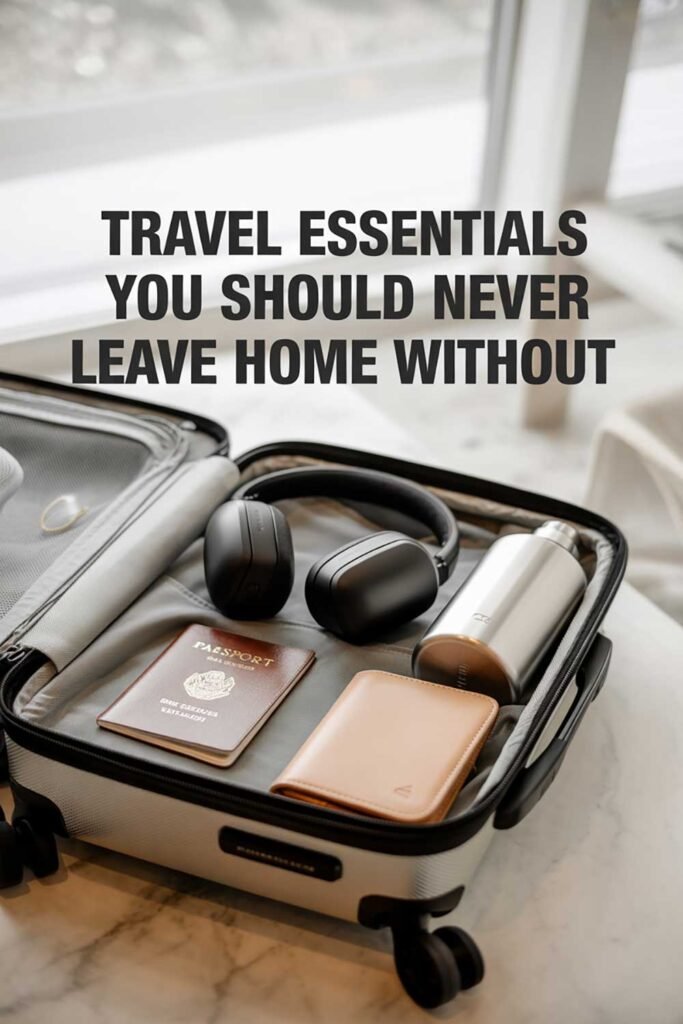
Travel Essentials
- Passport and travel documents
- Wallet with cards and some cash
- Copies of important documents (digital and paper)
- Pen for customs forms
- Travel pillow (optional)
- Reusable water bottle (empty through security)
- Small daypack or packable bag for daily use
- Laundry supplies (small detergent, sink stopper)
- Packing cubes
- Clear toiletry bag for liquids
Special Considerations for Different Trips
Different destinations and purposes require adjustments to the core approach.
Business travel requires more formal clothing. Pack versatile business casual pieces that mix and match. Wrinkle-resistant fabrics become essential.
Beach vacations need swimwear and cover-ups but can reduce other clothing since casual dress is standard.
Cold weather destinations require layering strategy. Base layers, mid-layers, and outer shell can handle most cold weather without heavy individual pieces.
Active adventures need activity-specific gear that may not work for other purposes. Prioritize quick-dry, versatile athletic wear.
Formal events like weddings require specific outfits that may not work for daily wear. This is one exception where additional items may be necessary.
Multi-climate trips require layering versatility. Pack pieces that work across temperature ranges rather than climate-specific items.
Laundry Strategies for Longer Trips
Laundry makes carry-on packing possible for any trip length.
Sink washing handles small loads easily. Pack travel detergent sheets or small liquid soap. Wash underwear, socks, and light tops in your sink.
Hotel laundry services work for larger loads when you want convenience. This costs more but saves time and effort.
Laundromats exist worldwide and provide cost-effective full washing. Build laundry time into your itinerary every week or so.
Quick-dry fabrics make sink washing practical. Items dry overnight when hung properly. Merino wool and synthetic athletic fabrics dry fastest.
Rotate wearing to minimize laundry needs. You don’t need to wash items after every wear unless visibly dirty or sweaty.
Pack a small microfiber towel for wringing excess water from hand-washed items, speeding drying significantly.
Common Carry-On Mistakes to Avoid
Learning from others’ errors prevents packing frustration.
Packing “just in case” items adds weight without adding value. If you might need something, you probably won’t. Leave it home.
Bringing too many shoes is the most common overpacking mistake. Shoes are heavy and bulky. Three pairs maximum, two is ideal.
Packing full-size toiletries wastes space and may violate regulations. Decant into travel sizes or buy at destination.
Choosing specialty items over versatile pieces limits outfit options. That statement piece only works with one outfit isn’t worth the space.
Forgetting to weigh your bag before travel risks gate-check fees or repacking stress at the airport.
Not testing your packing before trip day causes surprises. Do a complete pack at home days before leaving.
Bringing items available everywhere wastes precious space. You can buy phone chargers, toiletries, and basic clothing almost anywhere.
Real-Life Carry-On Success Stories
Sarah traveled for three months through Europe with only a 40-liter backpack. She did laundry weekly, wore the same six outfits repeatedly, and never once wished she’d packed more. She says the freedom of easy movement and no luggage stress made her trip infinitely better.
Marcus flies weekly for business with only a carry-on. He owns duplicates of toiletries and keeps one set always packed. His streamlined system means fifteen-minute packing and never waiting at baggage claim.
The Kim family of four traveled to Japan for two weeks with carry-on bags only – including for their two kids. They say the constraint forced thoughtful packing and their children learned valuable lessons about needing less.
Jennifer initially resisted carry-on packing, convinced she needed options. After her first successful carry-on trip, she never checked a bag again. She says she doesn’t miss the extra clothes and loves the simplicity.
These travelers discovered that carry-on constraints actually improve travel rather than limiting it.
Building Your Carry-On Mindset
Beyond specific items, successful carry-on travel requires mental shifts.
Embrace repetition. You’ll wear the same outfits multiple times. Nobody notices or cares, and outfit photos still look great.
Trust availability at your destination. Almost anything you forget or need can be purchased. This isn’t wilderness survival.
Focus on experiences over appearances. You’re traveling to see places and do things, not to have extensive wardrobe options.
Accept imperfection. You might wish you had that third pair of shoes or extra outfit occasionally. The trade-off in convenience is worth it.
Question every item. Before adding anything, ask if you’d pay twenty dollars to have it with you. If not, leave it.
Remember that locals live with limited wardrobes. They dress from small closets and look fine. You can too for a few weeks.
20 Powerful and Uplifting Quotes About Carry-On Travel
- “The freedom of walking past baggage claim while others wait transforms how you experience every airport forever.”
- “Carry-on packing teaches you that you need far less than you think, a lesson that extends well beyond travel.”
- “Every item you leave home creates space for experiences, spontaneity, and the lightness that makes travel joyful.”
- “The traveler who masters carry-on packing masters a skill that saves time, money, and stress on every future trip.”
- “Your carry-on contains everything you need because you’ve learned to distinguish need from want.”
- “Packing light isn’t deprivation – it’s liberation from the burden of managing excessive belongings.”
- “The same outfits worn confidently in different cities create memories, not fashion problems.”
- “Carry-on travelers move through the world with ease that checked-bag travelers never experience.”
- “Trip length doesn’t determine packing volume when you understand that laundry exists everywhere.”
- “The constraint of limited space forces creative solutions that make you a better, more thoughtful packer.”
- “Every successful carry-on trip builds confidence that you can handle even longer journeys with less.”
- “The weight you don’t carry on your back becomes lightness you feel in your spirit.”
- “Capsule wardrobes prove that style comes from how you wear clothes, not how many you own.”
- “The best travel memories never include wishing you’d packed more stuff.”
- “Carry-on packing mastery transfers to life – you learn to prioritize what truly matters.”
- “Your future self will thank present you for packing light when you’re running to catch a connection.”
- “The money saved on baggage fees funds meals, experiences, and memories that matter more than extra outfits.”
- “Simplicity in packing creates simplicity in travel, and simplicity in travel creates joy.”
- “One bag means one thing to track, carry, and manage – and that simplicity compounds throughout your trip.”
- “The carry-on traveler arrives ready to explore while others wait, stressed, at the baggage carousel.”
Picture This
Imagine yourself at the airport for your two-week trip to Italy. You check in at a kiosk, select your seat, and walk directly to security – no baggage drop line, no waiting, no stress about whether your checked bag will arrive.
Through security in fifteen minutes, you stroll to your gate with your perfectly packed carry-on rolling behind you. It weighs just eighteen pounds and contains everything you need for fourteen days across four Italian cities.
The flight boards and you walk on, stow your bag in the overhead bin, and settle into your seat. No anxiety about lost luggage, no wondering if your bag made the connection.
Landing in Rome, you watch other passengers shuffle toward baggage claim while you stride directly to the exit. Forty-five minutes after touchdown, you’re in a taxi heading to your hotel while others still wait for bags to appear on the carousel.
At your hotel, you unpack in minutes. Your packing cubes slide into drawers, toiletries line up in the bathroom, and you’re ready to explore. The efficiency feels wonderful.
Over two weeks, you move between Rome, Florence, Cinque Terre, and Venice. Each transit is simple – no wrestling heavy bags through train stations, no worrying about storage, no checked baggage complications on the regional flights.
You wear the same seven outfits in rotation. You look great in your photos. Not once does anyone comment on outfit repetition. You do one load of laundry mid-trip at a Florence laundromat, enjoying espresso at the café next door while your clothes wash.
The final day arrives and packing takes ten minutes. Everything fits easily, just like when you left home. Gifts and souvenirs slide into the spaces where toiletries you’ve used up once sat.
At the Rome airport, you breeze through check-in again. No bag fees, no line. The flight home includes a tight connection in Frankfurt, but you’re not worried. With only carry-on, forty-five minutes is plenty to change terminals and reach your gate.
You land at home and walk directly to your car. While other passengers from your flight will wait another thirty minutes for bags, you’re already driving home.
That evening, unpacking takes five minutes. Everything goes back to its place, ready for your next adventure.
You think about the trip – incredible food, stunning art, beautiful coastlines, memorable experiences. Not once did you wish you’d packed more. Not once did luggage cause stress or delay. The constraint of carry-on only didn’t limit your trip; it enhanced it.
This is what carry-on mastery provides: freedom, simplicity, and the confidence that you can travel anywhere, for any length of time, with just one bag. Once you experience it, you’ll never go back to checked luggage.
Share This Article
Ready to transform your travel with carry-on only packing? Share this article with frequent travelers, vacation planners, or anyone tired of baggage fees and lost luggage anxiety! Whether you’re planning a weekend getaway or a month-long adventure, this complete guide proves that one bag is all you need. Share it on Facebook, Instagram, Twitter, Pinterest, or send it directly to your travel companions. Help spread the word that carry-on only travel creates freedom, saves money, and eliminates the stress of checked baggage. Your share might help someone discover the life-changing simplicity of traveling light!
Disclaimer
This article is provided for informational and educational purposes only and is based on personal experiences, research, and general packing practices. The information contained in this article is not intended to be professional travel planning advice or comprehensive airline policy guidance.
Airline carry-on policies, size restrictions, and weight limits vary significantly by carrier and change frequently. What is allowed on one airline may not be permitted on another. Always verify current policies with your specific airlines before traveling.
The author and publisher of this article are not responsible for any airline fees, gate-check requirements, denied boarding, or problems that may occur related to carry-on baggage. Travelers assume all responsibility for understanding and complying with airline policies.
TSA and international security regulations regarding liquids, electronics, and prohibited items change periodically. Research current regulations before packing and be prepared to adapt to security requirements.
Packing recommendations are general guidelines that may not suit all travelers, destinations, or trip purposes. Individual needs vary based on activities, climate, personal preferences, medical requirements, and other factors.
Some destinations, activities, or occasions may require items that don’t fit easily in carry-on luggage. Assess your specific trip requirements honestly and adjust accordingly.
Laundry availability, costs, and convenience vary by destination. Research laundry options for your specific accommodations and destinations before relying on washing clothes during your trip.
Purchasing items at destinations assumes availability that may not exist in all locations. Research what’s available at your destination before deciding to buy rather than pack specific items.
Travel insurance, valuable item coverage, and airline liability for carry-on items vary by policy and carrier. Understand your coverage before traveling with valuable items in carry-on luggage.
This article does not endorse specific bags, packing products, or brands. Mentions are for illustrative purposes only and should not be considered recommendations or guarantees of quality.
By using the information in this article, you acknowledge that you do so at your own risk and release the author and publisher from any liability related to your packing decisions, airline interactions, and travel experiences.