The Best Underseat Bags for Maximum Storage
How to Choose a Personal Item Bag That Fits Under the Seat and Still Carries Everything You Need
Introduction: The Most Underrated Piece of Luggage You Own
Every airline lets you bring a personal item. It is the bag that goes under the seat in front of you — free of charge, no questions asked, no gate agent measuring it with a sizer, no risk of being forced to check it at the last minute. On budget airlines where carry-on bags cost extra, the personal item is often the only bag you can bring for free. On full-service airlines, it is the bonus bag that supplements your overhead bin carry-on.
And yet most travelers treat their personal item as an afterthought. They grab whatever bag happens to be lying around — a floppy tote, a bulky backpack, a laptop bag designed for a commute, not a flight — and stuff it under the seat without thinking about whether it is actually the right shape, the right size, or the right design for the space it needs to occupy.
This is a missed opportunity. Because the space under an airplane seat is not just a place to dump a bag. It is real estate. Valuable, limited, precisely measured real estate that, when used strategically, can carry a surprising amount of gear — a laptop, a change of clothes, toiletries, snacks, a water bottle, chargers, headphones, a book, and more. The difference between a poorly chosen underseat bag that wastes half the available space and a well-designed one that maximizes every cubic inch can be the difference between needing a carry-on and not needing one at all.
This article is going to help you choose the right underseat bag. We are going to explain the dimensions and constraints you are working with, break down the features that matter most, explore the different styles of underseat bags available, and share real stories from travelers who have mastered the art of underseat packing. Whether you are a budget airline flyer trying to avoid bag fees, a business traveler who wants essentials at your feet, or a minimalist who wants to see how far a single bag can take you, this guide will help you find the bag that turns the space under your seat into the most efficient storage compartment on the plane.
Understanding the Space You Are Working With
Before you can choose the right underseat bag, you need to understand the space it needs to fit into. The area under an airplane seat is not a uniform, standardized space — it varies by airline, aircraft type, seat class, and even row position. But there are general dimensions that most underseat bags are designed around.
Typical Underseat Dimensions
Most airlines define their personal item size limits at approximately 18 inches long by 14 inches wide by 8 inches tall, though the exact numbers vary. Some airlines specify 17 by 13 by 8. Others allow up to 18 by 14 by 9. Budget airlines like Spirit and Frontier tend to enforce smaller limits — roughly 18 by 14 by 8 — more strictly than full-service carriers.
The actual physical space under a standard economy seat is typically a bit larger than the published limits, but it is constrained by the seat frame, the metal support bars, and the seatback storage pocket hardware. The usable space is roughly rectangular but not perfectly so — the seat frame creates slight obstructions at the top and sides that can interfere with bags that are too tall or too rigid.
The Variables That Affect Your Space
Several factors affect how much space you actually have under the seat in front of you. Bulkhead rows and exit rows often have no underseat storage at all — your personal item must go in the overhead bin during takeoff and landing. Window seats sometimes have slightly less usable width due to the curvature of the fuselage. Seats near the front of the cabin sometimes have more legroom, which gives your bag more depth to work with. And different aircraft types have different seat frame designs, which changes the exact shape and size of the underseat opening.
The practical takeaway is this — a bag designed to maximize underseat storage should be as close to the published personal item dimensions as possible without exceeding them, and it should be soft-sided or semi-structured to allow some flexibility when fitting into spaces that are not perfectly rectangular.
What Makes a Great Underseat Bag
Not all bags that fit under a seat are created equal. The best underseat bags share a set of design features that distinguish them from generic bags that happen to be the right size.
Maximized Internal Volume
The primary goal of an underseat bag is to carry the most stuff possible within the dimensional constraints. This means the bag’s internal volume should be as close as possible to the theoretical maximum for its external dimensions. Bags with thick, heavily padded walls, excessive internal structure, or poor design that creates dead space are wasting cubic inches you cannot afford to lose in a space this small.
The best underseat bags use thin but durable fabrics, minimize unnecessary internal padding (while still protecting electronics), and design their interiors to be as open and usable as possible. Every fraction of an inch matters in a bag this size.
Smart Organization Without Bulk
Organization is critical in an underseat bag because rummaging through a tightly packed bag in the cramped space of an economy seat is frustrating and disruptive. But organization features — pockets, dividers, sleeves — take up space. The best underseat bags strike a balance between enough organization to keep items accessible and not so much that the organizational features themselves eat into the bag’s capacity.
A padded laptop or tablet sleeve that lies flat against the back panel. A front pocket with simple organization for small items like earbuds, chargers, and pens. An interior pocket or two for separating items. These are the features that add genuine utility. Excessive zippered compartments, rigid dividers, and overbuilt organizer panels are features that sound good in a product description but reduce the usable volume of a bag that cannot afford to lose any.
Easy Access While Seated
You will be accessing this bag while seated with limited space to maneuver. The best underseat bags have openings that allow you to reach items without pulling the entire bag out from under the seat. A top-opening design or a wide front-panel zip that opens the bag’s main compartment while it remains partially under the seat is ideal. Bags that only open from the top and require full extraction to access anything inside are less practical in the tight confines of an economy row.
A Flat, Stable Bottom
An underseat bag needs to sit flat and stable in the space under the seat without tipping, rolling, or collapsing. Bags with reinforced, flat bottoms maintain their shape and stay put. Bags with rounded, unstructured bottoms tend to tip over, slide around, and settle into awkward positions that waste space and make access difficult.
Comfortable Carrying
You will carry this bag through the airport, down the jet bridge, and possibly for extended periods if it is your only bag. Comfortable, padded shoulder straps (for backpack-style bags) or a well-designed handle system (for tote or duffel-style bags) make a significant difference in the carrying experience, especially when the bag is fully loaded.
The Main Styles of Underseat Bags
Underseat bags come in several distinct styles, each with its own strengths and trade-offs. Understanding the styles helps you choose the one that matches your travel needs and personal preferences.
The Underseat Backpack
Backpack-style underseat bags are the most popular option for travelers who want hands-free carrying and maximum organization. They typically feature a clamshell or top-loading main compartment, a padded laptop or tablet sleeve, multiple exterior pockets, and padded shoulder straps that tuck away when the bag is stowed under the seat.
The backpack style excels at distributing weight across your shoulders for comfortable carrying and at providing organized, accessible storage for electronics, documents, and travel essentials. The main trade-off is that backpack-style bags sometimes have slightly less raw internal volume than simpler tote or duffel designs because the shoulder strap hardware, back panel padding, and structural elements consume some space.
The Underseat Tote
Tote-style underseat bags prioritize simplicity and interior volume. They are essentially soft, rectangular bags with carry handles and a shoulder strap, designed to maximize the amount of stuff you can fit inside with minimal structural overhead. Totes typically offer the largest raw packing volume of any underseat bag style because their simple construction wastes very little space on straps, padding, or organizational features.
The trade-off is that totes offer less organization and less comfortable carrying. Without padded shoulder straps, carrying a heavy tote through a large airport can be tiring. Without dedicated compartments, items inside the bag can shift and become difficult to locate.
The Underseat Duffel
Duffel-style underseat bags split the difference between backpacks and totes. They are typically soft-sided, rectangular, and open with a wide top or front-panel zipper that allows easy access to the main compartment. Many underseat duffels include a detachable shoulder strap, simple interior organization, and a flat bottom for stability.
Duffels work well for travelers who want maximum packing volume with moderate organization and do not need a laptop sleeve or backpack-style carrying. They are also popular as supplementary bags for travelers who carry a rolling carry-on overhead and want a flexible, packable underseat bag for in-flight essentials.
The Underseat Wheeled Bag
Some underseat bags include wheels and a small telescoping handle, essentially functioning as miniature rolling suitcases designed to fit under the seat. These bags are popular with travelers who prefer to roll rather than carry, and they can be convenient in large airports where the walk from security to the gate is long.
The significant trade-off is that the wheel and handle mechanisms consume a substantial amount of the bag’s interior volume and add weight. An underseat wheeled bag typically holds significantly less than a backpack or duffel of the same external dimensions because the wheels, axle, and handle system occupy space that would otherwise be available for packing. For travelers who prioritize maximum storage, wheeled underseat bags are generally the least space-efficient option.
Real Stories from Real Underseat Bag Masters
Christine’s Budget Airline Strategy
Christine, a 34-year-old graphic designer from Austin, flies Spirit and Frontier regularly for weekend getaways. On both airlines, a carry-on bag costs extra, but the personal item is free. Christine invested in a backpack-style underseat bag that measures exactly 18 by 14 by 8 inches — the maximum allowed dimensions for both airlines.
With careful packing and compression techniques, Christine fits a remarkable amount into this single bag for weekend trips. A rolled change of clothes. A compact toiletry kit. Her laptop. A phone charger and portable battery. Earbuds. A snack bag. A small water bottle. A thin packable jacket. And a book or magazine.
Christine says the key is packing cubes — specifically, a single slim compression cube that holds her clothing and compresses it flat enough to fit in the main compartment alongside her laptop and toiletries. The front pocket handles all her small items, and the laptop sleeve keeps her computer protected and accessible.
Over the past two years, Christine estimates she has saved over $700 in carry-on bag fees by flying with only her underseat personal item. She has taken over twenty weekend trips using this single bag and has never once felt like she needed more space.
Robert’s Business Traveler Essentials
Robert, a 47-year-old financial consultant from Chicago, uses an underseat backpack as his personal item alongside a rolling carry-on for business trips. His underseat bag is his in-flight command center — everything he needs during the flight lives in this bag so he never has to get up and access the overhead bin.
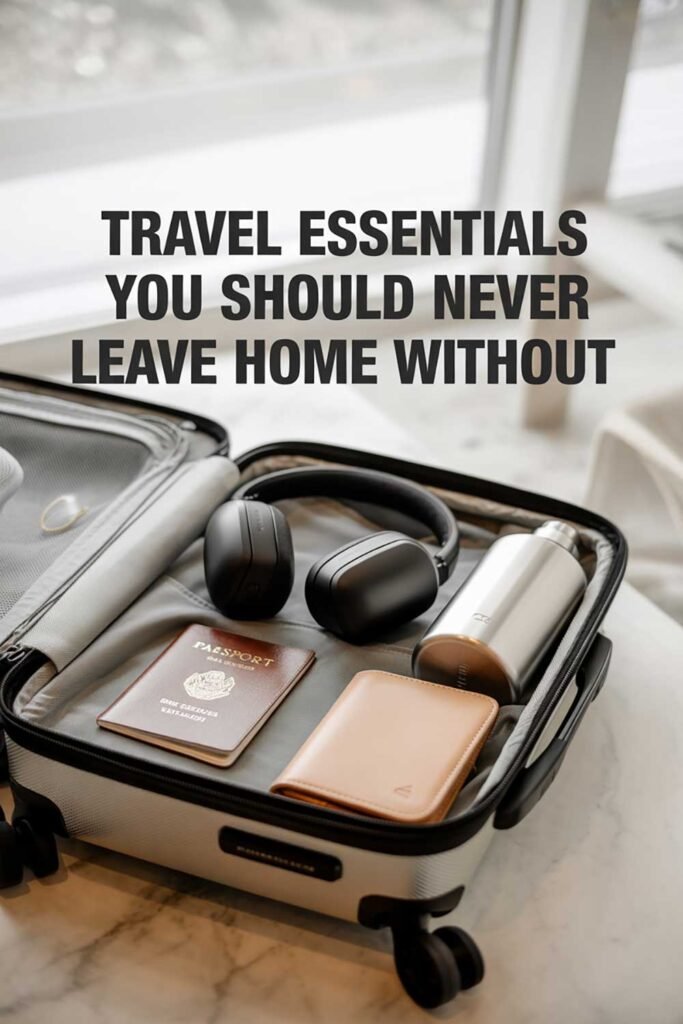
Robert’s underseat bag contains his laptop, noise-canceling headphones, a portable charger, charging cables, a slim water bottle, a granola bar, eye drops, a pen, his reading glasses, a paperback novel, and a thin document folder with his itinerary and business papers. Every item has a designated pocket or compartment, and Robert can locate anything by feel without looking.
Robert says the bag has transformed his flight experience. Before he found the right underseat bag, he was constantly getting up to dig through his overhead carry-on for items he needed during the flight — disrupting his seatmates and losing productive work time. Now everything he might need for a six-hour flight is organized at his feet, accessible without standing up.
Maria’s Carry-On-Free International Trip
Maria, a 27-year-old travel blogger from Seattle, challenged herself to take a five-day international trip to Mexico City using only an underseat personal item — no carry-on, no checked bag. She chose a tote-style underseat bag that maximized interior volume and measured within Spirit Airlines’ personal item limits, since she was flying Spirit for the lowest fare.
Maria packed three lightweight tops, one pair of pants, one pair of shorts, two sets of underwear, basic toiletries in travel-size containers, a phone charger, a portable battery, a thin rain jacket, a pair of sandals (worn on the plane), and sunglasses. She wore her bulkiest outfit — jeans and a sweater — on the plane. She did laundry once at a laundromat near her hostel in Mexico City.
Maria says the experience was liberating. With no overhead bag to worry about, she boarded last without anxiety, moved through airports without dragging luggage, and never waited at a baggage carousel. The total cost of her baggage for the round trip was zero dollars. She acknowledges that the packing was tight and required discipline, but she says the freedom of traveling with a single small bag was worth every compromise.
Frank’s Photography Underseat Kit
Frank, a 58-year-old retired teacher and amateur photographer from Denver, uses a padded underseat backpack specifically to carry his camera equipment in the cabin. His camera body and two lenses are too valuable and too fragile to check, so they travel under the seat in front of him on every flight.
Frank’s underseat bag fits his mirrorless camera body, a wide-angle lens, a portrait lens, two spare batteries, memory cards, a lens cleaning kit, a thin tablet for reviewing photos, and a small pouch with cables and chargers. The bag’s padded interior protects the equipment, and the organization keeps every item accessible without removing the bag from under the seat.
Frank says that finding an underseat bag specifically designed for camera equipment was a game-changer. Before, he carried his camera gear in a regular backpack that was too tall for the underseat space and had to go in the overhead bin, where he worried about it the entire flight. Now his most valuable equipment is literally at his feet for the entire journey.
How to Pack an Underseat Bag for Maximum Efficiency
Getting the most out of your underseat bag is not just about choosing the right bag — it is about packing it strategically.
Use Slim Compression Packing Cubes
If you are packing clothing in your underseat bag, a slim compression cube is essential. Standard packing cubes are too thick for an underseat bag. Slim cubes compress your clothing to a fraction of its normal volume and create a flat, rectangular package that stacks efficiently inside the bag alongside your other items.
Roll, Do Not Fold
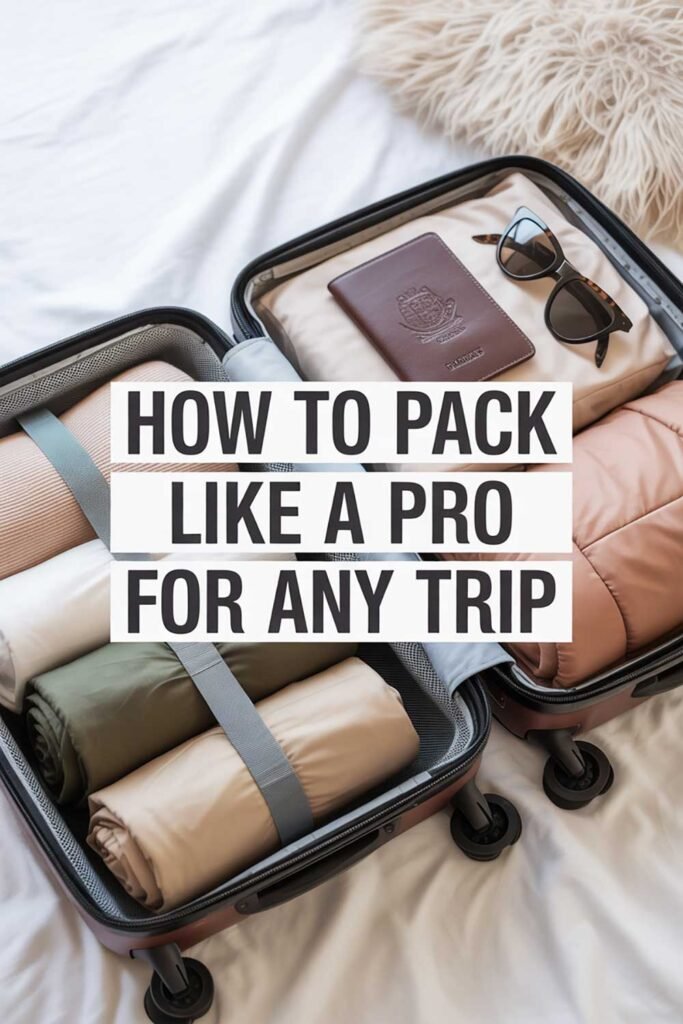
Rolled clothing takes up less space than folded clothing and creates cylindrical shapes that fill gaps and contours inside the bag more efficiently. Roll each garment tightly and pack the rolls side by side inside a compression cube or directly in the main compartment.
Layer Strategically
Pack flat items against the back panel — laptop, documents, a thin jacket. Pack bulkier items in the center — clothing cube, toiletry kit. Pack small items you need to access frequently in the front pocket or top section. This layered approach keeps the bag balanced, stable, and organized with the most-needed items most accessible.
Wear Your Bulkiest Items
The oldest trick in the minimal packing playbook is still one of the most effective. Wear your heaviest shoes, your thickest pants, and your bulkiest jacket on the plane. Everything you wear on your body does not need to fit in your bag. For underseat-only travelers, this strategy can free up significant volume for other essentials.
Use Every Pocket and Cavity
Stuff socks inside shoes. Tuck charger cables into the gaps between larger items. Slide a thin book or tablet into the laptop sleeve alongside the laptop. Fill the front pocket completely with small items that would otherwise rattle around in the main compartment. In a bag this size, there is no room for wasted space.
What to Look for When Shopping
When evaluating underseat bags, keep these specific criteria in mind.
Check the published dimensions carefully and compare them against the personal item limits of the airlines you fly most often. A bag that is one inch too tall or too wide can be the difference between sliding smoothly under the seat and having to force it or being told it does not qualify.
Look for the maximum internal volume relative to external dimensions. Compare the listed volume in liters across bags of similar external size. Higher volume per external inch means more efficient design.
Prioritize a flat, reinforced bottom that will keep the bag stable and upright under the seat. Bags that collapse or tip waste space and frustrate access.
Check the weight of the bag empty. Every ounce of bag weight is an ounce you cannot pack with useful gear. Lightweight materials and minimal hardware keep the empty weight low.
Look for water-resistant or water-repellent exterior fabric. Your underseat bag lives on the floor — of airports, planes, restaurants, and sidewalks. It will encounter spills, wet surfaces, and occasional rain. Water-resistant fabric protects your contents.
Test the zippers. Underseat bags are packed tightly, which puts constant stress on zippers. Smooth, high-quality zippers — ideally YKK or equivalent — are essential for long-term reliability.
Consider how the bag carries. If you will walk long distances through airports, padded shoulder straps or a comfortable crossbody strap matter. If the bag is only for the flight and you carry a separate day bag, carrying comfort matters less.
The Underseat Bag as a Travel Philosophy
Choosing to invest in a great underseat bag is more than a gear decision. It is a philosophy. It is a declaration that you do not need to bring everything to have a great trip. That you are resourceful enough to pack smart, flexible enough to make do with less, and confident enough to leave the extra stuff at home.
The travelers who master the underseat bag are the ones who move through airports with ease, who board planes without stress, who never wait at baggage carousels, and who spend their energy on the adventure rather than on managing their luggage. They have figured out that the secret to better travel is not more stuff — it is the right stuff, in the right bag, packed the right way.
Your underseat space is not an afterthought. It is an opportunity. An opportunity to travel lighter, move faster, spend less on bag fees, and prove that a single well-chosen bag, packed with intention, can carry everything you need for experiences that are far bigger than any suitcase could hold.
20 Powerful and Uplifting Quotes About Simplicity, Preparation, and Traveling Light
1. “A journey of a thousand miles begins with a single step.” — Lao Tzu
2. “Travel is the only thing you buy that makes you richer.” — Anonymous
3. “The world is a book, and those who do not travel read only one page.” — Saint Augustine
4. “Not all those who wander are lost.” — J.R.R. Tolkien
5. “Life begins at the end of your comfort zone.” — Neale Donald Walsch
6. “Adventure is worthwhile in itself.” — Amelia Earhart
7. “Wherever you go, go with all your heart.” — Confucius
8. “The biggest adventure you can take is to live the life of your dreams.” — Oprah Winfrey
9. “Travel makes one modest. You see what a tiny place you occupy in the world.” — Gustave Flaubert
10. “Do not follow where the path may lead. Go instead where there is no path and leave a trail.” — Ralph Waldo Emerson
11. “Man cannot discover new oceans unless he has the courage to lose sight of the shore.” — Andre Gide
12. “Once a year, go someplace you have never been before.” — Dalai Lama
13. “Collect moments, not things.” — Unknown
14. “We travel not to escape life, but for life not to escape us.” — Unknown
15. “To travel is to discover that everyone is wrong about other countries.” — Aldous Huxley
16. “Investment in travel is an investment in yourself.” — Matthew Karsten
17. “Jobs fill your pocket, but adventures fill your soul.” — Jaime Lyn Beatty
18. “Take only memories, leave only footprints.” — Chief Seattle
19. “The real voyage of discovery consists not in seeking new landscapes, but in having new eyes.” — Marcel Proust
20. “The lighter the bag, the freer the traveler.” — Unknown
Picture This
Close your eyes for a moment and really let yourself feel this.
It is boarding time. You are standing in the line at the gate, watching the chaos unfold around you. Half the passengers are anxiously clutching oversized carry-ons, eyeing the overhead bins, strategizing how to be first down the aisle to secure space for their bags. A gate agent is calling for volunteers to check their carry-ons. Someone is trying to stuff a bag into the sizer and it does not fit. The energy is tense, competitive, and stressful.
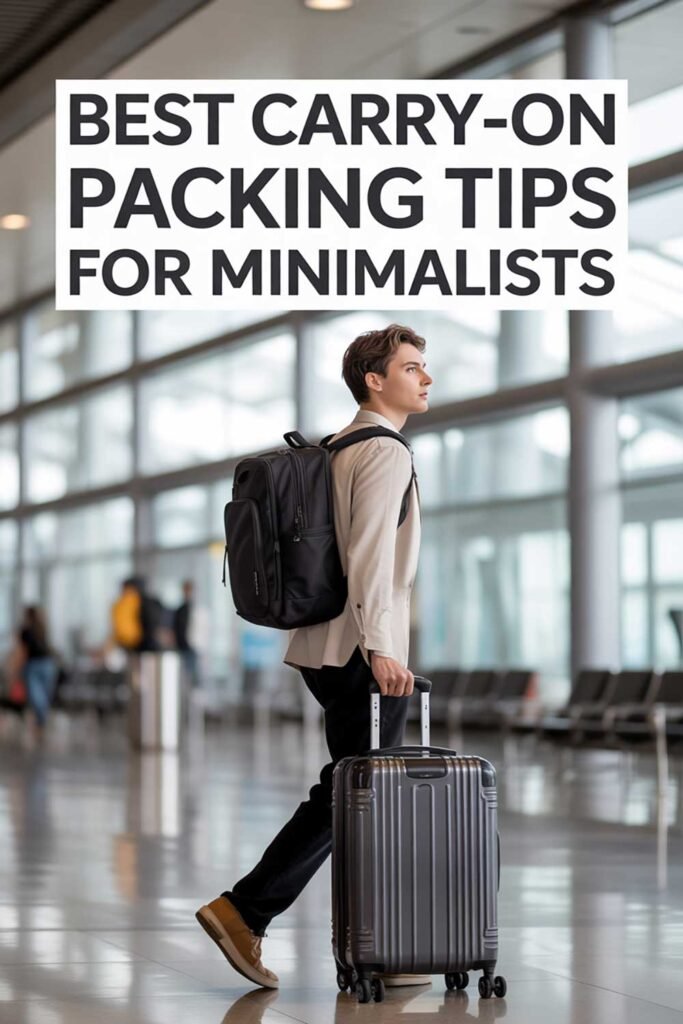
You feel none of it. You have one bag. A single, perfectly sized underseat backpack slung over one shoulder. Everything you need for the next three days is inside it — a change of clothes, your laptop, your toiletries, your chargers, your headphones, a book, and a few snacks. It weighs fifteen pounds. It fits under any seat on any plane on any airline. And it cost you zero dollars in baggage fees.
You board. You walk down the aisle without even glancing at the overhead bins. You slide into your seat, tuck the bag under the seat in front of you in one smooth motion, and settle in. The bag fits perfectly. The zipper faces you. Everything inside is organized and accessible. You reach down, unzip the front pocket, pull out your headphones and your book, and you are set for the flight.
Around you, people are still wrestling bags into bins, asking seatmates to move, waiting for overhead space to open up, and making the stressed calculations of someone who brought too much stuff. You are already reading. Already comfortable. Already at peace with the beautiful simplicity of having everything you need at your feet and nothing to worry about overhead.
The doors close. The plane pushes back. The flight attendant gives the safety briefing. And somewhere in the middle of it, you smile. Not because anything dramatic happened. But because you cracked the code that most travelers never figure out. You learned that the space under the seat is not a limitation — it is a liberation. A challenge that, once solved, sets you free from bag fees, overhead bin anxiety, baggage carousels, and the exhausting weight of carrying more than you need.
You are traveling with one bag. It fits under the seat. It carries everything that matters. And the freedom of that simplicity — the lightness of it, the ease of it, the quiet confidence of it — makes every single trip better.
The plane lifts off. You turn the page of your book. Your bag is at your feet, exactly where it belongs. And you are exactly where you want to be — in the air, heading somewhere new, unburdened and ready for whatever comes next.
Share This Article
If this article showed you that the space under an airplane seat is more useful than you realized — or if it inspired you to find a bag that makes that space work harder — please take a moment to share it with someone who could benefit from a smarter approach to underseat packing.
Think about the people in your life. Maybe you know someone who flies budget airlines regularly and pays carry-on fees every time because they do not realize how much they could fit in a properly chosen personal item bag. This article could save them hundreds of dollars in bag fees per year.
Maybe you know a business traveler who is constantly getting up during flights to dig through the overhead bin for their laptop, their headphones, or their charger. They need an underseat bag that serves as an organized in-flight command center, keeping everything they need accessible at their feet.
Maybe you know a minimalist traveler or a packing challenge enthusiast who would love the idea of taking a multi-day trip with nothing but an underseat bag. The strategies and real stories in this article could inspire their next adventure.
Maybe you know someone who is about to take their first solo trip and is stressed about luggage. They need to know that with the right bag and the right packing approach, they can travel lighter than they ever imagined — and enjoy every moment of the trip more because of it.
So go ahead — copy the link and send it to that person. Text it to the friend who always complains about bag fees. Email it to the business traveler who needs a better in-flight setup. Share it in your travel communities, your gear forums, and anywhere people are talking about packing tips and smart travel gear.
You never know who might read this and realize that the most underrated piece of luggage they own is the one that fits under the seat. Help us spread the word, and let us help every traveler make the most of the most valuable real estate on the plane.
Disclaimer
This article is intended for informational, educational, and inspirational purposes only. All content provided within this article — including but not limited to underseat bag recommendations, airline dimension guidelines, packing strategies, product feature descriptions, personal stories, and general travel gear advice — is based on general travel knowledge, widely shared traveler experiences, personal anecdotes, and commonly reported airline policies and luggage dimensions. The examples, stories, dimensions, and scenarios included in this article are meant to illustrate common situations and approaches and should not be taken as guarantees, promises, or predictions of any particular product’s performance, dimensional compliance, or suitability for any specific airline, aircraft type, or travel situation.
Every airline, aircraft, and seat configuration is different. Individual airline personal item size limits, enforcement practices, seat dimensions, and underseat clearances will vary significantly depending on the specific airline, aircraft type, seat location, cabin class, and current airline policies (which can and do change at any time without notice). Always verify the current personal item size limits of your specific airline before purchasing or packing an underseat bag. A bag that fits under the seat on one aircraft type may not fit on another.
The author, publisher, website, and any affiliated parties, contributors, editors, or partners make no representations or warranties of any kind, express or implied, about the completeness, accuracy, reliability, currentness, suitability, or availability of the information, advice, product descriptions, dimensional guidelines, opinions, or related content contained in this article for any purpose whatsoever. This article does not endorse, recommend, or promote any specific bag brand, model, or retailer. Any reliance you place on the information provided in this article is strictly at your own risk.
This article does not constitute professional product testing, consumer advice, or any other form of professional guidance. Always evaluate luggage products based on your own individual needs, the specific airlines you fly, and your personal travel patterns and standards.
In no event shall the author, publisher, website, or any associated parties, affiliates, contributors, or partners be liable for any loss, bag fee charges, denied boarding, product dissatisfaction, damage, expense, inconvenience, or negative outcome of any kind — whether direct, indirect, incidental, consequential, special, punitive, or otherwise — arising from or in any way connected with the use of this article, the reliance on any information contained within it, or any purchasing or packing decisions made as a result of reading this content.
By reading, sharing, bookmarking, or otherwise engaging with this article in any way, you acknowledge that you have read and understood this disclaimer in its entirety, and you voluntarily agree to release and hold harmless the author, publisher, website, and all associated parties from any and all claims, demands, causes of action, liabilities, damages, and responsibilities of every kind and nature, known or unknown, arising from or in any way related to your use, interpretation, or application of the content provided in this article.
Pack smart, check your airline’s current policies, and always choose gear that fits your specific travel needs.