How to Plan a Road Trip for a Long Weekend
There is something magical about hitting the open road with nothing but adventure ahead of you. A long weekend road trip offers the perfect escape from daily routines without requiring weeks of vacation time or extensive planning. Whether you have three or four days to spare, a well-planned road trip can deliver unforgettable experiences, stunning scenery, and memories that last a lifetime.

The beauty of a long weekend road trip lies in its flexibility and accessibility. You do not need to book expensive flights, navigate foreign airports, or worry about international travel complications. Instead, you can load up your car, choose a destination within driving distance, and set off on an adventure that fits perfectly into your schedule.
However, the key to a successful long weekend road trip is smart planning. With limited time, every hour counts. Poor planning can lead to wasted time, unnecessary stress, and missed opportunities. The good news is that with the right approach, you can maximize every moment of your long weekend and create an incredible journey that feels much longer than just a few days.
This comprehensive guide will walk you through everything you need to know to plan the perfect long weekend road trip. From choosing your destination to packing efficiently, from budgeting wisely to staying flexible, we will cover all the essential steps that transform a simple drive into an extraordinary adventure.
Choose Your Destination Wisely
The foundation of any great road trip starts with selecting the right destination. For a long weekend, you need to balance distance with experience, ensuring you spend more time enjoying your trip than sitting behind the wheel.
Calculate Your Driving Time
A common mistake many first-time road trippers make is choosing a destination that is too far away. As a general rule, you should limit your one-way drive to about four to six hours maximum for a long weekend trip. This gives you roughly two full days to enjoy your destination without feeling rushed.
Consider Sarah and Mike from Chicago who planned a long weekend trip to Nashville. The drive took them nearly seven hours each way. By the time they arrived Friday night, they were exhausted. They had to leave Sunday afternoon to get home for work Monday. They spent 14 hours driving and had barely 36 hours to explore. They came home feeling more tired than when they left.
Compare that to Jessica from Portland who chose the Oregon Coast, just three hours away. She left Friday after work, arrived in time for a sunset beach walk, had all day Saturday and Sunday to explore tide pools, coastal towns, and scenic viewpoints, and still made it home Monday evening feeling refreshed and recharged.
Match Destination to Your Interests
Think about what kind of experience you want. Are you craving mountain scenery and hiking trails? Beach relaxation and seafood? Urban exploration and cultural attractions? Historic sites and museums? Wine country and culinary experiences?
Your destination should align with your interests and the interests of your travel companions. A beach lover might feel restless in the mountains, while an adventure seeker might find a spa resort town boring. Have honest conversations about expectations before you commit to a destination.
Consider the Season
Seasonality matters tremendously for road trips. That charming mountain town might be perfect in summer but closed down in winter. The beach destination that is paradise in May could be unbearably crowded and expensive in July. National parks can be snowed in during spring or sweltering hot in late summer.
Research your destination during the specific time you plan to visit. Check average temperatures, rainfall, and peak tourist seasons. Sometimes shoulder season offers the best experience with fewer crowds, lower prices, and still-pleasant weather.
Research Multiple Route Options
Do not just rely on GPS for the fastest route. Some of the best road trip experiences happen on scenic byways and backroads. Research alternate routes that might add a little time but offer spectacular views, interesting stops, or unique attractions.
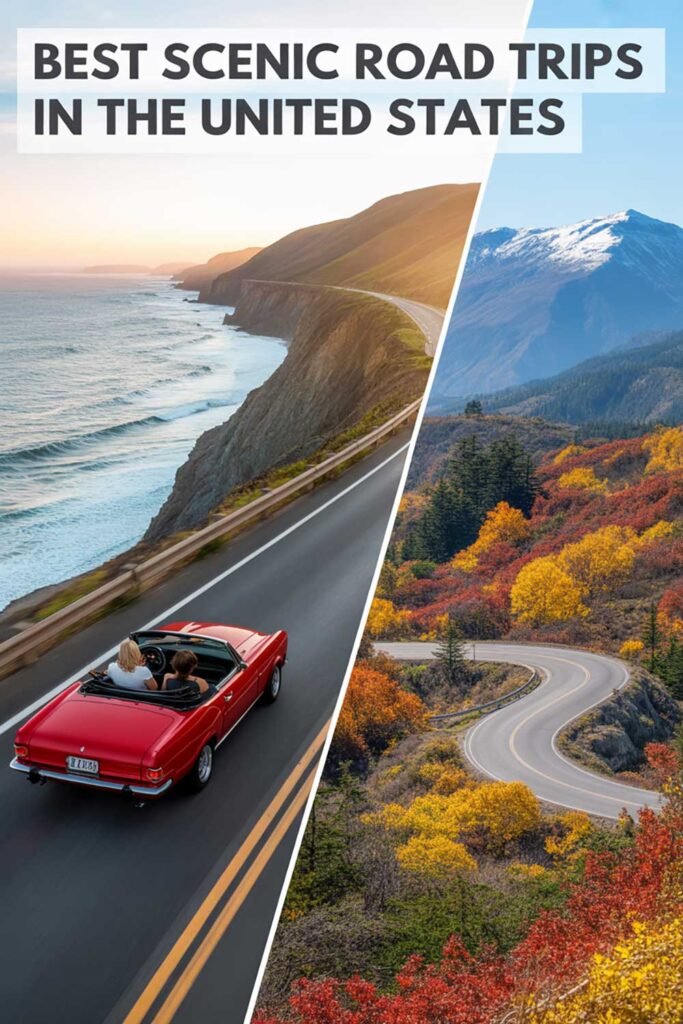
The Pacific Coast Highway, Blue Ridge Parkway, Route 66, and countless other scenic routes transform the journey into part of the destination. Sometimes the drive itself becomes the highlight of your trip.
Create a Flexible Itinerary
Planning is essential, but over-planning can rob your road trip of spontaneity and joy. The goal is to create a framework that guides your trip while leaving room for unexpected discoveries and relaxed enjoyment.
Identify Must-See Attractions
Start by listing the top three to five things you absolutely want to see or do at your destination. These become your anchor points. Everything else is bonus.
For a long weekend, resist the temptation to cram in too many activities. Quality beats quantity every time. It is better to thoroughly enjoy three amazing experiences than to rush through ten and remember none of them clearly.
Build in Downtime
One of the biggest mistakes road trippers make is creating an itinerary that leaves no room to breathe. Schedule breaks, rest time, and unstructured periods where you can simply wander, relax, or respond to how you feel in the moment.
Mark and Jennifer learned this lesson on their first road trip to Asheville. They scheduled activities from 8am to 10pm every single day. By day two, they were exhausted and irritable. Now they never plan more than two major activities per day, leaving afternoons and evenings open for spontaneous exploration or simply relaxing with a good meal and conversation.
Plan Your Accommodations Strategically
Where you stay can make or break a long weekend trip. For maximum enjoyment, consider staying in one location rather than moving hotels every night. Unpacking once saves time and reduces stress.
Book accommodations centrally located to your planned activities. Research the neighborhood carefully. A hotel that is ten dollars cheaper but 30 minutes from everything you want to do will cost you in time and frustration.
Consider unique lodging options that enhance your experience. A cozy bed and breakfast, a cabin in the woods, a boutique hotel in a historic building, or even a well-located vacation rental can become part of your adventure rather than just a place to sleep.
Research Dining Options
Food is a huge part of any travel experience. Research restaurants in advance, especially if you want to try popular local spots that might require reservations.
Make a list of five to ten restaurants that interest you, including a mix of price points and cuisine types. Note which ones need reservations and which are walk-in friendly. This prevents wasting precious vacation time wandering around hungry trying to decide where to eat.
However, also leave room for spontaneous dining discoveries. Some of the best meals happen when you ask locals for recommendations or stumble upon a charming cafe you had never heard of.
Prepare Your Vehicle
Your car is your traveling companion for the entire journey. Taking time to prepare it properly prevents breakdowns, delays, and potentially dangerous situations.
Complete Basic Maintenance
At minimum, complete these tasks before your trip. Check your oil level and change it if needed. Inspect tire pressure and tread depth on all tires including the spare. Test your battery, especially if it is more than three years old. Check all fluid levels including coolant, brake fluid, windshield washer fluid, and transmission fluid. Test all lights including headlights, brake lights, and turn signals. Inspect windshield wipers and replace if streaking or worn.
David from Austin learned this lesson the expensive way. He skipped the pre-trip vehicle check for his road trip to Big Bend National Park. Fifty miles from the nearest town, his serpentine belt snapped. What should have been a simple 15 dollar part replacement became a 500 dollar tow and emergency repair, plus a full day of his trip lost. Now he never skips the vehicle prep.
Pack an Emergency Kit
Your vehicle emergency kit should include jumper cables, a flashlight with extra batteries, a first aid kit, basic tools including screwdrivers and wrenches, duct tape, a tire pressure gauge, a phone charger, bottled water, non-perishable snacks, a blanket, and road flares or reflective triangles.
If traveling in winter or to remote areas, add an ice scraper, small shovel, sand or kitty litter for traction, and extra warm clothing.
Download Offline Maps
While GPS and phone maps are incredibly convenient, they rely on cell service that might be spotty in rural areas. Download offline maps of your route and destination before you leave. Apps like Google Maps and offline GPS apps allow you to save entire regions for offline use.
Carry a paper map as backup. Yes, this seems old-fashioned, but when technology fails in the middle of nowhere, that paper map becomes invaluable.
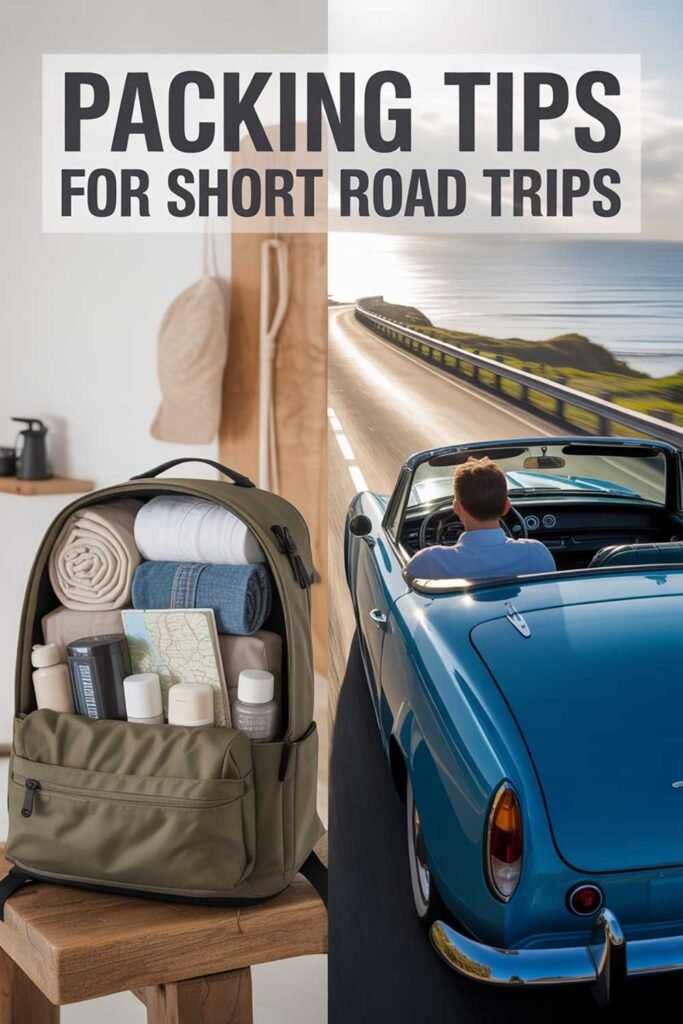
Pack Smart and Light
Packing efficiently for a road trip is an art. You have more space than air travel, but you still want to avoid overpacking and cluttering your vehicle.
Create a Packing List
Start your packing list at least a week before departure. This gives you time to remember items you might otherwise forget. Divide your list into categories like clothing, toiletries, electronics, entertainment, food and drinks, and miscellaneous items.
For clothing, use the mix and match method. Choose a color scheme and pack items that all coordinate. Three bottoms and four tops can create twelve different outfits. Layer for temperature changes rather than packing entirely different wardrobes.
Pack Strategically in Your Vehicle
Place items you will need frequently in easy-to-access locations. Snacks, water bottles, phone chargers, sunglasses, and entertainment should be within arm’s reach. Luggage and items you will only need at your destination go in the trunk.
Use packing cubes or bags to organize items by category. This prevents having to dig through everything to find one item. Keep a small bag in the backseat with road trip essentials like hand sanitizer, tissues, pain relievers, lip balm, and anything else you might need while driving.
Prepare Entertainment Options
Even short drives can feel long without good entertainment. Create playlists before you leave with a mix of energizing songs for daytime driving and relaxing music for evening. Download podcasts on topics that interest you and your passengers. Load audiobooks onto your device for longer stretches.
Prepare conversation games and questions for deeper discussions with travel companions. Road trips offer rare uninterrupted time to really talk and connect.
Budget Appropriately
Understanding and planning your road trip budget prevents financial stress and ensures you can fully enjoy your adventure without constantly worrying about money.
Calculate Fuel Costs
Estimate your total mileage and divide by your vehicle’s miles per gallon to determine gallons needed. Multiply by the current gas price to get your fuel budget. Add 10 to 15 percent for unexpected detours or price variations.
Use apps like GasBuddy to find the cheapest fuel along your route. Filling up before entering tourist areas can save significant money as gas stations near popular destinations often charge premium prices.
Estimate Accommodation Costs
Your lodging will likely be your largest expense after fuel. Prices vary dramatically by location and season. Research average rates at your destination and book early for the best deals.
Consider alternatives like vacation rentals if traveling with a group. Splitting a three-bedroom house among three couples often costs less per person than separate hotel rooms and provides more space and amenities.
Plan Your Food Budget
Food costs add up quickly if you eat every meal at restaurants. Balance dining out with grocery store stops and picnic meals. Pack a cooler with breakfast items, snacks, and drinks to reduce frequent restaurant and convenience store stops.
Budget for at least one or two nice meals at restaurants you have researched and want to experience. These become highlights of your trip worth the splurge.
Account for Activities and Attractions
Research admission costs for attractions you want to visit. Many cities offer tourist passes that bundle multiple attractions at a discount. National and state parks typically charge entrance fees that last several days, providing excellent value.
Set aside a miscellaneous fund for unexpected opportunities. That spontaneous kayak rental, local festival you stumble upon, or unique souvenir you must have are part of road trip magic.
Amanda and Tom from Denver budget 20 percent more than their calculated expenses for every road trip. This buffer removes anxiety about costs and allows them to say yes to unexpected adventures without guilt.
Maximize Your Time
With only a long weekend, time management becomes crucial. Small efficiencies add up to significantly more enjoyment.
Leave at Strategic Times
If possible, leave Thursday evening rather than Friday morning. Missing rush hour and driving during less congested times saves stress and often hours of travel time. Arriving at your destination with a full day ahead on Friday multiplies your available time.
For the return journey, consider leaving very early Monday morning or late Sunday night depending on your Monday commitments. You arrive home tired but with an extra half day of vacation enjoyed.
Minimize Hotel Check-In Delays
Most hotels allow early check-in requests. Call ahead and ask if a room might be ready before standard check-in time. Even arriving an hour or two early can be accommodated. When that is not possible, ask if you can drop luggage before check-in so you can immediately start exploring.
For check-out, prepare the night before. Repack your bags, gather all belongings, and complete a thorough room check. This allows you to check out quickly and hit the road without morning chaos.
Use Travel Time Productively
Long drives offer opportunities for activities you normally never have time for. Listen to that educational podcast series. Finally finish that audiobook. Have meaningful conversations about life goals, dreams, and plans with your travel companion.
Rotate drivers if possible to prevent fatigue and allow the passenger to enjoy scenery fully. Plan stops at interesting places rather than generic highway rest areas. That quirky roadside attraction or scenic overlook becomes a story you will tell for years.
Stay Flexible and Present
The best road trips balance planning with spontaneity. Your itinerary should guide you, not constrain you.
Embrace Unexpected Opportunities
When locals recommend a place or you spot something interesting, be willing to adjust plans. Some of the most memorable experiences come from unplanned moments.
Rachel and Chris from Seattle had planned to spend Saturday afternoon at a museum during their Portland trip. On their way, they passed a farmers market. On impulse, they stopped for “just a minute.” Three hours later, they had sampled local foods, bought fresh flowers, listened to live music, and talked with artisans. They never made it to the museum but still count that afternoon among their favorite travel memories.
Let Go of Perfection
Not everything will go according to plan. Restaurants will be closed, weather will be uncooperative, attractions will disappoint. How you respond to these moments determines whether they become disasters or simply part of the adventure.
Bad weather forced Kevin and Marie to abandon their planned hike. Instead of sulking, they found a cozy bookstore, spent hours reading and sipping coffee, discovered a used bookshop with rare finds, and had long conversations with the owner about the area. They later said the rainy day became their favorite part of the trip.
Practice Mindfulness
Put your phone away and be truly present. Notice the changing landscapes, the quirky details of small towns, the taste of regional foods, the sound of waves or wind through trees. Take photos but do not experience your entire trip through a camera lens.
Set phone-free times during meals and special moments. You will remember experiences far better when you are fully engaged rather than distracted by checking messages and social media.
Document Your Journey
While being present is important, creating memories you can revisit brings joy long after you return home.
Take Meaningful Photos
Rather than photographing everything, focus on images that tell your story. Capture landscapes that moved you, food that delighted you, moments between travel companions, quirky signs and details that made you laugh, and people you met along the way.
Take some photos of yourselves in locations, not just the locations themselves. You want to remember that you were there experiencing these places.
Keep a Travel Journal
Spend ten minutes each evening jotting down highlights, funny moments, interesting conversations, and sensory details you want to remember. Include practical notes like restaurant names and attraction details for future reference.
Years later, these written memories will transport you back in ways photos alone cannot. The smell of that bakery, the joke the tour guide told, the way the sunset looked from that overlook all come alive again through words.
Collect Small Mementos
Rather than buying expensive souvenirs, collect free or inexpensive mementos. Save ticket stubs, postcards, local newspapers, business cards from favorite restaurants, maps, and brochures. Create a scrapbook or shadow box when you return home.
These items trigger memories and cost almost nothing but mean everything when you look at them months or years later.
Return Home Smoothly
How you end your trip impacts your overall experience and sets you up for success back in regular life.
Plan Your Re-Entry
Do not schedule important meetings or commitments for the day you return. Give yourself grace and recovery time. Unpack immediately rather than living out of suitcases for days. Do a load of laundry and restock groceries so you wake up Tuesday to a functional home.
Complete a vehicle check after your trip. Clean out trash and clutter, vacuum the interior, and note any maintenance needs that arose during travel.
Process and Share Your Experience
Within a week of returning, organize your photos while memories are fresh. Delete duplicates and blurry shots. Create a simple album or folder system so you can easily find and share images later.
Share stories and highlights with friends and family. This reinforces your memories and often inspires others to plan their own adventures.
Start Planning Your Next Trip
The best time to start planning your next road trip is right after completing one. You will remember what worked well, what you would change, and where you want to go next. Capture these thoughts while they are fresh.
Many road trippers keep a running list of destinations they hear about or places that intrigue them. When the next long weekend approaches, they have ideas ready rather than starting from scratch.
Learn from Experience
Every road trip teaches lessons that improve future adventures. Paying attention to what works and what does not transforms you from a novice into a confident road tripper.
Evaluate What Worked
After each trip, discuss with your travel companions what went well. Did you choose the right destination? Was your pacing appropriate? Did you pack well? Which restaurants and activities were highlights?
Write down these insights in a travel journal or notes app. These observations become your personal road trip playbook for future adventures.
Identify Improvements
Just as importantly, note what you would change. Did you overpack certain items and forget others? Was your budget realistic? Did you spend too much time driving and not enough exploring? Were there logistical hassles you could avoid next time?
Treat these not as failures but as learning opportunities. Every experienced road tripper has stories of mistakes that taught valuable lessons.
Build Your Road Trip Skills
With each trip, you will become more efficient at planning, packing, budgeting, and navigating challenges. You will develop instincts about how to choose destinations, where to eat, when to push forward and when to rest.
Carlos started taking long weekend road trips five years ago. His first trip was chaotic with poor planning and constant stress. Now he can plan and execute a fantastic three-day road trip in under an hour because he has systems, checklists, and experience. The difference is remarkable and the trips keep getting better.
Safety First Always
Adventure is wonderful but safety should never be compromised for convenience or excitement.
Share Your Itinerary
Before leaving, share your itinerary with someone who is not traveling with you. Include your route, destinations, accommodation details, and expected return time. Check in periodically so someone knows you are safe.
Practice Safe Driving
Road trips mean lots of time behind the wheel. Never drive drowsy or distracted. Take breaks every two hours to stretch and rest your eyes. Share driving responsibilities when possible. Pull over if you feel sleepy rather than pushing through.
Avoid driving late at night when fatigue and reduced visibility increase accident risk. If you must drive at night, be extra vigilant and reduce speed.
Protect Your Valuables
Never leave valuables visible in your parked car. Use the trunk for luggage and purchases. When staying at hotels, use the room safe for important documents, extra cash, and electronics you are not carrying with you.
Keep copies of important documents like your driver’s license, insurance card, and credit cards separate from the originals. Store digital copies in secure cloud storage accessible from your phone.
Trust Your Instincts
If a situation or location feels unsafe, leave. If a person makes you uncomfortable, remove yourself from the interaction. Your safety is more important than being polite or not wanting to offend.
Research your destinations beforehand to understand which areas to avoid, especially at night. Ask hotel staff for recommendations about safe places to explore.
Make It Your Own
The best road trips reflect your unique interests, personality, and travel style. Do not feel pressure to follow someone else’s formula or visit places just because they are popular.
Honor Your Travel Personality
Some people thrive on spontaneity and minimal planning. Others feel anxious without detailed itineraries. Neither approach is wrong. Plan in a way that matches your comfort level and reduces stress.
If you love photography, build in time for golden hour shoots. If you are a foodie, make culinary experiences central to your trip. If you need exercise, choose destinations with hiking or biking opportunities. If you value culture, prioritize museums and historic sites.
Travel at Your Pace
Social media creates pressure to pack trips with constant activity and picture-perfect moments. Resist this pressure. Your road trip should restore and energize you, not exhaust you.
If you want to spend half a day reading in a hammock at a scenic overlook, do it. If you prefer two long hikes over five quick tourist stops, plan accordingly. There is no right way to road trip except the way that brings you joy.
Create Traditions
Many road trippers develop traditions that make each trip special. Maybe you always stop at a particular donut shop on the way out of town. Perhaps you buy one local artisan item from each destination. Maybe you always watch the sunset from a scenic viewpoint on day one.
These traditions create continuity across different trips and become part of your road trip identity. Years later, you will remember these rituals as fondly as the destinations themselves.
20 Powerful and Uplifting Quotes About Road Trips
- The journey of a thousand miles begins with a single step. – Lao Tzu
- Not all those who wander are lost. – J.R.R. Tolkien
- Adventure is worthwhile. – Aesop
- Jobs fill your pocket, but adventures fill your soul. – Jamie Lyn Beatty
- Life is either a daring adventure or nothing at all. – Helen Keller
- Travel makes one modest. You see what a tiny place you occupy in the world. – Gustave Flaubert
- The real voyage of discovery consists not in seeking new landscapes, but in having new eyes. – Marcel Proust
- Adventure awaits. Go find it. – Unknown
- Travel is the only thing you buy that makes you richer. – Unknown
- We travel not to escape life, but for life not to escape us. – Anonymous
- The world is a book and those who do not travel read only one page. – Saint Augustine
- Travel far enough, you meet yourself. – David Mitchell
- Take only memories, leave only footprints. – Chief Seattle
- Once a year, go someplace you have never been before. – Dalai Lama
- Man cannot discover new oceans unless he has the courage to lose sight of the shore. – Andre Gide
- Do not follow where the path may lead. Go instead where there is no path and leave a trail. – Ralph Waldo Emerson
- To travel is to live. – Hans Christian Andersen
- Live life with no excuses, travel with no regret. – Oscar Wilde
- The journey is the destination. – Dan Eldon
- Fill your life with experiences, not things. Have stories to tell, not stuff to show. – Unknown
Picture This
Imagine this scenario unfolding six months from now. You wake up Thursday morning with excitement bubbling in your chest. Tonight you are leaving for a long weekend road trip to a destination you have been researching and dreaming about for weeks.
Your car is already packed with everything you need, organized the night before using the checklist you perfected over previous trips. Your tank is full. Your playlist is loaded. Your accommodations are booked at that charming inn everyone raved about. You have a flexible itinerary that balances must-see attractions with plenty of free time for spontaneous exploration.
You leave work Thursday at 4pm, beat rush hour traffic, and watch the landscape change as you drive toward your destination. Your favorite songs play while you and your travel companion talk about everything and nothing, the way you never have time to do in regular life. You stop for dinner at that local barbecue place you found during research, and it exceeds every expectation.
You arrive at your destination by 9pm, check into your beautifully located inn, and take an evening stroll through the charming downtown. The stress of work and daily obligations melts away. You are fully present, breathing deeper, smiling more.
Friday morning you wake naturally without an alarm, enjoy a leisurely breakfast, and set out to explore. You visit that scenic overlook everyone photographs, but you also discover a hidden waterfall a local told you about. You eat lunch at a family-owned restaurant that has been serving the same recipes for 50 years. You browse quirky shops, collecting small treasures and stories from shopkeepers.
Saturday brings more adventures perfectly paced with rest time. You hike through landscapes that take your breath away. You taste local wines or craft beers. You watch the sunset from a perfect vantage point. You have conversations that matter and laughter that heals. You take photos but also put your phone away and simply experience moments.
Sunday morning feels bittersweet but satisfying. You have one more activity before the drive home. You stop at a roadside farm stand for fresh produce. You take the scenic route back, discovering new places you want to return to someday.
You arrive home Sunday evening tired in the best way. Your soul feels fuller. Your mind feels clearer. Your relationship with your travel companion feels deeper. You have stories to share and memories that will make you smile for years.
Monday morning you wake up refreshed rather than dreading the return to routine. Your long weekend adventure restored you in ways a staycation never could. You are already thinking about your next road trip.
This is not fantasy. This is completely achievable. Every element of this experience is within your reach with proper planning and the willingness to prioritize adventure over excuses.
Share This Article
Did this guide help you think about long weekend road trips differently? Do you know someone who keeps talking about wanting to travel more but never seems to find the time or budget? Share this article with them.
Send it to friends who might be perfect road trip companions. Post it in travel groups where people are planning adventures. Email it to family members who could use an escape from routine. Share it on social media to inspire others to make the most of their long weekends.
Every person who discovers the joy of road trips creates a ripple effect. They inspire others, support local economies at their destinations, and become ambassadors for the transformative power of travel.
Your share might give someone permission to finally plan that trip they have been dreaming about. It might provide the practical information that removes obstacles standing between someone and their adventure. It might be exactly what someone needs to read today.
Together we can create a culture that values experiences over possessions, adventure over routine, and memories over material things.
Disclaimer
This article is provided for informational and educational purposes only. The road trip planning advice, tips, and recommendations contained herein are based on general travel best practices and the accumulated experiences of frequent road trippers and travel professionals.
Road trips involve inherent risks including but not limited to vehicle accidents, mechanical breakdowns, adverse weather conditions, getting lost, health emergencies, and other unforeseen circumstances. Readers assume all risks associated with road trip travel and adventure activities. The information in this article is not a substitute for professional travel planning services, mechanical expertise, or local expert guidance.
Road conditions, weather patterns, attraction availability, and other factors vary greatly by location, season, and individual circumstances. Always research your specific destination, check current conditions, verify business hours and availability, and consult with local authorities or experienced travelers when planning road trips.
The author and publisher of this article assume no responsibility or liability for any injuries, losses, damages, vehicle problems, or negative outcomes that may result from following the information presented. Readers are encouraged to use their own judgment, maintain their vehicles properly, drive safely, and make decisions appropriate to their individual travel preferences, vehicle capabilities, and risk tolerance.
By reading and using this information, you acknowledge that road trip travel carries risks and that you are solely responsible for your safety, vehicle maintenance, and travel decisions.