How to Maximize a 40L Backpack for Extended Travel
The Complete Guide to Packing Everything You Need for Weeks or Months in a Single Carry-On-Sized Bag
Introduction: The 40-Liter Sweet Spot
Forty liters. It sounds impossibly small for extended travel. How can weeks or months of adventure possibly fit into a bag the size of a carry-on suitcase?
And yet, experienced travelers do it all the time. They cross continents with a single 40L backpack. They travel for months without checking luggage. They carry everything they need while moving with the freedom that only light packing provides.
The 40L backpack has emerged as the sweet spot for extended travel. It is large enough to hold a complete travel wardrobe, essential gear, and some comfort items. It is small enough to qualify as carry-on luggage on most airlines, fit in overhead bins, and remain manageable for all-day carrying. It forces intentional packing without requiring extreme minimalism.
This is not about suffering or deprivation. It is about optimization—fitting the right things in the right ways to maximize both capacity and functionality. Travelers who master the 40L backpack report feeling liberated rather than limited. They discover that they need less than they thought and that the freedom of traveling light outweighs the benefits of having more stuff.
This article is going to teach you how to maximize a 40L backpack for extended travel. We will cover the principles that make it possible, specific strategies for fitting more while maintaining organization, clothing systems that work for weeks or months, gear recommendations, and packing techniques that squeeze value from every liter. By the end, you will be ready to pack for extended adventure in a single bag.
Why 40 Liters Works for Extended Travel
Understanding why this size works helps you pack with confidence.
The Carry-On Compatibility
Most airlines allow carry-on bags around 22 x 14 x 9 inches or similar dimensions. A well-designed 40L backpack fits within these limits when properly packed, avoiding checked bag fees and the hassle of waiting at baggage claim.
This compatibility means you can fly budget airlines without additional charges, travel more flexibly, and never worry about lost luggage.
The Carrying Comfort Zone
Forty liters, properly loaded with lightweight items, weighs roughly 15-25 pounds—a comfortable carrying weight for most adults over reasonable distances. This weight allows you to walk from train stations to accommodations, navigate stairs and transit, and maintain mobility throughout your journey.
Larger bags tempt you to pack more, increasing weight beyond comfortable carrying limits.
The Simplicity Threshold
At 40 liters, you have enough space to be comfortable but not enough to be wasteful. This constraint forces good decisions. You bring what you need, not what you might want. You pack versatile items, not single-purpose luxuries.
This forced simplicity often improves the travel experience rather than diminishing it.
The Laundry Reality
Extended travel requires doing laundry regardless of bag size. Once you accept this, you realize that packing for a week works for any duration. A 40L backpack holds about a week’s worth of clothing, which is all you need whether traveling for two weeks or two months.
Choosing the Right 40L Pack
Your backpack choice significantly affects how well the system works.
Design Features That Matter
Clamshell opening: A bag that opens fully like a suitcase allows you to see and access everything, unlike top-loading bags where items at the bottom require digging.
Minimal external pockets: External pockets add bulk without adding usable internal capacity. A sleek profile with most storage inside fits airline dimensions better.
Hip belt system: Even at 40L, a proper hip belt transfers weight to your hips, dramatically improving comfort for extended carrying.
Compression straps: Straps that compress the bag both reduce its profile when underpacked and keep contents stable.
Laptop/tablet sleeve: If you travel with electronics, an integrated padded sleeve protects them and keeps them accessible.
Hideaway straps: Backpack straps that tuck away transform the bag into a more traditional duffel appearance, useful for certain situations.
Weight Considerations
A 40L backpack can weigh anywhere from 2 to 5+ pounds empty. That weight consumes your carrying capacity before you pack anything. A lighter pack leaves more weight for actual belongings.
However, extremely light packs may sacrifice features like comfortable straps, useful organization, or durability. Find the balance appropriate for your travel style.
Popular Options Worth Considering
Research specific packs, but commonly recommended options include:
Osprey Farpoint/Fairview 40: Popular all-around travel pack with excellent carry comfort and organization.
Peak Design Travel Backpack 45L: Premium option with extensive organization and versatile design.
Tortuga Outbreaker/Setout: Designed specifically for travel with clamshell opening and thoughtful features.
REI Ruckpack 40: Good value option with solid features for the price.
Patagonia Black Hole 40L: Simple, durable design with good weather resistance.
Try packs in person when possible. Fit matters more than features.
The Capsule Wardrobe System
Clothing consumes most of your pack space. A capsule wardrobe maximizes versatility while minimizing volume.
The Capsule Concept
A capsule wardrobe is a limited collection of interchangeable pieces that combine into many outfits. Instead of packing complete outfits, you pack components that work together in multiple configurations.
Every top works with every bottom. Every layer works over every shirt. This combinatorial approach multiplies your outfit options from a minimal item count.
The Core Pieces
A typical extended travel capsule includes:
Bottoms (2-3 pieces):
- One pair versatile pants (quick-dry, minimal wrinkle)
- One pair shorts or second pants
- Optional: skirt or dress for versatility
Tops (4-5 pieces):
- 2-3 t-shirts or casual tops
- 1-2 button-down or dressier tops
- Mix short and long sleeves based on climate
Layers (1-2 pieces):
- One light jacket or sweater
- Optional: packable down jacket for cold climates
Underwear (5-7 pieces):
- Quick-dry underwear that dries overnight
- Sports bras or regular as needed
Socks (3-4 pairs):
- Merino wool socks that resist odor and dry quickly
Sleepwear:
- One set or use day clothes
Swimwear:
- If applicable to your destinations
Fabric Selection
Fabric choice dramatically affects pack efficiency:
Merino wool: Naturally odor-resistant, temperature-regulating, wrinkle-resistant. Can be worn many times before washing. Worth the premium price for travel.
Synthetic quick-dry: Dries in hours rather than overnight. Excellent for active travelers. Can develop odor faster than merino.
Avoid cotton: Heavy, slow-drying, wrinkles easily. Cotton has no place in a maximized travel pack.
Avoid heavy denim: Jeans are bulky, heavy, slow-drying. Travel pants offer better performance in less space.
Color Coordination
Choose a color palette where everything coordinates:
Neutral base: Black, navy, gray, or khaki for bottoms Complementary tops: Colors that work with your neutral baseAccent pieces: One or two items that add variety without sacrificing versatility
A coordinated palette means every combination works together, maximizing outfit variety from minimal pieces.
Footwear Strategy
Shoes are the bulkiest items you pack. Strategy matters.
The Two-Shoe Maximum
Most travelers can manage any trip with just two pairs of shoes:
Primary walking shoes: The shoes you wear most days. Must be comfortable for miles of walking. Ideally versatile enough for casual dining and activities.
Secondary shoes: Depending on trip type:
- Sandals for beach destinations or hostel showers
- Dressier shoes if you need formal options
- Sport-specific shoes if you have required activities
Wearing Your Heaviest
Always wear your bulkiest shoes during travel. They take up no pack space when on your feet. Pack the lighter option.
Footwear Selection
Walking shoes: Look for lightweight construction, good support, and versatile appearance. Trail runners, minimalist sneakers, or travel-specific shoes often work well.
Sandals: If packing sandals, choose ones with good walking comfort since they may pull double duty. Sport sandals or supportive flip-flops beat flimsy options.
When to add a third pair: Only if activities genuinely require it (formal events, specific sports) and you are willing to sacrifice other pack space.
Toiletries Minimization
Toiletries add weight quickly. Minimize ruthlessly.
The Travel-Size Reality
You do not need full-size products. Small containers last longer than expected when used only once or twice daily. Replenish at your destination rather than carrying months of supplies.
Essential vs. Conditional
Essential (bring these):
- Toothbrush and small toothpaste
- Deodorant (solid or travel-size)
- Any prescription medications
- Sunscreen (for relevant climates)
- Basic skincare (minimized routine)
Conditional (bring only if truly needed):
- Razor (if you shave regularly)
- Minimal makeup (if you use it daily)
- Contact lens supplies (if you wear contacts)
- Feminine products (enough to start; available worldwide)
Skip (available at destinations):
- Shampoo and conditioner (hotel-provided or buy locally)
- Body wash (soap works; hotel-provided)
- Hair styling products (traveling is a good time to simplify)
- Large first-aid kits (pharmacies exist everywhere)
Solid Toiletries
Solid versions of liquid products save weight and comply with liquid restrictions:
- Shampoo bars
- Solid conditioner
- Solid deodorant
- Solid sunscreen sticks
These also eliminate leak risk.
Toiletry Bag Choice
A hanging toiletry bag with clear compartments optimizes space and organization. Choose one sized for what you actually carry—smaller is better.
Technology and Electronics
Electronics are necessary but can consume significant space.
The Phone-First Approach
Your smartphone can replace many separate devices:
- Camera (for most travelers)
- E-reader (using apps)
- Music player
- GPS and maps
- Translation tools
- Entertainment
Before packing separate devices, consider whether your phone can serve the purpose adequately.
If You Bring a Laptop
Ultralight models: 13-inch laptops around 2-3 pounds offer full functionality with minimal weight penalty.
Tablet alternatives: For consumption-focused use, a tablet with keyboard may serve better than a full laptop.
Pack considerations: A laptop sleeve or backpack compartment should protect it without requiring a separate case.
Chargers and Cables
Electronics require chargers, which add up quickly:
Multi-port chargers: One charger with multiple USB ports reduces what you carry.
Universal adapter: A single adapter with multiple plug types covers all destinations.
Consolidate cables: Identify the minimum cables needed. Charge one device while using another.
Battery and Power Considerations
Portable battery: One 10,000-20,000mAh battery provides backup power without excessive weight.
Charging strategy: Most accommodations have outlets. You do not need enough battery for complete off-grid independence.
Packing Techniques and Organization
How you pack affects both capacity and accessibility.
Packing Cubes: The Game Changer
Packing cubes revolutionize backpack organization:
Compression: Cubes compress clothes smaller than loose packing Organization: Each cube contains a category, making items findable Versatility: Cubes become dresser drawers at your destination Containing chaos: Everything stays organized even when the bag is opened
Cube Strategy for 40L
A typical packing cube setup for 40L:
Medium cube 1: Main clothing (tops, pants) Medium cube 2: Secondary clothing (underwear, socks, accessories)Small cube: Dirty laundry (expands as trip progresses) Toiletry bag: Toiletries and personal care
This system uses approximately 20-25 liters, leaving space for other items.
Rolling vs. Folding
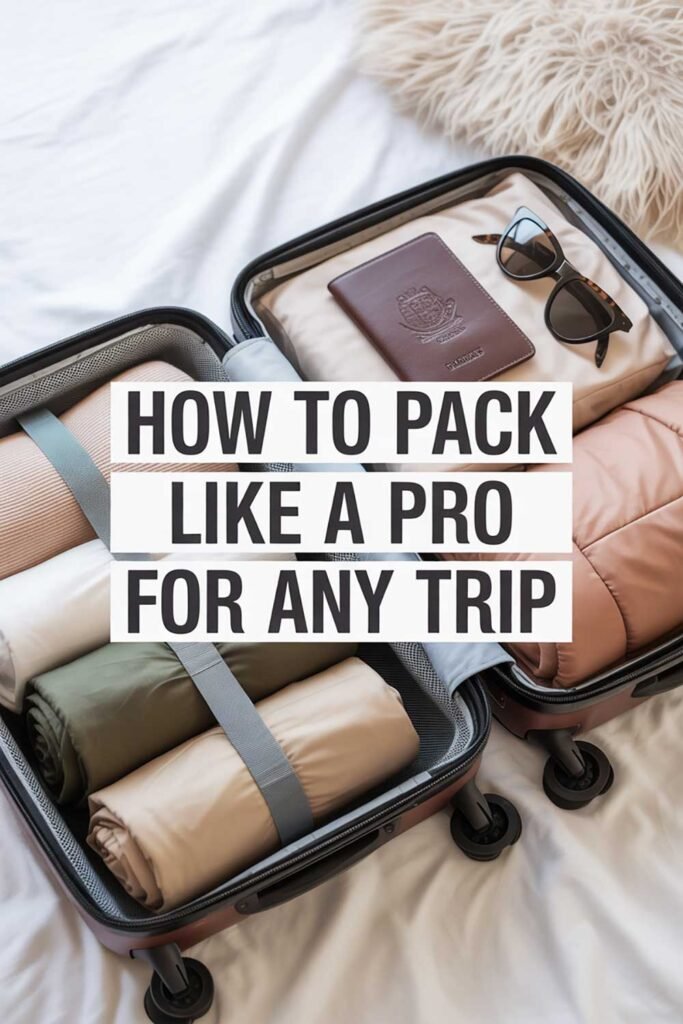
Rolling: Works well for casual clothes, t-shirts, and synthetic items. Maximizes space efficiency.
Folding: Better for items prone to heavy wrinkling or structured pieces.
Combination: Use rolling as default, folding for specific items.
Strategic Placement
Heavy items toward your back: Creates better weight distribution and balance.
Frequently needed items on top or in accessible pockets: Avoid digging for common needs.
Fragile items in protected positions: Away from edges, surrounded by soft items.
Shoes at the bottom: Use shoe bags; position where they do not compress other items.
What Actually Fits: A Complete Packing List
Here is a realistic packing list that fits comfortably in a 40L pack:
Clothing
- 1 pair travel pants (worn during transport)
- 1 pair shorts or convertible pants
- 3-4 t-shirts or casual tops
- 1-2 long-sleeve or button-down shirts
- 1 lightweight jacket or layer (worn or packed)
- 5-6 underwear
- 3-4 pairs socks
- 1 swimsuit (if applicable)
- 1 sleep outfit or use day clothes
- Walking shoes (worn)
- Sandals or secondary shoes (packed)
Toiletries
- Toothbrush and small toothpaste
- Small deodorant
- Travel-size shampoo (or bar)
- Minimal skincare
- Razor (if used)
- Sunscreen
- Any medications
Electronics
- Phone and charger
- Earbuds
- E-reader or tablet (optional)
- Laptop (if needed, in dedicated sleeve)
- Universal adapter
- Portable battery
- Minimal cables
Other Essentials
- Passport and documents
- Wallet and cards
- Day bag (packable, compresses small)
- Sunglasses
- Packing cubes
- Toiletry bag
- Small first-aid items (band-aids, pain reliever)
- Pen
Optional Based on Trip Type
- Packable rain jacket
- Hat or sun protection
- Scarf or bandana (multi-use)
- Small padlock
- Travel towel (for hostels or adventure)
- Clothesline for laundry
The Laundry Strategy
Laundry is not a backup plan—it is the core strategy that makes 40L work.
Frequency
Expect to do laundry approximately every 5-7 days. This is not a burden but a rhythm of extended travel.
Methods
Sink washing: Many items, especially underwear and socks, wash easily in a sink with travel soap. Quick-dry fabrics dry overnight.
Laundromats: Available in most destinations. A couple hours of laundry becomes a rest break in your travel schedule.
Hotel/hostel services: Many accommodations offer laundry, sometimes included, sometimes for modest fees.
Local laundry services: In many destinations, local services offer affordable laundry by the kilo.
Drying
Quick-dry fabrics: Dry in hours, often overnight. Essential for sink-washing success.
Travel clothesline: Allows drying in your accommodation without using furniture.
Air conditioning trick: AC removes humidity from air. Items dry faster in air-conditioned rooms.
When 40L Is Not Enough
Honesty requires acknowledging that 40L does not work for everyone or every trip.
Situations Requiring More
Extended cold weather: Heavy winter gear may not compress into 40L.
Specialized activities: Professional photography equipment, extensive sports gear, or specialized work requirements may demand more space.
Extended formal requirements: Business trips requiring multiple suits or formal attire may need larger bags.
Medical equipment: Certain medical needs require carrying supplies that exceed 40L capacity.
The Supplementary Day Bag Option
Some travelers carry a 40L pack plus a small day bag (10-15L) that serves as a personal item on flights. This provides approximately 50-55L total while maintaining carry-on status on most airlines.
The day bag carries:
- Valuables and electronics during transport
- Daily exploration items
- Items needed during flights
When to Size Up
If your requirements genuinely exceed 40L after attempting optimization, sizing up is not failure. A 50-60L pack might be right for your circumstances. The goal is appropriate sizing, not arbitrary minimalism.
Real Stories: 40L Success
Maria’s Six-Month Journey
Maria traveled through Southeast Asia and Europe for six months with a 38L pack. Her strategy:
- Capsule wardrobe of 5 tops, 2 bottoms, 1 dress
- All merino wool or synthetic fabrics
- Sink washing every 3-4 days
- One pair of trail runners plus minimalist sandals
- 13-inch laptop for remote work
- No “just in case” items
She never felt deprived. She frequently moved faster and easier than travelers with larger bags. Her small pack allowed spontaneous transport changes and effortless hostel navigation.
Her advice: “Everything I brought either got used constantly or I wished I had left it home. There was no middle ground.”
David’s Career Break Trip
David quit his job for a year of travel with a 40L pack. His initial fear: “There is no way this will be enough.”
Three months in, he had shipped home items he brought but never used. His pack felt too big.
“The constraint forced good decisions. Once I accepted doing laundry as part of travel life, I realized I was carrying more than I needed. I could have done the same trip with 30 liters.”
The Chen Family Adaptation
The Chen family of four initially laughed at the idea of 40L packs for their children. They started their three-month trip with larger bags.
By month two, the teenagers had voluntarily reduced their packs. They saw other young travelers moving easily with small bags while they struggled with weight.
“Our 13-year-old now packs for two weeks in a 30L bag. She learned that looking good does not require extensive wardrobes and that souvenirs do not require physical objects.”
20 Powerful and Uplifting Travel Quotes to Inspire Your Next Journey
- “The world is a book, and those who do not travel read only one page.” — Saint Augustine
- “Travel is the only thing you buy that makes you richer.” — Anonymous
- “Adventure is worthwhile in itself.” — Amelia Earhart
- “Not all those who wander are lost.” — J.R.R. Tolkien
- “Life is short and the world is wide.” — Simon Raven
- “To travel is to live.” — Hans Christian Andersen
- “Take only memories, leave only footprints.” — Chief Seattle
- “The journey of a thousand miles begins with a single step.” — Lao Tzu
- “Traveling – it leaves you speechless, then turns you into a storyteller.” — Ibn Battuta
- “Once a year, go someplace you’ve never been before.” — Dalai Lama
- “We travel not to escape life, but for life not to escape us.” — Anonymous
- “Jobs fill your pocket, but adventures fill your soul.” — Jaime Lyn Beatty
- “Travel makes one modest. You see what a tiny place you occupy in the world.” — Gustave Flaubert
- “The real voyage of discovery consists not in seeking new landscapes, but in having new eyes.” — Marcel Proust
- “Don’t tell me how educated you are, tell me how much you have traveled.” — Mohammed
- “Travel far enough, you meet yourself.” — David Mitchell
- “Life begins at the end of your comfort zone.” — Neale Donald Walsch
- “A journey is best measured in friends, rather than miles.” — Tim Cahill
- “Own only what you can always carry with you.” — Alexander Solzhenitsyn
- “Wherever you go, go with all your heart.” — Confucius
Picture This
Let yourself step into this moment of freedom.
You are walking through a busy European train station. Around you, travelers wrestle with enormous rolling suitcases, struggling to lift them onto trains, blocking aisles, stressing about connections.
Your 40L backpack sits comfortably on your shoulders. Your hands are free. You walk at normal speed, navigating crowds easily, never worried about keeping pace or fitting through gaps.
The train to your next destination is boarding on Platform 7. You walk there directly, no concern about stairs or narrow passages. You board the train, swing your pack into the overhead space, and settle into your seat within a minute of reaching the platform.
The person next to you spends ten minutes struggling to position their wheeled suitcase, blocking other passengers, finally stuffing it somewhere it does not quite fit.
You pull out your book. The journey begins.
This scene repeats throughout your trip. On overnight buses where your pack fits under your seat. In hostels where it slides easily into lockers. On local transport where larger bags would be impossible. On spontaneous detours where you can walk a mile to unexpected accommodation without breaking a sweat.
Your pack contains everything you need for the indefinite future. A week of clothes that wash easily and dry quickly. Toiletries that last for months in travel sizes. Technology that keeps you connected. Documents that keep you moving.
You remember the nervousness before this trip. Could 40 liters really be enough? Would you miss the items you left behind? Would you feel deprived, under-equipped, unprepared?
Now, months into your journey, you know the answers. Yes. No. And absolutely not.
The pack that seemed impossibly small became exactly right. The items you debated bringing—the extra shoes, the backup clothes, the “just in case” items—never crossed your mind once the trip began.
What you gained by packing light: mobility, freedom, simplicity, spontaneity. What you gave up by packing light: nothing you actually miss.
This is the 40L life. Not deprivation. Not suffering. Just intentional choices about what matters and the liberation that comes from traveling with less.
You reach your destination. You stand up, swing your pack onto your back, and walk off the train into your next adventure.
Forty liters. Everything you need. Nothing you do not.
Share This Article
If this article helped you understand how to maximize a 40L backpack, think about who else might benefit from this knowledge. Think about your friend planning extended travel who assumes they need a massive bag. Think about the person you know who always overpacks and struggles with their luggage. Think about anyone considering long-term travel who does not realize a carry-on-sized pack can be enough.
This article could transform their understanding of what is possible.
Share it on Facebook and tag someone planning an extended trip. Send it in a text to a friend who always overpacks. Post it on X (formerly Twitter) and share your own 40L packing tips. Pin it to your travel gear board on Pinterest where it can help others discover this approach. Email it to anyone who might benefit from rethinking their packing assumptions. Drop it in any backpacking or travel community where people ask about packing for extended trips.
Every share helps another traveler discover the freedom of traveling light.
Visit us at DNDTRAVELS.COM for more packing wisdom, gear recommendations, and everything you need to travel with less while experiencing more.
Disclaimer
The information provided in this article is for general informational and educational purposes only and should not be interpreted as professional travel, packing, or gear advice. All packing suggestions, capacity estimates, and personal anecdotes in this article are based on general knowledge, publicly available information, and the subjective experiences of travelers and the author. Individual packing needs vary significantly based on destination, climate, personal requirements, body size, and travel style.
DNDTRAVELS.COM and the authors of this article make no guarantees or warranties, expressed or implied, regarding the accuracy, completeness, reliability, suitability, or timeliness of the information presented. We are not affiliated with, endorsed by, sponsored by, compensated by, or officially connected to any backpack manufacturer or brand mentioned in this article unless explicitly stated otherwise. The mention of any product does not constitute an endorsement or guarantee of suitability for your needs.
Backpack sizing, airline carry-on restrictions, and product specifications vary. A “40L” backpack from one manufacturer may differ in actual capacity from another. Airline carry-on policies vary by carrier, route, and aircraft, and enforcement can be inconsistent. Verify current airline policies and measure your specific pack before traveling.
What fits in a 40L pack depends on packing technique, item choices, and individual circumstances. The packing suggestions in this article represent general approaches that work for many travelers but may not be appropriate for all trips, destinations, or personal requirements. Certain travel purposes (cold weather, specialized activities, professional requirements) may necessitate different approaches than those suggested for general extended travel.
By reading and using the information in this article, you acknowledge and agree that DNDTRAVELS.COM, its owners, authors, contributors, partners, and affiliates shall not be held responsible or liable for any packing decisions, airline conflicts, discomfort, or any other negative outcomes that may arise from your use of or reliance on the content provided herein. You assume full responsibility for your own packing decisions. This article is intended to provide guidance on maximizing backpack capacity, not to serve as a definitive packing list or substitute for your own judgment about what you need.