How to Choose a Personal Item That Maximizes Your Space
The Strategic Guide to Selecting the Perfect Under-Seat Bag for Every Flight
Introduction: The Most Underrated Piece of Travel Gear
When most travelers think about luggage, they focus on the main event: the carry-on suitcase or backpack that holds the bulk of their belongings. They research brands, compare features, read reviews, and make careful decisions about that primary bag. Then, almost as an afterthought, they grab whatever tote bag or backpack is lying around the house and call it their personal item.
This is a mistake. A significant one.
Your personal item is not just a secondary bag. It is free additional storage space that airlines explicitly allow you to bring. It sits under the seat in front of you, accessible throughout your flight, carrying everything you need during the journey plus extra items that did not fit in your main bag. The right personal item can add the equivalent of a small suitcase worth of capacity to your travel setup. The wrong one wastes space you are entitled to use.
For budget travelers flying airlines that charge for carry-on bags, the personal item becomes even more critical. On some ultra-low-cost carriers, the personal item is the only bag you can bring for free. Maximizing that space is the difference between packing light comfortably and paying fees for additional luggage.
This article is going to teach you how to think strategically about your personal item. We are going to cover airline size restrictions, the features that actually matter, the different types of bags that work as personal items, how to pack them effectively, and how to choose the perfect personal item for your specific travel needs. By the end, you will never again waste this valuable luggage allowance.
Understanding Personal Item Size Restrictions
Before you can maximize your personal item space, you need to understand exactly how much space you are allowed.
Standard Personal Item Dimensions
Most airlines allow personal items that fit under the seat in front of you, which typically means a bag no larger than approximately 18 x 14 x 8 inches. However, the exact dimensions vary by airline, and some carriers are stricter than others.
Full-service airlines like Delta, United, and American tend to be relatively relaxed about personal item sizing. They rarely measure bags, and as long as your item fits under the seat without causing problems, you are unlikely to face issues.
Budget airlines like Spirit, Frontier, and Allegiant are much stricter. They specify exact dimensions, often smaller than full-service carriers, and they actively enforce these limits. Staff may measure your bag at the gate, and oversized personal items can result in fees that rival the cost of your ticket.
The Under-Seat Reality
The space under airplane seats varies depending on the aircraft type, the row you are seated in, and whether you are in a window, middle, or aisle seat. Bulkhead rows have no under-seat storage at all. Exit rows often have restricted storage. Some aircraft have support structures or entertainment boxes that reduce available space.
A bag that technically meets the airline’s stated dimensions might still not fit comfortably under every seat. Choosing a personal item that is slightly smaller than the maximum allowed gives you flexibility and ensures your bag fits regardless of your specific seat assignment.
Airline-Specific Limits
Before choosing a personal item, research the specific size limits for the airlines you fly most often. If you frequently fly ultra-low-cost carriers with strict limits, your personal item needs to meet those tighter restrictions. If you primarily fly full-service airlines, you have more flexibility.
Make a note of the smallest dimensions among your regular airlines. A personal item sized to meet the strictest limit will work on all of them.
Why Maximizing Personal Item Space Matters
The strategic importance of your personal item depends on how you travel.
For Budget Airline Travelers
On ultra-low-cost carriers like Spirit, Frontier, and Allegiant, carry-on bags often cost $35 to $65 or more each way. If you can fit everything you need into a maximized personal item, you travel for free while others pay significant fees.
This is not just about saving money on a single flight. Frequent budget travelers who master the personal-item-only approach can save hundreds of dollars per year, money that can fund additional trips or enhance the experiences they already have.
For Carry-On Travelers
Even if you are bringing a standard carry-on, maximizing your personal item gives you more total capacity. The personal item becomes an extension of your carry-on, holding items that did not quite fit and keeping essentials accessible during the flight.
A maximized personal item can be the difference between squeezing everything in and having to leave something behind, between traveling light comfortably and traveling light with stress.
For Overpacked Travelers
If you tend to overpack, a large personal item provides a relief valve. When your carry-on is full and you still have items to bring, a spacious personal item absorbs the overflow. This is not a long-term packing strategy, but it is a practical safety net while you develop better packing habits.
For Flight-Day Convenience
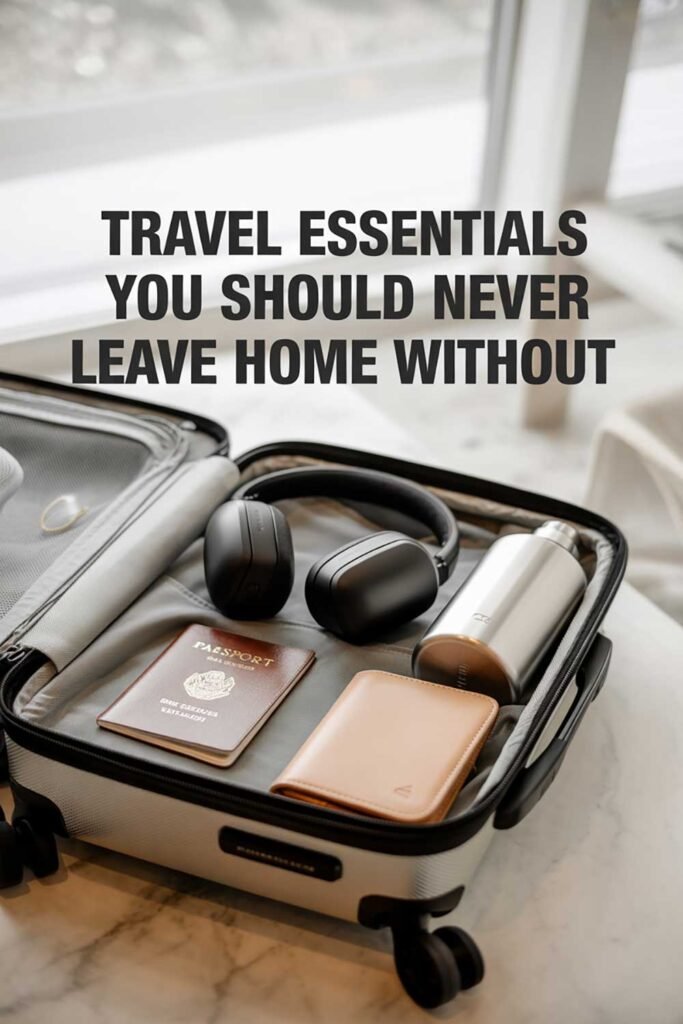
Beyond pure capacity, the right personal item keeps your in-flight essentials organized and accessible. Headphones, chargers, snacks, water bottles, tablets, books, and travel documents can all be at your fingertips rather than stuffed in your overhead carry-on.
Types of Bags That Work as Personal Items
Several categories of bags can serve as personal items, each with different strengths.
Backpacks
Backpacks designed specifically as personal items often offer the best combination of capacity and organization. They are shaped to maximize under-seat dimensions, include laptop sleeves and organizational pockets, and distribute weight comfortably when you need to carry them through airports.
Look for backpacks with a boxy or rectangular shape rather than a traditional hiking backpack profile. The boxy shape fills the under-seat space more efficiently. Many travel backpack companies now make personal-item-specific bags designed to push the limits of airline allowances.
Tote Bags
Large structured totes can work well as personal items, especially for travelers who prefer over-the-shoulder carrying to backpack straps. The best totes for personal item use have wide flat bottoms, rigid sides that maintain their shape, and multiple interior compartments for organization.
The disadvantage of totes is that they typically offer less organization than backpacks and can become chaotic if overpacked. They also put all the weight on one shoulder, which is less comfortable for extended carrying.
Messenger Bags and Crossbody Bags
Messenger bags and large crossbody bags offer a middle ground between backpacks and totes. They are typically easier to access than backpacks while distributing weight better than totes.
For personal item use, look for messenger bags with substantial depth and width. Small, slim messenger bags waste valuable under-seat space. You want something that fills the allowed dimensions.
Duffle Bags
Soft duffle bags can pack a lot of capacity into personal item dimensions because they have no wasted space from rigid structures. The disadvantage is minimal organization and difficulty accessing items at the bottom.
Duffel-style bags work best for travelers who are packing soft goods like extra clothing and do not need frequent access to their personal item contents during the flight.
Specialized Personal Item Bags
Several luggage companies now make bags designed specifically to maximize personal item dimensions for various airlines. These bags often feature branding like “Spirit Airlines approved” or “Maximum personal item size” and are engineered to fill every inch of allowed space.
These specialized bags are worth considering if you frequently fly airlines with strict personal item limits. They take the guesswork out of sizing and are typically designed with travel-friendly features.
Features That Actually Matter in a Personal Item
When evaluating personal item bags, focus on these features.
Dimensions That Maximize Space
This is the primary consideration. Your personal item should be as large as possible while still fitting under the seat. A bag that is only 12 x 10 x 6 inches when airline limits allow 18 x 14 x 8 inches wastes nearly half of your available space.
Measure your prospective bag carefully and compare the dimensions to your target airline limits. Pay attention to depth as well as height and width. Many bags sacrifice depth, but that dimension contributes significantly to total capacity.
Laptop Compartment
If you travel with a laptop or tablet, a dedicated padded compartment keeps your device protected and accessible. The best laptop compartments are positioned against your back (when worn as a backpack) for weight distribution and protection.
Some personal item bags have laptop compartments that can lay flat, allowing you to pass through airport security without removing your laptop. This feature saves time if you fly frequently.
Organization Pockets
Without some organization, a maximized personal item becomes a chaotic pit where items disappear. Look for bags with pockets for chargers and cables, slots for pens and documents, and compartments that separate different categories of items.
That said, too many pockets can actually reduce usable space by adding bulk from pocket materials. Find a balance between organization and capacity.
Water Bottle Pocket
An external water bottle pocket lets you carry hydration without sacrificing interior space. Look for stretchy mesh pockets that accommodate various bottle sizes. A pocket that fits your preferred water bottle is more useful than a pocket sized for bottles you never use.
Comfortable Carrying
You will carry your personal item through airports, to gates, and possibly during layovers. Comfortable straps, padded back panels, and balanced weight distribution make a meaningful difference over a long travel day.
For backpack-style personal items, look for padded shoulder straps and a back panel that breathes. For totes and messenger bags, look for padded shoulder straps that distribute weight.
Durable Construction
Your personal item will be shoved under seats, dropped on airport floors, and generally subjected to rough treatment. Choose materials and construction that can handle abuse. Reinforced stitching, quality zippers, and durable fabrics extend the life of your bag.
Easy Access Main Compartment
A wide opening to the main compartment makes packing and accessing contents easier. U-shaped or horseshoe zippers that open the bag fully are ideal. Narrow openings that require you to reach deep into the bag are frustrating during travel.
How to Pack Your Personal Item Strategically
Choosing the right bag is only half the equation. How you pack it determines how much you can actually fit.
Layer by Access Need
Pack items you will need during the flight near the top or in easily accessible pockets. This includes headphones, chargers, snacks, reading material, and anything else you might want without pulling the bag out from under the seat. Items you will not need until you land can go at the bottom.
Use Packing Cubes or Pouches
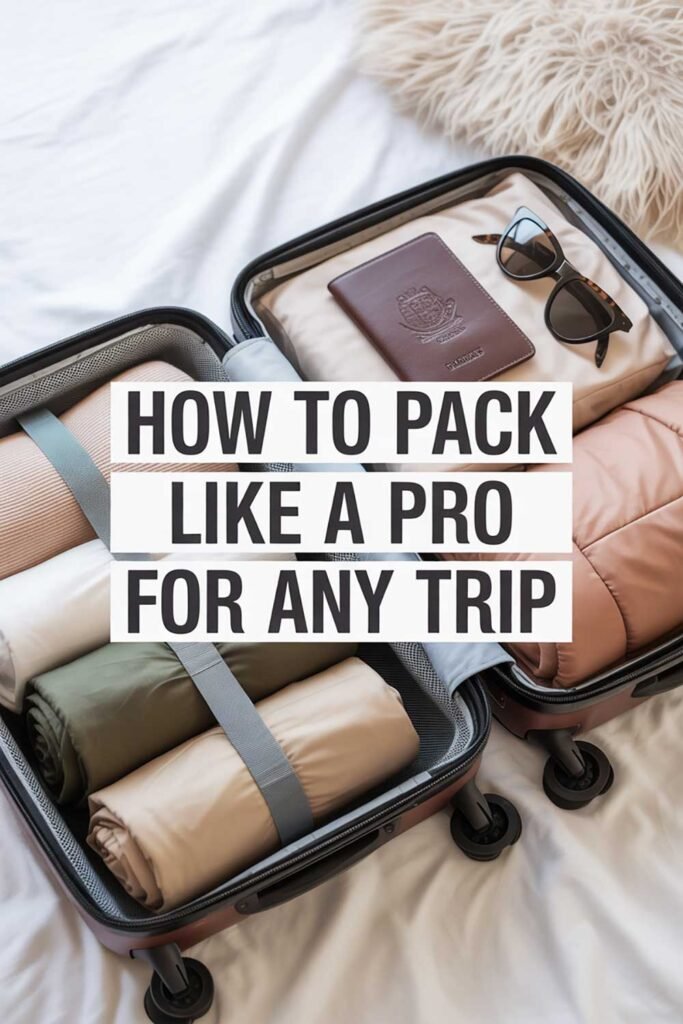
Even in a smaller personal item, packing cubes or pouches keep contents organized and compressed. A small packing cube can corral cables and chargers. A flat pouch can hold documents and boarding passes. Organization prevents the chaos that makes bags feel smaller than they are.
Wear Your Bulkiest Items
If you are traveling with a jacket, hoodie, or other bulky clothing item, wear it on the plane rather than packing it. This frees space in your personal item for other items and keeps you warm on typically cold aircraft.
Roll Soft Items
If your personal item includes clothing, roll each piece rather than folding. Rolling compresses clothes into tighter packages and eliminates the air pockets that folding creates. Rolled items also fit into irregular spaces more easily.
Fill Dead Space
Every bag has dead space: corners that are hard to fill, gaps around larger items, pockets that are not quite the right size for anything. Fill these spaces with small soft items like socks, underwear, or scarves. Wasted space is wasted capacity.
Compress Before Closing
Before zipping your personal item closed, press down on the contents to compress them. Many bags have more capacity than they appear to when contents are allowed to puff up. Compression squeezes out air and makes room for additional items.
Personal Item Strategies for Different Traveler Types
Different travel scenarios call for different personal item approaches.
The Budget Airline Minimalist
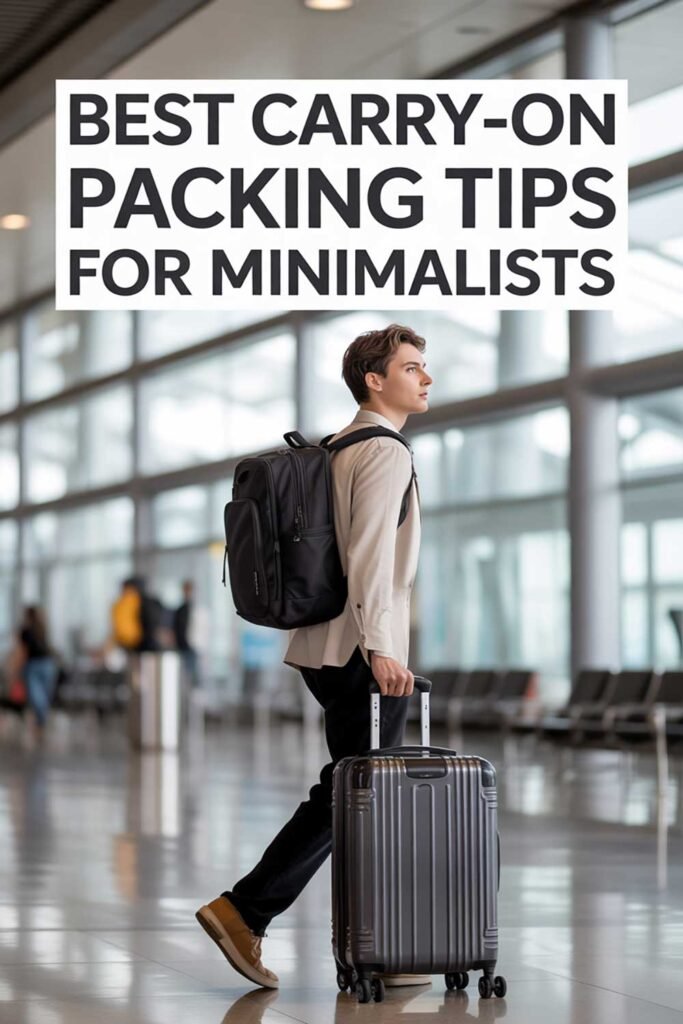
If you fly ultra-low-cost carriers and want to avoid all bag fees, your personal item is your only luggage. Choose a bag that maximizes the airline’s specific dimensions. Pack ruthlessly, bringing only true essentials. Consider wearing your bulkiest clothes and shoes on travel days.
For multi-day trips with just a personal item, focus on versatile clothing that can be worn multiple ways, minimal toiletries, and only the electronics you truly need. Many travelers are surprised by how much they can fit once they commit to minimalism.
The Carry-On Supplementer
If you travel with a carry-on and want your personal item to extend your total capacity, choose a bag sized to complement your carry-on. Pack overflow items, in-flight essentials, and anything you want accessible during the journey.
Your personal item becomes an extension of your carry-on system. Items that do not fit in the main bag or that you need to access frequently belong in the personal item.
The Business Traveler
Business travelers often need their personal item to function as a mobile office. Prioritize laptop protection, organization for documents and supplies, and professional appearance. A structured backpack or messenger bag in a neutral color works for most business contexts.
Ensure your bag accommodates your laptop securely and provides easy access for security screening. A checkpoint-friendly bag that lets you pass through without removing your laptop saves time on frequent travel days.
The Family Traveler
When traveling with children, your personal item often becomes the everything bag: snacks, entertainment, diapers, wipes, changes of clothes, and anything else kids might need during the flight. Choose a bag with excellent organization and easy access.
Consider a backpack that leaves your hands free for managing children, strollers, and other family logistics. External pockets for quick access to frequently needed items are particularly valuable.
Top Recommendations by Category
While specific product recommendations can become outdated, here are categories and features to look for.
Best for Budget Airlines
Look for bags explicitly marketed for budget airline personal item limits. These are typically sized to exactly match Spirit, Frontier, or similar carrier requirements. Features should include maximum capacity within those dimensions, lightweight construction to leave weight for contents, and durable materials that survive gate-check situations if they occur.
Best for Everyday Travel
For general purpose travel across various airlines, look for bags sized to fit comfortably under any seat while still offering substantial capacity. Features should include laptop protection, thoughtful organization, comfortable carrying for extended periods, and versatile styling that works for multiple travel contexts.
Best for Business
Professional contexts call for bags with clean lines and mature aesthetics. Look for leather accents or professional fabrics in black, navy, or brown. Features should prioritize laptop and document organization, quick access to travel documents, and construction that maintains its shape when set down in meetings.
Best for Maximum Capacity
When pure capacity is the priority, look for bags with boxy shapes that fill every inch of allowed space. Features to prioritize include expandable designs, minimal internal structure that wastes space, and wide openings that make packing easier.
Common Personal Item Mistakes to Avoid
Learn from the mistakes of other travelers.
Choosing Style Over Function
A fashionable bag that does not meet airline size requirements or does not pack efficiently is a poor travel choice regardless of how good it looks. Function must come first for personal items, with style as a secondary consideration.
Ignoring Airline-Specific Limits
Assuming all airlines have the same personal item limits leads to unpleasant surprises at the gate. Research your specific airline before every trip, especially if you are flying a new carrier or one you fly infrequently.
Overpacking the Personal Item
Just because you have maximized your personal item capacity does not mean you should fill every inch. An overstuffed personal item is difficult to close, uncomfortable to carry, and may bulge beyond size limits. Leave a little room for comfort and flexibility.
Forgetting In-Flight Needs
Packing your personal item for maximum capacity without considering what you will need during the flight leads to frustration. You do not want to pull your bag out and unpack it mid-flight to find your headphones. Pack with access in mind.
Using a Bag That Does Not Fit Under the Seat
If your personal item does not fit under the seat, you have to put it in the overhead bin, which defeats the purpose. You lose accessibility, and on full flights, you might not have overhead space for both your carry-on and an oversized personal item. Always verify that your bag actually fits under standard seats.
Real-Life Examples: Personal Item Optimization in Action
Maria’s Budget Airline Victory
Maria flies Spirit Airlines frequently to visit family. For years, she paid carry-on fees because she could not imagine fitting her belongings into a personal item. Then she invested in a bag specifically designed to maximize Spirit’s personal item dimensions.
With the new bag and a commitment to packing light, Maria now travels for weekend visits with just her personal item. She estimates she saves over $200 per year in bag fees. The upfront cost of the bag paid for itself within two trips.
James’s Business Travel System
James travels weekly for work and has refined his personal item into a mobile office. His structured backpack fits a 15-inch laptop, chargers, a portable mouse, noise-canceling headphones, documents for his meetings, and a change of clothes for emergencies.
He pairs this personal item with a small rolling carry-on that holds his main wardrobe. The system works seamlessly: everything he needs during transit lives in the personal item, while everything he needs at the destination lives in the carry-on. He never checks bags and never feels unprepared.
The Thompson Family Solution
The Thompson family of four flies together several times per year. They discovered that maximizing everyone’s personal items dramatically reduced their total bag count. Each child carries a backpack personal item with their own entertainment, snacks, and a change of clothes. The parents carry larger personal items with family supplies and overflow items.
What used to require checked bags and overhead space for multiple carry-ons now fits in four personal items under seats and two carry-ons overhead. The family moves through airports faster, never waits at baggage claim, and saves money on checked bag fees.
Caring for Your Personal Item
A quality personal item should last for years with proper care.
Cleaning
Wipe down your bag after trips to remove dirt and grime. For deeper cleaning, check the manufacturer’s care instructions. Many bags can be spot cleaned with mild soap and water. Some fabric bags can handle gentle machine washing.
Zipper Maintenance
Zippers are often the first component to fail. Keep them clean, remove debris, and apply zipper lubricant occasionally to keep them gliding smoothly. Address sticky zippers before they fail completely.
Storage
Store your personal item in a cool, dry place when not in use. If the bag has structure, store it stuffed loosely to maintain its shape. Avoid compressing it tightly for extended periods.
Repairs
Address small issues before they become big problems. Loose stitching, small tears, and failing hardware can often be repaired easily if caught early. Many bags come with warranties that cover manufacturing defects.
20 Powerful and Uplifting Travel Quotes to Inspire Your Next Journey
- “The world is a book, and those who do not travel read only one page.” — Saint Augustine
- “Travel is the only thing you buy that makes you richer.” — Anonymous
- “Adventure is worthwhile in itself.” — Amelia Earhart
- “Not all those who wander are lost.” — J.R.R. Tolkien
- “Life is short and the world is wide.” — Simon Raven
- “To travel is to live.” — Hans Christian Andersen
- “Take only memories, leave only footprints.” — Chief Seattle
- “The journey of a thousand miles begins with a single step.” — Lao Tzu
- “Traveling – it leaves you speechless, then turns you into a storyteller.” — Ibn Battuta
- “Once a year, go someplace you’ve never been before.” — Dalai Lama
- “We travel not to escape life, but for life not to escape us.” — Anonymous
- “Jobs fill your pocket, but adventures fill your soul.” — Jaime Lyn Beatty
- “Travel makes one modest. You see what a tiny place you occupy in the world.” — Gustave Flaubert
- “The real voyage of discovery consists not in seeking new landscapes, but in having new eyes.” — Marcel Proust
- “Don’t tell me how educated you are, tell me how much you have traveled.” — Mohammed
- “Travel far enough, you meet yourself.” — David Mitchell
- “Life begins at the end of your comfort zone.” — Neale Donald Walsch
- “A journey is best measured in friends, rather than miles.” — Tim Cahill
- “Own only what you can always carry with you.” — Alexander Solzhenitsyn
- “Wherever you go, go with all your heart.” — Confucius
Picture This
Let this scene settle into your mind.
You are boarding a flight, walking down the narrow aisle toward your seat. In front of you and behind you, travelers struggle with overstuffed carry-ons, trying to cram them into overhead bins that are rapidly filling. A flight attendant announces that the flight is full and some bags may need to be gate-checked. People look anxious, wondering if their carefully packed bags will make it to their destination with them.
You reach your row and slide into your seat with a small smile. Your carry-on, modestly sized, slips easily into the overhead bin. Your personal item, perfectly sized to the airline’s exact specifications, slides beneath the seat in front of you with room to spare. Everything you need for the flight is at your feet: your tablet, your headphones, your snacks, your water bottle, your charger, your travel documents. Everything you need for your destination is overhead, neatly packed and secure.
A traveler across the aisle is arguing with the flight attendant about their oversized bag. Another traveler is trying to rearrange the entire overhead bin to make their suitcase fit. You settle into your seat, pull out your tablet, and start reading. Your packing is done. Your stress is zero.
This feeling of calm preparation did not happen by accident. It happened because you thought strategically about your personal item. You chose a bag that maximizes your allowed space. You packed it thoughtfully, with accessibility in mind. You measured, you researched, you planned. And now you get to reap the reward: a smooth boarding process while others scramble.
The flight pushes back from the gate. You are comfortable. You have everything you need. Under your seat, your personal item sits quietly, a small bag that punches far above its weight. It carries more than you would have thought possible before you learned to maximize it. It represents hundreds of dollars in saved bag fees over the years. It represents freedom from checked luggage, from baggage claim waits, from lost bag anxieties.
Hours later, the plane lands. While other passengers wait at baggage claim, you walk straight out of the airport and into your adventure. Your personal item over your shoulder, your carry-on rolling behind you, your journey already underway while others are still waiting for their checked bags to appear.
That is the power of a maximized personal item. Not just extra space, though the space is real. But freedom. Efficiency. The satisfaction of mastering a system that most travelers never think about.
You mastered it. And now every trip is a little smoother because of it.
Share This Article
If this guide helped you see your personal item in a new light, think about who else might benefit from this perspective shift. Think about your friend who always seems to overpack and complains about bag fees. Think about your family member who has never considered that personal item size actually matters. Think about the budget traveler in your life who could save real money by maximizing their free luggage allowance. Think about anyone you know who is about to take a trip and might be grabbing any old bag without thinking strategically.
This article could help them travel lighter, smarter, and cheaper.
Share it on Facebook and tag the chronic overpacker who needs to read this. Send it in a text to someone with a trip coming up. Post it on X (formerly Twitter) and share your own personal item strategy or ask for recommendations. Pin it to your travel tips board on Pinterest where it can help you and others pack smarter. Email it to family members who fly frequently. Drop it in any travel community or packing tips forum where people are looking for ways to travel with less hassle.
Every share helps another traveler stop wasting their personal item allowance and start using every inch of space they are entitled to.
Visit us at DNDTRAVELS.COM for more packing tips, gear recommendations, travel strategies, and everything you need to travel lighter and smarter.
Disclaimer
The information provided in this article is for general informational and educational purposes only and should not be interpreted as professional travel, purchasing, or airline policy advice. All personal item size limits, airline policies, bag recommendations, and packing strategies described in this article are based on publicly available information, general industry knowledge, and the past experiences of travelers and the author. Airline personal item policies, size limits, and enforcement practices vary by carrier and can change at any time without notice.
DNDTRAVELS.COM and the authors of this article make no guarantees or warranties, expressed or implied, regarding the accuracy, completeness, reliability, suitability, or timeliness of the information presented. We are not affiliated with, endorsed by, sponsored by, compensated by, or officially connected to any airline, bag manufacturer, or retailer mentioned in this article unless explicitly stated otherwise. The mention of any airline, product type, or brand category does not constitute an endorsement, recommendation, or guarantee of compliance with any airline’s specific policies.
Personal item policies are set and enforced by individual airlines at their sole discretion. Size limits, measurement methods, and enforcement practices can vary by airport, gate agent, and flight. A bag that is accepted on one flight may be flagged on another even on the same airline. We strongly recommend that you verify current size limits directly with your specific airline before every trip, measure your bag accurately, and be prepared for the possibility that policies may be enforced more or less strictly than expected. Consider having a backup plan if your personal item is deemed oversized at the gate.
By reading and using the information in this article, you acknowledge and agree that DNDTRAVELS.COM, its owners, authors, contributors, partners, and affiliates shall not be held responsible or liable for any bag fees, denied boarding, gate-check situations, purchasing decisions, or any other negative outcomes that may arise from your use of or reliance on the content provided herein. You assume full responsibility for your own packing decisions and compliance with airline policies. This article is intended to educate and inform travelers about personal item optimization, not to serve as a substitute for verifying current airline policies or your own independent judgment and due diligence.