How to Build a Vacation Budget Before Choosing Your Destination
Most people pick a destination first and worry about the cost later. That is how a dream trip turns into a stressful one. A better order is to set your budget first, and let it guide where you go, how long you stay, and what you do when you get there.
This guide walks you through the steps: set a total, split it into categories, work out a daily number, and match it to destinations. To see what activities really cost, take a look at what tours and activities really cost on Viator as you plan.
Grab Our Travel Packing Checklist Before You Pack
A good budget also covers what you bring. Our free Travel Packing Checklist covers every essential, so you avoid buying things you already own.
Get the Free Checklist Now
Why Budget Comes Before Destination (1-4)
- 1. A budget narrows your choices. There are thousands of places you could go. Knowing your number cuts the list down fast, so you spend your time on options you can actually afford.
- 2. It protects you from regret. A trip you love but cannot afford can leave you with stress for months. A plan you can pay for lets you enjoy every day. For a simple way to start saving, read a no-stress travel savings plan for busy people.
- 3. It shows you the trade-offs. With a budget, you can decide whether you want a short luxury trip or a longer simple one. Both can be great, but they are different choices.
- 4. It makes everything else easier. Once your number is set, booking, packing, and planning all feel calmer. You know what you can say yes to.
Know What Experiences Will Cost
Activities are one of the easiest parts of a trip to price ahead of time. Viator lists tours, tastings, day trips, and local experiences with clear prices, so you can see what a day out costs in the places you are considering. Popular tours sell out, and booking early gives you the best choice of times.
Compare Activity Prices on ViatorYou can also look at ticket and tour prices on GetYourGuide to compare.
Find Your Total Number (5-9)
“A good budget is not about spending less. It is about spending on purpose.”
- 5. Start with what you can afford. Look at your savings and your income, and decide how much you can spend without going into debt. That is your ceiling, not a target to hit.
- 6. Count your real savings. Include money you have set aside, plus what you can add before your trip. Do not count money you may need for bills or emergencies.
- 7. Avoid paying with debt. Interest can turn a nice trip into a long burden. If you use a card, plan to pay it off in full.
- 8. Set up a travel fund. A separate account keeps your trip money safe from everyday spending. Learn how to build a separate travel fund without feeling broke and start small.
- 9. Decide for how many people. A budget for one, two, or a family changes everything. Decide who is coming, since each person adds flights, food, and activities.

Divide the Budget Into Categories (10-15)
- 10. List the main categories. Most trips include flights or other transportation, lodging, food, activities, local transportation, and extras. Write each one down, so nothing is forgotten.
- 11. Flights and lodging come first. For most trips, these are the two biggest costs. Price them early, since they set the limits for everything else.
- 12. Check what flights cost. Prices vary by region and season. Look at flight prices to different regions on Trip.com to see which destinations fit your budget.
- 13. Plan food on purpose. Food costs vary a lot by place and by habit. Think about how many meals you will eat out, and how many you can make or buy cheaply.
- 14. Add activities and extras. Tours, tickets, souvenirs, and tips add up. Decide on one or two paid highlights, and leave room for free things.
- 15. Do not forget insurance and fees. Travel insurance, baggage fees, and visa or entry fees can be real costs. Add them to your list, and you can compare insurance plans in the resource section below.
Want a Second Opinion on Your Budget? Ask Us
If you are not sure how far your budget will go, we can help you match it to a trip. You can also browse our favorite tools for comparing trip costs to check prices on your own.
Help Me Match a Trip to My BudgetWork Out Your Daily Number (16-20)
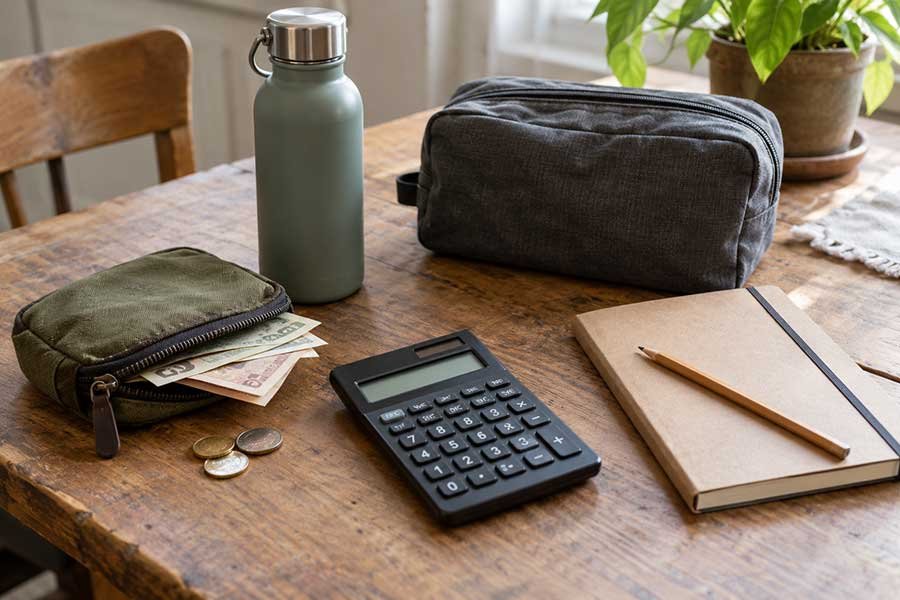
- 16. Subtract the big costs first. Take your total, and subtract flights and lodging. What is left covers food, activities, local transportation, and extras.
- 17. Divide by the number of days. That gives you a rough daily spending amount. For example, if you have $400 left for a trip of eight days, that is about $50 a day for everything else. This is an example only, and your numbers will differ.
- 18. Look for ways to lower the big costs. A card that earns points can cover part of a flight or a hotel night. See points that cover part of the flight or hotel, and pay the balance in full.
- 19. Compare length and comfort. A shorter trip with nicer lodging and a longer trip with simpler lodging cost about the same. Decide which one you would enjoy more.
- 20. Make the daily number realistic. If your daily amount is very low for the places you want to go, change something. Shorten the trip, choose a cheaper place, or add to your savings.
Match Destinations to Your Budget (21-26)
- 21. Group places by cost. Some destinations are expensive almost everywhere, others are cheap almost everywhere, and many fall in between. Sort your wish list into low, medium, and high cost.
- 22. Start with budget-friendly choices. If money is tight, look at budget-friendly destinations around the world to find places where your money goes further.
- 23. Look at value, not just price. A cheap trip is not always a good one. Choose a place that gives you the experience you want at a price you can handle.
- 24. Consider the time of year. Prices for flights and lodging rise in peak season and drop in quieter seasons. Traveling just outside the busiest weeks can save a lot.
- 25. Think about Europe. Some European cities are expensive, but others offer great value. Read about European destinations that offer real value before you rule the region out.
- 26. Compare three destinations. Pick your top three, and price each one with the same categories. Put them side by side, and the best fit is usually clear. Do not forget to compare the cost of getting there, since flights can change the answer.

Price Out Flights and Packages
A fare alert helps you book at a fair price and see how costs change over time. A flight and hotel bundle can also change the math, so check flight-and-hotel bundles to compare totals on Expedia too.
Compare Fare Alerts on AviasalesFind Savings Without Ruining the Trip (27-32)
- 27. Be flexible with dates. Moving your trip by a few days can lower flight and hotel costs. Compare prices for different days before you book. Midweek flights and stays are often cheaper than weekends, and a few days earlier or later can move you out of a busy period. Check a few combinations, and write down the best one.
- 28. Compare lodging by neighborhood. Rooms in slightly less central areas can cost much less. Browse lodging prices by neighborhood on Booking.com and check transit and safety before you choose.
- 29. Choose free cancellation. A refundable booking protects your budget if plans change. It also lets you rebook if a lower price appears.
- 30. Eat like a local. Markets, bakeries, and local cafes often cost less than tourist restaurants, and the food is often better. Plan a few special meals and keep the rest simple.
- 31. Mix paid and free activities. Walks, parks, markets, and viewpoints cost little or nothing. Add a few low-cost tours and local experiences on Viator for the highlights you do not want to miss.
- 32. Look at all-in options. Some trips bundle lodging, meals, and transportation into one price, which makes budgeting simple. Compare the full cost against building a trip piece by piece.
Plan for Hidden Costs and Surprises (33-37)
- 33. Watch for baggage fees. Many airlines charge for checked bags, and fees vary. Add them to your flight cost to see the true price.
- 34. Watch for lodging fees. Taxes, resort fees, cleaning fees, and parking charges can add to the nightly rate. Compare stays by the final price.
- 35. Plan for getting around. Airport transfers, public transit, taxis, and rental cars add up. Look up the likely costs before you decide.
- 36. Think about money fees. Some banks and cards charge fees for foreign purchases or cash withdrawals. Check your card terms before you go.
- 37. Add a buffer. Many travelers add 10 to 15 percent for surprises. A buffer keeps one unexpected cost from ruining the whole plan.
Compare Room Rates Across Sites
Prices for the same room can differ from one site to the next. A quick comparison helps you find a fair rate with free cancellation, so your lodging budget stays on track.
Compare Hotel Prices on AgodaTrack and Adjust (38-41)
- 38. Put it all in one place. A simple spreadsheet or notebook with your categories, estimates, and actual costs works well. Keep it easy, so you will actually use it.
- 39. Update it as you book. Each time you pay for something, enter the real cost. Compare it to your estimate, and adjust the rest of your plan if needed.
- 40. Make small changes early. If costs run high, change something small, such as the dates, the lodging, or one activity. Early changes are easier than late ones.
- 41. Review before you go. A week before the trip, look at what is paid and what is left. You will know exactly where you stand, and you can enjoy the trip without worry.
How Julian Planned a Trip That Fit
Julian fell in love with a destination from a photo and booked flights right away. Then he priced lodging, food, and activities, and realized the trip cost far more than he had planned. He spent the next few months stressed and cutting corners.
On his next trip, he set his budget first. He subtracted flights and lodging, worked out a daily number, and compared three destinations. He picked the one that fit, added a small buffer, and tracked his spending. The trip was comfortable, and for the first time, he came home without a knot in his stomach.
Quick Answers About Vacation Budgets
How much should I budget for a vacation?
There is no single right number. Start with what you can comfortably afford without going into debt, then work backward to decide how long to go and where to travel.
How much extra should I add as a buffer?
Many travelers add a cushion of about 10 to 15 percent for surprises such as price changes, delays, and unplanned meals or rides.
Should I choose a destination first or a budget first?
Budget first is usually easier. Once you know your total and your daily spending, you can compare destinations by cost and pick one that fits without stress.
What are the biggest costs on a vacation?
For most trips, flights and lodging make up the largest share, followed by food and activities. Local transportation, fees, and travel insurance also add up.
Book and Prepare — Every Resource in One Place
Everything needed to price out and book a trip that fits your budget — flights, hotels, tours, transfers, insurance, and more — all in one place. Each link opens a dedicated page with search tools, reviews, and booking options. If you like one price that covers a lot, look at cruise deals that bundle lodging, meals, and travel.
Flights
Search and compare flights across airlines and routes, and check bag fees before you book.
Trip.com · Aviasales · ExpediaTours, Activities, and Experiences
Tours, tastings, and day trips show clear prices up front, which makes them easy to budget. Book them with your trip to lock in the best times.
Viator · GetYourGuideHotels and Accommodations
Search hotels, apartments, and inns, and compare the total price with free-cancellation rates.
Booking.com · Agoda · ExpediaAirport Transfers and Transportation
Pre-book airport transfers, trains, buses, and ferries at a set price, so transportation costs are no surprise.
12GoTravel Insurance
Compare travel insurance plans from multiple providers, and add the cost to your budget.
VisitorsCoverageBook Everything in One Place
Search flights, hotels, and more through our booking portal.
Book A TripPicture This
You know your number, and every part of the trip fits inside it. The flights are booked, the room is refundable, and there is a little cushion for surprises. You are not worried about the cost, because you planned for it. All that is left is the fun part.
Before You Pack: Grab the Free Packing Checklist
A well-planned trip starts with a real packing plan. Our free Travel Packing Checklist covers every essential and every pre-departure step, so nothing gets left behind.
Get the Free ChecklistChoose One Planned Highlight
Once your budget is set, pick one activity worth planning for. Tours, tastings, and day trips on Viator show clear prices, so you know exactly what to put in your budget, and the best times go quickly.
Add One Planned ActivityGet Smart Budget Travel Tips
We share budget travel tips, planning guides, and trip ideas on Facebook. Follow our page so the next helpful tip lands in your feed.
Follow Along on Facebook for Budget TipsWant Help Planning the Trip?
If sorting out flights, hotels, and every other detail feels like a lot, let us help. Tell us where you’re headed and we will help pull the plan together.
Plan Our EscapeBecome An Agent
Love helping people plan trips? See how to turn that into a home-based travel business.
Become An AgentExplore Our Top Picks for a Better Trip
These are the booking platforms, travel tools, and services we personally rely on — tested, trusted, and recommended because they have consistently made every part of the journey better.
See Our Top PicksTravel Printables at Premier Print Works
Visit Premier Print Works for packing checklists, trip planning guides, travel organization printables, and tools that make every trip easier to plan and more enjoyable to take.
Visit Premier Print WorksDisclaimer
This article is for general information only. It is not financial, legal, or tax advice, and it is not official advice from any airline, hotel, bank, insurance provider, or booking platform. We are not a booking agent or an insurance agent. We are not a representative of any company named or linked in this article. This is true unless we say otherwise. All content reflects our own opinions and research at the time of writing.
Examples in this article use round numbers for illustration only and are not a prediction of real prices. Travel costs, fees, exchange rates, card terms, and cancellation policies vary widely and change often. Please make financial decisions that fit your own situation, and consider speaking with a financial professional. Always confirm current prices and terms directly with each provider before you buy. We do not control and are not responsible for the pricing, availability, policies, or content on any third-party platform linked from this article, including but not limited to Booking.com, Agoda, Expedia, Trip.com, Aviasales, Viator, or GetYourGuide. We make no guarantees or promises about specific rates, deals, or outcomes.
This article contains affiliate and partner links. If you click through and make a purchase or booking, we may earn a commission at no additional cost to you. This helps support Don and Diana’s Travels and allows us to continue creating free travel content and resources.
Stories on this site combine real experiences from Don, Diana, clients, and travelers we have worked with. Details may be adjusted for privacy and narrative clarity. All content is the copyrighted property of Don and Diana’s Travels. You may not copy or republish our content without prior written permission. By reading this article you acknowledge that you have read and agree to this disclaimer.