Cruise Travel Hacks for First-Time Cruisers
Your first cruise will surprise you in the best possible ways if you know what seasoned cruisers know before they ever step on the gangway. The ship is bigger than you imagined. The food is better than you expected. The ports are more accessible than you thought. And with the right preparation, every single day feels effortless. This article gives you that preparation.
Grab Our Travel Packing Checklist
Packing for a cruise is different from packing for any other trip. Formal nights, shore excursion days, sea days, and tiny cabin storage all change what you bring and how you pack it. Our free checklist walks you through every essential so you board prepared and confident.
Get the Free ChecklistEmbarkation day is one of the best days of a cruise if you play it right and one of the most exhausting if you do not. The difference is almost entirely about when you arrive at the terminal.
Aim to arrive at the port terminal as early as your cruise line allows check-in to begin, typically between 10:30 a.m. and noon. First-time cruisers often assume they should arrive closer to the ship’s departure time. The opposite is true. Early arrivals check in faster, board in the first groups, and get access to the ship while the majority of passengers are still in line at the terminal. You can explore the ship freely, claim prime pool loungers, make specialty restaurant reservations, and enjoy a first lunch onboard without crowds.
Do not book travel that arrives in the port city the same morning as embarkation. Fly in the day before and stay one night near the port. Flight delays, ground transportation issues, and unexpected disruptions happen. If you miss the ship because your flight was delayed the morning of sailing, the cruise line will not hold the ship for you. Arriving the night before eliminates that risk entirely and gives you a relaxed morning before what is going to be a wonderful week.
She stepped off her first cruise ship seven days later and immediately started planning the next one because nobody had told her just how much world a single ship could carry.
Arrive early to the ship, stay late to the dining room, and read the newsletter every night. That is the whole system.
Complete your online check-in as soon as the cruise line opens it, usually 90 days before sailing for most lines. Upload your passport photo, fill in your payment details, and select your boarding time. Guests who complete online check-in early get earlier boarding windows and spend significantly less time in terminal lines on embarkation day.
Let Us Plan Your First Cruise
Booking a first cruise involves more decisions than most travelers expect. Which cruise line, which itinerary, which cabin category, which dining package, which shore excursions. Let us walk you through every choice and book the cruise that actually fits your travel style. Real agents, real cruise expertise, real ease.
Plan Our EscapeCruise ship cabins are small. Interior cabins especially are marvels of engineering designed to fit everything two people need into a space that would be a modest walk-in closet at home. The first-time cruiser who is not prepared for this finds the cabin claustrophobic and cluttered within a day. The one who arrives with a few key items finds it surprisingly workable.
Bring a power strip with USB ports. This is the single most recommended item by experienced cruisers and the most commonly forgotten by first-timers. Most cruise ship cabins have only one or two standard outlets. With a travel-safe surge-free power strip, you turn one outlet into four or six and charge all your devices at once without fighting over wall access. Make sure it does not have a surge protector built in as some cruise lines do not allow these on board. Check your cruise line’s policy before you pack.
Pack four to six magnetic hooks. Cruise ship cabin walls are almost entirely steel beneath the panel finish. Magnetic hooks stick to most of them and instantly give you places to hang bags, robes, lanyards, hats, and the day’s outfit without using closet space. Combined with the over-the-door organizer some cruisers bring, magnetic hooks can genuinely double the usable storage in a small cabin.
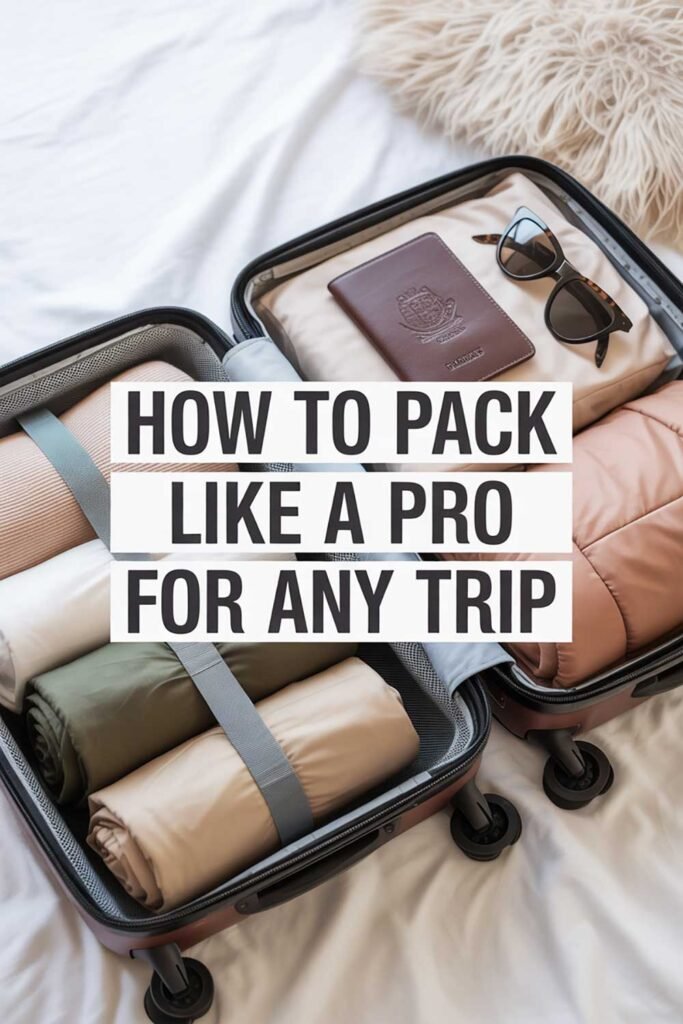
Use packing cubes and keep your suitcase stored under the bed. Most cruise cabin beds have significant under-bed storage space. Sliding your suitcase under the bed frees up the floor and makes the cabin feel immediately larger. Keep folded clothes in packing cubes inside the suitcase or in the dresser drawers. Hang only what needs hanging. The smaller your cabin footprint, the more comfortable the space feels.
Bring a small over-the-door shoe organizer with clear pockets. Hang it on the bathroom door or the closet door and use it for toiletries, sunscreen, sunglasses, keycards, charging cables, and small daily items. It keeps surfaces clear, makes everything visible at a glance, and prevents the constant unpacking and repacking that makes small cabins feel chaotic.
Food is one of the great joys of cruising and one of the areas where first-timers leave the most value on the table. Most cruise ships offer multiple dining options, each with its own character, pace, and experience. Knowing which to use when is a skill the experienced cruiser has and the first-timer discovers on day three.
Eat breakfast at the buffet. The buffet on a cruise ship is genuinely impressive, with dozens of hot and cold options, fresh stations, made-to-order eggs, and all the coffee and juice you want. It is open for a long window, casual, and perfect for port days when you need to eat quickly and get off the ship. For a relaxed sea day morning, the main dining room breakfast is a lovely slower alternative worth trying at least once.
Eat dinner at the main dining room as often as you can. This is where the cruise experience shines. Attentive table service, multiple courses, a daily menu that changes every evening, and the chance to linger over a meal without feeling rushed. Request the same table and the same waitstaff for your entire cruise on your first night. The staff who serve you every evening learn your preferences fast, remember your drink orders, remember that you do not like cilantro, and make the dining room feel like a personal restaurant by night three.
Save the specialty restaurants for a special occasion. Most cruise lines charge an additional fee of $25 to $60 per person for specialty dining. The food is excellent but it is worth saving for a birthday, an anniversary, or a night you want to celebrate rather than booking every night and running up a bill you were not expecting.
Visit the specialty restaurants on embarkation day for lunch. Many cruise lines open their specialty restaurants for lunch on the first day with a reduced cover charge or sometimes for free to introduce first-timers to the concept. It is the best value opportunity on the whole cruise for experiencing premium dining without the full dinner price tag.
The Cruise Gear We Actually Pack
The magnetic hooks that transformed a small cabin, the power strip that every cruiser on the ship needed, the over-the-door organizer that keeps two people’s toiletries visible and accessible, and the travel lanyard that holds your keycard for every single day at sea. Real cruise gear from real sailings.
DND FavoritesShore excursion days are the crown jewels of any cruise itinerary. The ports you visit, the experiences you have off the ship, and the memories you make ashore are what most cruisers talk about for years. Getting this right starts long before you ever step on the gangway.
Research and book your shore excursions as soon as they become available, typically 90 to 120 days before sailing depending on the cruise line. The most popular experiences in the most popular ports sell out fast. Swim with stingrays in Grand Cayman, ATV tours in Cozumel, wine tours in Dubrovnik, glacier hikes in Alaska. These excursions have limited capacity and a shipload of passengers all wanting the same things. Book early or miss them entirely.
You have two options for shore excursions. Book directly through your cruise line or book independently through a third-party operator. Cruise line excursions cost more but come with a significant guarantee. If a cruise line excursion runs late and causes you to miss the ship’s departure, the ship will wait for you or get you to the next port at no cost. With an independent excursion, the ship leaves on time regardless of where you are. For first-time cruisers, cruise line excursions are often the safer and less stressful choice, especially in unfamiliar ports.
On port days, be back at the ship at least 45 minutes before the all-aboard time printed in your daily newsletter. Not on time. Early. The gangway closes before departure and passengers who miss it face the cost of getting themselves to the next port on their own. This sounds dramatic until you see it happen and realize how easily a traffic delay, a long lunch, or a missed bus can eat into a tight timeline.
On at least one port day, skip the organized excursion and explore independently. Walk out of the port area, find a local cafe for breakfast, wander a neighborhood the ship’s shore excursion brochure does not mention, and eat lunch where locals eat rather than where the ship directs you. Some of the best cruise memories come from the unplanned port morning when someone just started walking and found something wonderful.
Every night on a cruise ship, a daily newsletter called the Patter, the Compass, the Daily Programme, or some version of this depending on your cruise line appears under your cabin door. It contains tomorrow’s full schedule. Every activity, every show time, every restaurant opening and closing time, every port arrival and departure time, every special event, every sale in the shops, every fitness class and spa promotion. It is the single most valuable piece of paper on the ship and most first-time cruisers glance at it once and leave it on the nightstand.
Read it the night before, not the morning of. The morning is too late to book the cooking demonstration that fills in ten minutes, to reserve the trivia team spot, to know that the pool deck will be closed for maintenance until noon. Reading the newsletter the night before lets you plan tomorrow’s day intentionally instead of wandering the ship discovering things after they have already started or sold out.
Use it to plan a rough framework for the next day. Not a rigid schedule. A loose guide. Which activity at which time. Which restaurant for which meal. What time to be on deck for the port arrival. What show to see after dinner. Cruises reward the guests who engage with them fully, and the newsletter is the tool that makes full engagement possible.
Most cruise lines now also have a ship app where the daily schedule appears digitally. Download it before you board and turn on notifications for activities you want to attend. The app also handles onboard messaging, restaurant wait times, and account balances on many ships. Use both the paper newsletter and the app. They complement each other and together mean you never miss anything worth attending.
The Cruise She Almost Did Not Take
Nadia had been offered a spot on a cruise three times before she finally said yes. She was not a cruise person, she always said. Too many people. Too scheduled. Too much like a floating resort, which was not the kind of traveler she thought she was. She booked it reluctantly to accompany a close friend who had been asking for years. She read almost nothing about it in advance. She packed wrong. She arrived at the port an hour before departure and waited in a line that moved at a pace that made her question every decision.
Then she got on the ship. The scale of it stopped her in the atrium. The smell of the ocean coming through the open deck stopped her again. She found her cabin, smaller than expected but perfectly organized, and stood on her tiny balcony as the ship moved away from the dock and the city she had arrived in that morning began to shrink behind her.
By day two she had found the rhythm of it. Breakfast at the buffet with a coffee and a sea view. A morning in port walking a city she had never heard of before seeing it on the itinerary. Lunch back on the ship followed by an afternoon in a deck chair with a book and no agenda. Dinner at the main dining room with a waiter who remembered that she liked sparkling water and brought it without being asked. A show after dinner that was better than she expected. The daily newsletter read carefully before bed so tomorrow was already loosely planned.
She stepped off that first cruise ship seven days later and immediately started planning the next one because nobody had told her just how much world a single ship could carry. The reluctant cruiser became the person who recommends cruising to everyone. She just needed someone to tell her what the experienced ones already knew.
One of the most common first-cruise surprises is the final account bill. Cruisers who expected to spend a fixed amount discover that gratuities, specialty dining, drinks packages, shore excursions, spa treatments, and casino charges have added hundreds or sometimes thousands of dollars to what they thought was an all-inclusive vacation. None of this is hidden. All of it is avoidable with a little understanding before you board.
Most cruise lines add automatic daily gratuities to your onboard account, typically $15 to $20 per person per day. On a seven-day cruise for two people, that is $210 to $280 added to your bill. Know this before you sail. It is not optional on most lines and it is the most fair and effective way to compensate the crew who work seven-day weeks for the entire season. Budget for it as part of your cruise cost, not as a surprise at the end.
Drinks are almost never included in a base cruise fare unless you specifically purchased a drinks package. Check your booking carefully. Alcoholic drinks typically cost $10 to $15 each onboard. A drinks package at $70 to $100 per person per day sounds expensive but breaks even quickly if you drink two or three beverages a day including specialty coffees, sodas, and bottled water. Do the math for your habits before you buy or decline.
Set a daily onboard spending limit in your head before you board. Use the ship app or guest services to check your account balance every two or three days so nothing accumulates without your awareness. The easiest way to avoid a shocking final bill is to stay loosely informed about what you are spending throughout the cruise rather than discovering it all at once on disembarkation morning.
Bring a small amount of cash in the local currency for each port. Your cruise ship card does not work ashore. Most port towns have ATMs but they often have long lines on cruise days when thousands of passengers arrive at once. A small cash reserve of $30 to $50 per port covers a local lunch, a market purchase, and a tip for a local guide without needing to find an ATM under pressure.
Book Your First Cruise the Right Way
Cruises have more variables than almost any other type of trip and getting the right combination of line, ship, itinerary, and cabin makes an enormous difference to your experience. Our travel agents specialize in matching first-time cruisers with the right sailing for their travel style. Skip the guesswork and book with people who know cruise ships inside and out.
Book A TripCommon First-Time Cruiser Mistakes to Avoid
Most first-cruise regrets come from a handful of very common and very avoidable mistakes. Here is what goes wrong most often for first-time cruisers and exactly how to handle each one differently.
Flying in the same morning as embarkation
This is the single highest-risk mistake a first-time cruiser can make. If your flight is delayed for any reason and you miss embarkation, the ship sails without you and you bear the full cost of getting to the first port on your own, which is often in another country. Always fly in at least the day before and stay near the port. The extra hotel night is cheap compared to the cost and stress of missing your ship.
Not booking shore excursions in advance
First-time cruisers often assume they will figure out shore excursions once they see the ports. The most popular experiences sell out weeks or months before sailing. By the time you are onboard reading the excursion brochure, the glacier hike, the catamaran tour, and the cooking class you wanted are already full. Research excursions when you book the cruise and reserve the ones that matter most as early as the cruise line allows.
Spending every evening in the cabin
Cruise ships come alive in the evenings. Shows, live music, themed deck parties, trivia nights, cooking demonstrations, comedy acts, and a dozen other events happen every single night. First-time cruisers who retreat to their cabin after dinner miss half of what makes a cruise special. Read the newsletter, pick one evening event, and go. By day three you will wonder how you ever considered spending evenings in a small cabin when all of this was happening outside the door.
Ignoring the ship on port days
When the ship is in port and thousands of passengers stream off, the ship itself becomes a different experience entirely. The pools are empty. The buffet has no lines. The gym is quiet. The spa has availability. The deck chairs are free. First-time cruisers who spend every port day off the ship miss the delightful quietness of a nearly empty vessel. On at least one port day, stay on the ship for a few hours in the morning and experience it the way the crew does.
Overpacking formal wear
Most modern cruise lines have moved away from strict formal nights and now use terms like “elegant casual” or “smart casual” for their dressier evenings. Many ships have eliminated formal nights entirely on shorter sailings. Before you pack four formal outfits for a seven-day cruise, check your specific ship and sailing for the actual dress code. One dressier outfit and a smart casual option covers the vast majority of modern cruise evenings without filling your suitcase with clothes you will not wear.
Not tracking onboard spending
The cruise ship keycard makes spending invisible in the moment. You tap it at the bar, the spa, the gift shop, and the specialty restaurant without handing over any physical money. First-time cruisers often arrive at disembarkation morning to a bill that is double what they expected. Check your account balance every two or three days through the ship app or guest services so nothing accumulates as a surprise. A quick two-minute check every few days keeps you in control of your onboard budget for the entire sailing.
Love Cruising? Make It Your Business
Cruise travel agents are among the most in-demand specialists in the travel industry. Families, couples, and groups all want guidance from someone who knows the ships, the lines, and the ports. If cruising excites you and helping others plan their perfect sailing sounds like a dream career, becoming a home-based travel agent might be exactly the next step. See how it works.
Become An AgentFrequently Asked Questions
These are the questions first-time cruisers ask most often before and after their first sailing. Real answers from real cruise experience.
What should I pack for a cruise that I would not pack for a regular vacation?
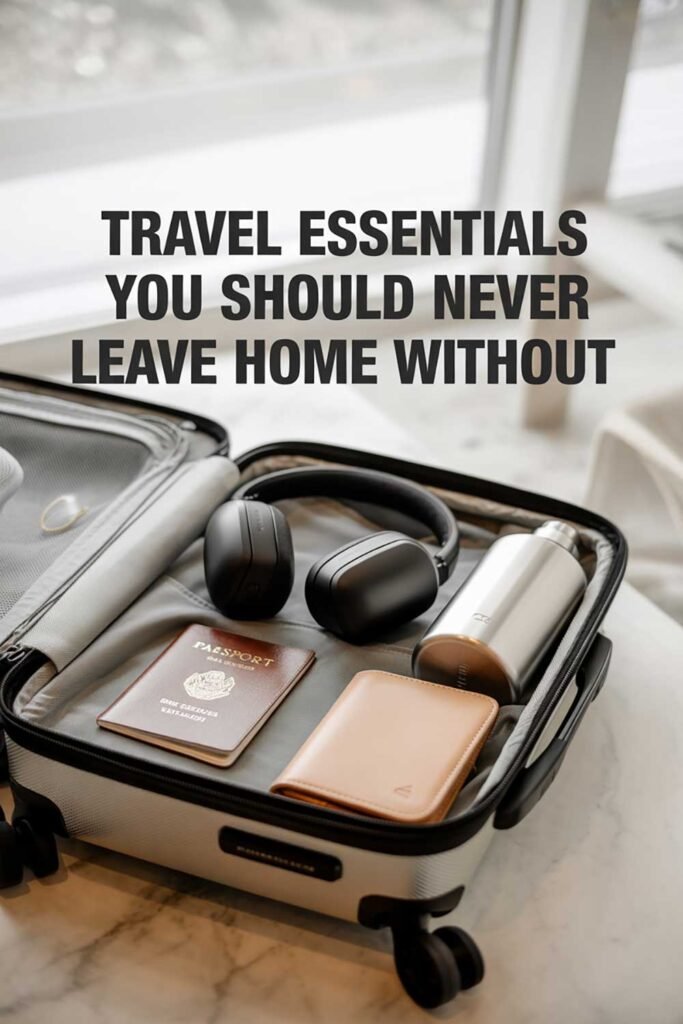
A power strip with USB ports and no surge protector, magnetic hooks, a travel lanyard for your keycard, an over-the-door organizer for the cabin bathroom, motion sickness medication or patches even if you do not think you need them, a refillable water bottle for port days, and a small day bag or backpack for going ashore. Many cruisers also bring their own toiletries since cabin toiletries are minimal, a night light for the very dark interior cabins, and a power adapter if sailing on a foreign flagged ship with different outlet types.
Will I get seasick on a cruise?
Modern cruise ships are extraordinarily large and equipped with sophisticated stabilizer systems that reduce motion significantly. Most passengers on modern ships never experience seasickness even on rough sea days. The passengers most likely to feel motion are those in cabins on higher decks and toward the front or back of the ship. Midship cabins on lower decks experience the least motion. If you are concerned, bring motion sickness medication or patches as a precaution, stay hydrated, spend time on deck looking at the horizon, and avoid large meals and alcohol on rougher sea days. Most first-time cruisers are surprised by how stable large ships feel even in moderate seas.
Is it safe to leave the ship independently in ports?
Yes, in most ports on most itineraries. The port area and nearby town centers are generally very safe and designed to welcome cruise passengers. In some ports in higher-risk regions, your cruise line will provide specific guidance about which areas are safe for independent exploration and which require an organized excursion. Read that guidance carefully. For first-time cruisers in unfamiliar regions, cruise line excursions provide a safe and structured way to experience ports while you learn which destinations lend themselves well to independent exploration on future sailings.
How does tipping work on a cruise ship?
Most major cruise lines add automatic daily gratuities to your onboard account, ranging from about $14 to $20 per person per day depending on the line and cabin category. These gratuities are distributed among your cabin steward, dining room staff, and behind-the-scenes crew. They are considered standard and are not optional on most lines. Beyond automatic gratuities, it is customary to tip extra in cash to exceptional individual crew members at the end of the cruise, your cabin steward and favorite dining room waiter especially. You can adjust automatic gratuity amounts at guest services if you have specific concerns, but they should be considered part of the cost of the cruise when budgeting.
What happens on a sea day when the ship is not in port?
Sea days are full days spent entirely on the ship sailing between ports with no destination stop. First-time cruisers sometimes dread sea days before they experience them and love them by the end of the cruise. The ship typically offers its fullest daily program on sea days with more activities, more entertainment, more food events, and more deck time than port days. Pool deck is in full use, live music plays throughout the day, activities run back to back, the spa often runs sea day specials, and the dining rooms and restaurants operate on a fuller schedule. Most experienced cruisers consider sea days among their favorite days of any sailing. The key is reading the newsletter the night before so you engage rather than wander.
What cruise line is best for a first-time cruiser?
The best cruise line for a first-time cruiser depends entirely on the traveler’s age, travel style, budget, and preferred destinations. Royal Caribbean and Norwegian Cruise Line are popular for first-timers seeking a lively, activity-rich experience on large modern ships. Carnival is a strong value option for budget-conscious first-timers who want a fun, casual atmosphere. Princess and Holland America tend toward a more refined, slightly older demographic and offer excellent itineraries at mid-range prices. Celebrity Cruises bridges the gap between mainstream and premium. For luxury first-timers, Viking and Oceania offer smaller ships and destination-intensive itineraries. A travel agent who specializes in cruises can match your specific preferences to the right line far better than any online comparison tool.
A cruise is not a vacation where you go somewhere. It is a vacation where somewhere comes to you, morning after morning, port after port, with a floating home waiting to welcome you back every evening.
Picture Your First Day at Sea
You board early. The atrium stops you. You find your cabin, unpack in twenty minutes with everything in its place, and step onto your balcony as the ship leaves the dock. The city shrinks behind you. The ocean opens ahead. That evening you have dinner at the main dining room, your waiter brings sparkling water without being asked because you mentioned you liked it, and after dessert you read the newsletter for tomorrow. You fall asleep to the sound of the ocean and wake up somewhere new. That is what a first cruise feels like when you are ready for it.
One More Thing Before You Board
Print our free Travel Packing Checklist before your cruise. It is built to handle everything from formal night outfits to shore excursion day bags to the cabin hacks most first-timers discover only after they wish they had packed them. The same checklist we recommend to every first-time cruiser before every sailing.
Get the Free ChecklistExplore Our Top Picks for a Better Trip
From the magnetic hooks that transformed a small cabin to the travel power strip every cruiser wishes they had packed, see the cruise gear and travel resources we actually recommend for first-time cruisers. Real picks from real sailings, tested and trusted over years of cruise travel.
See Our Top PicksTravel Prints and Printables From Our Shop
Visit Premier Print Works for travel journals, cruise planners, port day itinerary sheets, wall art, and printable goodies that make every cruise a little more beautiful and a lot more organized.
Visit Premier Print WorksDisclaimer
The information shared in this article is provided by Don and Diana’s Travels for general informational, educational, and inspirational purposes only. It reflects our personal experiences, opinions, and the experiences of travelers we have worked with. It is not professional travel, legal, financial, medical, or insurance advice, and it should not be relied on as such.
Travel Information and Booking
Cruise line policies, pricing, itineraries, dining options, shore excursion availability, gratuity structures, drinks packages, dress codes, onboard fees, port schedules, and safety advisories change often and without notice. Before booking or traveling, always confirm current details directly with your cruise line, travel agent, port authorities, and the government travel advisory office for your destination and country of origin. We make no guarantee that any information in this article is accurate, complete, or up to date at the time you read it. Cruise line terms and conditions vary significantly between lines and should be reviewed carefully before booking.
Shore Excursion and Port Safety
Shore excursions and independent port exploration involve personal risk. Safety conditions in ports and destinations change and vary widely by region. Always follow your cruise line’s port safety guidance and check current government travel advisories for each destination before your sailing. We are not responsible for any loss, injury, or inconvenience arising from shore excursion bookings, independent port exploration, or any activity conducted off the ship. Third-party shore excursion operators are independent of Don and Diana’s Travels and we are not responsible for their services, safety practices, or outcomes.
Affiliate and Partner Links
This article may contain affiliate links, partner links, referral links, and links to products or services that pay us a commission. If you click a link and book a trip, make a purchase, sign up for a service, or complete any qualifying action, we may earn a small commission at no extra cost to you. This includes but is not limited to links to our travel booking platform, host agency, recommended products, the Premier Print Works shop, and any third-party retailers or service providers mentioned in the article. Our recommendations are based on real use and genuine belief in the products and services we share. Commissions help support the cost of running this site and producing free content for our readers.
Third-Party Websites and Services
We may link to third-party websites, services, and resources for your convenience. We do not control these sites and are not responsible for their content, terms of service, privacy practices, pricing, availability, accuracy, customer service, refund policies, or any product or service they sell. Your use of any third-party site is entirely at your own risk and subject to that site’s own terms and policies.
Health, Safety, and Personal Responsibility
Travel involves personal risk. You are solely responsible for your own health, safety, travel insurance, medications, vaccinations, documentation, financial decisions, and choices while planning or taking any trip. Consult a licensed physician before cruising if you have any health conditions, are pregnant, or have concerns about motion sickness or sea travel. We strongly recommend purchasing comprehensive travel insurance that includes cruise-specific coverage for every sailing. Don and Diana’s Travels, its owners, employees, contractors, and affiliates accept no liability for any loss, injury, illness, delay, cancellation, missed port, ship mechanical issue, damage, theft, or inconvenience arising from your use of the information in this article or from any travel decisions you make.
Composite Stories and Characters
Some stories, examples, and traveler experiences shared on this site are composites. They are drawn from the real experiences of Don, Diana, clients, friends, and travelers we have worked with over the years. Names, identifying details, locations, and circumstances may be combined, changed, or fictionalized to protect privacy and to better illustrate a point. Any resemblance to a specific real person beyond the composite portrayal is unintentional.
No Guarantees
We do not guarantee any specific result, outcome, savings, experience, or financial return from using the information, tips, services, or products mentioned in this article. Cruise itineraries, port schedules, and onboard experiences are subject to change at the cruise line’s discretion. Your results depend on many personal factors, including your own choices, effort, circumstances, and external conditions outside of our control.
Copyright and Use
All content in this article, including text, images, graphics, design, and original stories, is the copyrighted property of Don and Diana’s Travels unless otherwise noted. You may not copy, republish, redistribute, modify, sell, or reuse our content in whole or in part without our prior written permission. You are welcome to share a direct link to this article with proper credit.
By reading and using the information in this article, you acknowledge that you have read, understood, and agree to this disclaimer in full.