Best Packing Practices for Long-Term Travel
Master the Art of Living Out of One Bag
Long-term travel transforms how you think about possessions. When you’re traveling for months instead of days, every item in your bag needs to earn its place. You can’t pack “just in case” items or bring entire wardrobes. The secret to successful long-term travel isn’t packing more—it’s packing smarter. The difference between struggling with heavy luggage and moving freely through the world comes down to strategy, not stuff.
Most people drastically overpack for long trips because they apply short vacation logic to long-term travel. But spending three months abroad is nothing like a week-long beach vacation. You’ll do laundry regularly, buy essentials locally, and discover that you need far less than you think. The travelers who master long-term packing understand a fundamental truth: freedom comes from traveling light, and traveling light requires ruthless decision-making about what really matters.
The Mindset Shift That Changes Everything
Before you pack a single item, you need to change how you think about travel gear. Stop asking “might I need this?” and start asking “will I definitely use this multiple times per week?” If something doesn’t meet that standard, leave it home. You’re not packing for every possible scenario—you’re packing for the most likely situations, with the understanding that you can buy or borrow items for rare occasions.
Jennifer Martinez from Seattle spent six months traveling through Southeast Asia with only a 40-liter backpack. “The first time I packed, I filled a huge suitcase,” she recalls. “Then I read about minimalist travel and challenged myself to cut everything in half. Then I cut it in half again. I was terrified I’d be missing crucial items, but I never once wished I’d brought more. I actually shipped things home because I still had too much.”
This mindset shift extends beyond clothing. Toiletries, electronics, and comfort items all need scrutiny. That neck pillow takes up valuable space—can you use a rolled-up jacket instead? Those five different charging cables—can you consolidate with universal options? The hair dryer—do hotels and hostels usually provide them? Question everything, because every ounce you carry adds up over months of travel.
Choosing the Right Bag
Your choice of luggage fundamentally impacts your long-term travel experience. The debate between backpacks and wheeled luggage has passionate advocates on both sides, but for long-term travel, a quality backpack usually wins. Backpacks allow you to navigate stairs, cobblestones, beaches, and rough terrain that destroys wheeled luggage. They keep your hands free and distribute weight more ergonomically than pulling a roller bag.
Choose a backpack in the 40-50 liter range for long-term travel. This size is large enough for months of gear but small enough to carry on planes, avoiding checked bag fees and lost luggage anxiety. Look for bags with hip belts that transfer weight from your shoulders to your hips, making heavy loads manageable. Compression straps let you cinch the bag down when it’s not full, keeping contents stable.
Marcus Thompson from Portland has traveled continuously for three years with the same 45-liter backpack. “I researched for months before buying my pack,” he explains. “I needed something durable enough for years of use, comfortable enough for long walking days, and professional-looking enough that I didn’t feel like a backpacker when meeting clients. The investment in a quality bag pays off when you’re using it every single day.”
Add a smaller daypack—around 15-20 liters—that fits inside your main bag. This serves as your daily carry for exploring cities, hiking day trips, and flights when you check your main bag. Some travelers use packable daypacks that fold into tiny pouches when not in use, saving precious space in the main bag.
Building a Versatile Wardrobe
Clothing is where most people overpack dramatically. The key to long-term travel wardrobes is versatility and layering. Every piece should work with multiple other pieces, creating different outfits from limited items. Stick to neutral colors—black, gray, navy, and earth tones—that coordinate easily and hide stains better than bright colors or white.
The Core Wardrobe Formula
For long-term travel, aim for roughly seven days of clothing. This seems impossibly minimal, but remember you’ll be doing laundry weekly anyway. More clothes just means more weight without functional benefit. A solid long-term wardrobe includes: three to four tops that can be dressed up or down, two pairs of pants (one casual, one slightly nicer), one pair of shorts, seven pairs of underwear, four pairs of socks, one light jacket, one warm layer, and one pair of comfortable walking shoes plus sandals or dress shoes.
Choose technical fabrics that dry quickly, resist wrinkles, and wick moisture. Merino wool is the gold standard for long-term travel—it’s naturally odor-resistant, so you can wear it multiple times between washes. It regulates temperature in both heat and cold. It dries quickly and doesn’t wrinkle. Yes, merino wool clothing costs more upfront, but it performs better and lasts longer than cotton, making it worthwhile for long-term travel.
Sarah Chen from San Francisco traveled for eight months through four continents with essentially the same seven outfits. “I had three merino wool t-shirts that I rotated constantly,” she shares. “I could wear each one twice before washing without any odor issues. Combined with two pairs of pants and one skirt, I could create different looks. Nobody ever commented that I wore the same clothes—they just noticed I always looked put-together despite traveling long-term.”
Dressing for Different Climates
Long-term travel often means experiencing multiple climates. The solution isn’t packing separate wardrobes for each climate—it’s layering. Base layers, mid-layers, and outer layers combine to handle temperature ranges from tropical heat to mountain cold. A lightweight down jacket compresses to fist-size but provides significant warmth. A rain shell protects against wet weather without taking up much space. Merino wool base layers work in both heat and cold.
Pack for the climate you’ll encounter most, then add minimal layers for temperature extremes. If you’re spending most time in warm climates with occasional cool mountain visits, pack for heat and add one warm layer. If you’re mostly in temperate zones with some beach time, pack for moderate weather and add one swimming suit. You can always buy additional items if you unexpectedly spend more time in a different climate than planned.
Toiletries and Personal Care
Toiletries are another area where travelers overpack. You don’t need full-size products for long-term travel—you need small amounts that you’ll refill or replace as you go. Most destinations sell basic toiletries, so you’re never truly far from shampoo, soap, or toothpaste.
Use a small toiletry bag—the size that fits in your palm—and pack only essentials: toothbrush and small toothpaste, small soap or body wash, small shampoo, deodorant, razor, and any necessary medications. That’s it. Everything else—hair products, makeup, lotion, sunscreen—can be purchased locally in small quantities and used up before moving to your next destination.
Amanda Foster from Denver mastered minimal toiletries during her year of travel. “I started with a huge toiletry bag full of products,” she admits. “Within two weeks, I’d mailed half of it home. I realized I didn’t need seventeen different products—I needed soap, shampoo, toothpaste, and deodorant. Everything else was just habit, not necessity. Simplifying my toiletries freed up so much space and eliminated the stress of liquids at airport security.”
For women, consider a menstrual cup instead of packing months of tampons or pads. One cup lasts years, takes up almost no space, and eliminates the need to find supplies in unfamiliar places. Similarly, solid shampoo bars last months and avoid liquid restrictions. Solid sunscreen sticks work well for regular reapplication without liquid limitations.
Electronics and Gadgets
Electronics require careful consideration for long-term travel. You need devices that serve multiple purposes and work reliably across different countries. Start with your phone—it’s your camera, map, translator, entertainment, and communication device. Invest in a quality international phone plan or learn to use local SIM cards.
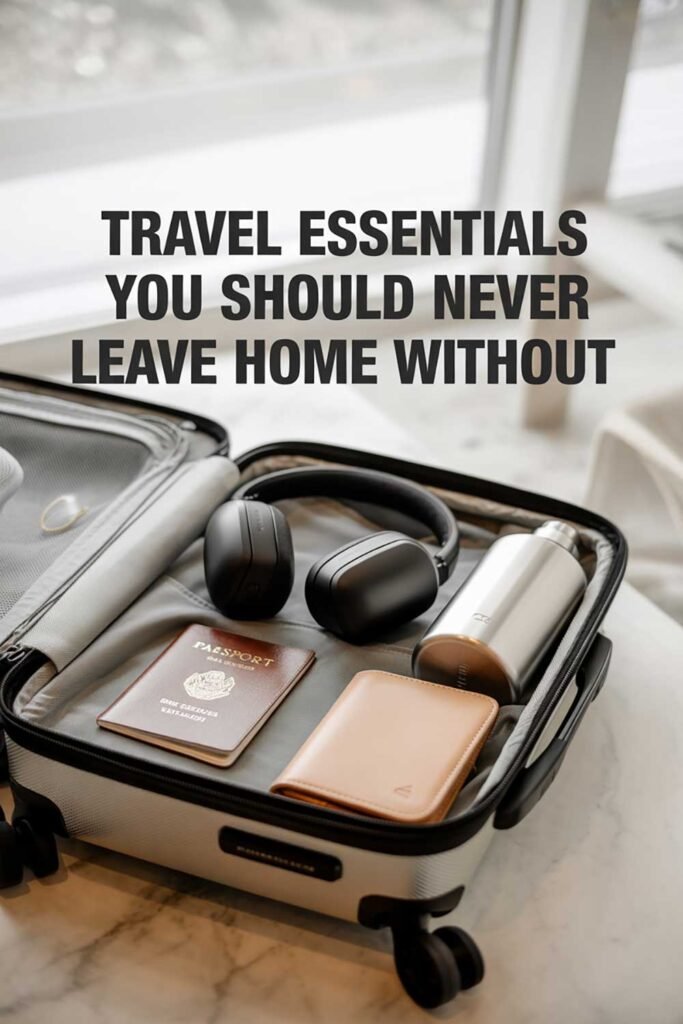
A lightweight laptop or tablet is essential if you work remotely, but skip it if you’re truly on vacation. Don’t pack “just in case” electronics. An e-reader saves space if you’re a voracious reader—one device holds thousands of books versus heavy paperbacks. Noise-canceling headphones improve flights, buses, and hostel dorm experiences dramatically.
Consolidate charging equipment. Universal adapters that work in multiple countries eliminate carrying separate adapters for each destination. Cables with multiple ends reduce the number of cables needed. Portable power banks keep devices charged during long travel days. Some travelers use multi-device charging stations that charge phone, laptop, and headphones from one outlet.
Michael Rodriguez from Chicago worked remotely while traveling for two years. “I spent serious money on a thin, light laptop that had all-day battery life,” he explains. “That investment paid off immediately. I could work from anywhere without hunting for outlets constantly. I also bought a mobile hotspot for backup internet access, which saved me multiple times when WiFi was terrible. Don’t cheap out on electronics you’ll use daily—quality matters for long-term travel.”
Smart Packing Techniques
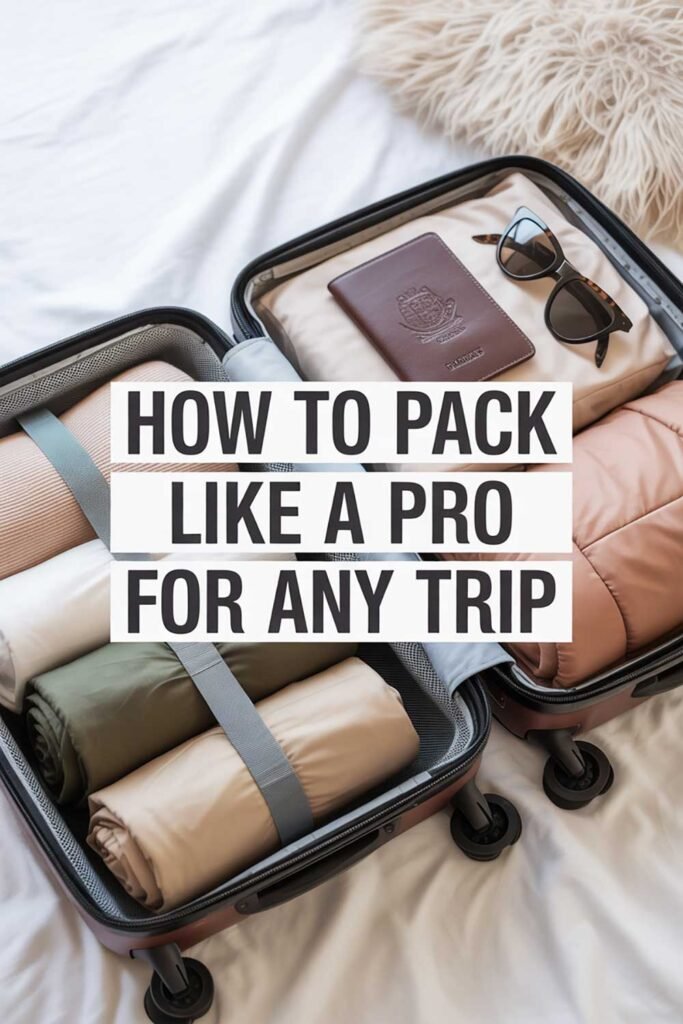
How you pack matters as much as what you pack. Packing cubes revolutionize organization and compression. They keep similar items together, making it easy to find things without unpacking your entire bag. They compress clothing, creating more space. Color-coding cubes by category—one color for tops, another for bottoms, a third for underwear—makes finding items effortless even in dim hostel dorm rooms.
Roll clothing instead of folding to minimize wrinkles and maximize space. Rolling also helps you see everything at once when you open your bag. Some travelers use a hybrid approach—rolling t-shirts and underwear while folding pants and jackets. Experiment to find what works for your specific items and bag.
Pack items you’ll need immediately in easily accessible locations. Jacket in the top compartment for cold airplane cabins. Toiletries in an outside pocket for quick access during bathroom stops. Electronics in a separate compartment for easy removal at security checkpoints. Don’t bury essential items at the bottom of your bag where they require unpacking everything to reach.
The One Bag Challenge
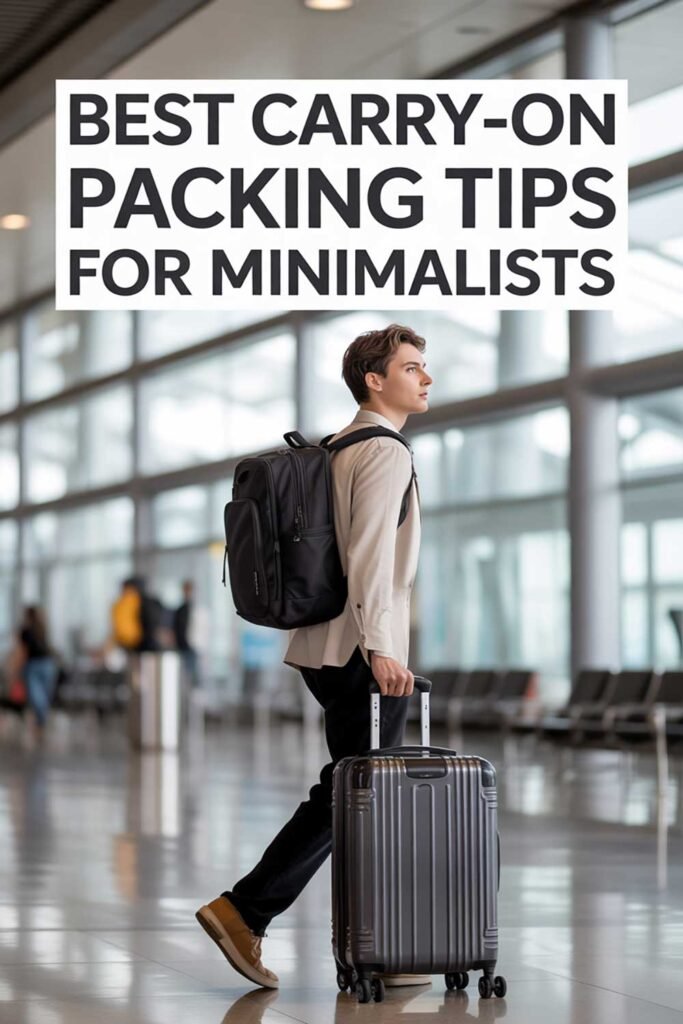
Many experienced long-term travelers advocate for the “one bag” approach—fitting everything you need in a single carry-on bag. This eliminates checked bag fees, prevents lost luggage, and makes transportation easier. You can hop on trains, buses, and flights without worrying about oversized luggage.
Jennifer Wilson from Boston traveled for six months with only carry-on luggage. “Going one bag seemed impossible at first,” she shares. “But I challenged myself and discovered how little I actually needed. The freedom was incredible—I could make last-minute flight changes without worrying about checked bags, I never waited at baggage claim, and I moved through cities easily. I’ll never go back to checked bags for long-term travel.”
The one bag approach requires discipline. You can’t pack backup options or rarely-used items. But it forces you to pack smart and realize that you can buy items if you truly need them during travel. Most long-term travelers discover they use far less than they pack, making one bag not just possible but ideal.
What to Leave at Home
Certain items seem essential but rarely get used during long-term travel. Books are heavy and take up space—use an e-reader or buy/trade paperbacks locally. Excessive shoes waste space—two pairs maximum for most travelers. Specialty clothing for activities you might do once—rent or buy locally if needed. Towels are bulky—many accommodations provide them, and quick-dry travel towels serve when needed.
Jewelry, beyond simple essentials, adds theft anxiety and packing bulk. Multiple bags—one bag is enough. Hair dryers, straighteners, and heating tools—use hotel/hostel options or embrace natural hair. Guidebooks—use phone apps instead. Converters—modern devices work on multiple voltages; you only need plug adapters.
Every item in your bag should serve a clear purpose and get used regularly. If you’re debating whether to bring something, the answer is usually no. You can buy almost anything you actually need during travel, often cheaper than at home and with the advantage of knowing you definitely need it rather than packing “just in case.”
Doing Laundry on the Road
Accepting that you’ll do laundry regularly liberates you from overpacking. Most accommodations offer laundry services or machines. When they don’t, hand-washing in sinks takes fifteen minutes and works fine for quick-dry fabrics. Carry a small amount of concentrated laundry soap or use regular soap in a pinch.
The key to manageable laundry is doing it frequently—every few days rather than letting everything get dirty at once. Wash items as needed rather than waiting for everything to be dirty. This keeps your clothing supply rotating and prevents the “everything is dirty” crisis that forces you to wear questionable items.
Quick-dry fabrics are essential for hand-washing success. Cotton takes forever to dry, but synthetic and merino wool fabrics dry overnight when hung properly. Some travelers carry a small portable clothesline with clips for drying items in rooms without hanging options.
Replacing and Upgrading Items
Long-term travel means your gear takes serious wear. Items will wear out, break, or stop meeting your needs. This is normal and expected. Don’t over-invest in gear you might replace—find the balance between quality that lasts and accepting that some items won’t survive months of constant use.
When items wear out, replace them during travel rather than limping along with broken gear. Most cities have outdoor stores, clothing shops, and electronics retailers where you can find replacements. Sometimes you’ll find better options abroad than you had at home. Use gear failure as an opportunity to reassess whether you actually need that item or if you’ve been carrying dead weight.
Rachel Martinez from Austin replaced half her original packing list during eight months of travel. “My cheap rain jacket fell apart after two months,” she recalls. “I bought a better one in Thailand for less than I paid for the original. My shoes wore out, so I bought local brands that worked great. By the end of my trip, almost everything I carried was different from what I started with—and my packing system was much better for the evolution.”
20 Powerful and Uplifting Quotes About Long-Term Travel Packing
- “The art of packing for long-term travel is learning that freedom comes from less, not more.”
- “Every item you pack is a decision about what matters—choose wisely and your bag becomes lighter in every sense.”
- “Long-term travelers know the secret: you need far less than you think, and happiness isn’t found in backup outfits.”
- “Packing light isn’t about sacrifice—it’s about understanding that mobility and simplicity create better travel experiences.”
- “The difference between a tourist and a traveler often comes down to the size of their bag and the weight of their expectations.”
- “Your biggest luxury in long-term travel isn’t five-star hotels—it’s being able to pack up and move at a moment’s notice.”
- “Every ounce you carry represents a choice—choose experiences over possessions, and your bag will naturally become lighter.”
- “Long-term packing teaches you that most of what you think you need is actually just what you’re used to having.”
- “The traveler who can live out of one bag has learned one of life’s most valuable lessons—you already have enough.”
- “Packing for months instead of days reveals the truth: you don’t need different outfits for every occasion; you need versatile pieces for every situation.”
- “When you realize you can travel the world with less than fits in a carry-on, you start questioning what else in life you’re overcomplicating.”
- “Long-term travel packing is meditation in action—every item considered, every choice deliberate, every addition questioned.”
- “The best investment in long-term travel isn’t expensive gear—it’s the wisdom to know what you actually need versus what you think you might need.”
- “Freedom isn’t having everything you want with you—it’s needing so little that you can go anywhere at any time.”
- “Experienced long-term travelers pack for the person they want to be on the road, not the person they are at home.”
- “Your bag’s weight determines more than your physical comfort—it determines your flexibility, spontaneity, and freedom to say yes to unexpected opportunities.”
- “The most important thing you pack for long-term travel isn’t in your bag—it’s the mindset that you’ll figure things out as you go.”
- “Long-term travel teaches you that washing the same seven outfits is infinitely better than lugging thirty outfits you don’t wear.”
- “Every item you leave home is one less thing to worry about, clean, carry, or potentially lose—subtraction is addition in travel.”
- “The seasoned long-term traveler knows: the best packing list isn’t the most comprehensive—it’s the most ruthlessly edited.”
Picture This
Imagine arriving in a new city with everything you own fitting comfortably on your back. You step off the train, navigate unfamiliar streets, climb hostel stairs, all without breaking a sweat or struggling with unwieldy luggage. You reach your room, unpack in five minutes because everything has a place and purpose, and you’re ready to explore while other travelers are still wrestling with their oversized suitcases.
Three months later, you’re still traveling with that same light pack. You’ve done laundry in sinks, machines, and laundry services across a dozen cities. You’ve worn the same seven outfits in countless combinations, and nobody has noticed or cared that you repeat clothes. You’ve replaced a few worn items with local purchases that work even better than your originals. Your toiletries fit in a bag smaller than your hand, and you’ve never once wished you’d packed more products.
When you spontaneously decide to change plans—extend your stay, catch an earlier flight, hop on a bus to somewhere new—you can do it immediately. There’s no stressing about oversized luggage or hoping your checked bag makes the connection. Everything you need is with you, accessible, and manageable. You move through the world with ease, and that ease transforms your entire travel experience.
This is the reality of mastering long-term packing. It’s not about deprivation or sacrifice—it’s about freedom, mobility, and discovering that you need far less than you thought to be happy. It’s about trading the false security of excess stuff for the real security of knowing you can handle anything because you’re not weighed down by unnecessary possessions. This is the gift of packing smart for long-term travel.
Share This Article
Do you know someone planning extended travel who’s stressed about packing? Share this article with them! Post it on Facebook to help friends learn how to pack light for long-term adventures. Pin it to your Pinterest travel board so you can reference these strategies when planning your own extended trip. Email it to anyone who’s about to embark on long-term travel and could use practical advice from experienced travelers.
When we share knowledge about practical travel skills, we help others avoid common mistakes and enjoy better travel experiences. Let’s spread the word that long-term travel doesn’t require massive amounts of stuff—it requires smart strategies and the confidence to pack light!
Disclaimer
This article is provided for informational purposes only and is based on research, personal travel experiences, and general knowledge about long-term travel packing. Every traveler has different needs, preferences, climates to navigate, and activities planned. What works for one person may not work for another.
The packing suggestions in this article are guidelines, not absolute rules. Your specific needs may vary based on destinations, duration, activities, work requirements, medical needs, and personal preferences. Always consider your individual circumstances when making packing decisions.
Specific gear brands and products may vary in quality and availability. Research current options and read recent reviews before purchasing expensive travel gear. Prices and availability of items can change significantly.
Clothing and gear recommendations assume generally healthy adult travelers without special medical or accessibility needs. If you have specific medical requirements, mobility limitations, or other considerations, adjust packing lists accordingly and consult with healthcare providers about necessary items.
Some destinations have different cultural norms around appropriate dress, and some activities require specific safety gear. Research your destinations thoroughly and pack appropriately for local customs and planned activities. The minimalist approach described may not work for specialized activities like winter mountaineering, extended wilderness camping, or professional photo/video work.
We are not affiliated with any gear manufacturers or travel companies. Product mentions are for illustrative purposes only and do not constitute endorsements. We are not responsible for any decisions made based on the information provided herein, including purchases, packing choices, or travel plans. Always use your own judgment and research thoroughly before making travel decisions.