Backpack vs. Rolling Suitcase: How to Choose for Your Trip
The Ultimate Breakdown to Help You Pick the Perfect Luggage Style for Every Type of Adventure
Introduction: The Great Luggage Debate
Walk through any airport terminal and you will see two distinct tribes of travelers. On one side, the rolling suitcase people. They glide through the concourse with their bags trailing smoothly behind them, handles extended, wheels spinning effortlessly across polished floors. On the other side, the backpack people. They move with their belongings strapped to their backs, hands free, weaving through crowds with the agility of someone unburdened by wheels and telescoping handles.
Both groups believe they have made the right choice. Both groups look at the other and wonder why anyone would travel differently. And both groups, in their own way, are correct. Because the truth that gets lost in the backpack versus suitcase debate is that neither option is universally better. The right choice depends entirely on where you are going, how you are traveling, what you are bringing, and who you are as a traveler.
This is not a question with one right answer. It is a question that requires you to think carefully about your specific trip, your specific body, your specific priorities, and your specific travel style. The person who insists that backpacks are always better has never tried to look professional walking into a business meeting with a hiking pack on their back. The person who swears by rolling suitcases has never tried to drag one up five flights of narrow stairs in a centuries-old European building with no elevator.
This article is going to help you make the right choice for your next trip, and every trip after that. We are going to explore the genuine advantages and disadvantages of both options, identify the situations where each one excels, help you understand your own needs and preferences, and give you a framework for making this decision confidently every time you pack for a journey.
Understanding the Core Differences
Before we dive into when to use each type of luggage, let us make sure we understand what makes backpacks and rolling suitcases fundamentally different.
How You Carry the Weight
This is the most obvious difference, but it has far-reaching implications. A rolling suitcase transfers the weight of your belongings to the ground through wheels. You pull or push the bag rather than carrying it. Your body bears very little of the load as long as you are on smooth, flat surfaces.
A backpack transfers the weight directly to your body through shoulder straps and, ideally, a hip belt that shifts much of the load to your hips and legs. You carry everything with you, which requires more physical effort but gives you complete independence from the terrain beneath your feet.
This fundamental difference in weight distribution shapes almost everything else about how each type of luggage performs in different situations.
How You Access Your Belongings
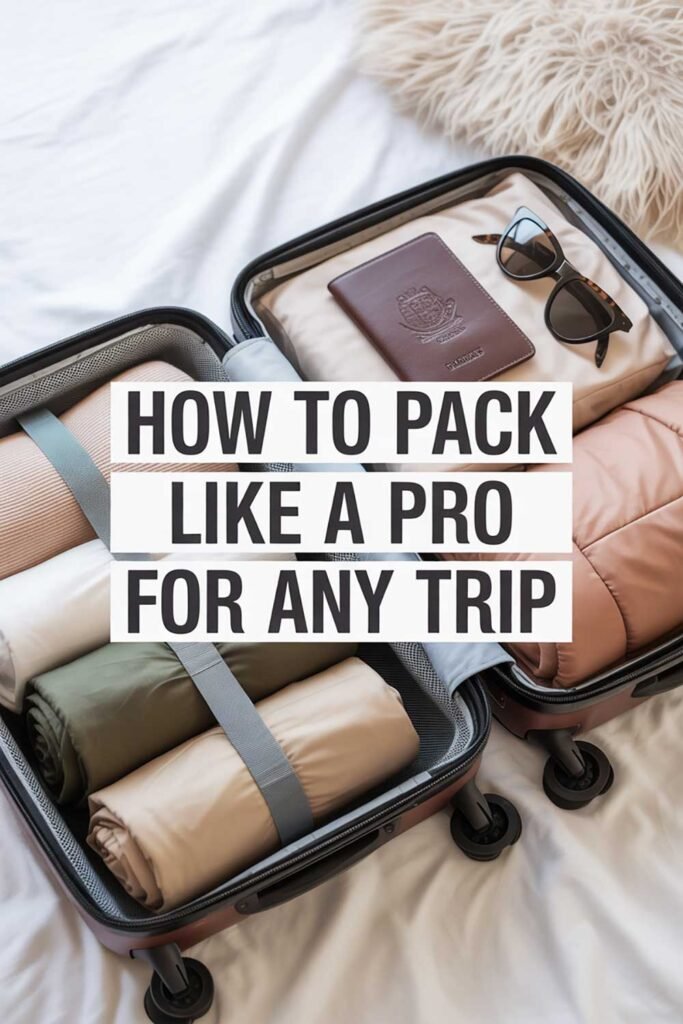
Rolling suitcases typically open like a clamshell, laying flat and giving you full visibility and access to everything inside. Packing and unpacking is intuitive. You can see your entire wardrobe at a glance and grab exactly what you need.
Backpacks traditionally load from the top, which means items at the bottom are buried under everything else. Many modern travel backpacks have addressed this with panel-loading designs that open like a suitcase, but even these do not offer quite the same ease of access as a fully flat rolling bag.
How Much You Can Fit
Surprisingly, a backpack and a rolling suitcase of similar external dimensions often hold roughly the same volume of clothing and gear. However, the rigid structure of a rolling suitcase protects that space, while a soft backpack can compress or expand slightly depending on how you pack it.
The real difference is in what happens to that capacity. A rolling suitcase’s interior space is fully usable for your belongings. A backpack sacrifices some interior volume to the harness system, hip belt padding, and internal frame that make it comfortable to carry.
How They Handle Different Terrain
This is where the differences become dramatic. A rolling suitcase is a dream on smooth airport floors, hotel lobbies, and paved city sidewalks. It becomes a nightmare on cobblestones, stairs, gravel paths, uneven pavement, and any terrain that wheels were not designed to handle.
A backpack does not care what is beneath your feet. Stairs, trails, beaches, train platforms, narrow alleyways, and muddy paths are all the same to a backpack. You walk the same way regardless of the surface, carrying your belongings with you wherever your feet can take you.
The Case for Rolling Suitcases
Rolling suitcases have become the dominant luggage choice for most travelers, and there are excellent reasons for their popularity.
Effortless Movement on Smooth Surfaces
When you are navigating airports, hotel lobbies, cruise ship corridors, and well-maintained urban environments, nothing beats the ease of rolling your luggage. You can pull a heavy bag for miles without fatigue because your body is not bearing the weight. This is a massive advantage for travelers with back problems, shoulder issues, or anyone who simply prefers not to work up a sweat while walking to their gate.
Professional Appearance
In business travel contexts, a sleek rolling suitcase looks polished and professional. Walking into a client meeting or a conference with a backpack strapped to your back sends a very different message than arriving with a rolling bag and a laptop briefcase. For some trips, appearance matters, and rolling suitcases win this category hands down.
Easy Packing and Organization
The clamshell design of most rolling suitcases makes packing intuitive and organized. You can lay out your clothes flat, use packing cubes efficiently, and find everything you need without unpacking everything else. Many suitcases include built-in organizational features like mesh dividers, compression straps, and dedicated compartments.
Protection for Fragile Items
The rigid structure of a hardside rolling suitcase provides excellent protection for fragile items like electronics, gifts, or breakable souvenirs. The hard shell shields your belongings from external pressure, impacts, and curious baggage handlers. If you are traveling with anything delicate, a hardside roller offers peace of mind.
Less Physical Strain Over Long Distances
If you have a long walk from the parking garage to your terminal, or you are navigating a sprawling resort property, or you are transferring between terminals at a major hub, a rolling suitcase saves your body from absorbing the weight of everything you packed. For travelers who prioritize physical comfort and ease, this is a significant benefit.
The Case for Backpacks
Backpacks might require more physical effort, but they offer advantages that rolling suitcases simply cannot match.
Terrain Independence
A backpack goes wherever you go, regardless of what is under your feet. Cobblestone streets in Europe, muddy trails in Southeast Asia, sandy beaches, crowded train platforms, narrow staircases in old buildings, and hiking paths in national parks are all equally navigable with a backpack. You never have to think about whether the surface will accommodate wheels because there are no wheels to accommodate.
Hands-Free Mobility
With a backpack, both of your hands are completely free. You can hold a map, eat a snack, check your phone, carry a coffee, help a fellow traveler, or take photos without setting your bag down. This hands-free advantage is especially valuable when you are navigating chaotic environments like busy train stations, street markets, or crowded tourist attractions.
Easier Public Transit
Getting on and off buses, trains, subways, and tuk-tuks is dramatically easier with a backpack than with a rolling suitcase. You do not have to find a place to stow a rigid bag. You do not have to worry about your wheels blocking the aisle. You do not have to lift a heavy suitcase into an overhead rack. Your bag is attached to you, and you simply sit down wherever there is space.
Fits Everywhere
A backpack fits in spaces where a rolling suitcase cannot. Small overhead bins on regional planes, narrow lockers at hostels, cramped storage areas on boats, and tight spaces under bus seats all accommodate backpacks more easily than rigid rolling bags. You never have to negotiate with a flight attendant about whether your bag will fit because a soft backpack can compress and conform to available space.
Encourages Lighter Packing
Because you have to carry everything on your back, backpacks naturally encourage you to pack lighter. The immediate physical feedback of a heavy pack motivates you to reconsider whether you really need that extra pair of shoes or that third jacket. Many experienced travelers credit backpacks with teaching them how to travel light.
Adventure-Ready Versatility
If your trip includes any kind of adventure activity, a backpack is far more versatile than a suitcase. You can take it on a day hike, throw it in a kayak, strap it to a motorcycle, or carry it through wilderness without worrying about damaging wheels or handles. Backpacks are built for rugged use in a way that rolling suitcases are not.
When to Choose a Rolling Suitcase
Based on the advantages we have discussed, here are the scenarios where a rolling suitcase is the clear winner.
Business Travel
If you are traveling for work and need to maintain a professional appearance, a rolling suitcase is almost always the right choice. It coordinates well with business attire, keeps your clothes organized and relatively unwrinkled, and does not require you to arrive at meetings looking like you just came off a hiking trail.
Cruise Vacations
Cruise ships are perfect rolling suitcase territory. The terminal is smooth, the ship corridors are smooth, and your cabin is a short roll from the gangway. You will likely unpack into drawers and closets anyway, so the clamshell access of a suitcase makes perfect sense for settling in.
Resort Stays
If your trip involves flying to a destination and then staying at a single resort or hotel for the duration, a rolling suitcase is ideal. You roll from the airport to the taxi, from the taxi to the lobby, and from the lobby to your room. The bag lives in your closet for the rest of the trip while you enjoy the pool.
Traveling With Fragile Items
If you need to transport fragile electronics, formal wear, gifts, or anything else that requires protection, a hardside rolling suitcase provides a secure shell that a soft backpack cannot match.
Physical Limitations
If you have back problems, shoulder injuries, or any physical condition that makes carrying weight uncomfortable or inadvisable, a rolling suitcase removes that burden from your body. There is no shame in choosing the option that does not hurt.
Long Layovers in Modern Airports
If you have hours to kill in a major international airport, being able to roll your bag effortlessly while you explore shops, restaurants, and lounges is much more pleasant than carrying a pack on your back the entire time.
When to Choose a Backpack
Here are the scenarios where a backpack has clear advantages over a rolling suitcase.
Multi-City or Multi-Country Trips
If you are moving frequently between cities, changing trains, hopping on buses, or generally staying mobile throughout your trip, a backpack makes every transition easier. You spend less time wrestling with luggage and more time experiencing your destinations.
Destinations With Challenging Infrastructure
Cobblestone streets, unpaved roads, frequent stairs, old buildings without elevators, and areas without smooth sidewalks all favor backpacks. If you are visiting historic European cities, developing countries, or anywhere that was built before rolling luggage was invented, a backpack will serve you better.
Adventure Travel
Hiking, camping, trekking, island hopping, backpacking, and any trip that takes you into nature or off the beaten path requires a backpack. A rolling suitcase is useless on a trail or a beach or a rocky path to a waterfall.
Budget Travel and Hostels
If you are staying in hostels, guesthouses, or budget accommodations, a backpack fits better with the infrastructure. Hostel lockers are designed for backpacks. Shared rooms have less floor space for rolling bags. And the backpacker culture is built around, well, backpacks.
Trips Involving Lots of Public Transit
If your itinerary involves multiple trains, buses, subways, ferries, or other forms of public transportation, a backpack makes every boarding and disembarking easier. You never have to fight your way down a crowded aisle with a rolling bag blocking everyone behind you.
Solo Travel in Unfamiliar Places
When you are traveling alone in places you have never been, the hands-free mobility of a backpack lets you stay alert, check your phone for directions, and move quickly if you need to. You are never anchored to a bag sitting on the ground.
Long-Term Travel
If you are traveling for months rather than days, a backpack becomes almost essential. The cumulative wear and tear of rolling a suitcase over varied terrain for months will destroy the wheels and handles. A quality backpack can survive years of continuous travel.
The Hybrid Option: Convertible Bags and Backpacks With Wheels
If you are reading this article and thinking that you want the best of both worlds, you are not alone. The luggage industry has responded to this desire with hybrid options.
Backpacks With Wheels
Some backpacks include built-in wheels and a retractable handle, allowing you to roll the bag when conditions permit and carry it on your back when they do not. These hybrids sound perfect in theory but come with compromises. The wheel and handle system adds weight and takes up space inside the pack. The bag often performs adequately in both modes but excels in neither. And the wheeled backpacks tend to be more expensive than comparable single-purpose bags.
Convertible Duffel Bags
Another hybrid category is the duffel bag that converts to a backpack. These bags typically have hideaway shoulder straps that tuck into a back panel when not in use. They are more casual than structured backpacks and often work well for weekend trips or athletic travel, but they lack the suspension systems that make purpose-built backpacks comfortable for long carries.
Is Hybrid Right for You?
Hybrid bags can be a good solution if your trips vary dramatically and you do not want to own multiple pieces of luggage. However, most experienced travelers eventually settle on dedicated bags for different types of trips rather than trying to find one bag that does everything. A purpose-built backpack performs better as a backpack, and a purpose-built suitcase performs better as a suitcase. Hybrids are compromises, and sometimes compromise is the right choice, but not always.
How to Match Your Luggage to Your Trip
Here is a simple framework for making the backpack versus suitcase decision for any trip.
Step One: Map Out Your Transit
Think about every leg of your journey, from your front door to your final destination and back. How will you get from place to place? Will you be walking long distances with your bag? Will you encounter stairs, cobblestones, or unpaved paths? Will you be boarding trains, buses, or ferries? The more challenging your transit, the more a backpack makes sense.
Step Two: Evaluate Your Accommodations
What kind of places will you be staying? Large hotels with elevators and bellhops are suitcase-friendly. Hostels with lockers and budget guesthouses with narrow hallways favor backpacks. Rentals with lots of stairs or no elevator access also favor backpacks. Match your luggage to your lodging.
Step Three: Consider Your Activities
What will you actually be doing on this trip? A week at the beach is very different from a week of hiking. A conference in a convention center is very different from backpacking through multiple countries. Your activities dictate the terrain and conditions your luggage will face.
Step Four: Assess Your Physical Comfort
Be honest about your body. Can you comfortably carry a loaded backpack for extended periods? Do you have back, shoulder, or knee issues that make carrying weight painful? There is nothing heroic about choosing a backpack and then being miserable. If rolling is easier on your body, roll.
Step Five: Think About Your Packing Style
Are you a meticulous packer who likes everything organized and accessible? A suitcase might serve you better. Are you a throw-it-all-in packer who does not mind digging for what you need? A backpack will not bother you. Your packing personality matters.
Real-Life Examples: Travelers Making the Right Choice
Elena’s European City Adventure
Elena planned a two-week trip through Portugal, Spain, and France, visiting four cities with lots of train travel between them. She debated between a small rolling suitcase and a travel backpack.
She chose the backpack and never regretted it. The cobblestone streets of Lisbon and Barcelona would have been torture with wheels. The narrow stairs at her guesthouse in Porto had no elevator. The packed train platforms made hands-free mobility essential. Every time she saw someone struggling with a rolling bag on stairs or rough pavement, she silently thanked herself for choosing differently.
Michael’s Business Conference
Michael travels frequently for industry conferences and client meetings. His trips are typically three to five days in major cities with nice hotels and conference centers.
He uses a rolling carry-on suitcase exclusively. The smooth floors of airports, hotels, and convention centers are perfect for wheels. His suits stay organized and unwrinkled in the clamshell compartment. He looks professional arriving at client dinners. A backpack would work logistically, but it would clash with the polished image he needs to project.
The Nguyen Family Beach Vacation
The Nguyen family takes an annual beach vacation where they fly to a resort destination, take a shuttle to an all-inclusive hotel, and spend a week by the pool and ocean.
They use rolling suitcases for everyone, including the kids. The trip involves zero challenging terrain. They roll from the curb to the check-in counter to their room and do not touch the bags again until checkout. The suitcases are packed with beach gear, sunscreen, and multiple outfit changes, all perfectly organized for a relaxing week.
Jake’s Southeast Asia Backpacking Trip
Jake saved up for a three-month backpacking trip through Thailand, Vietnam, Cambodia, and Laos. He knew he would be moving constantly, taking buses and boats, staying in hostels, and occasionally venturing into rural areas.
A rolling suitcase was never a consideration. He bought a quality sixty-liter backpack with a supportive hip belt and spent weeks breaking it in before departure. Three months later, the backpack showed wear but was still fully functional. It had been on ferries, overnight buses, motorbike taxis, and jungle trails. A suitcase would not have survived the first week.
Rebecca’s Weekend Getaways
Rebecca lives in Chicago and frequently takes short weekend trips to nearby cities like Detroit, Milwaukee, and Indianapolis. She drives or takes short train rides and stays in downtown hotels.
She uses a small rolling carry-on for most of these trips. The distances are short, the terrain is urban and smooth, and she likes having her toiletries and outfits neatly organized. But she also owns a small travel backpack for occasions when her weekend involves hiking or outdoor activities. Having both options means she always has the right tool for the job.
Caring for Your Luggage Investment
Whichever type of luggage you choose, proper care extends its life and performance.
Rolling Suitcase Maintenance
Check your wheels regularly for debris, hair, or string that might impair rolling. Clean the wheels with a damp cloth and remove anything wrapped around the axles. Test the telescoping handle periodically to ensure it extends and retracts smoothly. If your suitcase has a hard shell, wipe it down with a damp cloth to remove scuffs and dirt. Store the bag with the handle retracted and the wheels protected.
Backpack Maintenance
Empty your backpack completely after each trip and shake out any debris. Spot clean dirty areas with a damp cloth and mild soap. If the entire pack needs cleaning, follow the manufacturer’s instructions, which usually involve hand washing with gentle detergent and air drying. Never put a backpack in a washing machine unless explicitly approved. Check zippers, straps, and buckles for wear and address small issues before they become big problems.
20 Powerful and Uplifting Travel Quotes to Inspire Your Next Journey
- “The world is a book, and those who do not travel read only one page.” — Saint Augustine
- “Travel is the only thing you buy that makes you richer.” — Anonymous
- “Adventure is worthwhile in itself.” — Amelia Earhart
- “Not all those who wander are lost.” — J.R.R. Tolkien
- “Life is short and the world is wide.” — Simon Raven
- “To travel is to live.” — Hans Christian Andersen
- “Take only memories, leave only footprints.” — Chief Seattle
- “The journey of a thousand miles begins with a single step.” — Lao Tzu
- “Traveling – it leaves you speechless, then turns you into a storyteller.” — Ibn Battuta
- “Once a year, go someplace you’ve never been before.” — Dalai Lama
- “We travel not to escape life, but for life not to escape us.” — Anonymous
- “Jobs fill your pocket, but adventures fill your soul.” — Jaime Lyn Beatty
- “Travel makes one modest. You see what a tiny place you occupy in the world.” — Gustave Flaubert
- “The real voyage of discovery consists not in seeking new landscapes, but in having new eyes.” — Marcel Proust
- “Don’t tell me how educated you are, tell me how much you have traveled.” — Mohammed
- “Travel far enough, you meet yourself.” — David Mitchell
- “Life begins at the end of your comfort zone.” — Neale Donald Walsch
- “A journey is best measured in friends, rather than miles.” — Tim Cahill
- “Own only what you can always carry with you.” — Alexander Solzhenitsyn
- “Wherever you go, go with all your heart.” — Confucius
Picture This
Let your imagination wander into two different versions of the same moment.
In the first version, you are standing at the top of a narrow staircase in a charming old building somewhere in Europe. Your hotel is up those stairs. There is no elevator. The steps are worn stone, uneven from centuries of use, barely wide enough for one person. And you are holding a rolling suitcase that weighs thirty pounds.
You take a breath and start climbing. One hand grips the handle of the suitcase. The other steadies yourself against the wall. Each step is a struggle. The bag bumps against your legs. The wheels scrape uselessly against the stone. By the time you reach the top, you are sweating, frustrated, and silently cursing whoever designed this beautiful old building without considering the needs of modern travelers. You have not even seen your room yet, and you are already exhausted.
Now imagine the second version. Same staircase. Same charming old building. Same thirty pounds of belongings. But this time, those belongings are in a backpack strapped comfortably to your back, the weight distributed between your hips and shoulders.
You take a breath and start climbing. Your hands are free to steady yourself if needed, but you do not need them. You walk up the stairs the same way you would walk up any stairs, one foot after the other, at a normal pace. The pack moves with you, part of your body rather than an obstacle fighting against it. By the time you reach the top, you are barely winded. You find your room, swing the pack off your shoulders, and drop it on the bed with a satisfying thud. Time to explore.
That is the difference the right luggage choice makes. It is not about which type of bag is better in some abstract sense. It is about which type of bag is better for the specific journey you are taking, the specific terrain you will cross, and the specific experiences you will have.
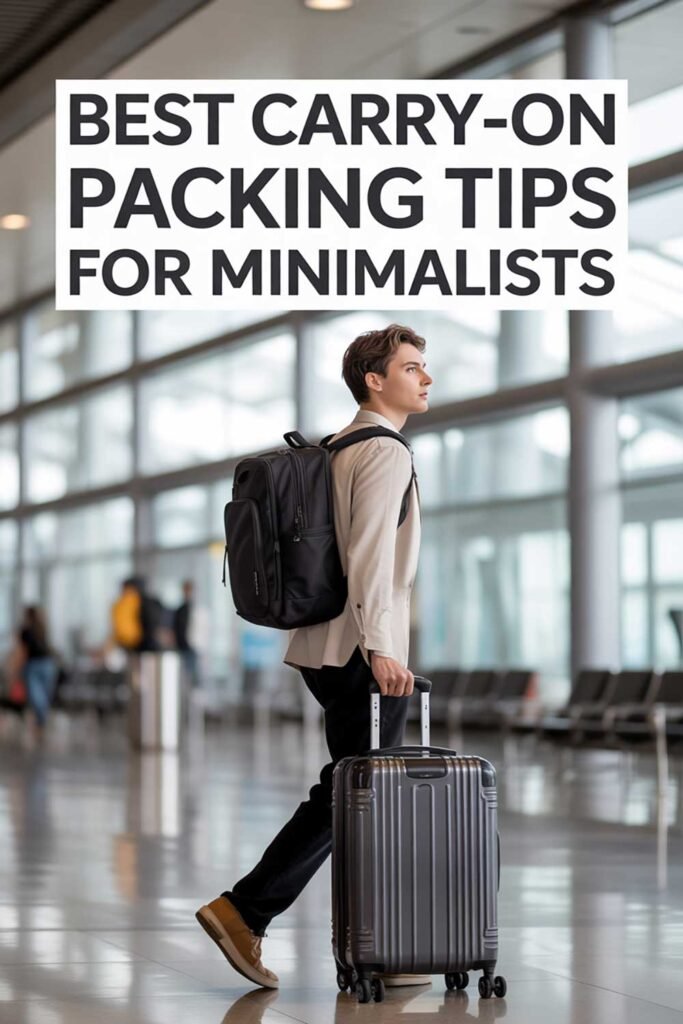
Now imagine a different scene. You are walking through a gleaming international airport terminal, dressed in business attire, heading to an important meeting in another city. Your laptop bag is over one shoulder. Your rolling carry-on glides behind you on silent spinner wheels. You move quickly and confidently, weaving through crowds without breaking stride. The bag follows you like a well-trained companion.
You pass someone struggling with an overstuffed backpack, shoulder straps digging into their suit jacket, back already damp with sweat from the long walk through the terminal. You feel a moment of sympathy because you know they made the wrong choice for this trip. Just like the suitcase person on those ancient stairs made the wrong choice for theirs.
The point is not that one choice is always right. The point is that the right choice exists for every trip, and it is your job to make it. When you choose correctly, your luggage becomes invisible. It does what it needs to do without demanding your attention or draining your energy. When you choose incorrectly, your luggage becomes the antagonist of your journey, a constant source of friction and frustration.
You now have the knowledge to choose correctly every single time. The cobblestones and the boardrooms. The hiking trails and the hotel lobbies. The overnight trains and the airport lounges. You know what each world demands, and you can pack accordingly.
That is freedom. That is confidence. That is traveling like someone who has figured out the game and plays it well.
Share This Article
If this breakdown helped you see the backpack versus suitcase debate in a new light, imagine how useful it could be for someone else who is wrestling with the same decision right now. Think about your friend who just bought their first real travel backpack but is not sure when to actually use it versus their old rolling suitcase. Think about your parent who has only ever used rolling luggage and is about to take a trip to Europe where cobblestones will make them miserable. Think about your coworker who travels constantly for business but just booked an adventure vacation and has no idea how to pack for it.
This article could save them from making the wrong choice and suffering the consequences.
Share it on Facebook with a quick note about which side of the debate you usually fall on. Send it directly to the friend who comes to mind when you think about this question. Post it on X (formerly Twitter) and ask your followers which team they are on. Pin it to your travel tips board on Pinterest so it is there when you need to reference it before your next trip. Email it to family members who are planning upcoming vacations. Drop it in any travel group or forum where people are asking this exact question.
Every share helps a fellow traveler avoid sore shoulders, broken wheels, and the frustration of hauling the wrong bag through the wrong terrain. Be the friend who helps people travel smarter.
Visit us at DNDTRAVELS.COM for more packing tips, gear guides, destination inspiration, and everything you need to travel lighter and smarter wherever you go.
Disclaimer
The information provided in this article is for general informational and educational purposes only and should not be interpreted as professional travel, medical, or purchasing advice. All luggage recommendations, comparisons, use-case suggestions, and personal anecdotes described in this article are based on general travel knowledge, publicly available information, and the subjective opinions and past experiences of travelers and the author. These recommendations are general in nature and may not account for your specific physical condition, health requirements, mobility limitations, travel itinerary, personal preferences, or the unique conditions of your destinations.
DNDTRAVELS.COM and the authors of this article make no guarantees or warranties, expressed or implied, regarding the accuracy, completeness, reliability, suitability, or timeliness of the information presented. We are not affiliated with, endorsed by, sponsored by, or officially connected to any luggage manufacturer, retailer, or brand mentioned or implied in this article unless explicitly stated otherwise. The mention of any luggage type, feature, or category does not constitute an endorsement, recommendation, or guarantee of performance, durability, or suitability for any individual traveler or trip.
Your experience with any type of luggage may differ significantly from the descriptions and assessments provided in this article. Physical comfort, durability, and performance depend on individual body mechanics, packing weight, travel conditions, product quality, and many other factors beyond our control. If you have any medical conditions affecting your back, shoulders, joints, or mobility, we strongly recommend consulting with a healthcare professional before deciding to carry weight on your body for extended periods. We also recommend researching specific product reviews, testing luggage before major trips when possible, and making purchasing decisions based on your own independent evaluation.
By reading and using the information in this article, you acknowledge and agree that DNDTRAVELS.COM, its owners, authors, contributors, partners, and affiliates shall not be held responsible or liable for any physical discomfort, injuries, product failures, purchasing decisions, or any other negative outcomes that may arise from your use of or reliance on the content provided herein. You assume full responsibility for your own luggage choices and physical well-being. This article is intended to educate and inform travelers about luggage options, not to serve as a substitute for professional advice, product testing, or your own independent judgment and due diligence.