Packing Cubes or Compression Cubes? How to Choose
Packing cubes have become a travel staple, and now there is a second kind on the shelf: compression cubes. They look almost the same, but they do different jobs. One keeps your bag organized. The other squeezes your clothes into less space.
This guide explains the difference, compares them head to head, and helps you choose based on your bag, your clothes, and your trip. While you plan, look at city tours and day trips you can do with a light daypack on Viator to see how little you really need to carry.
Grab Our Travel Packing Checklist Before You Pack
Cubes work best when you know what is going in them. Our free Travel Packing Checklist covers every essential so you pack what you need and nothing more.
Get the Free Checklist NowWhat Each Type of Cube Does (1-5)
- 1. Standard packing cubes organize. They are zippered fabric pouches, often with a mesh panel, that keep tops, bottoms, and small items sorted. They do not squeeze your clothes, so they mainly save you from digging.
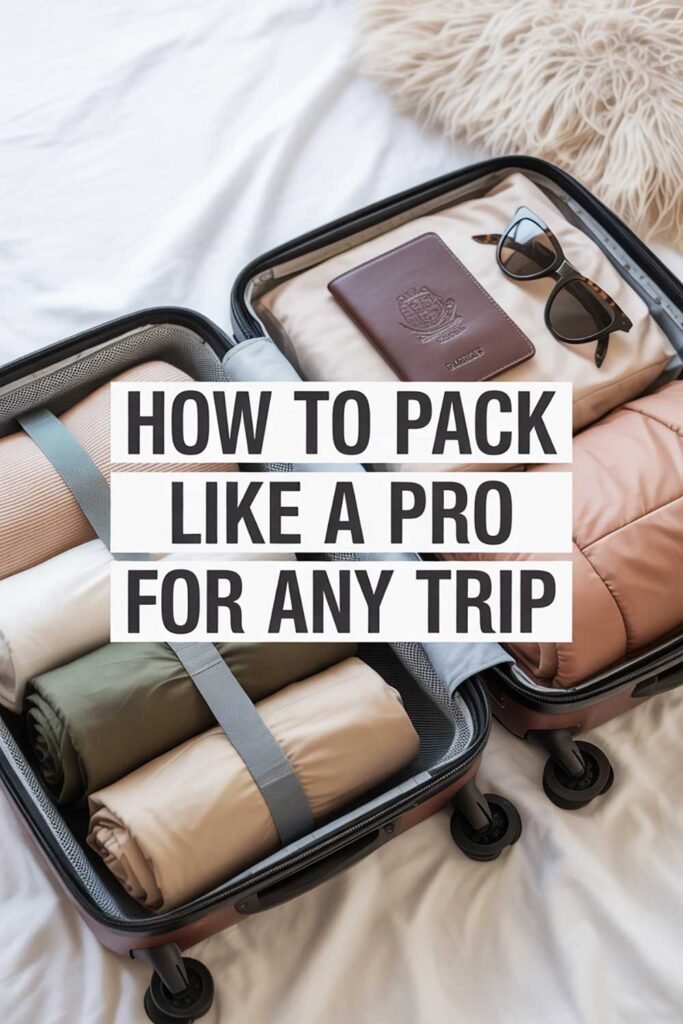
- 2. Compression cubes squeeze. They look like packing cubes but have an extra zipper or strap that cinches the pouch down. That reduces the space your clothes take up, so you can fit more in the same bag.

- 3. Neither one changes weight. A pound of clothes is a pound of clothes, however tightly it is packed. This matters on trips with weight limits, because squeezing more into a bag does not make it any lighter. Airlines weigh the bag, not the space it takes up, so a tightly packed bag can still be over the limit. A lighter plan helps most, and if you do need to check a bag, see points that cover bag fees on longer trips to ease the cost.
- 4. They solve different problems. If your bag feels messy, you need organization. If your bag feels full, you need compression. Many travelers have both problems.
- 5. You can use both. A mixed set is common, with standard cubes for everyday items and one or two compression cubes for bulky pieces.
Pack for the Plans You Actually Have
The best way to decide how much space you need is to know what you will do. Viator lists walking tours, food tours, day trips, and local experiences with clear prices, so you can plan your days and pack only what those days call for. Popular tours fill up, and booking early gives you the best choice of times.
See Tours You Can Pack Light ForYou can also compare city attractions and day trips on GetYourGuide to round out your plans.
Standard Packing Cubes: Best for Order (6-10)
“A bag you can pack in ten minutes is a bag you will actually enjoy opening.”
- 6. Best for: travelers who want a tidy, easy-to-use bag. Each cube holds a category, so you can find a shirt without unpacking everything.
- 7. They protect clothes a little. Because clothes are not squeezed, they tend to wrinkle less. This is a big plus for shirts, dresses, and dressy items.

- 8. They make repacking quick. You can pull out a cube, use it, and zip it back up. Moving between hotels becomes much faster. Pull one cube out, use it, and zip it back up, and you never have to dig through a whole bag again. It is a small habit that saves a lot of time over a long trip.
- 9. Learn if they are worth it for you. Not everyone needs cubes. Read a detailed look at whether packing cubes are worth it before you spend money.
- 10. The downside. Standard cubes do not save much space, and the cubes themselves add a little weight. If your main problem is a bag that is too full, they may not be enough.
Compression Cubes: Best for Space (11-16)
- 11. Best for: travelers who run out of room. Compression can shrink a pile of sweaters and jeans into a much smaller block.
- 12. How they work. You fill the cube, zip the main closure, and then close a second zipper or tighten straps. The fabric squeezes the contents down.
- 13. They shine with bulky items. Sweaters, fleece, hoodies, jeans, and cold-weather layers benefit most. These are the items that eat up suitcase space.
- 14. Know how they differ from vacuum bags. Compression cubes use zippers and straps instead of a vacuum or rolled-out air. See compression bags versus packing cubes side by side for the wider comparison.
- 15. They can wrinkle clothes. Tight compression adds creases, especially on dressy or delicate fabrics. Use them for forgiving items, and keep nicer clothes in standard cubes.
- 16. The risk of overpacking. Compression makes it easy to fit too much. Overfilled cubes strain zippers and push you past weight limits, so pack with a plan.
Not Sure What to Buy? Ask Us
If you are unsure which gear fits your trips, we can help you plan a packing setup that works for how you travel. You can also browse our favorite travel gear and planning tools to explore on your own.
Help Me Pack SmarterHead to Head: How They Compare (17-22)
- 17. Space. Compression cubes win. They can reduce the volume of soft clothes noticeably, while standard cubes mostly just keep things neat.
- 18. Wrinkles. Standard cubes win. Gentle packing keeps fabrics smoother, and tight compression tends to leave creases.
- 19. Organization. Both do well. Compression cubes are organized too, but they can be slower to open and close because of the extra zipper.
- 20. Effort. Standard cubes are quicker. Compression cubes need a little more time to fill, squeeze, and zip, especially when you repack in a hurry.
- 21. Weight. Neither makes your luggage lighter, and compression can tempt you to carry more. Read why luggage weight matters more than space before you rely on squeezing.
- 22. Cost and durability. Compression cubes often cost a bit more, and the extra zipper is one more thing that can fail. Look for sturdy zippers and good stitching in either type.
Choose by Trip Type (23-28)
- 23. Weekend trips. Standard cubes are usually plenty. You are not packing much, so organization matters more than squeezing.
- 24. Carry-on only trips. Compression can help you fit more in a small bag. Check the airline’s size and weight rules first, and compare flights with clear carry-on rules on Trip.com so you know your limits.
- 25. Cold-weather trips. Compression cubes are a great fit. Bulky layers are hard to pack, and squeezing them can free up real space.
- 26. Warm-weather trips. Clothes are light and compact already, so standard cubes are enough. Save compression for a puffy jacket or towels.
- 27. Long trips and multi-stop trips. A mix works well. Standard cubes keep daily items handy, and compression cubes hold seasonal or spare items. Learn which folding method saves the most space to make either type work harder.
- 28. Cruises and hotel stays. Standard cubes can go right into a drawer, which keeps a small cabin or room tidy. Compression is useful for the trip there and back.
Compare Fares and Packages
If you are packing for a carry-on only trip, bag fees are part of the price. A fare alert helps you book at a fair price, and a bundle can save more, so look at flight-and-hotel bundles for carry-on travelers on Expedia too.
Watch Fares on AviasalesChoose by Your Bag (29-33)
- 29. Measure first. Cubes come in different sizes, and the wrong size wastes space. Measure the inside of your bag, and choose cubes that fit snugly with little dead space. Write down the length, width, and depth, and bring the numbers with you when you shop, since a cube that is a little too big will bulge and one that is too small leaves gaps.
- 30. Carry-on suitcases. Space is tight, so cubes that fit the shape of the case matter. Browse carry-on suitcases from American Tourister and check the interior dimensions against your cubes.
- 31. Backpacks. Soft, flexible cubes fit better than stiff ones. Compression cubes can help keep a backpack compact and balanced, and packing the heaviest cube close to your back keeps the weight comfortable to carry.
- 32. Larger checked bags. You have space, so standard cubes usually do the job. Use one compression cube for bulky items, and watch the weight.

- 33. Pair your cubes with a good bag. A sturdy bag makes cubes work better, and a bag with a matching organizer system works better still. Look for a bag whose interior shape matches your cubes, with little wasted space around the edges. Taller, narrower bags suit tall, narrow cubes, and wide, shallow bags suit flatter ones, so match the shapes before you buy. If you want a bag and organizers designed to work together, see travel bags and organizers from Nomatic.
How to Pack and Compress Smartly (34-39)
- 34. Assign each cube a job. One for tops, one for bottoms, one for underwear and socks, and one for bulky layers. A clear system makes packing fast.
- 35. Compress only what needs it. Squeeze sweaters, jeans, and casual clothes, and leave delicate items alone. You get the space savings without the creases.
- 36. Unpack into drawers. At your destination, put whole cubes into a drawer or closet shelf. Look at hotels with drawers and closets on Booking.com if you want a place that makes unpacking easy.
- 37. Do not overfill. Leave a little room so zippers close easily. Forcing a zipper wears it out fast.
- 38. Weigh your bag. After you pack, check the weight against your airline’s limit. Compression can hide how heavy a bag has become.
- 39. Keep a laundry cube. Use one cube for worn clothes, so clean and dirty stay apart. It makes the trip home much tidier, and it keeps your fresh clothes smelling fresh. On days out, you can leave the rest of your cubes at the hotel and carry just a daypack, which is easy to do on a relaxed walking tour or day trip on Viator.
Your Buying Checklist (40-44)
- 40. Check the zippers. Smooth, sturdy zippers matter most, especially on compression cubes with a second zipper. Test them in the store if you can, zipping and unzipping a few times, because a zipper that snags on the first try will only get worse on the road.
- 41. Look at the fabric. Light, durable fabric keeps weight down and lasts longer. For pouches and small accessories, browse bags and accessories from Vonal to round out your setup.
- 42. Pick a useful set. A set with a few sizes is more flexible than a set of identical cubes. Include at least one large and one small.
- 43. Think about the mesh. A mesh panel lets you see what is inside, but it can snag. Decide whether you prefer visibility or solid fabric. Solid fabric hides clutter and protects delicate items from snags, while mesh makes it quick to find what you need without opening every cube.

- 44. Start small and adjust. Try one set on a short trip, and see what works. You can add or swap cubes once you know how you pack.
Compare Room Rates Before You Go
Prices for the same room can differ between sites, and a good room makes unpacking easier. A quick comparison helps you find a comfortable place at a fair rate, with free cancellation if plans change.
Check Hotel Prices on AgodaHow Ellie Fixed Her Overstuffed Suitcase
Ellie’s suitcase was always a mess. She stuffed it full, sat on it to close it, and then struggled to find anything at her hotel. She bought a set of standard cubes and her bag was much neater, but it was still too full for a cold-weather trip.
She added one compression cube for her sweaters and kept her nicer clothes in standard cubes. Her bag closed easily and her shirts came out smooth. She weighed her suitcase before leaving and stayed under the limit. The mix gave her both order and space.
Quick Answers About Packing Cubes and Compression Cubes
What is the difference between packing cubes and compression cubes?
Standard packing cubes keep your clothes organized in neat zippered pouches. Compression cubes add a second zipper or strap that squeezes the contents down, so the same clothes take up less room.
Do compression cubes make my luggage lighter?
No. Compression changes how much space your clothes take up, not how much they weigh. Because they let you fit more in a bag, they can make it easier to go over an airline’s weight limit.
Do compression cubes wrinkle clothes?
They can. Squeezing clothes tightly can add creases, especially to dressy or delicate fabrics. Use compression for bulky, forgiving items such as sweaters and casual wear, and keep wrinkle-prone items in standard cubes.
Can I use both types together?
Yes. Many travelers use a mix: standard cubes for everyday clothes and one or two compression cubes for bulky items. That gives you organization everywhere and extra space where you need it.
Book and Prepare — Every Resource in One Place
Everything needed to book and prepare for a well-packed trip — luggage, flights, hotels, tours, transfers, insurance, and more — all in one place. Each link opens a dedicated page with search tools, reviews, and booking options. Small cabins reward good organization, so look at cruise deals where small cabins reward good organization.
Luggage and Travel Bags
Browse suitcases, travel bags, and accessories that pair well with packing cubes.
American Tourister · Nomatic · Voyage Luggage · Hartmann · VonalFlights
Search and compare flights across airlines and routes, and check bag fees before you book.
Trip.com · Aviasales · ExpediaHotels and Accommodations
Search hotels, apartments, and inns, and look for rooms with drawers, closets, and free-cancellation rates.
Booking.com · Hotels.com · Agoda · ExpediaVacation Rentals
Search houses and apartments, which often come with closets and storage for unpacked cubes.
VrboTours, Activities, and Experiences
Walking tours, food tours, and day trips show clear prices up front, and many need only a small daypack. Book them with your trip to lock in the best times.
Viator · GetYourGuideAirport Transfers and Transportation
Pre-book airport transfers, trains, buses, and ferries at a set price, so you spend less time hauling bags.
12GoTravel Insurance
Compare travel insurance plans from multiple providers, and check what they cover for delayed or lost bags.
VisitorsCoverageBook Everything in One Place
Search flights, hotels, and more through our booking portal.
Book A TripPicture This
Your suitcase closes on the first try. Every cube has a job, and you can find your favorite shirt in seconds. You step into your room, slide the cubes into a drawer, and you are unpacked in two minutes. The trip starts calm because the bag did exactly what you needed it to do.
Before You Pack: Grab the Free Packing Checklist
A well-organized bag starts with a real packing plan. Our free Travel Packing Checklist covers every essential and every pre-departure step, so nothing gets left behind.
Get the Free ChecklistPack Light and Go Explore
Once your bag is packed, plan one outing to enjoy with just a daypack. Walking tours, food tours, and scenic outings on Viator are easy to book now, and the best times go quickly.
Book a Light-Pack Day TourGet Smart Packing Tips
We share packing tips, gear ideas, and travel guides on Facebook. Follow our page so the next helpful tip lands in your feed.
Follow Us on Facebook for Packing TipsWant Help Planning the Trip?
If sorting out flights, hotels, and every other detail feels like a lot, let us help. Tell us where you’re headed and we will help pull the plan together.
Plan Our EscapeBecome An Agent
Love helping people plan trips? See how to turn that into a home-based travel business.
Become An AgentExplore Our Top Picks for a Better Trip
These are the booking platforms, travel tools, and services we personally rely on — tested, trusted, and recommended because they have consistently made every part of the journey better.
See Our Top PicksTravel Printables at Premier Print Works
Visit Premier Print Works for packing checklists, trip planning guides, travel organization printables, and tools that make every trip easier to plan and more enjoyable to take.
Visit Premier Print WorksDisclaimer
This article is for general information only. It is not official advice from any airline, luggage brand, hotel, insurance provider, or booking platform. We are not a booking agent or an insurance agent. We are not a representative of any company named or linked in this article. This is true unless we say otherwise. All content reflects our own opinions and research at the time of writing.
Baggage fees, size and weight limits, product features, prices, and cancellation policies vary by airline, brand, and retailer and change often. Descriptions of packing cubes and compression cubes are general and may not apply to every product. Always confirm current details directly with the airline or seller before you buy or fly. We do not control and are not responsible for the pricing, availability, policies, or content on any third-party platform linked from this article, including but not limited to Booking.com, Hotels.com, Agoda, Expedia, Trip.com, Aviasales, Viator, GetYourGuide, Vrbo, or TripAdvisor. We make no guarantees or promises about specific rates, deals, or outcomes.
This article contains affiliate and partner links. If you click through and make a purchase or booking, we may earn a commission at no additional cost to you. This helps support Don and Diana’s Travels and allows us to continue creating free travel content and resources.
Stories on this site combine real experiences from Don, Diana, clients, and travelers we have worked with. Details may be adjusted for privacy and narrative clarity. All content is the copyrighted property of Don and Diana’s Travels. You may not copy or republish our content without prior written permission. By reading this article you acknowledge that you have read and agree to this disclaimer.