How to Plan a Fall Hiking Vacation Without Getting Caught Unprepared
Fall is one of the best seasons to hike. The air is cool, the trails are quieter, and the colors are spectacular. It is also a season that catches hikers off guard. Trails close, the weather turns, and the sun sets before you reach the car.
This guide covers trail closures, weather, shorter daylight, footwear, and transportation, so you can enjoy the season without surprises. If you want an expert along, look at guided fall hikes and trail outings on Viator while you plan.
Grab Our Travel Packing Checklist Before You Pack
Hiking trips need a careful bag. Our free Travel Packing Checklist covers every essential so nothing gets left behind.
Get the Free Checklist Now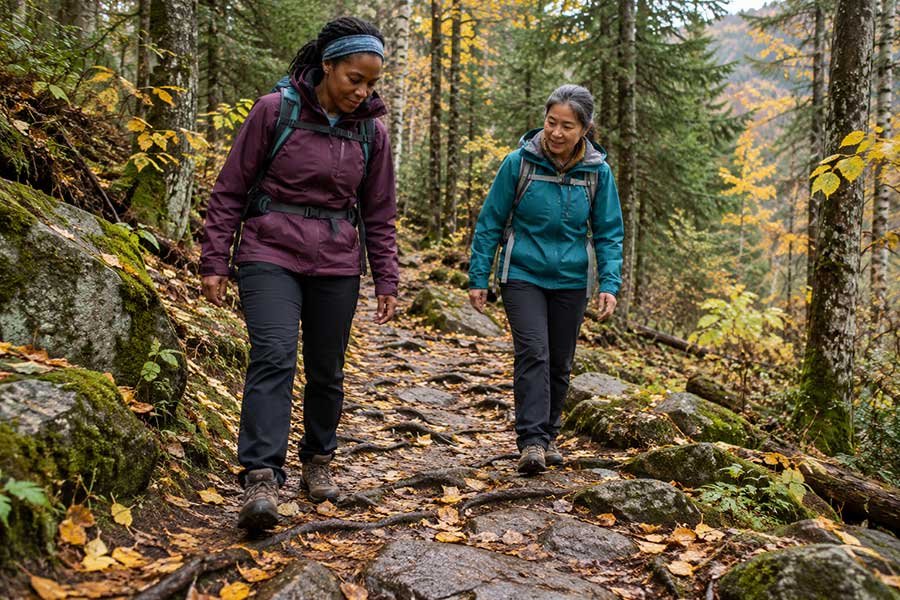
Plan Before You Pick a Trail (1-5)
- 1. Match the trail to your fitness. Choose hikes that fit your experience, your group, and the time you have. A shorter, easier hike you finish happily beats a hard one you regret.
- 2. Pick a few options, not one. Choose two or three trails at different difficulties, so you can switch if the weather, closures, or your energy change.
- 3. Budget for the trip. Gas, lodging, and gear add up. Use points toward lodging and gas on a hiking trip to lower the cost, and pay the balance in full.
- 4. Tell someone your plan. Share your route, your start time, and when you expect to be back. If you are late, that person knows where to look.
- 5. Know your limits. Be honest about your fitness, your gear, and your experience. Turning back is always a good choice.
Add an Expert to Your Plan
A guided hike is one of the simplest ways to stay prepared. Viator lists guided hikes, nature walks, and scenic outings with clear prices and times, so a local expert can handle navigation and timing while you enjoy the view. Fall hikes fill up, and booking early gives you the best choice of dates.
Find Guided Hikes on ViatorYou can also compare nature outings on GetYourGuide for more choices.
Trail Closures and Conditions (6-10)
“A trail that was open last month may be closed today. Always check before you go.”
- 6. Check the official source. Look at the website or ranger station for the park, forest, or trail. They post alerts about closures, storm damage, and seasonal gates.
- 7. Expect seasonal closures. Some roads, trailheads, and facilities close for the season, sometimes as early as autumn. A trail may be open, but the road to reach it may not be.
- 8. Learn the basics. Read basic hiking safety every new hiker should learn before your first trail, and review it before every trip.
- 9. Look at recent reports. Recent trail reports can tell you about mud, downed trees, and snow. Check dates, since old reports may no longer apply.
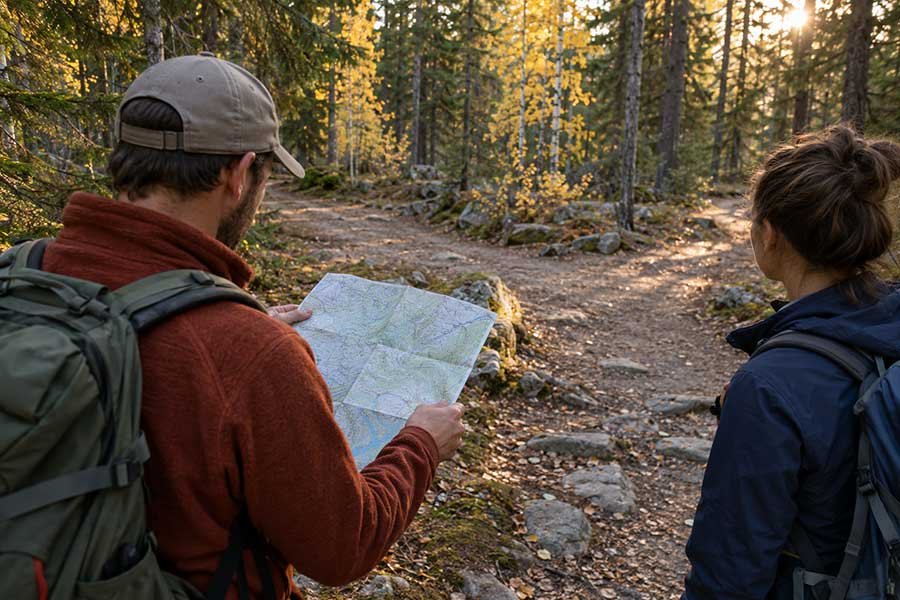
- 10. Carry a map. Cell service can fail in the mountains. Carry a paper map or a downloaded offline map, and check it at every junction.
Fall Weather on the Trail (11-15)
- 11. Expect big swings. A cold, foggy morning can turn into a warm afternoon and a freezing night. Check the forecast for the exact area and elevation, not just the nearest town.
- 12. Remember elevation. Temperatures often drop several degrees for every 1,000 feet you climb. A mild valley can mean a cold, windy summit.
- 13. Watch for rain and early snow. Wet weather makes trails slippery, and snow is possible at higher elevations in late fall. Check the forecast the night before and the morning of your hike.
- 14. Know the risks of getting wet and cold. Wet clothes and wind can lead to hypothermia, even when it is not freezing. Avoid cotton, and carry extra layers.
- 15. Do not trust a long forecast. Weather is hard to predict more than about ten days ahead. Look again as your trip gets closer, and be ready to change your plan.
Not Sure Which Trail Fits Your Group? Ask Us
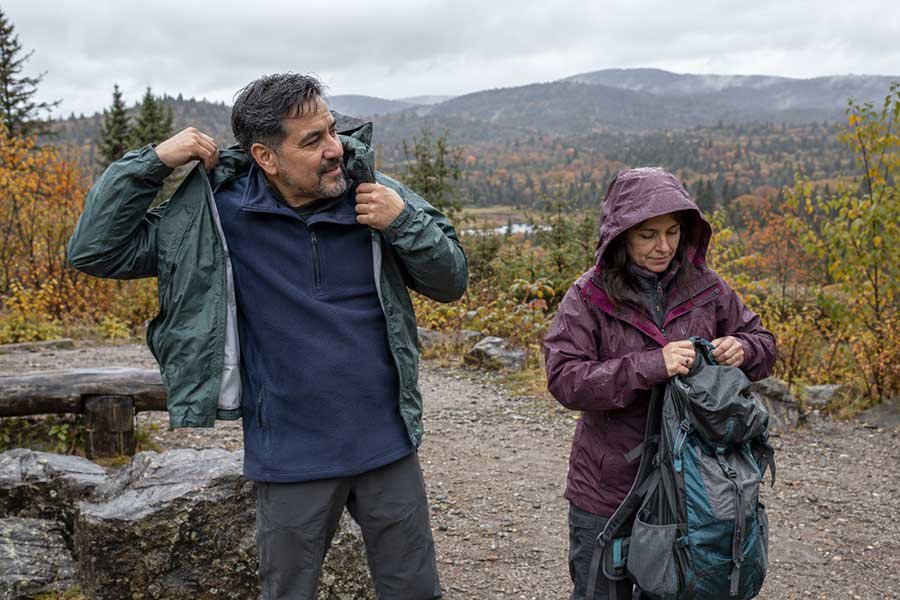
If you are unsure where to hike or where to stay, we can help you plan a trip that fits your group and your comfort level. You can also browse our favorite tools for trip research to look on your own.
Help Me Plan My Hiking TripShorter Daylight (16-20)
- 16. Plan around sunset. Check the sunset time for each day of your trip. In the United States, daylight saving time ends on Sunday, November 1, 2026, and sunset comes about an hour earlier on the clock after that.
- 17. Start early. An early start gives you the most light and the most margin. It also helps you avoid weekend crowds and trailhead parking problems.
- 18. Set a turnaround time. Pick a time to turn back, no matter where you are. Choose a time that leaves at least an hour of daylight to get back.
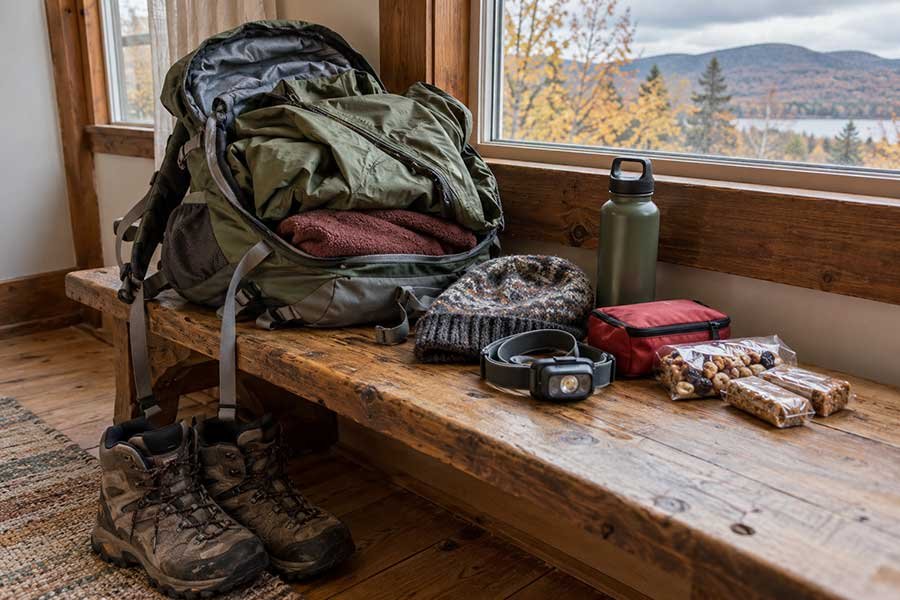
- 19. Carry a headlamp. Bring a light with fresh batteries, even for a day hike. A trail looks very different when the light fades, and a phone flashlight is a weak backup.
- 20. Plan shorter hikes. A hike that took four hours in September may be too long in November. Choose routes that leave a cushion.
Footwear and Gear (21-26)
- 21. Choose shoes with traction. Wet leaves hide rocks and roots, and they are slippery. Pick shoes or boots with good grip, and break them in before your trip.
- 22. Pack the essentials. A map, light, first aid kit, extra food, water, and extra layers belong in every pack. Use a day hike packing list you can print to check your bag.
- 23. Dress in layers. Wear a moisture-wicking base layer, a warm middle layer, and a wind and rain shell. Add a hat and light gloves for cold mornings.
- 24. Pack warm, dry socks. Wool or synthetic socks keep your feet warmer. Bring an extra pair in a bag, in case yours get wet.
- 25. Consider trekking poles. Poles help on wet, steep, or uneven trails and take pressure off your knees. Learn when and how to use trekking poles before you try them on a long hike.
- 26. Wear hunter orange if needed. Many areas have hunting seasons in fall. Check local rules, and wear bright colors in areas where hunting is allowed so you are easy to see.
Plan Your Flights and Base Camp
If you are flying to the trailhead, a fare alert helps you book at a good price. When you pick a base, compare trailhead-area lodging on Agoda with other sites, and choose free cancellation.
Watch Hiking Trip Fares on AviasalesTransportation and Trailheads (27-31)
- 27. Plan how you will reach the trailhead. Many trailheads are far from airports and public transit, so figure out the full route before you book. Add the flight, the drive, and any gravel roads to your total travel time, and plan to arrive with enough light and energy to settle in. If you fly in, compare flights into the airport nearest your trailhead on Trip.com and add up the drive time.
- 28. Check the road to the trailhead. Some trailheads sit at the end of gravel or rough roads, and fall rain can make them muddy. Ask the land manager about current road conditions.
- 29. Arrive early for parking. Popular trailheads fill up on fall weekends, and some require permits or reservations. Check the rules, and plan an early start.
- 30. Check your rental car terms. Some rental agreements limit driving on unpaved roads. If you are renting, look at rental car options for trailhead roads on Expedia and read the terms.
- 31. Think about shuttles and rides. Some parks run seasonal shuttles that stop in fall. Check the schedule, and have a backup plan for getting back to your car.
Where to Stay and When to Hire a Guide (32-36)
- 32. Stay close to the trails. A base near the trailheads saves time and lets you start early. Look for towns with good food and a warm place to recover.
- 33. Book a flexible room. Trail towns fill up on fall weekends. Browse trail-town inns and lodges on Booking.com and choose free cancellation in case the weather changes.
- 34. Ask about hiker-friendly features. Boot dryers, laundry, early breakfasts, and secure parking are helpful touches. A quick message to the host can confirm them.
- 35. Plan a rest day. Your legs and your plans benefit from a slower day. Use it for a short walk, a good meal, or a town visit.
- 36. Consider a guide for harder days. A guide helps on unfamiliar or challenging terrain. Look at a guided hike with a local expert on Viator if you want expert help.
Your Last-Minute Safety Check (37-39)
- 37. Check the trail, the weather, and the daylight. Look at closures, the forecast, and the sunset time the night before and the morning of your hike. Change your plan if anything looks off.
- 38. Check your pack and your phone. Make sure you have water, food, a light, layers, a map, and a charged phone. Download offline maps before you lose service.
- 39. Share your plan one more time. Tell your contact where you are going and when you expect to return. Then check in when you are back.
How Dennis Learned to Hike Prepared
Dennis once set out on a late-afternoon hike in November with a light jacket and no headlamp. The trail was longer than he expected, and the sun set early. He finished in the dark with a dying phone, tired and nervous.
On his next trip, he checked closures, started early, and set a turnaround time. He packed layers, a headlamp, and a paper map. The weather turned damp, but he was ready. He finished well before dark, warm and happy, and saw a ridge full of gold.
Quick Answers About Fall Hiking Trips
How do I know if a trail is open?
Check the official website or ranger station for the park, forest, or trail you plan to hike. Look for recent alerts about closures, storm damage, and seasonal gates, and call if you are unsure.
How much daylight will I have for fall hikes?
Less every week. In the United States, daylight saving time ends on Sunday, November 1, 2026, which makes sunset come about an hour earlier. Set a firm turnaround time and carry a headlamp.
What shoes are best for fall hiking?
Choose broken-in shoes or boots with good grip and some water resistance, and wear warm, moisture-wicking socks. Wet leaves can hide rocks and roots, so traction matters.
Do I need a guide for a fall hike?
Not always, but a guide can help in unfamiliar places, on harder trails, or if you want local knowledge. A guided outing can also take care of navigation and timing.
Book and Prepare — Every Resource in One Place
Everything needed to book and prepare for a fall hiking vacation — hotels, rental cars, guided hikes, flights, transfers, insurance, and more — all in one place. Each link opens a dedicated page with search tools, reviews, and booking options. If you enjoy coastal walks too, some itineraries stop near trails, so look at a Canada and New England cruise with coastal trail stops.
Guided Hikes and Experiences
Guided hikes, nature walks, and scenic outings show clear prices up front and fill up in fall. Book them with your trip to lock in the best dates.
Viator · GetYourGuideHotels and Accommodations
Search hotels, lodges, and cabins near trailheads, and look for free-cancellation rooms.
Booking.com · Agoda · ExpediaRental Cars
Compare rental car prices and bundle with a flight or hotel. Check the terms for unpaved roads.
ExpediaFlights
Search and compare flights across airlines and regional airports.
Trip.com · Aviasales · ExpediaAirport Transfers and Transportation
Pre-book airport transfers, trains, buses, and ferries at a set price.
12GoBook Everything in One Place
Search flights, hotels, and more through our booking portal.
Book A TripPicture This
The trail is open, the sky is clear, and you started early. Your pack holds everything you need, and your phone is charged. You reach the ridge in warm afternoon light, take in the gold below, and turn back right on time. You are home before dark, and the whole day felt easy because you were ready.
Before You Pack: Grab the Free Packing Checklist
A prepared hiking trip starts with a real packing plan. Our free Travel Packing Checklist covers every essential and every pre-departure step, so nothing gets left behind.
Get the Free ChecklistHike With an Expert on Your Side
Once your trip is planned, consider one guided hike. A local guide handles navigation and timing, and you get to enjoy the view. Guided hikes on Viator are easy to book now, and the best dates fill up in fall.
Book a Guided Fall HikeGet Hiking Trip Ideas and Safety Tips
We share hiking trip ideas, planning guides, and travel tips on Facebook. Follow our page so the next idea lands in your feed.
Follow Our Page on FacebookWant Help Planning the Trip?
If sorting out flights, hotels, and every other detail feels like a lot, let us help. Tell us where you’re headed and we will help pull the plan together.
Plan Our EscapeBecome An Agent
Love helping people plan trips? See how to turn that into a home-based travel business.
Become An AgentExplore Our Top Picks for a Better Trip
These are the booking platforms, travel tools, and services we personally rely on — tested, trusted, and recommended because they have consistently made every part of the journey better.
See Our Top PicksTravel Printables at Premier Print Works
Visit Premier Print Works for packing checklists, trip planning guides, travel organization printables, and tools that make every trip easier to plan and more enjoyable to take.
Visit Premier Print WorksDisclaimer
This article is for general information only. It is not professional safety, medical, or guiding advice, and it is not official guidance from any park, land manager, tourism office, rental car company, hotel, or booking platform. We are not a booking agent. We are not a representative of any company named or linked in this article. This is true unless we say otherwise. All content reflects our own opinions and research at the time of writing.
Hiking carries real risks, including injury, weather exposure, and getting lost. Trail and road conditions, closures, weather, daylight, hunting seasons, permit rules, and cancellation policies change often and vary by location. Always check current conditions with the official land manager, follow local rules, hike within your ability, and carry the right gear. We do not control and are not responsible for the pricing, availability, policies, or content on any third-party platform linked from this article, including but not limited to Booking.com, Agoda, Expedia, Trip.com, Aviasales, Viator, or GetYourGuide. We make no guarantees or promises about specific rates, deals, or outcomes.
This article contains affiliate and partner links. If you click through and make a purchase or booking, we may earn a commission at no additional cost to you. This helps support Don and Diana’s Travels and allows us to continue creating free travel content and resources.
Stories on this site combine real experiences from Don, Diana, clients, and travelers we have worked with. Details may be adjusted for privacy and narrative clarity. All content is the copyrighted property of Don and Diana’s Travels. You may not copy or republish our content without prior written permission. By reading this article you acknowledge that you have read and agree to this disclaimer.