Long Flight Hacks Every Traveler Should Know
Long flights do not have to wreck you before your trip even begins. The traveler who arrives fresh off a long flight packed their carry-on like a first class passenger regardless of where they were sitting. Not better seats or better service. Better preparation, better hydration, better movement, and the right carry-on kit assembled before they ever boarded. This article builds you that kit and that system.
Grab Our Travel Packing Checklist
The long-haul carry-on kit is one of the most commonly under-packed categories on any travel checklist. Compression socks, sleep mask, earplugs, refillable water bottle, snacks, lip balm, moisturizer, and every small item that makes a ten-hour flight survivable versus genuinely comfortable. Ours covers all of it. Print it once and use it before every long flight.
Get the Free ChecklistJet lag is partly physiological and partly psychological, and the psychological component is addressable immediately with a single action taken before the plane even pushes back from the gate. Setting your watch and your phone to destination time at the moment of boarding signals to your brain that the transition has begun. You stop measuring the flight in terms of your origin time and start orienting every decision, when to sleep, when to eat, when to stay awake, toward the schedule of the place you are going.
The traveler who boards a twelve-hour overnight flight to a destination eight hours ahead and immediately switches their phone to destination time makes a different set of in-flight decisions than the traveler who keeps their phone on home time. Destination time shows 2 a.m. three hours after boarding. The traveler oriented to destination time understands this as a sleep window and begins preparing for sleep accordingly. The traveler still on home time sees 6 p.m. and their body treats the flight as an evening, actively resisting sleep when the best strategy for arrival recovery is to bank sleep hours aligned with the destination night.
The destination time decision also governs what you eat and drink on the flight. Eating a meal at destination midnight because it was served as a dinner service treats your digestive system as if it is midnight, not as if it is the evening your body believes it to be. Sleeping through a meal service that arrives at destination lunchtime is the correct choice for arrival recovery even if home time suggests it should be an eating hour. The watch set to destination time is not a trick. It is the beginning of the body clock recalibration that determines how you feel on day one.
The traveler who arrives fresh off a long flight packed their carry-on like a first class passenger regardless of where they were sitting.
Long flights do not have to wreck you before your trip even begins. The difference is almost entirely in what you do during the flight rather than where you sit.
Before boarding, research the sleep schedule of your destination city for your arrival day. If you land at 7 a.m. destination time after a night flight, your goal is to stay awake through the arrival day and sleep at the destination’s local bedtime. If you land at 10 p.m., your goal is to sleep on the flight and arrive as rested as possible for the first full day. Knowing the arrival time in destination terms before you board lets you use the flight strategically rather than reactively. Sleep when the destination requires you to have slept. Eat when the destination requires you to be fueled. Everything else follows from that alignment.
Let Us Plan the Trip Worth Arriving Fresh For
A long flight done right is the beginning of a great trip, not the recovery period before one. Tell us where you want to go, your travel dates, and your travel style. We will handle the planning so the only thing between you and the destination is a flight you now know how to arrive from feeling like yourself. Real travel agents, real destinations, real results.
Plan Our EscapeAircraft cabin air has a humidity level of typically 10 to 20 percent, significantly lower than the 30 to 60 percent humidity of most indoor environments on the ground. At that humidity level, the body loses water through respiration and skin evaporation at a rate that produces meaningful dehydration over a long flight without active countermeasures. The fatigue, headache, dry eyes, tight skin, and general feeling of having been wrung out that most long-haul travelers associate with jet lag is at least partly dehydration rather than time zone disruption, and dehydration is directly addressable during the flight itself.
Drink a minimum of 250 milliliters, about one cup, of water per hour of flight time. On a ten-hour flight that is 2.5 liters of water, significantly more than the amount most travelers drink on a typical ground day. The in-flight water service from cabin crew provides some of this, but the intervals between service are often 90 minutes to two hours, and the standard cup size is about 150 milliliters per serving. Relying solely on cabin service for hydration on a long flight is relying on a delivery system that provides less water less frequently than the flight requires.
Bring an empty reusable water bottle through security and fill it airside before boarding. A 500 milliliter bottle provides more than three times the water of a standard cabin service cup. Ask a flight attendant to refill it during the flight when the cabin crew passes with water. Most are happy to fill a passenger’s own bottle. A full bottle you can reach without calling for service means your hydration is not dependent on catching a passing cart during a service interval that does not align with your thirst.
Avoid or significantly reduce alcohol and coffee during long flights. Both are diuretics that increase fluid loss at exactly the point in a flight when the body is already losing more water than usual through the dry cabin air. A glass of wine at hour two of a twelve-hour flight is not the problem. Several drinks across a long flight, or a coffee at the four-hour mark, actively worsens the dehydration the water strategy is trying to prevent and produces an arrival state that feels significantly worse than flying with the same drinks on a shorter domestic route.
Apply a thin layer of travel moisturizer and lip balm within the first hour of a long flight and reapply every three to four hours. Cabin dehydration affects skin and mucous membranes as visibly as it affects systemic hydration, and the tight, dry, uncomfortable skin feeling that many long-haul travelers describe on arrival is addressable topically during the flight rather than only after landing. Eye drops for contact lens wearers or anyone who experiences dry eyes in dry air are worth adding to the carry-on pouch for any flight over six hours. The moisturizer and lip balm together weigh under two ounces and change the physical comfort of the last third of a long flight considerably.
Compression socks are the long-flight essential that most travelers have encountered as advice, slightly dismissed as a medical item for older passengers, and then discovered on a long transatlantic or transpacific flight that swollen, heavy legs on arrival were more uncomfortable and more persistent than they expected. The compression sock is not dramatic medicine. It is graduated pressure along the lower leg that maintains blood circulation during the extended immobility of a long flight and reduces the swelling, heaviness, and discomfort that extended sitting in a pressurized cabin produces.
The physiological mechanism is straightforward. Sitting for extended periods reduces the muscle pump action that normally helps return blood from the legs to the heart. In the low-pressure environment of a pressurized cabin, this reduced circulation combines with gravity to produce fluid pooling in the lower legs and feet. The result is the swollen ankles and heavy legs that many long-haul passengers notice on arrival. Compression socks apply graduated external pressure that assists venous return and significantly reduces the fluid pooling that causes the swelling.
Put compression socks on before the flight, not after you are in your seat and your legs are already beginning to pool. The compression works best when applied before the circulatory effects of extended sitting have begun. Put them on at home, at the hotel before the transfer, or in the airport before boarding. Wear them through the flight and for the first hour or two after landing while you are walking and your legs are returning to their normal circulation pattern from the movement.
Travel compression socks are available in regular athletic and dress sock styles, colors, and patterns that look nothing like clinical compression stockings. They are worn by athletes, frequent business travelers, and experienced long-haul travelers of every age. The compression level that is appropriate for travel without a medical recommendation is typically 15 to 20 mmHg for mild support or 20 to 30 mmHg for moderate support. Both are available over the counter without a prescription at most pharmacies and online retailers for $15 to $30 per pair. Anyone with specific circulatory health conditions should consult their physician before using compression socks of any kind.
Combine compression socks with regular foot and ankle exercises during the flight for the most effective lower leg circulation support. Every two hours, flex and point your feet ten times, rotate each ankle in both directions ten times, and press your feet against the floor in an alternating heel-toe motion for thirty seconds. These exercises activate the calf muscle pump that does the circulatory work normally provided by walking. Ten reps takes about ninety seconds and meaningfully improves the effectiveness of the compression socks. The combination of compression and movement is significantly more effective for leg comfort on arrival than either one alone.
The Long-Haul Gear We Never Fly Without
The contoured sleep mask that finally made overnight flights genuinely restful, the compression socks that changed how our legs feel on every long-haul arrival, the insulated water bottle that keeps water cold for the full flight, and the snack selection that has saved us from every overpriced airport granola bar since we started packing our own. Real long-haul picks from real long-haul trips.
DND FavoritesStanding up, walking to the lavatory, and spending two to three minutes in the aisle or the galley area every two hours during a long flight is the single most effective thing a seated economy passenger can do for their physical comfort and health during a long flight. It breaks the extended immobility that drives leg swelling. It activates muscles that have been static. It provides a brief change in posture that relieves the pressure on spinal discs that builds during extended seated compression. And it provides a brief change of environment that has a genuinely positive effect on mood and alertness during the difficult middle hours of a very long flight.
Set a gentle alarm or reminder on your phone for every two hours during waking portions of the flight. The reminder converts the movement from an intention that is easy to abandon into a scheduled action that simply happens. When the reminder arrives, stand up, walk to the back galley or the lavatory, stand for two to three minutes if there is no queue, and return to your seat. The total time required is three to five minutes. The benefit in circulation, comfort, and alertness across a ten or twelve-hour flight is cumulative and measurable by arrival.
Use the galley area rather than the lavatory queue when movement is the goal rather than the facilities. The rear galley of most long-haul aircraft has standing space where passengers can stretch without blocking the aisle. A brief set of calf raises, shoulder rolls, and a gentle forward bend in the galley provides far more benefit per minute than standing in a lavatory queue. The galley area is typically underused by passengers during overnight flights and is worth seeking out for the two-minute standing and stretching break every two hours.
Book an aisle seat for any long-haul flight where unobstructed movement every two hours matters to you. A window seat provides a view and a wall to lean against for sleeping, but it also means disturbing one or two fellow passengers every time you need to stand. An aisle seat means standing requires nothing more than unbuckling and standing. The psychological barrier to movement is meaningfully lower when standing does not require waking someone. On a twelve-hour flight where movement every two hours is the goal, the aisle seat reduces that barrier at every single movement interval from takeoff to landing.
Long-haul flight hunger operates on a different schedule from the meal service. Two to three hours after a meal service ends, when the cabin is dark and the crew is resting, many passengers experience genuine hunger that has no official service solution until the next meal cycle, which may be three to four hours away. That two-to-four-hour gap between hunger and the next available meal is when the carry-on snack earns its entire trip’s worth of value in a single hour.
Hunger on a long flight is not just a physical discomfort. It affects mood, patience, sleep quality, and the general subjective experience of the flight. A passenger who is hungry at hour seven of a twelve-hour overnight flight is a passenger whose remaining five hours are more difficult than they need to be. A passenger with a snack they can reach without calling for service is a passenger who addresses the hunger in thirty seconds and returns to their sleep strategy, their entertainment, or their general state of managed comfort.
The best long-haul flight snacks share the same characteristics as carry-on snacks for any journey: no strong smell, no refrigeration required, no utensils or surfaces needed, sustained energy rather than a brief spike. Good options for long-haul carry-on snacks: individual nut butter packets with a small pack of crackers or rice cakes, a protein or energy bar without chocolate coating, a bag of mixed nuts and dried fruit, individual packs of whole grain crackers with a small cheese portion that travels at cabin temperature for four to six hours, and a piece of fruit that does not require cutting. These items together weigh under eight ounces and take up the space of a paperback book in the personal item.
Avoid salty snacks as the primary in-flight choice. High-sodium foods increase thirst and water retention, both of which work against the hydration strategy and the leg swelling prevention strategy simultaneously. A small portion of nuts is fine. A large bag of pretzels or chips as the main in-flight snack is the snack choice that increases thirst without providing meaningful nutrition and worsens both the dehydration and the swelling outcomes you are already managing with water and compression socks.
Pack a small piece of fresh ginger or ginger chews in your carry-on snack pouch for long-haul flights if you are prone to motion sickness or nausea from the flight meal’s unfamiliar cuisine. Long-haul flight meal service often features food that is richer, saltier, or more flavorful than many passengers’ usual diet, and the combination of unusual food, air pressure changes, and fatigue can produce nausea in passengers who would not experience it on shorter flights. Ginger is a well-documented natural anti-nausea agent. A few ginger chews or a small piece of candied ginger addresses mild in-flight nausea immediately without medication and weighs essentially nothing in the snack pouch.
The Same Flight, Twelve Days Apart, Two Completely Different Arrivals
Priya and Marcus took their first long-haul flight, fourteen hours from their home city to Southeast Asia, with no particular system for managing it. They had window seats on both sides of the plane, which felt romantic until hour nine when neither of them had moved since the second meal service and Priya needed to wake Marcus to get to the lavatory. They drank wine with dinner and coffee after, did not have water bottles, and relied on cabin service for hydration. They did not have compression socks. They did not move for the last six hours of the flight because they were trying to sleep but neither of them actually slept. They arrived with swollen ankles, dry skin, headaches, and a combined total of about three hours of fragmented sleep between them. The first day of the trip was recovery. The second day was still partly recovery.
On the return flight, twelve days later, they applied everything they had either learned during the trip or researched specifically because of how the outbound flight had felt. They each had a water bottle filled airside. They had set their phones to home time the moment they boarded. Priya had bought compression socks at a pharmacy in the destination city and they both put them on before boarding. Marcus had a snack bag with nuts, rice crackers, and two protein bars. They had aisle and middle seats on a three-seat row that gave them both easier access to the aisle. They stood up every two hours. They drank water consistently. They slept when home time indicated they should sleep. They arrived fourteen hours later with manageable legs, no headaches, and enough energy to drive home from the airport rather than needing someone to collect them.
Same route. Same duration. Same seats in terms of class. Completely different arrival state. They compared the two experiences for weeks afterward and identified every single variable that changed between the two flights. The list became the system in this article. The outbound flight taught them what long-haul flying without a system felt like. The return flight taught them what the same journey felt like with one.
The long-haul carry-on kit is the portable comfort system that converts an economy seat into a functional and genuinely manageable long-flight environment. Every item in it has a specific purpose and a specific failure scenario it prevents. Together they address the five most consistent sources of long-flight discomfort: poor sleep, dehydration, leg circulation problems, hunger, and the general physical deterioration that comes from spending twelve or more hours in a low-humidity pressurized tube.
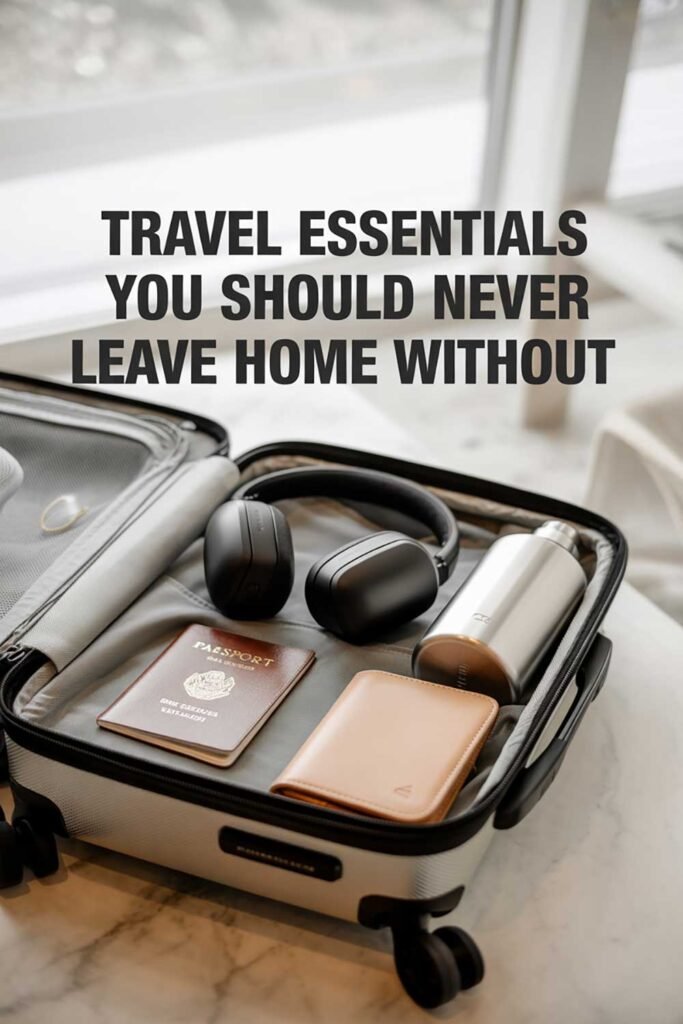
The complete long-haul carry-on kit: a contoured sleep mask that blocks light without pressing against eyelids, foam earplugs with a noise reduction rating of 30 or higher, a travel neck pillow that provides genuine neck support rather than looking comfortable while not providing it, compression socks on your feet from boarding, an empty insulated water bottle filled airside, your snack selection for the flight, lip balm and a travel-size moisturizer and eye drops if you wear contacts, a small tube of hand sanitizer, your in-flight entertainment downloaded offline, your medications for the flight if applicable, and a light wrap or travel blanket if you run cold in air-conditioned cabin environments.
Keep the carry-on kit in your personal item under the seat in front of you rather than in the overhead bin carry-on. Everything in it is needed during the flight. Nothing in it should require standing up and opening the overhead bin to access. The sleep mask goes on when the lights dim. The snack is reached when hunger arrives. The water bottle is with you through the whole flight. The moisturizer is applied without requiring you to locate it across a dark cabin at hour seven. The kit under the seat is a kit you use. The kit in the overhead is a kit that was conceptually well-organized and practically inaccessible.
Do a five-minute in-flight kit setup immediately after takeoff, before the seatbelt sign has turned off and everyone begins moving around. Put on the compression socks if not already wearing them. Put the snack bag in the seat pocket. Put the water bottle in the seat pocket or cup holder. Put the sleep mask and earplugs in the jacket pocket or somewhere accessible without opening anything. Put lip balm in an accessible pocket. Organize the personal item so the items you need later in the flight are accessible without unpacking. Five minutes of setup at the beginning of a long flight saves repeated searching and fumbling through the entire duration. The organized kit functions like the organized bag: everything in the same place, always accessible, never requiring thought at the moment it is needed.
Book the Long-Haul Trip Worth the Journey
A long flight done right is just the beginning. Our travel agents know the destinations worth the journey, the accommodations that make the arrival worth the effort, and the itineraries that give you room to recover well and explore fully. Let us build the trip. You handle the carry-on kit.
Book A TripCommon Long Flight Mistakes to Avoid
Most long-flight misery is caused by the same consistent set of preparation gaps and in-flight habits. These are the most common ones and what to do differently on your next long haul.
Keeping home time on your phone for the entire flight
A phone still showing home time during a long overnight flight orients every sleep, eating, and activity decision to the schedule that produces the worst possible arrival state at the destination. Home time says it is 3 p.m. when destination time says it is 11 p.m. and you should be preparing for sleep. Every hour spent on home time orientation during a long flight is an hour where the body clock recalibration required for arrival recovery is being delayed rather than accelerated. Set the phone to destination time at boarding. Not at landing. At boarding.
Relying on cabin service for all hydration
Cabin service provides water at intervals of 90 minutes to two hours in quantities of about 150 milliliters per serving. On a ten-hour flight at 10 to 20 percent cabin humidity, that is significantly less water than the body requires to offset cabin dehydration. A reusable water bottle filled airside and refilled during the flight provides continuous access to water at the rate your body needs it rather than at the rate cabin service delivers it. The headache, dry skin, and fatigue on arrival that most long-haul travelers accept as inevitable jet lag symptoms are partly dehydration symptoms that active in-flight hydration meaningfully reduces.
No compression socks on flights over four hours
Swollen, heavy legs on arrival at a long-haul destination are not an inevitable outcome of the flight. They are the predictable result of extended immobility in low cabin pressure without compression support, and they are directly preventable with a $15 to $30 purchase worn from boarding. The swelling that takes two days to fully resolve on an unprepared long-haul traveler is the swelling that barely develops on the traveler who boarded in compression socks and combined them with regular in-flight movement. The traveler who dismisses compression socks as medical items for older passengers is typically the one who converts to their use after the first long flight where swollen ankles made the first two days of the destination uncomfortable.
Not moving for the entire flight
Eight to twelve hours of uninterrupted sitting is not rest. It is immobility that accumulates physical discomfort, reduces circulation, stiffens joints and muscles, and produces the physical deterioration that passengers mistake for the inevitable consequence of the flight rather than the consequence of not moving during it. Three to five minutes of standing and walking every two hours is less than thirty minutes of the total flight time. The return in physical comfort, circulation, and alertness across the remainder of a long flight is disproportionate to the time investment. Movement on long flights is not optional for comfortable arrivals. It is one of the primary variables that determines how you feel when you deplane.
No carry-on snack and relying entirely on meal service
Long-haul meal service provides two to three meals across a flight. The gaps between those meals, particularly the extended gap during overnight hours when passengers are trying to sleep and the crew is resting, can be four to five hours. Hunger arriving in that gap on a flight where calling for service wakes a resting crew and disturbs fellow passengers produces a choice between suffering the hunger and enduring the disruption. A snack in the personal item that can be reached without standing or disturbing anyone resolves the hunger in thirty seconds and does not require anyone else’s involvement. The snack that costs $2 at home costs the equivalent of a meaningful improvement in the quality of the most difficult hours of a long flight.
No sleep kit for an overnight long-haul flight
Trying to sleep on an overnight long-haul flight in a fully lit cabin without a sleep mask, surrounded by engine noise and passenger conversation without earplugs, and without any neck support, is sleeping against every environmental condition in the cabin. A contoured sleep mask, foam earplugs, and a functional travel neck pillow together create a self-contained sleep environment that is at least partially independent of what the cabin is doing around you. The traveler who boards an overnight flight with this kit and the intention to sleep aligned with destination time sleeps significantly more than the traveler relying on ambient darkness and silence that never fully arrives in a commercial cabin.
Love Long-Haul Travel? Make It Your Business
If planning long-haul trips, recommending the right destinations for the journey involved, and helping travelers arrive prepared and ready rather than wrecked sounds like work you would genuinely love, becoming a home-based travel agent might be exactly the right next step. Earn commissions, get insider travel perks, and build a real business from anywhere. See how it works.
Become An AgentFrequently Asked Questions
These are the questions long-haul travelers ask most often about managing extended flights. Real answers from real long-haul travel experience across many destinations and flight durations.
How do you actually sleep on a long flight in economy class?
Sleeping in economy requires addressing four barriers simultaneously: light, noise, neck support, and the body’s resistance to sleeping upright. A contoured sleep mask that fully blocks light without pressing against your eyelids handles the light barrier. Foam earplugs with an NRR of 30 or higher handle most engine noise, cabin announcements, and passenger conversation. A travel neck pillow that provides genuine lateral support prevents the head-drop that wakes light sleepers every few minutes. The body clock alignment from setting your phone to destination time means you are attempting to sleep at destination nighttime rather than fighting the body’s own belief that it is afternoon. With all four barriers addressed simultaneously, economy sleep is genuinely achievable across several consecutive hours on overnight flights. Without them, the same sleep is attempted against ambient light, engine noise, inadequate neck support, and a body clock that is not oriented toward sleep.
What is the best strategy for recovering from jet lag quickly after a long-haul arrival?
The fastest jet lag recovery combines several practices that begin on the plane and continue through the first 24 to 48 hours at the destination. On the flight, orient sleep and wake times to destination time as described in this article. On arrival, expose yourself to natural daylight as early and for as long as possible on the first day. Natural light is the strongest regulator of the circadian rhythm and outdoor daylight in the destination timezone accelerates the body clock reset faster than any other single input. Stay awake until a reasonable local bedtime on the first day even if you feel very tired. Going to bed at destination 8 p.m. after a long flight is far better for jet lag recovery than going to bed at 3 p.m. and waking at 1 a.m. Eat meals at destination meal times rather than home meal times. Melatonin taken at destination bedtime for the first two or three nights can accelerate the circadian adjustment. Consult your physician before using melatonin if you have specific health concerns.
Should you drink alcohol on a long flight?
Alcohol on a long flight is a personal choice but its physiological effects are worth understanding before making it. Alcohol is a diuretic that increases fluid loss, directly worsening the cabin dehydration that is already occurring from the low-humidity cabin environment. Alcohol also disrupts sleep architecture, producing the kind of shallow, fragmented sleep that feels like rest but does not provide the restorative benefits of genuine sleep. It accelerates fatigue and impairs the judgment, coordination, and alertness that are useful during long transit days. One drink at meal service as part of the social experience of the flight is unlikely to produce meaningful consequences. Multiple drinks, or drinking specifically to attempt to fall asleep, typically produces a worse arrival state than not drinking, including more pronounced dehydration, a lower quality sleep episode, and more pronounced fatigue. The choice is yours. The effects are documented and consistent.
Is the seat choice really that important on a long-haul flight?
Seat choice matters meaningfully but not more than the in-flight habits described in this article. Aisle seats facilitate the movement-every-two-hours strategy without disturbing fellow passengers and are worth choosing specifically for that reason on long hauls. Window seats provide a wall to lean against for sleeping and complete control over the window shade, which affects light management. Middle seats provide neither benefit and are worth avoiding when alternatives exist. Seats near lavatories have more foot traffic and noise. Seats near galleys have more crew activity and occasional noise but also easier access to standing space for stretching. Exit row seats offer more legroom at the cost of no window or movable armrests and a seat that may not recline. The best seat for a long-haul flight is an aisle seat with reasonable legroom away from the lavatory queue. The seat matters. The habits matter more.
What should you eat before a long-haul flight to support a better experience?
A light, balanced meal two to three hours before a long-haul flight provides sustained energy without the digestive heaviness that makes sleeping difficult. Avoid very large meals immediately before a long flight since the combination of a full stomach and the pressure changes of ascent can produce discomfort, bloating, and nausea in the early hours of the flight. Avoid very salty or heavily processed food before boarding since these increase thirst and water retention, both of which work against the hydration and leg circulation strategies. Avoid heavy alcohol consumption in the hours before a long flight for the same reasons it is problematic during the flight. A meal built around lean protein, complex carbohydrates, and vegetables two to three hours before departure provides the energy and digestive comfort that makes the first hours of the flight comfortable and the sleep strategy achievable once the lights dim.
How do you manage medications and supplements on long-haul flights across time zones?
Medications taken on a fixed schedule require a clear decision about which time zone to use for dosing during the transition. For most short-acting daily medications where the precise timing is flexible within a window of several hours, taking the medication at a time that falls within the acceptable window in either time zone is usually appropriate. For medications where timing is critical, including insulin, certain cardiac medications, and any medication with narrow therapeutic windows, consult your prescribing physician before any long-haul trip involving significant time zone changes. They can advise a specific dosing adjustment for the travel days and the first days at the destination. Carry all medications in your carry-on personal item, never in checked luggage. Carry a letter from your physician for any controlled substances or injectable medications that may require explanation at customs or security. Keep medications in their original labeled packaging wherever possible.
The long flight is not the price you pay for the destination. It is the beginning of the trip. What you do during it determines what you are capable of when you arrive.
Picture Your Next Long-Haul Arrival
You set your watch to destination time as the plane door closed. You filled your water bottle airside and it has been in your hand, your seat pocket, and your cup holder for the whole flight. Your compression socks went on before boarding and they are still on. You stood up five times during the flight. You slept because the sleep mask was blocking the cabin lights and the earplugs were handling the engine. You had a snack at hour seven when the meal service was four hours away. You walk off the plane at the destination with manageable legs, a reasonable level of alertness, and enough left in you to get to the accommodation under your own energy. Same seat as always. Same plane. Same duration. Different system. Different arrival. That is long-haul travel done right.
One More Thing Before You Board
Print our free Travel Packing Checklist before your next long-haul trip. The carry-on kit section covers every item in this article so nothing gets left behind. Compression socks confirmed. Water bottle in the personal item. Snacks packed. Sleep mask and earplugs accessible. The same checklist we use before every single long-haul flight we take.
Get the Free ChecklistExplore Our Top Picks for a Better Trip
From the compression socks that changed every long-haul arrival to the contoured sleep mask that finally made overnight flights genuinely restful, see the long-haul travel products and resources we actually use and recommend on every extended journey we take. Real picks from real flights of every duration and destination.
See Our Top PicksTravel Prints and Printables From Our Shop
Visit Premier Print Works for travel journals, trip planners, packing list printables, and wall art that makes every trip a little more beautiful and a lot more organized from the first item in the carry-on kit to the last memory made at the destination.
Visit Premier Print WorksDisclaimer
The information shared in this article is provided by Don and Diana’s Travels for general informational, educational, and inspirational purposes only. It reflects our personal experiences, opinions, and the experiences of travelers we have worked with. It is not professional travel, medical, or health advice, and it should not be relied on as such.
Health and Medical Information
The health-related guidance in this article, including information about compression socks, jet lag, hydration, deep vein thrombosis risk awareness, melatonin, in-flight movement, and medication management across time zones, is general educational information only and not professional medical advice. Individual health circumstances vary significantly. Anyone with existing circulatory conditions, a history of blood clots, deep vein thrombosis, peripheral artery disease, diabetes with nerve damage, cardiac conditions, or any other relevant health condition should consult a qualified physician before using compression socks, making changes to medication schedules, using melatonin, or making any health-related decisions based on information in this article. The mention of deep vein thrombosis and circulatory risk during long-haul travel is general educational awareness information only. We are not responsible for any health outcome arising from decisions made based on the information in this article.
Travel Information and Airline Policies
Airline policies, in-flight service standards, seat configurations, meal service schedules, and related travel conditions change frequently and vary between airlines, routes, and aircraft types. We make no guarantee that any information in this article is accurate, complete, or applicable to your specific flight or airline.
Affiliate and Partner Links
This article may contain affiliate links, partner links, referral links, and links to products or services that pay us a commission. If you click a link and book a trip, make a purchase, sign up for a service, or complete any qualifying action, we may earn a small commission at no extra cost to you. This includes but is not limited to links to our travel booking platform, host agency, recommended products, the Premier Print Works shop, and any third-party retailers or service providers mentioned in the article. Our recommendations are based on real use and genuine belief in the products and services we share. Commissions help support the cost of running this site and producing free content for our readers.
Third-Party Websites and Services
We may link to third-party websites, services, and resources for your convenience. We do not control these sites and are not responsible for their content, terms of service, privacy practices, pricing, availability, accuracy, customer service, refund policies, or any product or service they sell. Your use of any third-party site is entirely at your own risk and subject to that site’s own terms and policies.
Health, Safety, and Personal Responsibility
Travel involves personal risk. You are solely responsible for your own health, safety, travel insurance, medications, vaccinations, documentation, financial decisions, and choices while planning or taking any trip. We strongly recommend purchasing comprehensive travel insurance for every trip. Don and Diana’s Travels, its owners, employees, contractors, and affiliates accept no liability for any loss, injury, illness, health complication, delay, cancellation, damage, theft, or inconvenience arising from your use of the information in this article or from any travel decisions you make.
Composite Stories and Characters
Some stories, examples, and traveler experiences shared on this site are composites. They are drawn from the real experiences of Don, Diana, clients, friends, and travelers we have worked with over the years. Names, identifying details, locations, and circumstances may be combined, changed, or fictionalized to protect privacy and to better illustrate a point. Any resemblance to a specific real person beyond the composite portrayal is unintentional.
No Guarantees
We do not guarantee any specific result, outcome, savings, experience, or health benefit from using the information, tips, services, or products mentioned in this article. Your results depend on many personal factors, including your own choices, effort, circumstances, and external conditions outside of our control.
Copyright and Use
All content in this article, including text, images, graphics, design, and original stories, is the copyrighted property of Don and Diana’s Travels unless otherwise noted. You may not copy, republish, redistribute, modify, sell, or reuse our content in whole or in part without our prior written permission. You are welcome to share a direct link to this article with proper credit.
By reading and using the information in this article, you acknowledge that you have read, understood, and agree to this disclaimer in full.