Every seasoned traveler started with a forgotten phone charger, a missing adapter, or a passport discovered at the bottom of the wrong bag. And every one of them eventually built a packing system that made sure it never happened again. This is that system, built for beginners, tested on real trips, and designed to send you out the door feeling completely ready.

Best For
First-Time Travelers
Vibe
Prepared and Confident
Read Time
12 Minutes
Walk Away With
A Complete Packing System
Free Download

Grab Our Travel Packing Checklist

This article gives you the system. Our free checklist gives you the printable version you can bring to your closet the night before every trip. Every category, every essential, nothing forgotten. Print it once and use it for years.

Get the Free Checklist

Documents and Copies of Everything

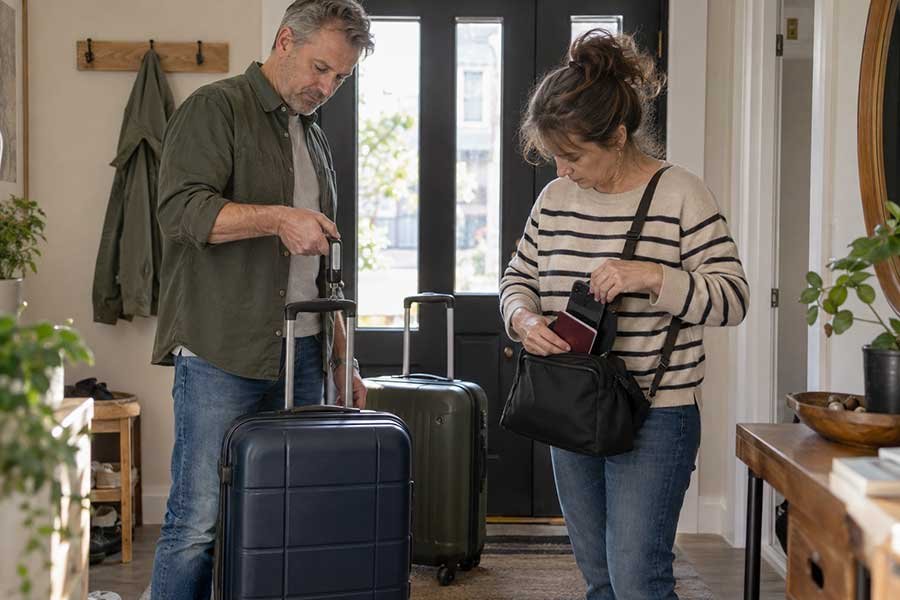
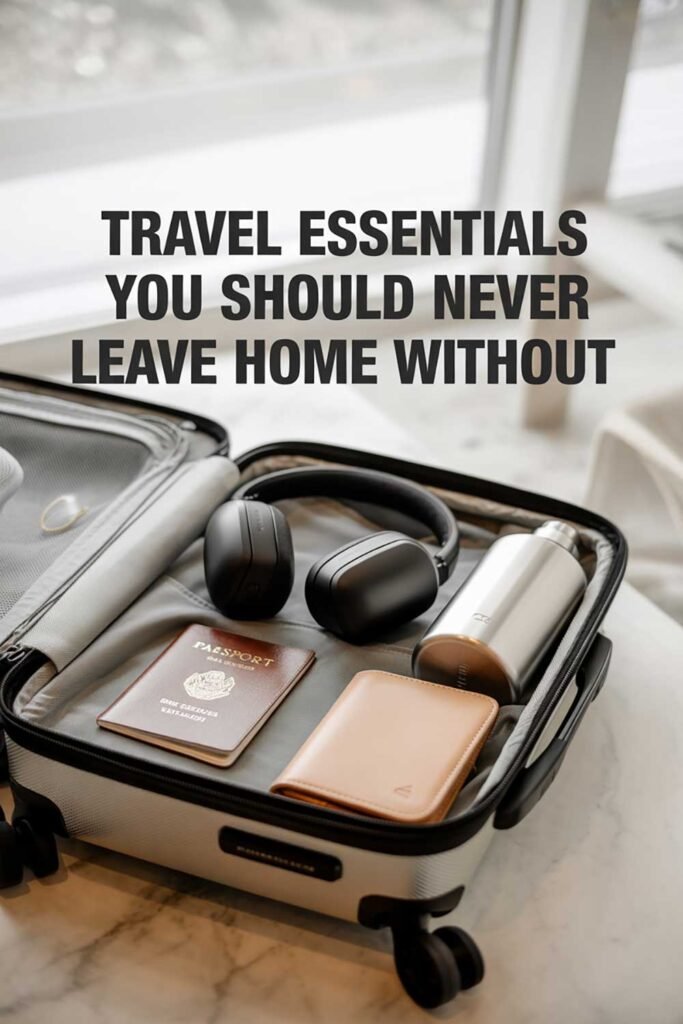
Documents go in first and they go in a dedicated spot you never change. Not at the bottom of your bag. Not loose in a side pocket. In a travel document organizer or a designated inner zipper pocket that you use every single trip without exception.

Your document checklist: passport with at least six months of validity remaining before your return date, government-issued ID as a backup, visa or entry documents if your destination requires them, printed copies of your flight confirmations, hotel reservations, and any tour bookings, your travel insurance policy details, emergency contact information written on paper, and enough local currency for your first hour on the ground.

Before you leave home, photograph the front and back of every document. Your passport, your visa, your ID, every credit card you are bringing, your travel insurance card. Save the photos in a private cloud folder you can access from any device with mobile data. Email the folder link to someone at home too. If your bag is stolen, your phone breaks, or you lose your wallet, those photos are your lifeline to getting emergency help quickly.

The ultimate packing list is not about packing everything. It is about packing the right things so thoughtfully that you never have to think about what you are missing.

Pack your documents first. Pack them in the same place every trip. Make finding them automatic so you never have to think under pressure.

Insider Note

Check your passport expiration date right now, before you book anything. Many countries require your passport to be valid for at least six months beyond your travel dates. A passport that expires in four months can get you turned away at the gate or denied entry at your destination. Renewal takes four to six weeks in normal times and longer in busy seasons.

Ready to Go

Let Us Plan Your Escape

Once your documents are in order and your bag is packed, the only thing left is a destination worth traveling to. Tell us where you want to go, your dates, and your travel style. We will put together a trip you will actually be excited about. Real travel agents, real planning, zero overwhelm.

Plan Our Escape

Medications and Personal Essentials

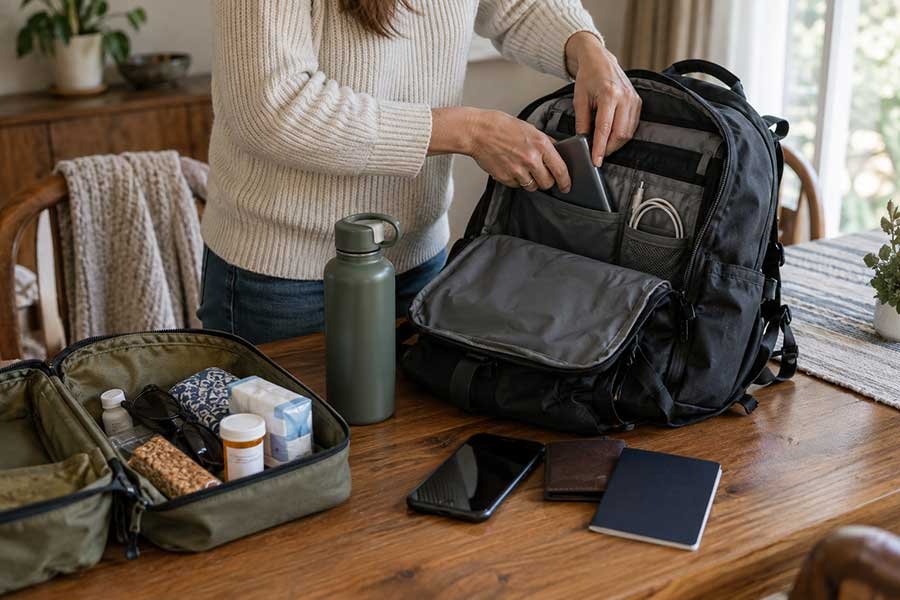
Medications are the most important category on any packing list and the one most beginners handle wrong. Every medication you take, prescription or over the counter, goes in your carry-on or personal item. Never in your checked bag. If your checked bag is lost or delayed, you need your medications with you, full stop.

Pack every prescription medication in the original labeled bottle. Many countries require this at customs, and it saves you enormous time and stress if you are questioned at the border. Bring enough supply for your entire trip plus a buffer of three to five extra days in case of delays or disruptions. For medications that require refrigeration, contact your airline and hotel in advance to make arrangements.

Your over-the-counter essentials: pain reliever, antacid, antihistamine for allergies, anti-diarrheal, motion sickness tabs if you need them, blister bandages, a small first aid kit with plasters and antiseptic wipes, and sunscreen. These items are available almost everywhere in the world, but having them on hand means you spend the first day of your trip exploring instead of hunting for a pharmacy.

Insider Note

If you take prescription medications, ask your doctor for a signed letter on official letterhead describing each medication, the dosage, and the medical reason you need it. Some countries have strict rules about controlled substances and certain medications that are legal at home. The letter takes ten minutes to get and can prevent hours of customs questioning.

Your Capsule Wardrobe in Neutral Colors

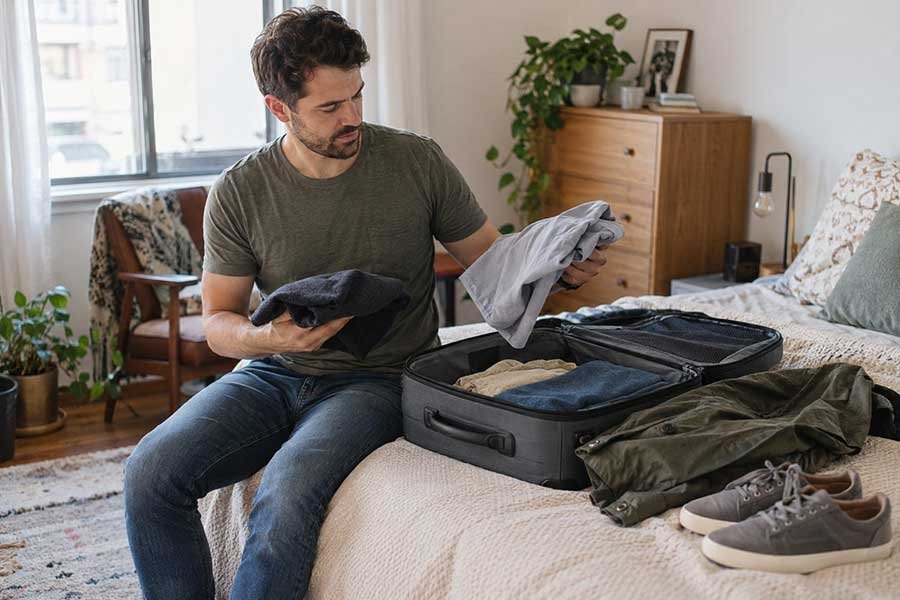
Your clothing goes in after documents and medications. The beginner packing mistake is to pack one full outfit per day plus backups. The experienced traveler packs a capsule wardrobe of pieces that mix and match across every day of the trip.

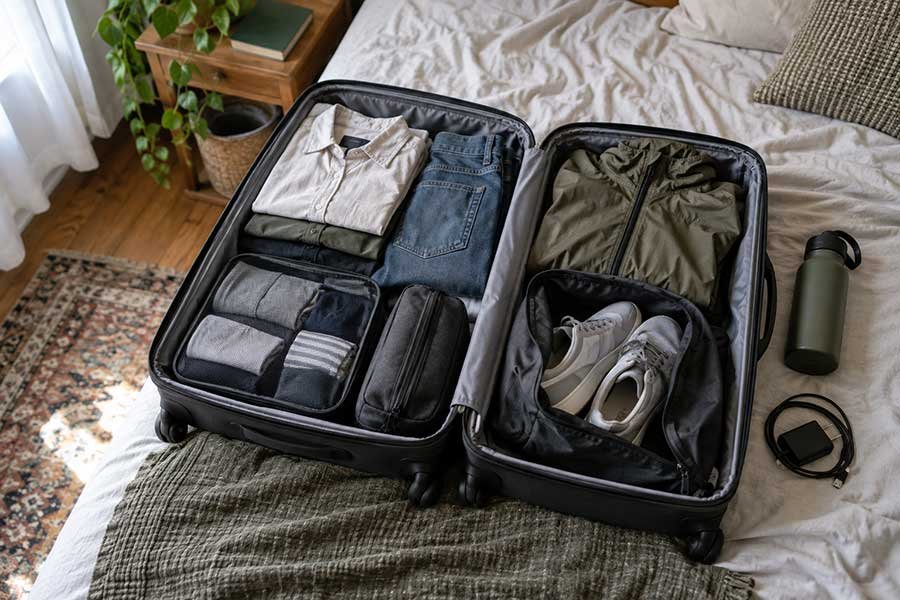
For a one-week trip: two pairs of pants or bottoms in neutral colors, four tops that work with both bottoms, one dress or versatile layer, one cardigan or light jacket, one nice piece for a dinner or special occasion, pajamas or sleep clothes, seven pairs of underwear, four to five pairs of socks, and one pair of comfortable shoes on your feet plus one packable backup if truly needed. That is your full wardrobe.

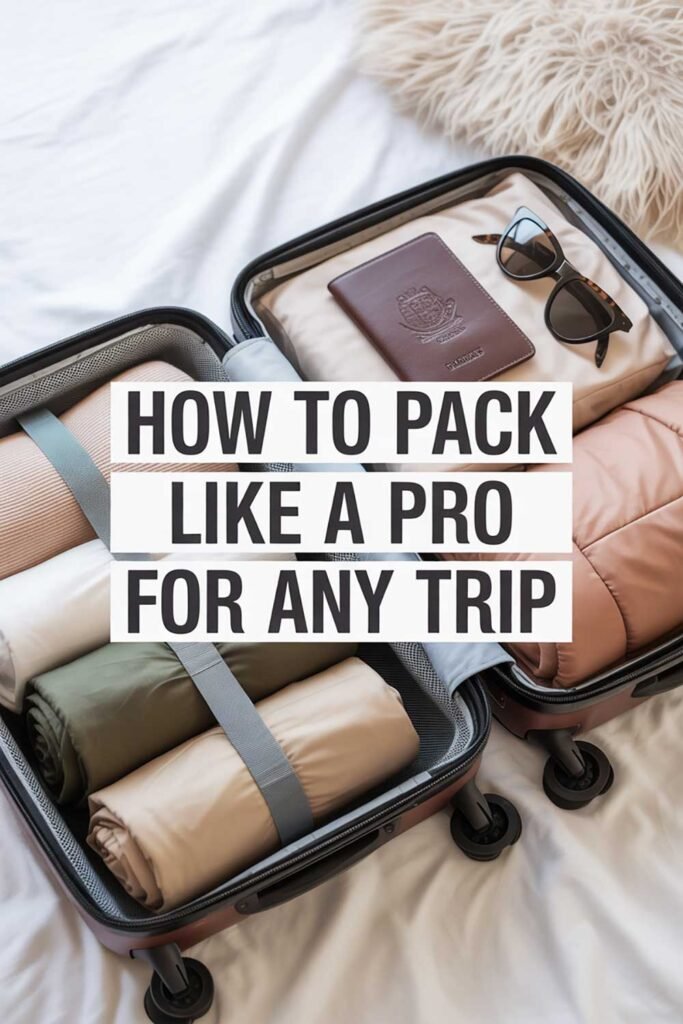
Stick to two neutral colors and one accent color so everything pairs. Black and tan with blush. Navy and cream with olive. Roll every piece instead of folding flat. Use packing cubes organized by category — tops in one, bottoms in another, underwear and socks in a third. When you arrive, you can pull out a cube like a drawer and find everything in seconds.

For a two-week trip or longer, add a mid-trip laundry plan. Most hotels have laundry service. Many apartment rentals have a washing machine. A small packet of travel laundry soap lets you rinse things in the sink. Repeat the same capsule wardrobe twice rather than doubling your packing load.

Insider Note

Pack one outfit specifically for the journey home. Keep it clean and comfortable throughout the trip. When you are tired, jet-lagged, and heading back, having one easy outfit ready to change into makes the whole return feel more manageable.

Our Real Favorites

The Packing Gear We Actually Use

The packing cubes that have lasted years, the carry-on we always reach for, the travel document organizer that goes in every bag, the tiny luggage scale that has saved us hundreds in overweight fees. Real picks from real trips, not random affiliate roundups.

DND Favorites

Toiletries Done the Right Way

Toiletries are where beginners consistently overpack. The goal is a small hanging toiletry kit with everything you need and nothing extra. One kit, organized, ready to hang in any hotel bathroom.

Your toiletry essentials: toothbrush and toothpaste, face cleanser and moisturizer, deodorant, shampoo and conditioner in travel-size containers, body wash or a small bar of soap, razors, feminine hygiene products if needed, contact lenses and solution if you wear them, nail clippers, a small comb or brush, and SPF for your face and body.

Pack your liquids at the very top of your bag in a clear quart-size bag so you can pull it out at security in two seconds. Double bag anything that might leak. Cabin pressure changes cause even tightly closed bottles to weep liquid. The two seconds it takes to put your sunscreen inside a small zip bag has saved more travelers’ clothes than any other small habit.

Hotels almost always provide shampoo, conditioner, body wash, and soap. Use them. Skip packing full-size versions of products the hotel will have. Bring only the products your skin or hair genuinely needs that the hotel version cannot replace. Your back, your bag weight, and your fellow travelers all thank you for packing light in this category.

Insider Note

Switch to solid toiletries for longer trips. Solid shampoo bars, solid conditioner bars, and solid face cleansers do not count as liquids at security, take up minimal space, and last for weeks. Many travelers who switch to solid toiletries never go back to liquid versions for travel.

Electronics and Chargers Together

Electronics and chargers belong together in one dedicated pouch. Not scattered through your bag. One pouch, always the same pouch, so you can find everything without unpacking and you can grab the whole kit quickly when you need to charge something.

Your electronics packing list: phone and phone charger, a power bank with at least 10,000 milliamp hours, a universal travel adapter for international destinations, your headphones or earbuds, your laptop or tablet and its charger if you are bringing one, a USB multi-port charger so you charge everything from one wall outlet, and a small portable power strip if you travel with multiple devices and hate fighting over outlets in hotels.

Check your destination’s outlet type before you leave. The United States uses Type A outlets. Europe uses Type C and F. The United Kingdom uses Type G. Australia uses Type I. A universal adapter covers most destinations and costs about $15 to $25. Buying one at a foreign airport costs three times as much and wastes an hour of your first day.

Insider Note

Never pack your power bank in your checked luggage. Airlines worldwide prohibit lithium batteries in checked bags due to fire risk. Your power bank lives in your carry-on or personal item, always. The same applies to spare camera batteries and any other lithium battery packs.

Comfort Items for the Journey

Comfort items are the category most beginners skip entirely and then regret at hour six of a long flight. A small investment in the right comfort items changes the entire travel experience from something you endure to something you actually enjoy.

Your in-flight comfort list: a travel pillow that wraps around your neck and locks in place, an eye mask that fully blocks light, foam earplugs or noise-canceling earbuds, a light scarf or wrap that doubles as a blanket, compression socks for anything over four hours, lip balm, face moisturizer, and chewing gum for takeoff and landing.

Add a small comfort kit for the destination. A reusable water bottle you can fill after security and carry all day. A compact umbrella or packable rain jacket if your destination has changeable weather. A small crossbody or day bag for exploring. A travel journal or notebook. A book, downloaded podcast, or loaded tablet for downtime. These small items make the difference between a trip that grinds on you and a trip that genuinely restores you.

The Trip That Made Us Build a Real System

Before we had a packing system, we just threw things in a bag. Every trip started with a different approach and ended with the same result. Something important was always missing. On one trip we forgot our travel adapter and spent the first night in Europe with dead phones. On another we packed medications in the checked bag and waited forty minutes at baggage claim with a growing headache that could have been fixed in seconds with what was in the bag below us. On another trip we each packed separately and arrived at our hotel with four pairs of shoes between us and not a single umbrella for a trip to a rainy city.

Eventually we sat down together and built a real list. Every category written out. Every item assigned a location. Documents in the travel organizer. Medications in the personal item. Electronics in one pouch. Toiletries in the hanging kit at the top of the bag. We tested it on a short trip first, refined it, and tested it again. The list took about an hour to build and has saved us hours of stress on every trip we have taken since.

The ultimate packing list is not about packing everything. It is about packing the right things so thoughtfully that you never have to think about what you are missing. That hour we spent building the list was the best travel investment we ever made. This article is that list, handed to you already built.

What Goes in Your Personal Item

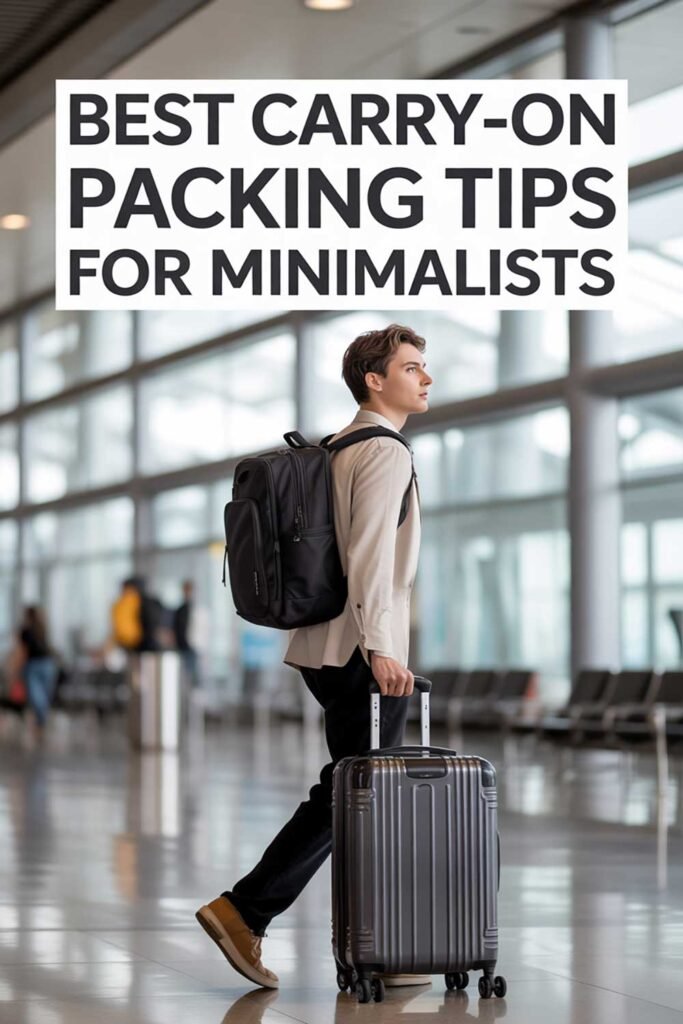
Your personal item is the bag that stays with you in the cabin no matter what. Even if your carry-on gets gate-checked at the last minute, your personal item stays under the seat in front of you. Pack it accordingly.

Personal item must-haves: your passport and boarding pass, your phone and power bank, your wallet and a backup credit card in a separate pocket, every prescription medication, your prescription glasses or contacts if you need them, a full change of clothes in a compression pouch, your in-flight comfort kit, a snack, an empty water bottle, your headphones, and a printed copy of your reservations and hotel address.

The one outfit in your personal item is the beginner packing tip that sounds small until the day your bag ends up in a different city. If your checked bag is lost or your carry-on is gate-checked and delayed, that one outfit means you can shower, change, and start your trip while the airline sorts out where your bag went. It has saved more first-time travelers than any other single packing habit.

Insider Note

Organize your personal item with small zippered pouches by category. One pouch for tech, one for comfort items, one for snacks, one for documents. When you need something at 30,000 feet in a dark cabin, you grab the right pouch without disturbing your seatmate or emptying your whole bag into your lap.

Book With Us

Book Your First Trip the Easy Way

Your bag is packed and your system is ready. Now you need a destination. Our trusted booking platform lets you reserve flights, hotels, cruises, and vacation packages in one place, with real travel agents who help beginners navigate every part of the booking process without the overwhelm.

Book A Trip

Common Packing Mistakes Beginners Make

Knowing what to pack matters. Knowing what not to do matters just as much. These are the most common packing mistakes first-time travelers make and exactly how to avoid each one.

1

Packing too many shoes

Shoes are the single biggest space waster in any beginner’s bag. Three or four pairs for a five-day trip is very common and almost never necessary. One great pair on your feet and one flat packable backup is the full shoe strategy for most trips. Wear the heaviest pair through the airport and you save even more space.

2

Packing medications in the checked bag

Checked bags get lost, delayed, and occasionally opened. Your medications — especially prescriptions — live in your carry-on or personal item every single flight without exception. The moment you put them in the checked bag is the moment your trip becomes dependent on your luggage arriving on time.

3

Forgetting a universal travel adapter

This is the number one forgotten item for first-time international travelers. You arrive, plug in your phone, and nothing happens. Check your destination’s outlet type before you leave, buy a universal adapter in advance for about $15 to $25, and pack it in your electronics pouch where you will always find it.

4

Not having a backup copy of documents

If your passport is lost or stolen without a backup copy, getting emergency travel documents takes days instead of hours. Photograph every document before you leave, save the photos in a cloud folder, and email the folder link to someone at home. This takes ten minutes and can save a trip entirely.

5

Overpacking toiletries

Most hotels provide shampoo, conditioner, body wash, and soap. Most pharmacies around the world stock every basic toiletry you might forget. Packing a full set of large-format toiletries for a short trip adds significant weight and takes up space your clothes need. Decant into travel-size containers, embrace hotel toiletries, and save the big bottles for home.

6

Skipping the try-on test

Clothes that look good in your closet at home do not always travel well. The pants that feel perfect standing up feel terrible sitting for eight hours. The blouse that looks great freshly ironed looks like a crumpled mess after forty minutes in a bag. Try on every outfit fully before it goes in your bag. If it does not pass the test at home, it will not pass it on the trip.

Turn Travel Into Income

Love Helping People Travel Better?

If building packing lists, planning trips, and helping others travel with confidence feels less like work and more like your calling, becoming a home-based travel agent might be exactly what you have been looking for. Earn commissions, get insider travel perks, and build a real business from anywhere. See how it works.

Become An Agent

Frequently Asked Questions

These are the questions beginner travelers ask most often about building a packing list. Real answers, no fluff.

How far in advance should I start building my packing list?

Start your list at least two weeks before your trip. This gives you time to notice what you use in daily life and realize what you actually need, to order anything missing without paying rush shipping, and to do a full try-on session without the time pressure of a departure day. A rushed packing job the night before almost always means something important gets left behind.

How many outfits should I pack for a one-week trip?

Pack seven to nine pieces of clothing total, not seven full outfits. A capsule wardrobe of two bottoms, four tops, one dress or jumper, and one layer gives you more than enough outfit combinations for seven days with room to repeat favorites. Most experienced travelers wear the same three or four combinations on rotation anyway. The key is choosing pieces that mix and match rather than packing standalone outfits.

What documents should I always carry on my person, not in my bag?

Your passport should always be on your person or in your personal item, never in your checked luggage. The same applies to your boarding pass, your ID, and your wallet. In busy tourist areas, consider a money belt or an inner jacket pocket for your passport so it stays on your body rather than in a bag that could be grabbed. Keep a photocopy in your bag as a separate backup from the original.

Do I really need travel insurance?

Yes. Every trip, every time. Travel insurance covers medical emergencies abroad which can cost tens of thousands of dollars without coverage, trip cancellation, lost or stolen luggage, delayed flights, and emergency evacuation. The cost is typically one to three percent of your total trip cost. The peace of mind alone is worth it, and the one time you need it, it pays for itself many times over. Always buy it before you leave home, not after something goes wrong.

What is the most forgotten item in a beginner’s packing list?

A universal travel adapter is the single most commonly forgotten item for first-time international travelers. It is also one of the easiest to forget because it is not something most people use at home. The second most forgotten item is a power bank. Both are cheap to buy in advance and extraordinarily expensive or difficult to source at a foreign airport when you need them immediately. Pack both. Always.

Should I pack differently for warm versus cold destinations?

The packing principle stays the same — capsule wardrobe, neutral colors, mix and match — but the specific pieces change. For warm destinations, swap heavy pants for linen trousers or light shorts, swap the cardigan for a thin layer against air conditioning, and add a swimsuit and packable sandals. For cold destinations, wear your bulkiest items through the airport to save bag space, and pack thin thermal underlayers that add warmth without taking much room. The biggest cold-weather packing mistake is bringing one giant coat instead of multiple thin layers that combine for the same warmth in far less space.

The right packing list does not just prepare you for a trip. It gives you the confidence to say yes to everything the trip offers without worrying about what you left behind.

Picture Your Departure Day

You close your bag the night before without sitting on it. Your documents are in their place. Your medications are in your personal item. Your capsule wardrobe is rolled and organized in packing cubes. Your electronics are in one pouch. Your comfort kit is ready for the flight. You wake up on departure day feeling prepared, calm, and genuinely excited. You walk out the door with everything you need and nothing you do not. That is what a real packing system gives you.

Free Download

One More Thing Before You Pack

Print our free Travel Packing Checklist and bring it out the night before every trip. Every category covered, every essential included, nothing forgotten. The same checklist we use on every trip we take, from a long weekend to a month overseas.

Get the Free Checklist

Explore Our Top Picks for a Better Trip

From the travel document organizer we never leave home without to the electronics pouch that keeps every charger in one place, see the travel gear and resources we actually use and trust. Real picks for real trips, tested and refined over years of travel together.

See Our Top Picks

Travel Prints and Printables From Our Shop

Visit Premier Print Works for travel journals, packing planners, wall art, and printable goodies that make every trip a little more beautiful and a lot more organized.

Visit Premier Print Works

Disclaimer

The information shared in this article is provided by Don and Diana’s Travels for general informational, educational, and inspirational purposes only. It reflects our personal experiences, opinions, and the experiences of travelers we have worked with. It is not professional travel, legal, financial, medical, or insurance advice, and it should not be relied on as such.

Travel Information and Booking

Travel conditions, pricing, availability, entry requirements, visa rules, vaccination requirements, passport validity requirements, currency exchange rates, airline policies, baggage rules, weight limits, carry-on and personal item dimensions, liquids rules, security procedures, and safety advisories change often and without notice. Before booking or traveling, always confirm current details directly with the airline, airport, hotel, cruise line, tour operator, embassy, consulate, government travel advisory office, or transportation security authority for your destination and country of origin. We make no guarantee that any information in this article is accurate, complete, or up to date at the time you read it.

Medical and Medication Information

Any information in this article about medications, health preparations, travel insurance, or medical planning is general educational guidance only and not professional medical advice. Always consult a licensed physician or pharmacist before traveling with prescription medications, and check the regulations of your destination country regarding controlled substances and prescription drugs. Requirements vary significantly by country and change without notice. We are not responsible for any outcome related to your medication packing decisions.

Affiliate and Partner Links

This article may contain affiliate links, partner links, referral links, and links to products or services that pay us a commission. If you click a link and book a trip, make a purchase, sign up for a service, or complete any qualifying action, we may earn a small commission at no extra cost to you. This includes but is not limited to links to our travel booking platform, host agency, recommended products, the Premier Print Works shop, and any third-party retailers or service providers mentioned in the article. Our recommendations are based on real use and genuine belief in the products and services we share. Commissions help support the cost of running this site and producing free content for our readers.

Third-Party Websites and Services

We may link to third-party websites, services, and resources for your convenience. We do not control these sites and are not responsible for their content, terms of service, privacy practices, pricing, availability, accuracy, customer service, refund policies, or any product or service they sell. Your use of any third-party site is entirely at your own risk and subject to that site’s own terms and policies.

Health, Safety, and Personal Responsibility

Travel involves personal risk. You are solely responsible for your own health, safety, travel insurance, medications, vaccinations, documentation, financial decisions, and choices while planning or taking any trip. Consult a licensed physician before traveling if you have any health conditions, are pregnant, or plan to travel to areas with known health risks. We strongly recommend purchasing comprehensive travel insurance for every trip. Don and Diana’s Travels, its owners, employees, contractors, and affiliates accept no liability for any loss, injury, illness, delay, cancellation, damage, theft, missed connection, lost luggage, or inconvenience arising from your use of the information in this article or from any travel decisions you make.

Composite Stories and Characters

Some stories, examples, and traveler experiences shared on this site are composites. They are drawn from the real experiences of Don, Diana, clients, friends, and travelers we have worked with over the years. Names, identifying details, locations, and circumstances may be combined, changed, or fictionalized to protect privacy and to better illustrate a point. Any resemblance to a specific real person beyond the composite portrayal is unintentional.

No Guarantees

We do not guarantee any specific result, outcome, savings, experience, or financial return from using the information, tips, services, or products mentioned in this article. Your results depend on many personal factors, including your own choices, effort, circumstances, and external conditions outside of our control.

Copyright and Use

All content in this article, including text, images, graphics, design, and original stories, is the copyrighted property of Don and Diana’s Travels unless otherwise noted. You may not copy, republish, redistribute, modify, sell, or reuse our content in whole or in part without our prior written permission. You are welcome to share a direct link to this article with proper credit.

By reading and using the information in this article, you acknowledge that you have read, understood, and agree to this disclaimer in full.