First Solo Trip Packing: What You Need and What You Don’t
A Practical Guide to Packing Smart for Your First Independent Adventure
Introduction: The Overpacking Trap
You are preparing for your first solo trip. The excitement is building. So is the anxiety. And as departure approaches, that anxiety often manifests in one particular way: you start packing everything you might possibly need.
What if it rains? Better bring rain gear. What if it is cold? Better bring layers. What if you need to dress up? Better bring nice clothes. What if you get sick? Better bring a full pharmacy. What if, what if, what if…
Before you know it, your bag weighs forty pounds and you still feel unprepared.
This is the overpacking trap, and first-time solo travelers fall into it constantly. Without a travel companion to provide perspective or share items, the temptation is to bring everything yourself. The result is luggage that is exhausting to carry, stressful to manage, and full of things you never touch.
Here is the truth experienced solo travelers understand: you need far less than you think, and bringing too much creates more problems than bringing too little. Almost anything you forget can be purchased at your destination. But the weight you carry is with you every step of your journey.
This article is going to help you pack smart for your first solo trip. We will cover what you actually need, what you definitely do not need, how to think about packing decisions, specific recommendations for different trip types, and strategies for traveling lighter than you thought possible. By the end, you will approach packing with confidence rather than anxiety.
The Solo Packing Mindset
Before discussing specific items, let us establish the right mindset.
You Are Not Packing for Every Scenario
First-time packers try to prepare for every possible situation. This is impossible and unnecessary. Pack for the most likely scenarios and trust that you can handle unexpected situations when they arise.
If it unexpectedly rains, you can buy an umbrella. If you need a warmer layer, shops exist. If you forgot something important, your destination almost certainly has stores.
Weight Is Your Enemy
Every pound you pack is a pound you carry through airports, up stairs, over cobblestones, and onto trains. There is no porter, no partner to share the load. It is just you and your bag.
Pack light enough that you can comfortably carry everything without strain. If you cannot walk a mile with your packed bag, you have packed too much.
Versatility Over Variety
Instead of packing many items for specific purposes, pack fewer items that serve multiple purposes. A black dress that works for nice dinners and casual sightseeing beats packing separate casual and formal outfits.
Every item should earn its place by being useful in multiple situations.
Laundry Is Available
You do not need an outfit for every day of your trip. Laundry services exist everywhere. Hand-washing in a sink is easy. Pack enough for about a week regardless of trip length, and plan to wash clothes during longer journeys.
Comfort With Less Takes Practice
If you have never traveled light, it feels uncomfortable at first. You will worry that you forgot something essential. You will wish you had options you left behind. But this discomfort passes, and what replaces it is the freedom of traveling unencumbered.
What You Actually Need: The Essentials
Let us start with items that genuinely matter.
Documents and Money
Passport or ID: The most essential item for international travel. Keep it secure but accessible.
Credit/debit cards: At least two cards in case one fails or is lost. Keep them in separate locations.
Some local currency: Enough for immediate needs upon arrival. You can get more later.
Copies of important documents: Digital and/or physical copies of passport, cards, and reservations.
Phone and charger: Your phone handles navigation, communication, translation, and countless other needs.
These items are genuinely irreplaceable. Everything else can be purchased if necessary.
Appropriate Luggage
For most solo trips, a carry-on sized bag is sufficient and ideal. This might be:
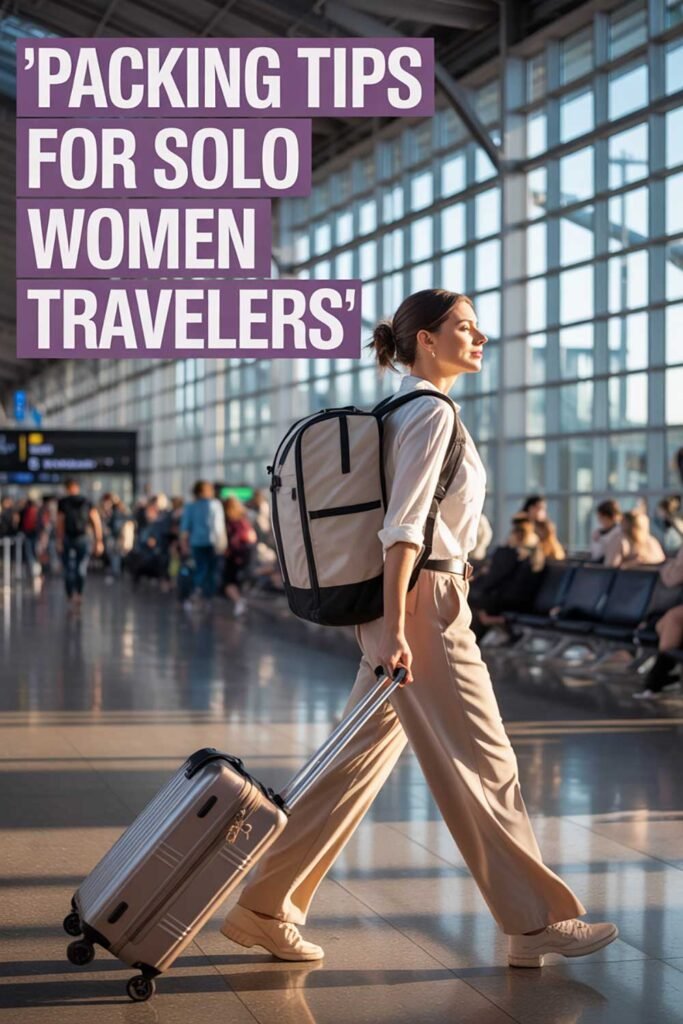
A carry-on rolling suitcase: Easy to roll, fits in overhead bins, provides structure for organization.
A travel backpack: Hands-free carrying, easier on varied terrain, fits in tighter spaces.
A small day bag: For daily exploration when your main bag stays at your accommodation.
Choose luggage appropriate to your destination and travel style, but err toward smaller rather than larger.
Clothing Basics
The specific clothes depend on your destination, but the principles are universal:
Underwear and socks: Enough for 5-7 days. These are small and worth having fresh.
Bottoms: 2-3 pairs that coordinate with multiple tops. Neutral colors maximize versatility.
Tops: 4-6 tops that mix and match with your bottoms. Include some that layer.
One dressier outfit: For occasions that require something beyond casual.
Weather-appropriate layer: A light jacket, cardigan, or fleece depending on climate.
Sleepwear: Unless you sleep in your clothes or birthday suit.
Swimsuit: If there is any chance of swimming.
This sounds minimal because it is. It is also enough.
Footwear
Shoes are heavy and bulky. Every additional pair significantly impacts your packing.
Walking shoes: Comfortable shoes suitable for miles of daily exploration. These are your most important clothing item.
One additional pair: Either dressier shoes or sandals depending on your needs. Choose something that serves multiple purposes.
Two pairs of shoes is enough for almost any trip. Sometimes one pair is enough.
Toiletries
The basics: Toothbrush, toothpaste, deodorant, any skincare essentials.
Travel sizes: Small containers of anything liquid.
Prescription medications: Enough for your trip plus extra in case of delays.
Feminine products: If needed, bring enough to start; available everywhere.
Sunscreen: If destination requires it.
Skip anything available at your destination. Hotels provide soap and shampoo. Pharmacies sell everything else.
Technology
Phone and charger: Essential.
Power adapter: For international travel.
Portable battery: Useful for long days away from outlets.
Earbuds or headphones: For entertainment and noise isolation.
E-reader or tablet: Optional, for reading and entertainment.
One device (your phone) can handle almost everything. Add others only if they provide meaningful value.
Practical Items
Small first aid supplies: Band-aids, pain reliever, any personal medications.
Reusable water bottle: Staying hydrated matters, and this saves money.
Packable tote or day bag: If your main day bag is bulky.
Pen: For customs forms and other paperwork.
Padlock: If staying in hostels or accommodations with lockers.
What You Probably Do Not Need
Now let us address items that first-time packers often bring but rarely use.
Too Many Clothes
This is the most common overpacking category. You do not need:
- A different outfit for every day
- Clothes for weather that is unlikely
- Multiple pairs of similar items
- “Just in case” formal wear you probably will not use
- Bulky items that could be layered alternatives
If you are debating whether to pack something, you probably do not need it.
Multiple Pairs of Shoes
Three, four, five pairs of shoes? No. Shoes are heavy and bulky. Choose versatile footwear and commit to two pairs maximum, ideally one.
Full-Size Toiletries
A full bottle of shampoo weighs a pound and lasts for months. You do not need months of supplies. Travel sizes exist. Hotels provide basics. Destinations have stores.
Books (Physical)
A single paperback weighs several ounces. Multiple books weigh pounds. An e-reader weighing the same as one book holds thousands.
If you love physical books, bring one. Finish it and leave it for another traveler. Find a new one locally.
Excessive Technology
Do you really need a laptop, tablet, e-reader, and phone? Pick one or two devices that serve your actual needs. Your phone probably handles most of what you think you need other devices for.
“Just in Case” Items
First-time packers bring things they might need:
- Extensive first aid kits
- Multiple umbrellas or rain layers
- Sewing kits
- Excessive adaptors and cables
- Tools or gadgets for unlikely scenarios
These “just in case” items add weight while rarely proving necessary. If you need them, you can find them.
Specialty Items You Will Not Use
Be honest about what you will actually do:
- Fitness clothes and equipment if you realistically will not exercise
- Fancy clothes for nights out you will not have
- Equipment for activities you will not do
- Work materials if this is vacation
Pack for the trip you will actually take, not the trip you imagine.
Guidebooks
Your phone provides better, more current information than any printed guidebook. Guidebook information is often outdated by publication.
Travel Pillow and Blanket
These seem essential for long flights but take up significant space and are rarely worth the bulk. An inflatable pillow is a compromise if you must bring one.
Hair Dryers and Styling Tools
Hotels usually provide hair dryers. Bringing your own adds weight and requires voltage considerations. Unless you have specific needs, leave these home.
Excessive Cash and Valuables
Large amounts of cash create risk with little benefit. Cards work almost everywhere. Expensive jewelry or watches invite loss, theft, and anxiety.
Packing Strategies for Solo Travelers
How you pack matters as much as what you pack.
The Outfit Planning Method
Before packing, plan actual outfits you will wear. Lay out complete outfits including tops, bottoms, and layers. This reveals redundancies and gaps.
If two shirts both go with only one pair of pants, you may need different pants or fewer shirts. If an item does not fit into an actual outfit, reconsider bringing it.
The Capsule Wardrobe Approach
Choose a limited color palette where everything coordinates:
- Neutral bottoms (black, navy, gray, khaki)
- Tops that work with all bottoms
- Layers in complementary colors
This approach maximizes outfits from minimal items. Four tops and two bottoms create eight outfits.
Roll, Do Not Fold
Rolling clothes instead of folding prevents creases and allows tighter packing. Rolled items fit into gaps and compress more efficiently.
Use Packing Cubes
Packing cubes organize your bag, compress clothes, and make items findable without unpacking everything. They also separate clean and dirty clothes during your trip.
Wear Your Bulkiest Items
On travel days, wear your heaviest shoes, jacket, and other bulky items. This removes them from your bag while keeping them available.
Pack Everything, Then Remove 30%
Complete your packing. Look at everything in your bag. Remove 30%. You will not miss what you remove, and your back will thank you.
Test Your Packing
Before your trip, pack your bag and carry it for a mile. Walk up stairs with it. Live with it for a day. If it is too heavy or awkward, edit before departure.
Destination-Specific Considerations
Adjust your packing based on where you are going.
City Destinations
Cities require less gear than adventure destinations. You will have easy access to stores if you forget something. Pack lighter, buy if needed.
Focus on comfortable walking shoes, versatile clothing for cultural sites and restaurants, and layers for variable indoor/outdoor temperatures.
Beach Destinations
Beach trips require surprisingly little: swimsuits, coverups, sandals, sunscreen, and casual clothes. Resist overpacking beach gear; most items are available locally and cheaply.
Adventure Destinations
Active trips require specific gear: hiking shoes, athletic clothes, equipment for planned activities. These items are harder to buy at destination and more necessary to have correctly.
Pack activity-specific items but resist bringing gear for activities you might do but probably will not.
Hot Climates
Lightweight, breathable fabrics pack small and dry quickly. You need less because clothes wash easily and dry fast. Sun protection becomes essential.
Cold Climates
Cold weather packing is challenging because warm clothes are bulky. Focus on layering rather than heavy single pieces. Quality base layers under a good jacket beat multiple mediocre layers.
Wear your bulkiest items during travel to maximize bag space.
Mixed Climates
Shoulder seasons and variable destinations require versatile layers rather than extreme weather gear. A packable down jacket provides warmth without bulk.
The Solo Traveler’s Packing List
Here is a comprehensive list for a typical solo trip. Adjust based on your specific destination and duration.
Clothing (7-14 day trip)
- 5-6 underwear
- 5-6 pairs socks
- 2-3 bottoms (pants, shorts, or skirts)
- 4-5 tops
- 1 dressier outfit
- 1 lightweight jacket or layer
- 1 swimsuit (if applicable)
- Sleepwear
- Walking shoes (worn during travel)
- 1 additional pair of shoes
Toiletries
- Toothbrush and toothpaste
- Deodorant
- Sunscreen (if needed)
- Razor (if needed)
- Small amounts of skincare essentials
- Prescription medications plus extras
- Feminine products (if needed)
- Small first aid items (band-aids, pain reliever)
Technology
- Phone and charger
- Power adapter (international)
- Portable battery
- Earbuds
- E-reader (optional)
Documents and Money
- Passport/ID
- Credit/debit cards (2, stored separately)
- Small amount of local currency
- Copies of important documents
- Travel insurance documentation
Practical Items
- Reusable water bottle
- Day bag for exploring
- Pen
- Padlock (if needed)
- Packing cubes
- Sunglasses
Optional
- Packable rain jacket
- Packable tote bag
- Sleep mask and earplugs
- Travel-size laundry detergent
- Outlet adapter (for hostels with limited outlets)
This entire list fits easily in a carry-on bag with room to spare.
Mental Packing: What to Bring in Your Mind
Beyond physical items, prepare mentally for solo travel.
Flexibility
Things will not go as planned. Flights delay, accommodations disappoint, weather changes. Pack mental flexibility to adapt rather than stress.
Confidence
You are capable of handling what arises. You can figure out problems, ask for help, and manage challenges. Bring this confidence with you.
Openness
Solo travel provides opportunities for connection if you are open to them. Bring willingness to meet people, try new things, and say yes to unexpected opportunities.
Patience
Not everything will be smooth. Lines will be long, systems confusing, language barriers frustrating. Bring patience for yourself and others.
Self-Compassion
You will make mistakes. You will feel lonely sometimes. You will have hard moments. Bring kindness toward yourself through the difficult parts.
These mental items weigh nothing but may matter more than anything in your bag.
Real Stories: Packing Lessons Learned
Amanda’s Overpacking Regret
Amanda packed a full-size suitcase for her first solo trip to Europe. By the third city, hauling that bag up cobblestone streets and into trains without elevators had become exhausting and demoralizing.
She shipped half her clothes home from Paris and bought a small backpack locally. The rest of the trip, traveling light, was transformative. She has never packed more than a carry-on since.
Michael’s Underpacking Triumph
Michael worried he was not packing enough for two weeks in Southeast Asia. He brought a small backpack with minimal clothes, planning to see if it worked.
It worked perfectly. He washed clothes in sinks, wore the same versatile items repeatedly, and traveled with freedom he had never experienced. The things he thought he needed, he never missed.
Sarah’s Shoe Disaster
Sarah brought four pairs of shoes for a week in Italy: walking shoes, sandals, dress shoes, and “just in case” flats. The dress shoes and flats never left her bag. She wore only the walking shoes and occasionally sandals.
Those two unused pairs occupied precious bag space, added weight, and provided zero value. She learned that two pairs maximum is the rule.
20 Powerful and Uplifting Travel Quotes to Inspire Your Next Journey
- “The world is a book, and those who do not travel read only one page.” — Saint Augustine
- “Travel is the only thing you buy that makes you richer.” — Anonymous
- “Adventure is worthwhile in itself.” — Amelia Earhart
- “Not all those who wander are lost.” — J.R.R. Tolkien
- “Life is short and the world is wide.” — Simon Raven
- “To travel is to live.” — Hans Christian Andersen
- “Take only memories, leave only footprints.” — Chief Seattle
- “The journey of a thousand miles begins with a single step.” — Lao Tzu
- “Traveling – it leaves you speechless, then turns you into a storyteller.” — Ibn Battuta
- “Once a year, go someplace you’ve never been before.” — Dalai Lama
- “We travel not to escape life, but for life not to escape us.” — Anonymous
- “Jobs fill your pocket, but adventures fill your soul.” — Jaime Lyn Beatty
- “Travel makes one modest. You see what a tiny place you occupy in the world.” — Gustave Flaubert
- “The real voyage of discovery consists not in seeking new landscapes, but in having new eyes.” — Marcel Proust
- “Don’t tell me how educated you are, tell me how much you have traveled.” — Mohammed
- “Travel far enough, you meet yourself.” — David Mitchell
- “Life begins at the end of your comfort zone.” — Neale Donald Walsch
- “A journey is best measured in friends, rather than miles.” — Tim Cahill
- “Own only what you can always carry with you.” — Alexander Solzhenitsyn
- “Wherever you go, go with all your heart.” — Confucius
Picture This
Let yourself step into this moment of freedom.
You are walking down a cobblestone street in a city you have never visited. On your back is a single backpack, everything you need for two weeks of adventure. On your shoulder is a small day bag with your essentials for today’s exploration.
And you feel light.
Not just physically, though that matters. The bag weighs maybe fifteen pounds, comfortable enough to walk for miles, easy enough to carry up stairs or onto crowded trains. But the lightness goes deeper than weight.
You feel unburdened. Uncomplicated. Free.
There is no massive suitcase to wrestle through narrow doorways. No heavy bag cutting into your shoulder as you search for your accommodation. No anxiety about airline weight limits or finding space in overhead bins. Just you and a thoughtfully packed bag that contains exactly what you need and nothing more.
You think about the packing process that got you here. The first attempt, when you laid out twice what would fit. The editing, when you removed item after item, each time sure you were cutting something essential. The anxiety as you packed what felt like too little.
And then the revelation, starting on day one, that you had enough. More than enough. The clothes worked. The toiletries sufficed. The technology served its purposes. Everything else you thought you needed, you did not miss at all.
Now, a week into your trip, you cannot imagine traveling any other way. You have seen fellow travelers struggling with enormous bags, sweating up stairs, paying overweight fees, stressing about their stuff. You walk past them with your simple pack and feel something close to gratitude for the lesson you learned: less is more.
Tonight you will pack up in three minutes and move to your next destination. Tomorrow you will arrive unburdened, ready to explore. The lightness is not just about what you carry. It is about what you do not carry. The stuff you left behind. The anxiety you shed. The freedom you found.
This is what packing smart provides. Not just a lighter bag, but a lighter experience. Not just less to carry, but more to enjoy. Not just physical ease, but mental freedom.
You have everything you need. And that is exactly the point.
Share This Article
If this article helped you think differently about packing for your first solo trip, think about who else might benefit from this perspective. Think about your friend who is nervously preparing for their first solo adventure and probably overpacking. Think about your family member who always brings too much and complains about their luggage. Think about anyone you know who needs permission to pack less and trust that it will be enough.
This article could free them from the overpacking trap before they fall into it.
Share it on Facebook and tag someone preparing for solo travel. Send it in a text to a friend who is packing for a trip right now. Post it on X (formerly Twitter) and share your own packing lessons learned. Pin it to your travel planning board on Pinterest where it can help others pack lighter. Email it to anyone who might benefit from the encouragement to bring less. Drop it in any solo travel community where people are asking what to pack.
Every share helps another first-time solo traveler experience the freedom of traveling light.
Visit us at DNDTRAVELS.COM for more solo travel guidance, packing strategies, and everything you need to prepare for your independent adventures.
Disclaimer
The information provided in this article is for general informational and educational purposes only and should not be interpreted as professional travel, packing, or personal safety advice. All packing recommendations, quantity suggestions, and personal anecdotes described in this article are based on general knowledge, publicly available information, and the subjective experiences of travelers and the author. Individual packing needs vary significantly based on destination, climate, personal requirements, health conditions, and travel style.
DNDTRAVELS.COM and the authors of this article make no guarantees or warranties, expressed or implied, regarding the accuracy, completeness, reliability, suitability, or timeliness of the information presented. The packing suggestions in this article represent general approaches that work for many travelers but may not be appropriate for your specific trip, destination, or needs.
Certain travelers may have specific requirements not addressed in general packing advice, including medical equipment, specialized clothing for health conditions, professional equipment, or items required for specific activities. Always prioritize your personal health, safety, and specific requirements over general minimalist packing advice.
Climate, cultural requirements, and local availability vary significantly by destination. Research your specific destination to understand what is available locally, what cultural norms require, and what conditions you will encounter. What works for one destination may not work for another.
By reading and using the information in this article, you acknowledge and agree that DNDTRAVELS.COM, its owners, authors, contributors, partners, and affiliates shall not be held responsible or liable for any packing decisions, forgotten items, discomfort, or any other negative outcomes that may arise from your use of or reliance on the content provided herein. You assume full responsibility for your own packing decisions. This article is intended to encourage thoughtful, lighter packing, not to serve as a definitive packing list or substitute for your own judgment about what you personally need for your specific trip.