Packing Cubes: Are They Worth It? A Detailed Comparison
Packing cubes have become the darling of travel content – recommended by nearly every travel blogger, featured in every packing video, and praised as revolutionary by converts. But are they genuinely useful, or have they become one of those travel accessories that everyone buys because everyone recommends them? The honest answer requires looking beyond the enthusiasm to examine what packing cubes actually do, what they don’t do, and who genuinely benefits from them.

This detailed comparison examines packing cubes objectively – their real advantages, legitimate drawbacks, different types available, and whether they’re worth the investment for your specific travel style. By the end, you’ll know whether to join the packing cube converts or confidently skip this particular travel trend.
What Packing Cubes Actually Are
Before evaluating their worth, understand exactly what you’re considering.
Basic Design
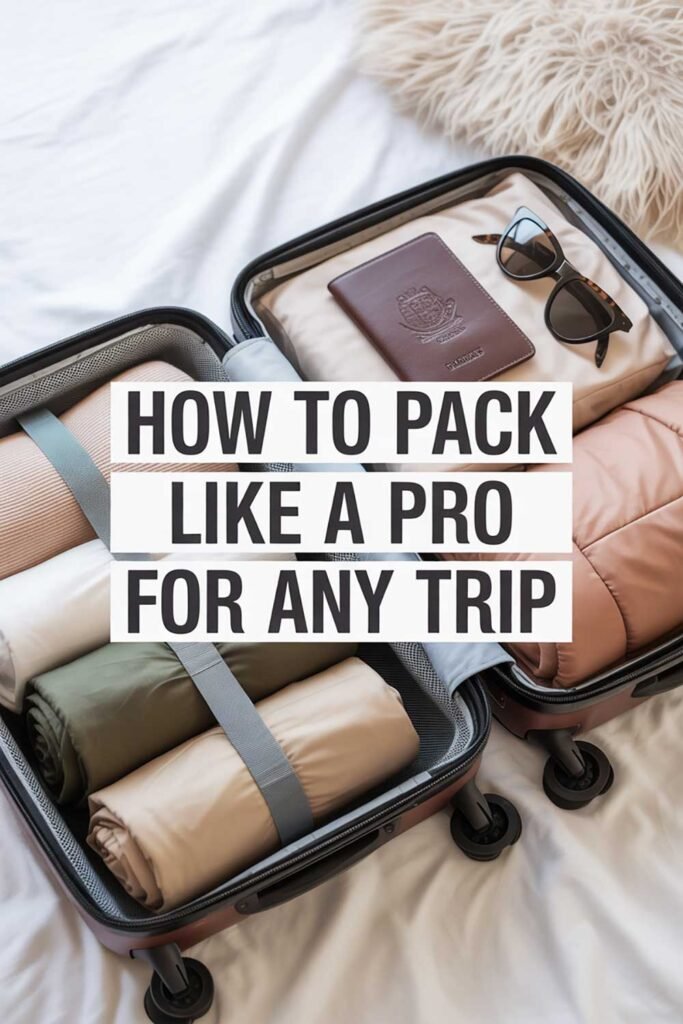
Packing cubes are lightweight fabric containers with zipper closures designed to organize clothing and accessories inside luggage. They typically come in sets of varying sizes that nest together when empty and fit strategically in standard suitcases when full.
Common sizes include:
- Large: For bulky items like sweaters, jeans, jackets
- Medium: For shirts, shorts, dresses
- Small: For underwear, socks, accessories
- Slim/shoe: For shoes or specialized items
Materials
Most packing cubes use:
- Nylon: Lightweight, durable, water-resistant
- Polyester: Similar properties, often slightly heavier
- Mesh panels: Allow visibility and breathability
- Ripstop fabric: Tear-resistant for durability
Quality varies significantly between brands and price points.
Types of Packing Cubes
Standard packing cubes: Basic organization containers with single zipper closure.
Compression packing cubes: Feature a second zipper that compresses contents after packing, squeezing out air and reducing volume.
Double-sided packing cubes: Two compartments (often clean/dirty) in one cube.
Folder-style organizers: Flat boards with folding panels rather than cube shapes.
Specialty cubes: Designed for specific items like toiletries, electronics, or shoes.
The Genuine Advantages of Packing Cubes
These benefits are real and explain why converts become evangelical.
Organization That Actually Works
The primary benefit is genuine and significant.
Without packing cubes: Clothing sits loose in your suitcase, items shift during transit, finding specific pieces requires digging through everything, and repacking means starting from scratch.
With packing cubes: Each cube contains a category – tops in one, bottoms in another, underwear in a third. Finding something means grabbing the right cube, not excavating your entire bag. Repacking means replacing cubes in their spots.
Real-world impact: You locate your gym shirt without unpacking everything. You transfer cubes to hotel drawers instead of unpacking items individually. You know instantly if something is missing because each category has its designated container.
Compression Saves Meaningful Space
Compression cubes deliver on their promise – with caveats.
How compression works: You pack items into the main compartment, then use a second zipper to compress the cube, squeezing out air trapped in fabric.
Space savings: Compression cubes can reduce volume by 30-60% depending on items and how tightly you pack.
The caveat: Compression works best on soft, compressible items. Jeans compress somewhat; dress shirts compress less; structured items barely compress at all.
Real-world impact: A week’s casual clothes that previously filled your carry-on might leave room for a second pair of shoes or eliminate the need to check a bag.
Keeps Suitcase Contents Stable
Loose items shift during transit; cubed items mostly don’t.
The shifting problem: Airlines toss luggage, items slide during transport, and you open your bag to chaos that was once organization.
How cubes help: Cubes create contained units that shift as blocks rather than scattering individually. Even if cubes move, their contents stay organized within.
Real-world impact: You arrive with your suitcase contents essentially where you placed them rather than jumbled into disorder.
Separation of Clean and Dirty
Packing cubes create natural compartmentalization for laundry management.
Clean/dirty separation: Designate one cube (or compartment in double-sided cubes) for worn items. Clean clothes never contact dirty clothes.
Alternative method: Empty a cube as you wear its contents, then use the empty cube for dirty laundry.
Real-world impact: No more dirty socks touching clean shirts. No more trying to remember what’s been worn. Clear visual separation between what’s available and what needs washing.
Easier Packing and Unpacking
The process itself becomes more efficient.
Packing: You can pack cubes before packing your suitcase. The final step is placing already-packed cubes into luggage rather than arranging individual items.
Unpacking: At your destination, cubes transfer directly to drawers or shelves. No unpacking individual items – just place cubes.
Repacking: Everything returns to its cube, cubes return to suitcase. The system remembers itself.
Real-world impact: Packing becomes a five-minute task rather than a thirty-minute project. Mid-trip hotel changes don’t require complete repacking.
Flexibility Across Bag Types
Cubes work in various luggage types.
Suitcases: The obvious use case – cubes organized within structured luggage.
Backpacks: Cubes transform shapeless backpack cavities into organized compartments.
Duffel bags: Without internal structure, duffels especially benefit from cube organization.
Multiple bags: Same cubes work whether you’re using your carry-on suitcase or your weekend duffel.
Real-world impact: You develop one packing system that works across your luggage collection rather than different approaches for different bags.
The Legitimate Drawbacks of Packing Cubes
Honest evaluation requires acknowledging genuine downsides.
Added Weight and Bulk
Packing cubes themselves consume space and weight.
The weight: A typical cube set weighs 8-16 ounces total. Compression cubes with their extra zippers and sturdier fabric weigh more.
The bulk: Even empty, cubes take up space. Nested together, a cube set might be an inch thick.
When this matters: Ultralight travelers counting every ounce. Travelers right at airline weight limits. Anyone maximizing every cubic inch of carry-on space.
Perspective check: For most travelers, the organizational benefits outweigh 8-16 ounces of additional weight. But for true minimalists, the cubes themselves are items that could be eliminated.
Cost Varies Significantly
Quality packing cubes aren’t free.
Budget cubes: $15-25 for basic sets Mid-range cubes: $30-50 for quality construction Premium cubes: $50-100+ for top brands with compression features
The value question: If you travel frequently, even premium cubes amortize quickly. If you travel once yearly, the cost-per-use calculation changes.
Durability factor: Cheap cubes may fail (zippers breaking, seams tearing) after limited use. Quality cubes last for years or decades.
Not All Items Fit Well in Cubes
Some packing challenges don’t cube-solve.
Awkward items: Jackets, blazers, and structured garments don’t fit neatly into cubes. You’ll still have some items outside the cube system.
Shoes: While shoe bags exist, bulky footwear often sits alongside cubes rather than inside them.
Toiletries: Better served by dedicated toiletry bags designed for bottles and liquids.
Real impact: Cubes organize most of your clothing but don’t replace all other organizational tools.
Overpacking Temptation
Cubes can enable problematic packing behaviors.
The trap: “I have space in this cube, so I should fill it.” The organizational efficiency can translate into bringing more than necessary rather than less.
Compression version: “I can compress so much into this cube!” leads to overstuffed luggage that’s heavier than unorganized luggage would have been.
Counterpoint: Disciplined packers use cubes to organize intentionally minimal wardrobes. The cube is a tool – overpacking is a user behavior, not a cube flaw.
Learning Curve Exists
Optimal cube usage requires some trial and error.
What to learn:
- Which cube sizes match which items for your wardrobe
- How to pack cubes for best compression
- How many cubes you actually need versus how many the set includes
- How cubes fit in your specific luggage
The curve isn’t steep: Most people optimize their cube system within two or three trips. But the first trip might not showcase maximum cube benefits.
Compression Cubes vs. Standard Cubes
The decision between compression and standard cubes deserves specific attention.
Standard Cubes
Advantages:
- Simpler design means fewer failure points
- Lower cost
- Lighter weight
- Easier to use
Disadvantages:
- No space savings beyond organization
- Items may shift more inside the cube
Best for: Travelers who primarily want organization without needing to maximize space.
Compression Cubes
Advantages:
- Genuine space savings through compression
- Items held more tightly, less shifting
- Can fit more in the same luggage
Disadvantages:
- Higher cost
- Heavier due to additional zipper and sturdier construction
- More steps in packing process
- Compression can increase wrinkles in some fabrics
Best for: Carry-on-only travelers who need to maximize limited space. Anyone frequently at baggage limits.
The Hybrid Approach
Many travelers use both:
- Compression cubes for compressible casual items
- Standard cubes for dress items that shouldn’t be compressed
- This provides space savings where beneficial without compromising items that need gentle handling
Who Should Buy Packing Cubes
Based on genuine benefits and drawbacks, certain travelers benefit most.
Strong Candidates for Packing Cubes
Frequent travelers: The cost amortizes quickly, the system becomes second nature, and the benefits compound across many trips.
Organization-challenged packers: If you naturally tend toward suitcase chaos, cubes provide structure you might not create otherwise.
Carry-on-only travelers: When space is constrained, compression cubes help maximize what fits.
Multi-destination travelers: When repacking frequently, the cube system simplifies each transition.
Family travelers: Managing multiple people’s clothing benefits enormously from cube organization – each person gets their cubes.
Backpackers: Internal organization in frameless backpacks transforms the packing experience.
Weaker Candidates for Packing Cubes
Ultralight minimalists: The cubes themselves add weight and bulk that true minimalists eliminate.
Infrequent travelers: If you travel once yearly, simpler organization methods might suffice.
Already organized packers: If your current system works well, cubes may be a solution seeking a problem.
Checked bag travelers with space to spare: If you have ample luggage space and don’t mind looser organization, cubes add cost without solving problems you have.
Who Shouldn’t Bother
Travelers who hate rigid systems: If the structure of cube categories feels constraining rather than freeing, you’ll resist using them.
Those with minimal packing needs: A two-day trip with three items of clothing doesn’t need cube organization.
Types of Packing Cubes Compared
Different cube types serve different needs.
Standard Rectangular Cubes
Design: Basic rectangular shape with mesh top and zipper closure. Best for: General clothing organization, most common use case. Popular brands: Eagle Creek, eBags, Amazon Basics, Gonex. Price range: $15-50 for sets.
Compression Cubes
Design: Rectangular with dual zipper – one closes the cube, one compresses contents. Best for: Maximizing space in carry-on luggage. Popular brands: Peak Design, Eagle Creek, Cotopaxi, Tripped. Price range: $30-80 for sets.
Folder Systems
Design: Flat board with folding panels that wrap shirts to prevent wrinkles. Best for: Business travelers packing dress shirts. Popular brands: Eagle Creek Pack-It Folders, FlipFold. Price range: $25-50.
Garment Folders
Design: Flat folders designed specifically for folding and containing dress clothes. Best for: Those prioritizing wrinkle prevention over compression. Popular brands: Eagle Creek, Briggs & Riley. Price range: $30-60.
Shoe Bags
Design: Bags sized for footwear, often with separation between sole and upper. Best for: Keeping shoes from soiling clothes. Price range: $10-25.
Budget vs. Premium: Is the Difference Worth It?
Price points vary enormously – what do you get for more money?
Budget Cubes ($15-25 for sets)
What you get: Basic organization functionality, acceptable durability for light use. Typical issues: Cheaper zippers may fail, fabric may be less water-resistant, construction may be less precise. Best for: Trying cubes before committing, infrequent travelers, budget-conscious users.
Mid-Range Cubes ($30-50 for sets)
What you get: Solid construction, reliable zippers, quality materials, reasonable durability. Sweet spot: Most travelers find mid-range cubes provide excellent value without premium pricing. Popular options: Eagle Creek, eBags, Osprey.
Premium Cubes ($50-100+ for sets)
What you get: Superior materials, excellent compression systems, lifetime warranties, thoughtful design details. When worth it: Frequent travelers who will use cubes hundreds of times, those who value gear quality, warranty-conscious buyers. Popular options: Peak Design, Away, Cotopaxi.
The Durability Reality
Quality cubes last for years – potentially decades. Budget cubes may need replacement after a few trips. Calculate cost-per-use rather than upfront cost for accurate value assessment.
Real-Life Packing Cube Experiences
Jennifer resisted packing cubes for years, convinced they were unnecessary hype. She tried a budget set for a two-week trip and was genuinely surprised by the organizational improvement. Now she won’t travel without them and has upgraded to compression cubes.
Marcus bought premium compression cubes immediately based on recommendations. He found them overcomplicated for his simple travel needs – the compression feature he paid extra for went unused. He switched to basic cubes and is happier with the simpler system.
The Thompson family traveling with four kids found packing cubes transformational. Each child has color-coded cubes. Packing and unpacking became manageable instead of chaotic. The cubes were the single best travel purchase they’ve made.
Sarah tried packing cubes but found them constraining. She prefers loose organization that allows flexibility. She gave her cubes away and returned to her previous method without regret. Not everyone needs them.
Tom uses a hybrid system: compression cubes for his casual clothes, standard cubes for dress items, and no cubes for items he accesses frequently. He optimized over several trips to find his ideal approach.
20 Powerful and Uplifting Quotes About Packing Organization
- “Packing cubes aren’t magic – they’re tools. The value depends on whether you need what they provide.”
- “Organization is the primary benefit; compression is a bonus available in upgraded versions.”
- “The best packing cube is the one that matches your travel style, not the one with the most features.”
- “Cubes transform suitcase chaos into predictable order – if chaos was your starting point.”
- “For some travelers, packing cubes are revolutionary. For others, they’re unnecessary. Both are valid.”
- “The cost-per-use of quality packing cubes approaches zero for frequent travelers.”
- “Compression cubes genuinely save space – but space savings require compressible contents.”
- “Budget cubes work fine for trying the system; quality cubes work better for years of use.”
- “Packing cubes solve organization problems. If you don’t have organization problems, you may not need them.”
- “The cube system requires a few trips to optimize – give it time before judging.”
- “Family travelers often benefit most from cubes – multiple people’s clothing needs clear separation.”
- “The weight of packing cubes is offset by the efficiency they enable – for most travelers.”
- “Cubes work in suitcases, backpacks, and duffels – one system across multiple bag types.”
- “Not everything cubes well. Accept that some items live outside the system.”
- “Compression cubes earn their premium for carry-on-only travelers maximizing limited space.”
- “The overpacking temptation exists with cubes – discipline still matters.”
- “Packing and unpacking become genuinely faster with cubes – time savings compound across trips.”
- “The right cube size for your items comes from experience, not manufacturer suggestions.”
- “Quality zippers and construction matter – cube failure mid-trip defeats the organizational purpose.”
- “Try before you invest heavily – a budget set tests whether cubes improve your travel.”
Picture This
Imagine yourself packing for a ten-day trip to Europe. You’re bringing a carry-on only – no checked bags, no extra fees, just you and your suitcase.
Without packing cubes, you’d face the familiar challenge: rolling or folding clothes directly into the suitcase, arranging carefully, hoping nothing shifts during the flight, knowing you’ll excavate everything to find specific items, and dreading the repacking at each of the three cities you’re visiting.
But you have packing cubes now. The system you’ve developed over several trips.
You pull out your medium compression cube and pack your tops – five shirts rolled tightly into the cube. You close the first zipper, then compress with the second zipper. The cube shrinks by about 40%, air squeezed out from between the rolled items.
Your small cube gets underwear and socks – a week’s worth fits easily with room to spare. No compression needed here; these items are small enough to fit regardless.
The second medium cube holds your bottoms – two pairs of pants and a pair of shorts. These compress less than the tops, but the cube still reduces in size after the second zipper.
Your large cube holds your jacket and a sweater – bulkier items that benefit most from compression. This cube shrinks the most dramatically, what looked like half a suitcase’s worth becoming a contained, compressed block.
You place the cubes in your carry-on. They fit with satisfying precision – you’ve learned exactly how your cube configuration works in this suitcase. Shoes go alongside in their shoe bag. Toiletries in their designated spot. Electronics in your personal item.
Everything has a place. Everything is in its place.
At the airport, security opens your bag for inspection. The agent sees organized cubes rather than loose clothing. The inspection takes thirty seconds. You repack the cubes exactly as they were.
In Paris, your first destination, you pull cubes from your suitcase and place them in hotel dresser drawers. Unpacking took two minutes. Your clothes are accessible, organized, and separated by type without any individual item handling.
Three days later, you repack for Rome. Cubes back into suitcase, exactly where they fit. The dirty clothes – you’ve been placing worn items in an empty compression cube – stay separate from clean items. Repacking took three minutes.
The pattern repeats in Florence. Unpack cubes to drawers. Live organized. Repack cubes to suitcase. Move on.
On the flight home, your bag gets inspected again. Still organized. Still fast. Still easy.
You think about travel before packing cubes – the digging for items, the repacking stress, the suitcase chaos that accumulated across multi-city trips. The cubes cost $45 three years ago. You’ve used them on twenty trips since. That’s $2.25 per trip for organizational transformation.
Worth it? For your travel style, absolutely. The cubes earned their value on the first trip and have kept earning it ever since.
Share This Article
Wondering whether to invest in packing cubes or know someone considering them? Share this article with travelers debating the purchase, anyone who bought cubes but isn’t sure they’re using them right, or friends who think packing cubes are just hype! This honest comparison helps determine whether cubes fit your travel style. Share it on Facebook, Instagram, Twitter, Pinterest, or send it directly to travel companions. Help spread the word that packing cubes are worth it for some travelers and unnecessary for others – and that knowing which category you fall into saves money and frustration. Your share might help someone make the right gear decision!
Disclaimer
This article is provided for informational and educational purposes only and is based on general observations about packing cubes and common user experiences. The information contained in this article is not intended to be product endorsement or comprehensive gear guidance.
Individual experiences with packing cubes vary based on travel style, luggage type, packing preferences, and specific products purchased. Results described may not apply to all users.
The author and publisher of this article are not responsible for any purchasing decisions, packing outcomes, or product satisfaction. Readers assume all responsibility for their own gear choices.
Product recommendations are illustrative examples, not endorsements. Research specific products independently before purchasing.
Prices mentioned are approximate and vary by retailer, time of purchase, and specific product variants.
Quality and durability of packing cubes vary significantly by brand and price point. Budget options may not provide the same experience as premium options described.
Compression effectiveness depends on item types and packing technique. Results vary.
This article does not receive compensation from packing cube manufacturers or retailers.
By using the information in this article, you acknowledge that you do so at your own risk and release the author and publisher from any liability related to your purchasing decisions and packing experiences.