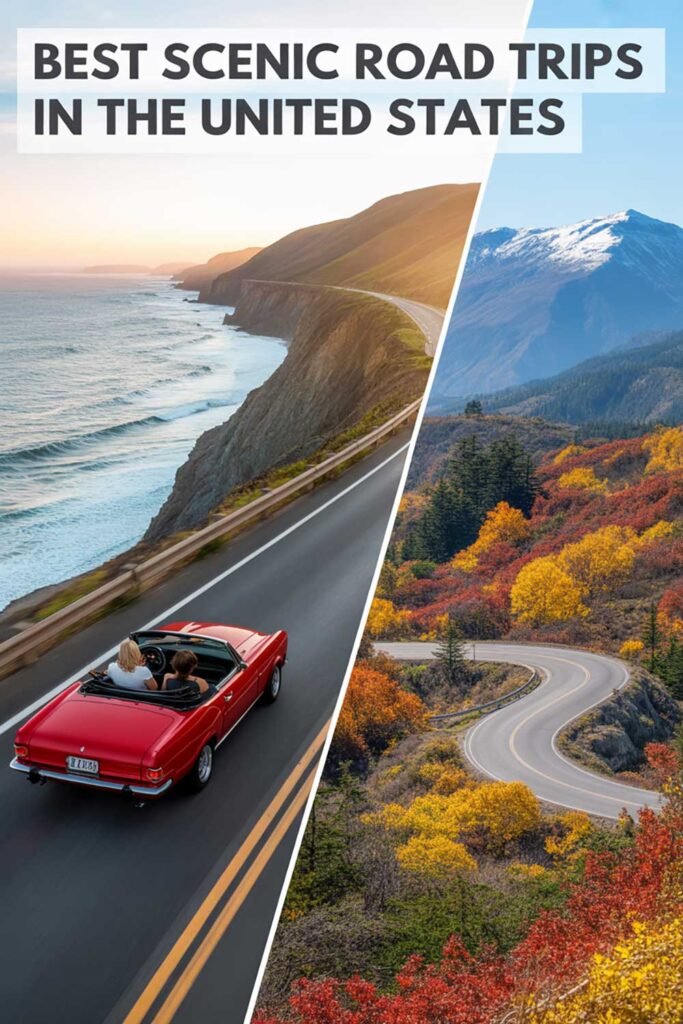
Best Road Trips in the USA for First Timers
You want to take your first American road trip but feel overwhelmed by options. The USA is enormous with countless possible routes. You wonder which routes provide the best scenery, how much time you need, which trips work for beginners, and whether certain routes require special skills or preparation. You fear choosing wrong and wasting your limited vacation time.
This confusion affects first-time road trippers constantly. Experienced travelers casually mention multi-week cross-country journeys or challenging mountain routes without explaining that beginners need different trips. You read about iconic routes like Route 66 without understanding if they suit first-timers or require extensive planning. You have no framework for selecting appropriate first road trips.
Here is the truth. The best first road trips balance manageable distance, spectacular scenery, good infrastructure, interesting stops, and forgiving logistics. Not all famous routes work well for beginners. Some require extensive driving between points of interest. Others demand serious planning or vehicle preparation. The ideal first road trip builds confidence while providing memorable experiences without overwhelming complexity.
This guide reveals the best American road trips specifically for first-timers. You will learn which routes provide the best introduction to road tripping, what makes routes beginner-friendly, how long each trip requires, and what to expect. Stop feeling overwhelmed and start planning your perfect first road trip.
What Makes a Good First Road Trip
Understanding beginner-friendly characteristics helps you evaluate any potential route.
Manageable Total Distance
First trips should focus on experiences, not endless driving. Routes of 500-1500 miles work well for week-long first trips. This averages 100-200 miles daily driving with plenty of time for stops and exploration.
Longer routes risk exhaustion and reduce enjoyment. You spend time driving instead of experiencing destinations.
Frequent Interesting Stops
Routes with towns, attractions, and viewpoints every 30-60 minutes prevent boredom and monotony. Long stretches with nothing interesting make driving tedious.
Good first routes have constant variety keeping you engaged.
Easy Navigation
Routes following single highways or well-marked scenic routes suit beginners. Complicated routes requiring multiple highway changes and navigation decisions increase stress.
Single-highway routes like Pacific Coast Highway or Blue Ridge Parkway eliminate navigation concerns.
Good Infrastructure
Routes with hotels, restaurants, gas stations, and services regularly prevent anxiety about basic needs. Remote routes requiring extensive planning add unnecessary stress to first trips.
Sarah from Denver says her first road trip along California’s Highway 1 was perfect for beginners because interesting stops appeared constantly, navigation was simple (one highway), and towns with hotels and restaurants appeared regularly. She never felt lost or unprepared.
Variety of Attractions
Routes combining natural scenery with towns, cultural attractions, and activities provide more engaging experiences than pure nature routes.
Mix of coastlines, mountains, small towns, and attractions prevents monotony.
Scenic Quality
First road trips should deliver spectacular scenery justifying the effort. Mediocre routes do not inspire continued road tripping.
Routes showcasing America’s best landscapes create memorable first experiences.
Pacific Coast Highway (California Highway 1): Big Sur Section
The Big Sur section of Pacific Coast Highway from Monterey to San Luis Obispo offers perhaps America’s most spectacular coastal scenery in a manageable beginner-friendly package.
Why This Route Excels for First-Timers
Spectacular Scenery: Dramatic coastline with cliffs plunging into the Pacific creates constantly stunning views. Widely considered one of the world’s most scenic drives.
Manageable Distance: Monterey to San Luis Obispo is only 150 miles but requires 5-6 hours due to winding roads and constant stops. Perfect for experiencing road trip satisfaction without exhausting distance.
Simple Navigation: One highway the entire way. Impossible to get lost.
Good Infrastructure: Carmel, Big Sur, and San Luis Obispo provide excellent hotels and restaurants. Gas stations exist but require planning (fill up before entering Big Sur proper).
Nearby Airport: San Francisco or San Jose airports connect easily to trip start.
Suggested Itinerary
Day 1: Arrive San Francisco, drive to Monterey/Carmel (2 hours), explore Carmel-by-the-Sea Day 2: Monterey to Big Sur (50 miles, 2-3 hours with stops), stay in Big Sur area Day 3: Big Sur to San Luis Obispo (100 miles, 3-4 hours with stops) Day 4: San Luis Obispo area exploration or return to San Francisco
Key Stops
- Carmel-by-the-Sea (charming coastal village)
- Point Lobos State Reserve (spectacular coastal hiking)
- Bixby Bridge (iconic photo spot)
- McWay Falls (waterfall falling directly into ocean)
- Pfeiffer Beach (purple sand beach)
- Elephant Seal Vista Point (see seals lounging)
Michael from Chicago chose this route for his first road trip specifically because it delivered incredible scenery in just a few days without overwhelming distance. The constant ocean views and frequent stopping points meant he spent more time experiencing than driving.
Budget and Timing
Budget: $150-250 per night for hotels, gas $50-75, food $100-150 daily for two Best Season: April-May or September-October (less fog than summer) Total Time: 3-4 days minimum
Blue Ridge Parkway: Southern Section
The Blue Ridge Parkway from Asheville, NC to Cherokee, NC offers accessible mountain beauty with excellent infrastructure and beginner-friendly characteristics.
Why This Route Works
Gentle Mountain Driving: Despite being a mountain route, the Parkway has gentle grades and curves designed for scenic driving, not technical challenge.
Speed Limit: 45 mph maximum speed keeps driving relaxed and safe. You cannot rush even if you wanted to.
Frequent Pullouts: Overlooks every few miles provide constant stopping opportunities and prevent monotony.
Good Services: Asheville provides excellent base for exploring. Multiple towns near the Parkway offer hotels and restaurants.
No Trucks: Commercial vehicles are prohibited creating safer, more pleasant driving.
Suggested Itinerary
Day 1: Arrive Asheville, explore downtown and breweries Day 2: Southern Parkway section (50 miles round trip to Mount Pisgah and back) Day 3: Continue south to Cherokee area or explore more Parkway sections Day 4: Optional Great Smoky Mountains National Park visit Day 5: Return to Asheville or depart
Key Stops
- Folk Art Center (Appalachian crafts)
- Mount Pisgah (hiking and views)
- Devil’s Courthouse (short hike to panoramic views)
- Looking Glass Rock overlook
- Graveyard Fields (waterfall hiking)
- Numerous scenic overlooks
Budget and Timing
Budget: $120-200 per night hotels, gas $40-60, food $80-120 daily for two Best Season: October for fall colors, May-June for wildflowers Total Time: 4-5 days comfortable pace
Jennifer from Miami appreciated the Blue Ridge Parkway’s relaxed pace and constant scenery. The 45 mph limit meant she never felt rushed and could stop whenever something caught her eye. The gentle curves and grades made mountain driving non-intimidating.
Grand Circle: Utah and Arizona Parks
A loop connecting Utah and Arizona’s national parks provides spectacular desert scenery with manageable distances and excellent infrastructure.
The Route
A loop connecting Zion, Bryce Canyon, Capitol Reef, Arches/Canyonlands, and Monument Valley creates varied desert experiences in 800-1000 miles.
Alternatively, a simpler first-timer version hits just Zion, Bryce, and Grand Canyon in 600 miles.
Why This Works for Beginners
Park Infrastructure: National parks provide excellent visitor centers, marked trails, and developed facilities perfect for first-timers.
Distinct Experiences: Each park offers completely different landscape – red rock canyons, hoodoos, arches, desert vistas. Variety prevents monotony.
Manageable Daily Distances: Drives between parks are 2-4 hours, leaving time for exploration.
Clear Routes: Major highways connect parks with straightforward navigation.
Small Gateway Towns: Springdale (Zion), Moab (Arches), provide excellent bases with services.
Suggested Itinerary (Simplified Version)
Day 1: Arrive Las Vegas, drive to Zion (2.5 hours) Days 2-3: Explore Zion National Park Day 4: Zion to Bryce Canyon (2 hours) Day 5: Explore Bryce Canyon Day 6: Bryce to Grand Canyon North Rim or South Rim (3-4 hours)Days 7-8: Explore Grand Canyon Day 9: Return to Las Vegas (4-5 hours) or extend trip
Key Experiences
- Zion: Angels Landing or Narrows hikes
- Bryce: Sunrise Point and short hikes among hoodoos
- Grand Canyon: Rim walks and viewpoints
- Scenic highways between parks
Tom from Portland did the simplified Grand Circle as his first road trip and loved how each park felt completely different. The manageable driving distances meant he spent more time hiking and exploring than sitting in the car. The park infrastructure made everything easy to navigate.
Budget and Timing
Budget: $100-180 per night hotels, gas $100-150 total, park fees $80, food $100-140 daily for two Best Season: April-May or September-October (avoid summer heat) Total Time: 7-10 days for simplified version, 12-14 for complete circle
Florida Keys Overseas Highway
The Overseas Highway from Miami to Key West provides tropical scenery, easy driving, and laid-back island atmosphere in a beginner-friendly package.
Why Keys Work for First-Timers
One Highway: US-1 is the only road. Navigation is impossible to mess up.
Frequent Towns: Keys offer regular towns with hotels, restaurants, and attractions every 20-30 miles.
Relaxed Atmosphere: The Keys’ chill vibe reduces stress. This is vacation driving, not racing through destinations.
Short Distance: Miami to Key West is only 160 miles but takes 3.5-4 hours due to traffic and bridges. Perfect for experiencing road trip satisfaction without extreme distance.
Easy Access: Miami International Airport provides easy starting point.
Suggested Itinerary
Day 1: Arrive Miami, drive to Key Largo (1 hour) Day 2: Key Largo area (snorkeling, diving, manatees) Day 3: Key Largo to Islamorada to Marathon (2 hours driving) Day 4: Marathon to Key West (1.5 hours) Days 5-6: Explore Key West Day 7: Begin return to Miami or extend trip
Key Stops
- John Pennekamp Coral Reef State Park (snorkeling)
- Theater of the Sea (marine life)
- Bahia Honda State Park (beautiful beach)
- Seven Mile Bridge (iconic bridge with views)
- Key West (Duval Street, Mallory Square sunset, Hemingway House)
Rachel from Seattle chose the Keys for her first road trip because the tropical setting felt like vacation from day one. The simple navigation and frequent towns meant she never worried about logistics. The laid-back atmosphere matched her relaxed vacation goals perfectly.
Budget and Timing
Budget: $150-300 per night (Keys are expensive), gas $40-60, food $120-180 daily for two Best Season: December-April (avoid hurricane season and summer humidity) Total Time: 5-7 days comfortable pace
Columbia River Gorge: Oregon/Washington
The Columbia River Gorge offers spectacular waterfalls, dramatic river scenery, and small towns in an accessible Pacific Northwest route.
Why This Works
Waterfalls Galore: The Gorge has dozens of easily accessible waterfalls including Multnomah Falls, one of America’s most spectacular.
Short Distance: Portland to Hood River is only 60 miles each way but provides full day experiences with stops.
Good Infrastructure: I-84 provides fast travel with Historic Columbia River Highway offering scenic alternative. Multiple towns offer services.
Portland Proximity: Easy to combine with Portland city time for variety.
Suggested Itinerary
Day 1: Arrive Portland, explore city Day 2: Full day Gorge waterfall tour (Historic Highway) Day 3: Hood River area (windsurfing town, Columbia Gorge views) Day 4: Return to Portland via I-84 or extend to Mount Hood Day 5:Portland departure or additional exploration
Key Stops
- Multnomah Falls (620-foot waterfall)
- Latourell Falls
- Horsetail Falls
- Hood River (charming town, wine tasting)
- Rowena Crest viewpoint
- Bonneville Dam
Lisa from Phoenix chose the Gorge because the short distance meant her family could road trip without young kids getting restless from too much driving. The frequent waterfall stops broke up driving, and Portland provided urban amenities before and after.
Budget and Timing
Budget: $130-220 per night, gas $40-60, food $90-130 daily for two Best Season: May-October (winter can have ice)Total Time: 4-5 days
Choosing Your First Road Trip
Use these factors to select the right trip for your situation.
Available Time
- 3-4 days: Big Sur section of Highway 1
- 5-7 days: Florida Keys, Columbia River Gorge, Blue Ridge Parkway
- 7-10 days: Simplified Grand Circle
- 10-14 days: Complete Grand Circle
Budget Level
Affordable: Blue Ridge Parkway, Columbia River Gorge ($1200-1800 week) Moderate: Grand Circle ($1800-2500 week) Expensive: Big Sur, Florida Keys ($2200-3500 week)
Scenery Preference
Ocean/Coast: Big Sur, Florida Keys Mountains: Blue Ridge Parkway, Columbia River Gorge Desert: Grand CircleWaterfalls: Columbia River Gorge Variety: Grand Circle (multiple landscapes)
Season and Weather
Spring (March-May): All routes work, Grand Circle ideal Summer (June-August): Blue Ridge Parkway, Columbia River Gorge, Big Sur (avoid Grand Circle heat) Fall (September-November): Blue Ridge Parkway (fall colors), Big Sur, Grand Circle Winter (December-February): Florida Keys only (others have weather challenges)
Group Composition
Couples: All routes work Families with kids: Florida Keys, Columbia River Gorge (frequent stops) Active travelers:Grand Circle (hiking), Columbia River Gorge Relaxation seekers: Florida Keys, Big Sur
David from Boston did Big Sur for his first trip specifically because the short distance (150 miles) meant he could take his time, stop constantly for photos, and never felt rushed. The spectacular scenery justified the effort, and simple navigation meant he focused on enjoying rather than stressing about logistics.
First Road Trip Tips
These principles apply regardless of which route you choose.
Start Simple
Choose routes with straightforward logistics, good infrastructure, and manageable distances. Save challenging routes for after you have experience.
Book First Night Accommodation
Having your first night secured reduces arrival anxiety. Later nights can be flexible.
Plan Stops But Stay Flexible
Research attractions and stops but do not over-schedule. Road trips benefit from spontaneity.
Budget Extra Time
Everything takes longer than expected. Build buffer time for unexpected stops and slower-than-planned driving.
Download Offline Maps
Cell service can be spotty. Offline maps prevent navigation anxiety.
Check Vehicle Before Departure
Verify tires, fluids, and basic vehicle condition. Breakdowns ruin first experiences.
Start Early Most Days
Early starts mean you complete driving before exhaustion and have afternoons for exploration.
20 Powerful and Uplifting Quotes About Road Trips and Adventure
- Not all those who wander are lost. – J.R.R. Tolkien
- The journey of a thousand miles begins with a single step. – Lao Tzu
- To travel is to live. – Hans Christian Andersen
- Adventure is worthwhile. – Aesop
- Life is either a daring adventure or nothing at all. – Helen Keller
- Jobs fill your pocket, but adventures fill your soul. – Jamie Lyn Beatty
- Take only memories, leave only footprints. – Chief Seattle
- The road is there, it will always be there. You just have to decide when to take it. – Chris Humphrey
- Sometimes the most scenic roads in life are the detours you did not mean to take. – Angela N. Blount
- Travel makes one modest. You see what a tiny place you occupy in the world. – Gustave Flaubert
- We travel not to escape life, but for life not to escape us. – Anonymous
- It is not the destination where you end up but the mishaps and memories you create along the way. – Penelope Riley
- Travel far enough, you meet yourself. – David Mitchell
- Live life with no excuses, travel with no regret. – Oscar Wilde
- Investment in travel is an investment in yourself. – Matthew Karsten
- A journey is best measured in friends, rather than miles. – Tim Cahill
- The world is a book and those who do not travel read only one page. – Saint Augustine
- Fill your life with experiences, not things. – Unknown
- Once a year, go someplace you have never been before. – Dalai Lama
- Travel is fatal to prejudice, bigotry, and narrow-mindedness. – Mark Twain
Picture This
Imagine yourself six months from now on day two of your first American road trip. You chose the Big Sur section of Highway 1 after reading about beginner-friendly characteristics.
Yesterday you arrived in Carmel, explored the charming village, and slept well knowing today would be spectacular. This morning you started early, stopping at Point Lobos for a short coastal hike with stunning ocean views.
Now you are driving through Big Sur proper. Highway 1 winds along dramatic cliffs hundreds of feet above the crashing Pacific. Every curve reveals another breathtaking view. You stop constantly – at overlooks, at Bixby Bridge for photos, at pullouts where views demand appreciation.
You are not stressed about navigation because there is only one road. You are not worried about services because you researched and know where gas stations and restaurants exist. You simply drive, stop, enjoy, and continue.
At McWay Falls you walk the short trail to see the waterfall plunging directly onto the beach below. The scene looks unreal – too perfect, like a screensaver. But you are here, experiencing it.
Lunch is at a clifftop restaurant with panoramic ocean views. The food is secondary to the setting. You eat slowly, not rushing to the next stop. This is road tripping – moving at your own pace, stopping when you want, lingering where you like.
Afternoon you reach your Big Sur hotel – a lodge with ocean-view rooms. You check in, rest briefly, then walk trails near the property. Evening brings a simple dinner and early sleep.
You reflect that your first road trip choice was perfect. The manageable distance meant you drove only 2-3 hours today but saw incredible scenery. The simple navigation eliminated stress. The frequent stops kept you engaged constantly.
Tomorrow you complete the drive to San Luis Obispo – another 100 miles of coastal beauty. You already know this experience is just the beginning. You will road trip again. The confidence and satisfaction from this first trip guarantees it.
Your friend who chose a complicated cross-country route for their first trip reports exhaustion and stress. Too much driving. Too many logistics. Too complex for a first experience.
You realize choosing the right first route makes all the difference. Starting simple builds confidence, creates positive associations with road tripping, and sets you up for more ambitious future trips.
This successful, confidence-building, perfectly-paced first road trip experience is completely achievable when you choose beginner-friendly routes designed for exactly this purpose.
Share This Article
Do you know people planning their first American road trips? Share this article with them. Send it to friends feeling overwhelmed by route options. Post it in travel groups where beginners ask for advice.
Every first-time road tripper deserves to choose appropriate routes rather than struggling with unnecessarily challenging trips. When you share this guide, you help others start their road trip journeys successfully.
Share it on social media to help beginners. Email it to family members planning trips. The more people who choose appropriate first routes, the more will develop confidence for future adventures.
Together we can help everyone understand that the best first road trips balance spectacular scenery with beginner-friendly logistics.
Disclaimer
This article is provided for informational and educational purposes only. The road trip route recommendations and travel advice contained herein are based on general travel experiences and route research.
Road conditions, weather, services, and accessibility change frequently. Always verify current conditions before travel.
Driving any route involves inherent risks including but not limited to accidents, vehicle breakdowns, weather hazards, and other dangers. Readers assume all risks associated with road trips.
Individual driving abilities, comfort levels, and preferences vary greatly. Routes appropriate for experienced drivers may be challenging for beginners.
Seasonal conditions dramatically affect routes. Always research seasonal considerations for your specific travel dates.
The author and publisher assume no responsibility or liability for accidents, vehicle problems, disappointing experiences, or negative outcomes that may result from following route recommendations. Readers are solely responsible for route selection, driving safety, and travel decisions.
By reading and using this information, you acknowledge that road trips involve personal decisions and risks and that you are solely responsible for your choices and safety.