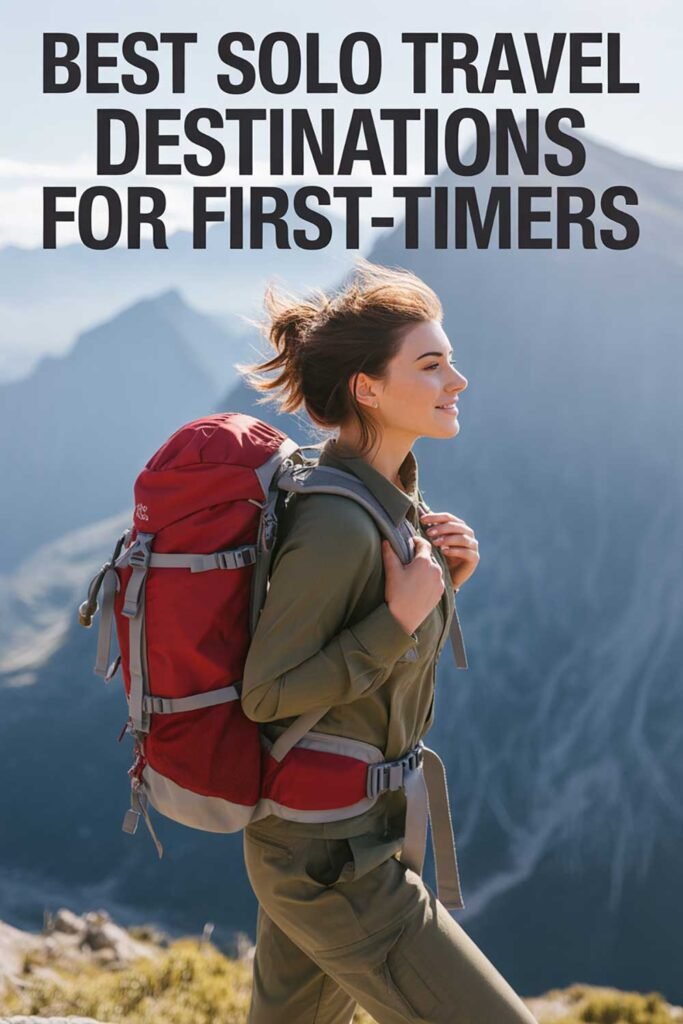
Best First Time Solo Travel Destinations for Nervous Travelers
Beginner-Friendly Locations That Build Confidence Without Overwhelming Anxiety
First-time solo travel destination selection paralyzes nervous travelers because the stakes feel enormous—choosing wrong could confirm their fears that solo travel isn’t for them, waste limited vacation time and money on destinations that overwhelm rather than empower, or create genuinely unsafe situations that traumatize rather than build confidence. They read conflicting advice suggesting Bangkok or Morocco as “perfect first solo destinations” despite those locations requiring significant navigation skills and comfort with aggressive touts, or conversely being told to stay in expensive, sanitized locations that provide no growth or meaningful travel experience. Meanwhile, their nervousness itself feels like a character flaw they should overcome rather than a legitimate concern requiring strategic destination selection.
The confusion intensifies when well-meaning experienced travelers recommend their favorite destinations without remembering what it felt like to be nervous beginners—they’ve forgotten the anxiety of navigating foreign transit systems alone for the first time, the overwhelming feeling of not understanding any language around you, the vulnerability of checking into accommodations alone wondering if you made safe choices, or the loneliness of eating dinner solo in restaurants full of groups and couples. What works perfectly after ten solo trips doesn’t work for trip one when everything feels scary and you have no reference point for distinguishing normal travel challenges from genuine problems requiring you to leave immediately.
The truth is that ideal first solo destinations for nervous travelers share specific characteristics—manageable sizes that prevent overwhelming scale, strong English accessibility reducing communication anxiety, established solo traveler communities making social connection possible, excellent safety records that minimize genuine danger despite inevitable nervousness, and enough interesting content to engage you without requiring extreme independence or risk-taking. These destinations serve as training wheels for solo travel—they reduce anxiety-triggering factors while still providing growth, confidence-building, and genuine travel experiences.
This comprehensive guide identifies specific destinations proven to work for nervous first-time solo travelers with honest assessments of what makes them beginner-friendly, explains how to prepare mentally and practically for first solo trips to minimize anxiety, teaches you to distinguish between nervous feelings (normal, manageable) and genuine warning signs (actual problems requiring action), and provides frameworks for gradually building solo travel confidence so your second and third trips feel progressively easier and more enjoyable than your overwhelming first adventure.
Understanding What Makes Destinations Nervous-Traveler-Friendly
Specific characteristics reduce anxiety for beginners.
Small to Medium Size That Feels Manageable
Why size matters for nervous travelers: Large, sprawling cities feel overwhelming when navigating alone. Compact cities allow walking to most places, reducing transit anxiety.
Ideal size: Cities walkable within 30-40 minutes across center, populations under 1 million, clear geographic boundaries (rivers, hills) providing orientation.
Examples: Edinburgh (500K population, compact center), Lisbon (500K, distinct neighborhoods), Ljubljana (300K, tiny center).
What to avoid initially: Megacities like Tokyo, New York, London, Mexico City—save these for second or third solo trips after building confidence.
Sarah Mitchell from Portland chose Edinburgh for first solo trip specifically for size. “I needed somewhere I could walk everywhere without getting lost,” she recalls. “Edinburgh’s center is compact with landmarks visible from most places—the castle provides constant orientation. I never felt overwhelmed by scale, which let me focus on managing solo travel emotions rather than also battling navigation complexity.”
Strong English Accessibility
Why English reduces anxiety: Communication challenges compound solo travel nervousness. When everything else is new and scary, familiar language provides comfort and capability.
English-accessible options:
- Native English-speaking: UK, Ireland, Canada, Australia, New Zealand
- Strong English as second language: Netherlands, Scandinavia, Germany, Austria
- Tourism areas with solid English: major cities in Spain, Portugal, Greece, Czech Republic
What this enables: Asking directions without panic, reading menus and signs, communicating accommodation needs, requesting help if problems arise.
Reality check: You don’t need perfect English everywhere, but having English fallback options dramatically reduces nervous traveler anxiety.
Established Solo Traveler Culture
Why community matters: Nervous solo travelers often worry about loneliness and isolation. Destinations with strong solo traveler cultures make meeting people easy if desired.
Indicators of solo traveler culture:
- Numerous hostels with social atmospheres and organized activities
- Bar seating and communal tables at restaurants (accepting solo diners)
- Walking tours specifically welcoming solo joiners
- Other solo travelers visibly common (you’re not the only one alone)
Social flexibility: In solo-traveler-friendly destinations, you can easily meet people when lonely but also have solo time without awkwardness.
Marcus Thompson from Denver emphasizes social infrastructure importance. “Barcelona had so many solo travelers that being alone never felt weird,” he explains. “Hostel social events made meeting people effortless. When I wanted solitude, that was fine too. The infrastructure existing specifically for solo travelers reduced the social anxiety that worried me most.”
Excellent Safety Records
Why safety reputation matters: Nervous travelers already feel vulnerable. Adding significant crime concerns multiplies anxiety into debilitating levels.
Safety factors to research:
- Low violent crime rates
- Manageable petty crime (pickpocketing exists but avoidable with normal precautions)
- Safe for solo travelers specifically (especially women)
- Reliable police and emergency services
- Safe public transportation
Reality check: Nowhere is perfectly safe, but some destinations are dramatically safer than others. Nervous first-timers should prioritize proven-safe locations.
Moderate Costs That Prevent Budget Stress
Why budget matters: Financial anxiety compounds solo travel nervousness. Expensive destinations mean constantly worrying about money rather than enjoying experiences.
Ideal budget range: $50-100 per day including accommodation, food, attractions, transportation.
Budget-friendly English-accessible options: Portugal, Czech Republic, Poland, Hungary, parts of Southeast Asia (with good English in tourist areas).
Avoid initially: Scandinavia, Switzerland, London—save expensive destinations for later trips when you have confidence.
Top Destinations for Nervous First-Time Solo Travelers
Specific locations excelling for anxious beginners.
Edinburgh, Scotland: Perfect Training Wheels
Why it works for nervous travelers:
- Compact, walkable center (30-minute walk from Old Town to New Town)
- English-speaking eliminates communication anxiety
- Very safe with low crime
- Friendly, welcoming culture
- Rich history and attractions providing structure
- Strong hostel culture for social connection
Activities providing confidence building:
- Walking tours (join groups, structure, no decision-making required)
- Castle exploration (iconic, easy to navigate)
- Royal Mile wandering (one main street, impossible to get lost)
- Day trips from Edinburgh (accessible via bus tours)
Ideal trip length: 4-5 days perfect for first solo trip—long enough to build confidence, short enough to endure if anxiety persists.
Best timing: May-September (weather best, most activities), though Edinburgh functions year-round.
Where to stay: Hostels in Old Town or near Grassmarket for solo traveler community.
Jennifer Rodriguez from Miami chose Edinburgh after extensive research. “I was terrified of solo travel but wanted to try,” she shares. “Edinburgh felt safe enough and English-speaking, so language wasn’t an issue. The compact size meant I could walk everywhere. Those factors together made my nervousness manageable rather than debilitating.”
Lisbon, Portugal: Budget-Friendly European Charm
Why it works for nervous travelers:
- Compact, navigable city with distinct neighborhoods
- Very safe with welcoming culture
- Affordable ($60-80/day comfortable budget)
- Enough English in tourist areas
- Beautiful architecture and neighborhoods for wandering
- Strong hostel and solo traveler presence
Confidence-building activities:
- Tram 28 ride (tourist-friendly experience requiring minimal navigation)
- Walking neighborhoods (Alfama, Bairro Alto, Belém)
- Day trip to Sintra (organized tours available)
- Food tours (structured, social, delicious)
Challenges for nervous travelers: Hills make walking tiring, some language barriers outside tourist zones, touts in tourist areas (annoying but not dangerous).
Ideal trip length: 5-7 days including possible day trips.
Best timing: April-June, September-October (pleasant weather, fewer crowds than summer).
Bruges, Belgium: Tiny, Fairy-Tale Perfection
Why it works for nervous travelers:
- Extremely small (30,000 population, walkable in 20 minutes)
- Impossibly beautiful (fairy-tale architecture reduces anxiety through beauty)
- Very safe
- English widely spoken
- Simple layout (everything circles canals in center)
- Comfortable for solo dining (cafes welcoming, intimate restaurants)
Limitations:
- Very small—2-3 days maximum before you’ve seen everything
- More expensive than Portugal or Eastern Europe
- Less social/hostel culture than larger cities
Ideal use: First 2-3 days of longer Belgium/Netherlands trip, or standalone confidence-building weekend.
Best timing: March-May, September-November (avoid July-August tourist crush).
Amanda Foster from San Diego used Bruges as confidence warm-up. “Bruges was so small and beautiful that being solo felt peaceful rather than scary,” she recalls. “I spent two days there building confidence before moving to Amsterdam. Starting tiny rather than jumping into big city immediately worked perfectly for my anxiety levels.”
Reykjavik, Iceland: Small Capital, Big Comfort
Why it works for nervous travelers:
- Tiny capital (130,000 population)
- Extremely safe (Iceland has lowest crime in Europe)
- English universally spoken
- Compact, walkable downtown
- Natural wonders accessible via organized tours (reduces navigation stress)
- Modern, clean infrastructure feels comfortable
Confidence-building activities:
- Golden Circle tour (organized day trip to major sights)
- Blue Lagoon (structured experience, very tourist-friendly)
- Downtown wandering (small enough you can’t get truly lost)
- Northern Lights tours (when applicable)
Limitations:
- Expensive ($100-150/day)
- Cold/variable weather requires mental preparation
- Quite small—combined with South Iceland road trip or short stop before other destinations
Ideal trip length: 3-5 days for Reykjavik base, 7-10 for Iceland generally.
Best timing: June-August (warmest, longest days), September-March (Northern Lights).
Copenhagen, Denmark: Scandinavian Solo Comfort
Why it works for nervous travelers:
- Bike-friendly culture makes navigation easy and fun
- Extremely safe
- English universally spoken
- Comfortable for solo dining (café culture embraces solo patrons)
- Small enough to navigate, large enough for variety
- Friendly, reserved culture (not overwhelming)
Confidence-building activities:
- Bike rental and cycling paths (structured routes, very safe)
- Nyhavn harbor area (beautiful, compact, tourist infrastructure)
- Tivoli Gardens (structured attraction reducing decisions)
- Canal tours (relaxing, informative)
Limitations: Expensive ($100-140/day), weather can be gray and rainy.
Ideal trip length: 4-6 days.
Best timing: May-September (warmest, most pleasant).
Emily Watson from Chicago found Copenhagen’s structure comforting. “Everything was so organized and safe,” she shares. “I rented a bike and followed designated routes. The structure reduced my anxiety—I had frameworks to follow rather than figuring everything out from scratch. The city felt safe enough that I could relax and actually enjoy myself.”
Destinations to Avoid for Nervous First-Timers
Locations that overwhelm anxious beginners despite being wonderful cities.
Large, Complex Megacities
Examples: Tokyo, London, New York City, Mexico City, Mumbai.
Why they’re too much initially: Overwhelming scale, complex transit systems, sensory overload, exhausting navigation, expensive, feel impersonal and isolating.
When to visit: Second or third solo trip after building confidence in smaller cities.
Destinations with Aggressive Touts or Scam Concerns
Examples: Marrakech, Cairo, Delhi, some Southeast Asian cities.
Why they’re challenging: Constant harassment from touts, scam attempts, aggressive approaches requiring firm boundaries nervous travelers often struggle to set.
Reality check: These destinations are wonderful but require confidence saying “no” firmly—skills nervous beginners often haven’t developed.
Very Remote or Off-the-Beaten-Path Locations
Examples: Rural Mongolia, isolated Indonesian islands, remote African locations.
Why they’re overwhelming: Limited infrastructure, minimal English, few other travelers, difficult logistics, limited help if problems arise.
When appropriate: Fourth+ solo trips after extensive confidence building.
Destinations with Significant Language Barriers
Examples: Rural China, rural Japan (cities fine), Korea without Korean, rural Latin America.
Why challenging: Communication difficulties compound nervousness. When everything else is new and scary, total language barriers feel overwhelming.
Distinction: Tourist areas in these countries often work fine due to English support infrastructure. Remote areas don’t.
Mental Preparation for Nervous Solo Travelers
Strategies for managing anxiety before and during trips.
Distinguishing Normal Nervousness from Warning Signs
Normal pre-trip nervousness (experienced by most solo travelers):
- Butterflies about traveling alone
- Worries about logistics going wrong
- Concerns about loneliness
- General “what if” anxieties
These feelings are normal and typically decrease dramatically once traveling begins.
Warning signs suggesting delay or reconsider:
- Panic attacks thinking about trip
- Inability to sleep for weeks before departure
- Overwhelming dread rather than excitement with nervousness
- Complete absence of any positive anticipation
If experiencing warning signs: Consider working with therapist, starting with shorter/closer trips, or addressing anxiety before solo international travel.
Pre-Trip Anxiety Reduction Strategies
Over-prepare the controllables:
- Research accommodation neighborhood thoroughly
- Know airport-to-accommodation route precisely
- Have first meal location identified
- Pre-book first 2-3 nights accommodation
- Download offline maps
- Have emergency contact information organized
Why over-preparation helps nervous travelers: Reduces unknowns triggering anxiety. You can’t control everything, but controlling what you can provides security foundation.
Share itinerary: Give detailed plans to family/friend including accommodation addresses, phone numbers, rough schedule. Knowing someone knows where you are reduces anxiety.
On-Trip Anxiety Management
First 24 hours strategy:
- Keep first day simple—arrive, check-in, brief neighborhood walk, easy dinner, early bed
- Don’t try to see everything day one
- Allow jet lag and arrival exhaustion recovery
The 48-hour rule: Most solo travel anxiety peaks in first 48 hours, then decreases dramatically. If you feel overwhelming loneliness or fear initially, recognize it typically improves by day three.
When to abort: If after 3-4 days anxiety remains debilitating rather than manageable, it’s okay to go home. Failed first trips don’t mean solo travel isn’t for you—they might mean wrong destination or wrong timing.
Building Solo Travel Confidence Progressively
Creating sustainable progression rather than traumatic first experience.
Trip One: The Confidence Builder (3-5 Days)
Goals: Prove to yourself you can navigate alone, check into accommodation alone, eat meals alone, survive minor problems alone.
Destination characteristics: Small, English-speaking, very safe, easy logistics.
Success metrics: Completing trip, building baseline confidence, creating positive first solo memories.
It’s okay if: You eat at chain restaurants, stay in hostel with lots of socializing, do organized tours rather than independent exploration, follow guidebook suggestions religiously.
Trip Two: Slight Challenge Increase (5-7 Days)
Goals: Handle more complex navigation, try some independent exploration, manage longer duration.
Destination characteristics: Medium-sized city, some language barriers okay, still quite safe, perhaps multi-city.
Success metrics: Feeling more comfortable being alone, developing problem-solving confidence, enjoying independence.
Trip Three+: Expanding Comfort Zones (7-14 Days)
Goals: Longer trips, more adventurous destinations, less structured activities, genuine comfort with solo travel.
Destination characteristics: Larger cities, more complex destinations, language barriers, multi-country trips.
Success metrics: Solo travel feels normal rather than scary, looking forward to trips rather than dreading them.
Practical First Solo Trip Preparation
Concrete steps for smooth execution.
Accommodation Selection for Nervous Travelers
Hostel considerations:
- Private room in social hostel provides balance (privacy when needed, socializing when wanted)
- Female-only dorms for solo women reduce some anxiety
- Highly-rated hostels only (read reviews obsessively)
- Central locations reducing transportation anxiety
Hotel considerations:
- More expensive but provides more privacy and control
- Some loneliness risk if you’re anxious about meeting people
- Better for nervous travelers who recharge through solitude
Book first 2-3 nights fully before arrival: Knowing where you’re staying reduces significant arrival anxiety.
Safety Precautions Without Paranoia
Reasonable precautions:
- Don’t walk alone in isolated areas at night
- Keep valuables secure and distributed (not all in one bag)
- Trust instincts—if situation feels wrong, leave
- Share itinerary with someone at home
- Keep phone charged and have local emergency numbers
Don’t let anxiety create paranoia:
- Most places are safe for solo travelers with normal precautions
- Being alone doesn’t make you dramatically more vulnerable
- Millions of people solo travel safely annually
First Day Survival Plan
Create specific first-day plan:
- Airport to accommodation transportation (pre-researched route)
- Check-in time and process
- Brief neighborhood orientation walk
- Dinner location (specific restaurant, not “I’ll find something”)
- Reasonable bedtime
Why specific plan helps: Removes decision fatigue when you’re exhausted and overwhelmed. Follow plan, survive day one, wake up more confident day two.
20 Powerful and Uplifting Quotes for Nervous Solo Travelers
- “Ideal first solo destinations for nervous travelers reduce anxiety-triggering factors while still providing growth and genuine travel experiences.”
- “Edinburgh delivers perfect first solo trip—compact walkable size, English-speaking, very safe, rich activities, strong solo traveler community.”
- “Small cities under 500,000 population feel manageable for nervous beginners while megacities overwhelming until confidence builds.”
- “English accessibility dramatically reduces nervous traveler anxiety—save language-barrier destinations for second or third solo trips.”
- “The 48-hour rule: solo travel anxiety typically peaks in first two days then decreases dramatically by day three.”
- “Over-preparing controllable factors—accommodation, first-day plans, transportation routes—provides security foundation managing nervousness.”
- “Lisbon combines European charm with affordability, safety, and enough English accessibility—ideal for budget-conscious nervous first-timers.”
- “Normal pre-trip nervousness includes butterflies and ‘what if’ worries—these feelings typically disappear once traveling begins.”
- “Destinations with aggressive touts or scam concerns overwhelm nervous beginners lacking confidence setting firm boundaries.”
- “Starting tiny (Bruges 2 days) before progressing to medium cities builds confidence progressively rather than throwing you into overwhelming situations.”
- “Solo traveler communities in hostels make meeting people effortless if lonely while allowing solitude when wanted—flexibility reduces anxiety.”
- “Budget stress compounds solo travel nervousness—affordable destinations let you enjoy experiences rather than constantly worrying about money.”
- “First solo trips need prove only that you can travel alone, not that you can handle extreme destinations or complex logistics.”
- “Copenhagen’s bike infrastructure and organized culture provide structure reducing nervous travelers’ decision fatigue and navigation anxiety.”
- “Remote, off-the-beaten-path destinations require confidence nervous first-timers haven’t developed—save them for fourth+ trips.”
- “Sharing detailed itineraries with someone home reduces anxiety through knowing someone knows your location if problems arise.”
- “Private rooms in social hostels balance privacy when needed with socializing opportunities when lonely—ideal for nervous first-timers.”
- “Failed first solo trips don’t mean solo travel isn’t for you—they might mean wrong destination or wrong timing rather than personal failure.”
- “Three-to-five-day first trips prove capabilities without overwhelming duration—long enough to build confidence, short enough to endure if difficult.”
- “The confidence building from small, safe first destinations enables the adventurous destinations you’ll tackle on future trips with ease.”
Picture This
Imagine you’re nervous about solo travel but determined to try. You choose Edinburgh for first trip—English-speaking, safe, compact, solo-traveler-friendly.
You over-prepare: research your hostel obsessively, map the route from airport, identify first evening dinner spot, download offline maps, share full itinerary with family.
You arrive nervous but prepared. The airport train to Waverley Station works exactly as researched. Your hostel is 10-minute walk—you navigate successfully. Check-in is smooth. Your private room in social hostel provides the exact balance you need.
First evening, you follow your plan: brief neighborhood walk around Royal Mile, dinner at researched pub, early bed. You survived day one. The anxiety begins decreasing.
Day two, you join free walking tour. The guide is funny, you meet other solo travelers, seeing sights with group reduces decision stress. You feel less alone. Evening, hostel organizes pub crawl. You join nervously but meet friendly people.
Days three and four, you’re more confident. You explore castle independently, walk up Arthur’s Seat, try restaurants without excessive research, chat with locals in cafes. The nervousness hasn’t disappeared but it’s manageable—background hum rather than debilitating anxiety.
Day five departure, you reflect: You traveled solo internationally. You navigated foreign city alone. You ate meals alone. You made spontaneous decisions. You survived and even enjoyed yourself.
You return home with genuine confidence. Edinburgh’s beginner-friendliness let you prove capabilities without overwhelming you. You’re already researching second solo trip—maybe Lisbon or Amsterdam, slightly more challenging but you now have baseline confidence.
Two years later, you’re solo traveling confidently to destinations that would have terrified first-trip you. But none of those future trips would have happened without Edinburgh’s training-wheel perfection reducing anxiety enough to build foundation confidence.
This is what strategic first-destination selection creates—confidence building through appropriate challenge levels rather than trauma through overwhelming circumstances destroying future solo travel interest.
Share This Article
Do you know someone nervous about solo travel but wanting to try? Share this article with them! Post it on Facebook to help anxious friends choose beginner-friendly destinations. Pin it to your Pinterest board so you can reference these recommendations. Email it to anyone needing comprehensive nervous-solo-traveler guidance.
When we share nervous-traveler-specific destination knowledge, we help people build confidence progressively. Let’s spread the word that solo travel doesn’t require fearlessness—just appropriate destination selection!
Disclaimer
This article is provided for informational purposes only and does not constitute professional mental health counseling or comprehensive travel safety guidance. Individual anxiety levels, comfort zones, and solo travel experiences vary dramatically.
Destination recommendations represent common patterns but don’t guarantee specific experiences. Individual reactions to destinations vary enormously.
Safety assessments reflect general reputations and statistics. No destination is perfectly safe. Crime can occur anywhere. Personal safety requires vigilance everywhere.
Anxiety and nervousness exist on spectrums. Severe anxiety may require professional mental health support before international solo travel.
We are not mental health professionals. If anxiety about travel is debilitating, consult qualified therapists or counselors.
Destination descriptions assume traveling to major cities in countries mentioned, not remote rural areas where conditions differ significantly.
English accessibility varies within countries. Tourist areas have more English than non-tourist neighborhoods.
Budget estimates are approximations. Actual costs vary by accommodation choices, dining preferences, activities, season, and exchange rates.
Solo travel experiences differ dramatically between individuals. What feels comfortable for one nervous traveler may overwhelm another with similar anxiety.
We are not affiliated with any destinations, accommodations, tour operators, or services mentioned. All references are for illustrative purposes only.
The 48-hour rule (anxiety decreasing after two days) represents common patterns but isn’t universal. Some people need longer adjustment periods.
Hostel and accommodation recommendations are general guidance. Research specific properties thoroughly based on current reviews.
Cultural norms around solo dining and solo travelers vary by destination and specific establishments. Research cultural expectations.
Weather affects solo travel comfort. Research typical weather for your travel dates and pack appropriately.
Solo female travelers face different considerations than solo male travelers in some destinations. Research gender-specific safety information.
Pre-trip preparation suggestions represent anxiety management strategies, not guarantees of anxiety elimination.
Progression (trips one through three) represents general framework. Individual readiness for increased challenge varies significantly.
Some nervous feelings are normal; others indicate need for professional support. Distinguish between manageable nervousness and debilitating anxiety requiring intervention.