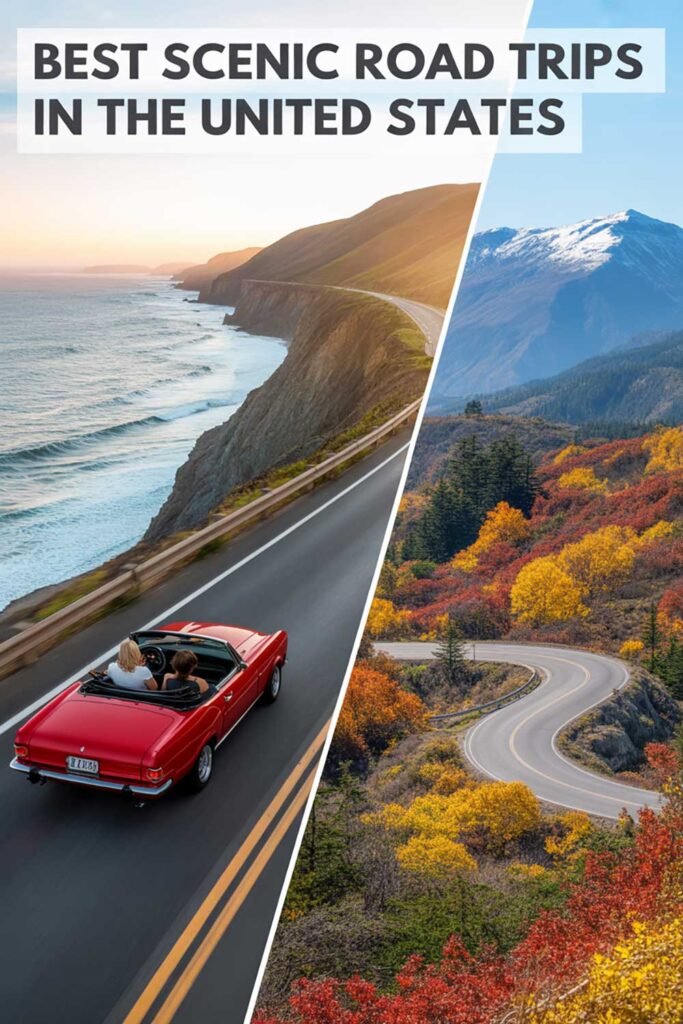
Road Trip Planning Basics: How to Plan Your Route Step by Step
Master the Art of the Open Road with Strategic Planning
Road trips represent quintessential freedom—the open road, spontaneous detours, discovering hidden gems, traveling at your own pace without flight schedules or train timetables dictating your movements. Unlike flights that deposit you at single destinations or tours that follow predetermined paths, road trips let you explore the spaces between destinations, stopping wherever interests you and changing plans on a whim. The journey itself becomes the destination as landscapes unfold through your windshield, small towns reveal unexpected charm, and roadside attractions create memories as meaningful as carefully planned tourist sites.
Yet the freedom of road trips requires planning to execute well. Without strategic route planning, road trips devolve into exhausting drives covering excessive daily mileage, missing worthwhile stops you didn’t know existed, spending too much time driving and too little experiencing, or arriving at destinations without accommodation because you didn’t book ahead. The best road trips balance planning with spontaneity—enough structure to ensure you see what you came for and maintain reasonable daily driving times, enough flexibility to follow interesting detours and adapt to discoveries along the way. This guide provides step-by-step road trip planning that creates frameworks for freedom rather than rigid itineraries that eliminate it.
Step 1: Defining Your Road Trip Vision and Constraints
Before plotting routes or booking hotels, clarify what kind of road trip you want and what constraints shape your possibilities.
Establishing Trip Length and Timing
How many days do you have? This fundamental question determines everything else. A weekend road trip differs entirely from a two-week adventure. Be realistic about available time including travel days to/from your starting point if you’re not beginning from home.
Consider timing beyond just available days. When during the year are you traveling? Season affects weather, road conditions, what’s open, and whether you’ll encounter crowds or solitude. Summer brings best weather and longest daylight but also crowds and heat. Spring and fall offer fewer crowds with good weather. Winter limits options in northern regions but opens possibilities in southern areas.
Sarah Mitchell from Portland plans road trips around available days off plus buffer days. “I never plan road trips using every available day,” she explains. “If I have ten days off, I plan an eight-day road trip. This buffer accommodates delayed departures, unexpected rest days, or early returns if we’re exhausted. The flexibility prevents stress when life doesn’t perfectly align with plans.”
Identifying Your Road Trip Style
What kind of road trip appeals to you? Options include:
Scenic drives: Routes chosen for beautiful landscapes—Pacific Coast Highway, Blue Ridge Parkway, Route 66, Utah’s Mighty Five parks. The driving itself provides primary pleasure.
Destination-focused trips: Using road travel to visit specific places—national parks, historic sites, cities—where routes connect destinations rather than being attractions themselves.
Thematic road trips: Organized around themes like food (barbecue trail, wine country), music (blues trail, country music route), history (Civil War sites, Route 66 nostalgia), or nature (fall foliage, spring wildflowers).
Spontaneous adventures: Minimal planning, letting mood and discoveries guide each day’s direction. This works best for experienced road trippers comfortable with uncertainty.
Understanding your style guides route planning and daily structure decisions. Scenic drive road trips require lighter daily mileage so you can stop frequently for viewpoints. Destination-focused trips tolerate longer driving days between major stops.
Budget Realities
Road trip costs include gas, accommodation, food, attractions, vehicle wear, and unexpected expenses. Calculate realistic budgets considering:
- Gas costs (estimate miles driven × average MPG ÷ current gas price)
- Accommodation ($50-200+ per night depending on style)
- Food ($30-100+ per day per person depending on dining choices)
- Attraction entry fees ($10-50 per major site)
- Vehicle maintenance/rental costs
- Emergency buffer (10-20% of total budget)
Marcus Thompson from Denver budgets road trips meticulously after early trips where costs exceeded expectations. “I calculate gas costs using current prices and my vehicle’s MPG, research accommodation costs for everywhere I’m staying, estimate food budgets based on dining mix, and add 20% buffer,” he shares. “This prevents mid-trip stress about money and helps me make informed decisions about route length and accommodation choices.”
Step 2: Choosing Your Route Backbone
Your route backbone defines major stops and overall path. This structure guides detailed planning while leaving room for flexibility.
Starting Point and Direction
Where are you starting? If beginning from home, consider initial direction—do you want to head north toward cooler climates, south toward warmth, east or west toward specific destinations? If flying to a starting point, choose cities with good rental car availability and rates.
Loop routes return you to starting points, working well for trips beginning and ending at home or when flying in/out of the same airport. Point-to-point routes end in different locations, requiring one-way rental cars (expensive) or flights home from ending points but offering maximum route flexibility.
Mapping Your Major Stops
Identify 3-5 major destinations you definitely want to visit. These anchor points structure your route. Plot them on a map (Google Maps, Road Trippers, or similar tools) to visualize distances and logical flow between them.
Avoid routes that backtrack extensively or ping-pong illogically across regions. Efficient routes flow in general directions—north to south, east to west, or circular loops—rather than erratic patterns wasting time and gas.
Calculate realistic driving times between major stops. Google Maps estimates driving time, but add 20-30% for rest stops, meals, gas, and slower-than-highway speeds through towns. A five-hour Google Maps estimate realistically takes 6-7 hours. This matters when planning whether you can comfortably reach destinations in single days or need overnight stops between major destinations.
Daily Driving Limits
Establish maximum comfortable daily driving times. Many road trippers find 4-6 hours of actual driving (6-8 hours total travel time) feels comfortable. Beyond that, you spend more time driving than experiencing destinations. Some people happily drive 8-10 hours daily; others max out at 4 hours.
Your limits depend on factors including: tolerance for driving, number of drivers (taking turns extends comfortable driving times), quality of roads (interstate highway driving is easier than winding mountain roads), and whether you enjoy the act of driving or view it primarily as necessary to reach destinations.
Jennifer Rodriguez from Miami learned her driving limits the hard way. “Our first road trip, we planned 8-10 hour driving days,” she recalls. “By day three, we hated being in the car and felt we’d seen nothing except highways. The next road trip, we limited driving to four hours daily, which left afternoons for exploring wherever we’d reached. That balance made road trips joyful rather than exhausting.”
Step 3: Identifying Stops Between Major Destinations
The magic of road trips often happens in the spaces between major destinations—small towns, quirky attractions, scenic viewpoints, and unexpected discoveries.
Researching Potential Stops
For each segment between major destinations, research worthwhile stops. Resources include:
- Road Trippers app (shows attractions, restaurants, hotels, and natural features along routes)
- Atlas Obscura (unique, unusual, and overlooked places)
- Roadside America (quirky roadside attractions)
- State tourism websites (scenic byways, state parks, historic sites)
- Travel blogs focusing on regions you’re driving through
- Local food blogs for restaurant recommendations
Create lists of potential stops rather than rigid schedules. Having options lets you stop at places that appeal while driving past others that don’t interest you when you actually see them.
Categorizing Stops by Priority
Assign priorities to potential stops:
Must-see: Places you’re definitely stopping regardless of time or conditions. These get scheduled into your route.
Very interested: Places you’ll stop if time permits and they’re conveniently located. These stay on your list but remain flexible.
If convenient: Places you’ll stop if they’re directly on your route and you have extra time. These provide spontaneous options without requiring detours.
This prioritization prevents trying to see everything, which creates rushed, stressful road trips where you’re constantly behind schedule and never properly experiencing anywhere.
Balancing Driving Days with Destination Days
Mix lighter and heavier driving days. Following a long driving day with a day of staying put and exploring thoroughly creates rhythm preventing exhaustion. For example: Day 1 (4 hours driving, arrive City A), Day 2 (explore City A, no driving), Day 3 (6 hours driving to City B with stops), Day 4 (explore City B, minimal driving).
Plan rest days or half-days where driving is minimal. These recovery periods prevent the fatigue that accumulates from constant packing, driving, and sleeping in different beds nightly.
Step 4: Booking Accommodation Strategically
Where you sleep affects both budget and overall experience significantly.
Advance Booking Versus Spontaneity
Balance advance booking with flexibility. Book accommodation for major destination cities where you’re spending multiple nights—these reservations provide structure and ensure availability. Leave one-night stops along highways flexible so you can adjust based on actual driving progress.
During peak season or in areas with limited accommodation, book everything in advance. Off-season in well-served areas allows more spontaneous booking the day-of or day-before.
Accommodation Location Considerations
For cities, book accommodation convenient to attractions you want to see, ideally within walking distance or easy public transportation. In driving-focused segments, book accommodation near highways to minimize time off main routes.
Check accommodation reviews for parking information—is parking free, paid, difficult, or nonexistent? Urban hotels often charge $30+ for parking. Roadside motels typically offer free parking. This matters when you’re traveling by car.
Budget Accommodation Options
Road trips offer accommodation flexibility since you’re carrying luggage in your car rather than hauling it through airports or train stations. Options include:
- Budget motels ($50-80) for one-night stops where you just need sleep
- Mid-range hotels ($100-150) for major destination nights
- Camping ($10-40) if you’re equipped and interested
- Airbnbs with kitchens for longer stays where cooking some meals saves money
- Mix of accommodation types balancing budget and comfort
Amanda Foster from San Diego alternates accommodation quality strategically. “For highway stops between destinations, we stay at basic clean motels—we’re just sleeping there,” she explains. “For cities where we’re staying multiple nights, we book nice centrally-located hotels with good amenities. This mixed approach keeps overall costs reasonable while ensuring comfort where it matters most.”
Step 5: Planning Daily Activities and Stops
With major destinations and accommodation booked, plan specific activities and stops.
Creating Flexible Daily Outlines
For each day, create rough outlines rather than minute-by-minute schedules:
- Morning: Drive from City A toward City B (3 hours)
- Stop 1: Historic site X (1 hour)
- Lunch: Town Y (1 hour)
- Stop 2: Scenic overlook Z (30 minutes)
- Arrive City B mid-afternoon
- Evening: Explore downtown, dinner
These outlines provide structure without rigidity. If the historic site is disappointing, you can skip it or spend less time. If Town Y is charming, you can linger. The outline prevents aimless wandering while allowing adaptation.
Researching Activities at Destinations
For multi-night destination stops, research specific activities, restaurants, and attractions in advance. Make reservations for popular restaurants or activities requiring booking. Having researched options prevents wasting precious time at destinations figuring out what to do.
Create prioritized lists of activities for each destination—must-do, very interested, if-there’s-time. This framework helps you allocate time effectively while maintaining flexibility for spontaneous discoveries.
Building in Downtime
Don’t schedule every hour. Road trips require more rest and recovery than you might expect. Driving is tiring even when you’re not the one driving. Constant packing and unpacking wears you down. Sleeping in different beds affects sleep quality. Build in lazy mornings, unscheduled afternoons, or rest days where you can catch up on sleep and just exist somewhere without agenda.
Emily Watson from Chicago learned this after her first over-planned road trip. “We scheduled activities morning through evening every day,” she recalls. “By mid-trip, we were exhausted and skipping planned activities just to rest. The next road trip, we scheduled mornings and left afternoons flexible. That breathing room made the trip sustainable and actually more enjoyable because we weren’t constantly rushing.”
Step 6: Preparing Your Vehicle
Vehicle preparation prevents breakdowns and ensures comfortable, safe travel.
Maintenance and Inspection
Before long road trips, service your vehicle:
- Oil change if due soon
- Tire pressure check and tread inspection
- Brake inspection
- Fluid level checks (coolant, transmission, brake, windshield washer)
- Battery test
- Wiper blade replacement if worn
- Air filter check
These preventive measures cost far less than emergency repairs during your trip. Address any warning lights or known issues before leaving.
Emergency Supplies
Carry emergency supplies:
- Spare tire, jack, and tire iron (verify you have these and know how to use them)
- Jumper cables or jump starter
- First aid kit
- Flashlight with extra batteries
- Basic tool kit
- Emergency contact numbers and insurance information
- Paper maps as backup for GPS failure
Comfort and Entertainment
For long drives, consider:
- Phone mount for GPS viewing
- Car chargers for all devices
- Comfortable pillows for passengers
- Sunglasses and sun protection
- Snacks and reusable water bottles
- Music playlists, podcasts, or audiobooks downloaded in advance
- Entertainment for children if traveling with kids
Step 7: Packing for Road Trips
Road trip packing differs from flying—you have more space but also more temptation to overpack.
Strategic Packing
Pack in soft bags rather than hard suitcases—they conform to vehicle space better. Use packing cubes to organize clothing and maximize space. Keep frequently needed items (snacks, jackets, first aid, entertainment) in easily accessible locations rather than buried in the trunk.
Pack layers for weather variability rather than separate outfits for every situation. Weather and temperatures change as you drive through different regions. Layers adapt to conditions better than specific outfits.
What to Keep Accessible
Keep easily accessible:
- Reusable water bottles and snacks
- Sunscreen and sunglasses
- Light jacket or sweater
- Phone chargers
- Entertainment items
- Hand sanitizer and wet wipes
- Paper towels or napkins
- Plastic bags for trash
- Maps and directions
Roadside Meal Supplies
If planning roadside picnics, carry:
- Cooler with ice
- Reusable utensils, plates, and cups
- Bottle opener and can opener
- Trash bags
- Blanket for picnics
These supplies let you enjoy scenic picnics rather than eating every meal at restaurants or in your car at gas stations.
Step 8: Using Technology Effectively
Technology enhances modern road trips but shouldn’t dominate experiences.
Navigation Tools
Download offline maps for your route in Google Maps or similar apps. Cell service fails in remote areas, but offline maps continue working. Carry paper map backups for areas where you’re genuinely off-grid.
Use navigation apps like Waze for real-time traffic updates and alternate route suggestions. These apps help you avoid accidents, construction, and traffic jams that traditional GPS doesn’t know about.
Route Planning Apps
Apps like Road Trippers, Roadside America, or Google Maps let you save potential stops, view them on maps, and easily navigate to them. Build your route in these apps with all possible stops saved so you can spontaneously navigate to places that interest you as you approach them.
Documentation
Take photos and keep notes about favorite stops, restaurants, or places you want to return to. Years later, you’ll forget specifics without documentation. Quick daily notes about where you went, what you loved, and what you’d skip helps plan future trips and creates memory triggers when reviewing trip photos.
Common Road Trip Mistakes to Avoid
Learning from others’ mistakes prevents you from making them yourself.
Over-Ambitious Mileage
The most common road trip mistake is planning too much driving. That 10-hour drive looks manageable on paper but becomes exhausting in practice, especially repeated daily. Be conservative with daily mileage estimates. Shorter driving days let you actually experience places rather than just seeing them through windshields.
Neglecting Vehicle Maintenance
Ignoring that check engine light or postponing oil changes creates risks. Vehicle breakdowns during road trips cost time, money, and stress. Preventive maintenance is always cheaper than emergency repairs in unfamiliar cities.
Overpacking Schedule
Trying to see everything creates rushed, stressful road trips where you’re constantly behind schedule and never fully experiencing anywhere. Prioritize ruthlessly, accept you can’t see everything, and give yourself permission to skip planned stops if they’re not appealing when you reach them.
Insufficient Research
Arriving at destinations without knowing what to do, where to eat, or what’s actually interesting wastes precious time. Basic research—reviewing top attractions, reading restaurant reviews, checking operating hours—ensures you maximize limited time at each stop.
Ignoring Weather
Weather significantly affects road trips, particularly in mountain areas or during winter. Check forecasts regularly and adjust routes if weather creates dangerous conditions. No attraction is worth driving through blizzards or severe storms.
20 Powerful and Uplifting Quotes About Road Trips
- “Road trips teach you that the journey literally is the destination—what happens between planned stops often creates the best memories.”
- “The freedom of the open road isn’t the absence of planning—it’s planning that creates frameworks for spontaneity rather than rigid schedules.”
- “Every road trip proves that the best discoveries are unplanned—the small town you stopped in for gas, the roadside attraction you passed on a whim.”
- “Road trip planning is an art of balance—enough structure to ensure you see what you came for, enough flexibility to follow where curiosity leads.”
- “The spaces between destinations—driving through small towns, stopping at viewpoints, experiencing landscapes—often matter more than the destinations themselves.”
- “Road trips create shared experiences that bond travelers—inside jokes about wrong turns, memories of random stops, stories only you understand.”
- “The best road trip companions aren’t those who share every interest—they’re those who embrace spontaneity and maintain good humor when plans change.”
- “Road trip exhaustion is real—driving six hours feels like working a full day because it is work, just different from your usual job.”
- “Maps and GPS provide direction, but curiosity and willingness to detour create actual adventures worth remembering.”
- “Road trips teach you that arriving isn’t the goal—experiencing the journey at a pace allowing genuine appreciation is what matters.”
- “The confidence you build navigating unfamiliar roads and making constant small decisions serves you far beyond road trips.”
- “Every wrong turn on a road trip has potential to become either frustration or adventure—your attitude determines which.”
- “Road trip budgets require honesty about what you’ll actually spend—pretending you’ll eat gas station food for every meal isn’t realistic.”
- “The scenic route always takes longer than you expect and is almost always worth it for memories created and sights seen.”
- “Road trips reveal that some of America’s most interesting places have populations under 5,000 and no attractions rated on TripAdvisor.”
- “Vehicle maintenance before road trips isn’t optional extra preparation—it’s essential insurance against expensive, stressful breakdowns.”
- “The perfect road trip playlist combines songs everyone knows, discoveries from local radio stations, and comfortable silence for watching landscapes.”
- “Road trips prove that luxury isn’t required for joy—basic motels, roadside picnics, and long drives create memories rivaling expensive vacations.”
- “Planning multiple road trips beats planning one perfect road trip—accept you can’t see everything this time and save discoveries for future adventures.”
- “The road trip that goes exactly as planned teaches you nothing; the one requiring adaptation teaches you everything about flexibility and resilience.”
Picture This
Imagine sitting down with maps and laptop to plan your first real road trip—two weeks exploring the American Southwest. You start by identifying must-see destinations: Grand Canyon, Zion, Bryce Canyon, Arches, and Monument Valley. Plotting these on a map, you see they form a logical loop from your starting point in Las Vegas.
You calculate driving times between parks, realizing each segment requires 3-5 hours—manageable days leaving time for hiking and exploring. You identify potential stops along each route—small towns, scenic viewpoints, quirky roadside attractions—creating options without rigid requirements.
You book hotels for multi-night stops in gateway towns near major parks. For single-night stops along highways, you save several hotel options but leave booking flexible. You research hiking trails at each park, prioritizing based on difficulty and time available.
As you plan, you build excited anticipation. You imagine sunrise at the Grand Canyon, hiking through slot canyons in Zion, watching sunset paint Bryce Canyon’s hoodoos orange and red. You create playlists for different driving moods. You check weather forecasts and pack layers for variable temperatures.
Finally, departure day arrives. You’ve prepared your vehicle, loaded luggage, downloaded offline maps. The first day’s drive takes you from Las Vegas to the Grand Canyon with a stop at Hoover Dam. Traffic delays you slightly but you don’t stress—your flexible schedule accommodates it. You arrive at sunset and spend evening watching the canyon’s colors shift.
The next two weeks unfold with planned structure and spontaneous magic. Some stops disappoint and you skip them. Others thrill you beyond expectations and you linger longer. Your route remains roughly as planned but adapts constantly to discoveries and moods.
Returning home tired but satisfied, you’re already planning your next road trip—maybe Pacific Coast Highway, maybe Route 66, maybe exploring your own region’s backroads. You’ve learned road trip rhythms, discovered your driving limits, and proven you can plan adventures that deliver freedom within frameworks.
Share This Article
Do you know someone planning their first road trip who needs guidance? Share this article with them! Post it on Facebook to help friends plan road trips strategically. Pin it to your Pinterest board so you can reference this step-by-step guide when planning your own routes. Email it to anyone who needs comprehensive road trip planning advice.
When we share road trip planning knowledge, we help people create adventures that balance freedom with preparedness. Let’s spread the word that great road trips come from smart planning, not just spontaneous departure!
Disclaimer
This article is provided for informational purposes only and does not constitute professional route planning, mechanical advice, or travel consultation. Road trips involve inherent risks including vehicle breakdowns, accidents, weather hazards, and countless other factors.
Vehicle maintenance recommendations are general guidance, not comprehensive mechanical advice. Consult qualified mechanics about appropriate maintenance for your specific vehicle before long trips. We are not mechanics and cannot provide specific vehicle maintenance guidance.
Driving time estimates vary based on traffic, weather, road conditions, driver capabilities, and required stops. Google Maps or other estimates provide starting points but actual times often exceed estimates. Plan conservatively and build buffer time into itineraries.
Route recommendations and suggestions are general guidance. Roads close, attractions shut down, businesses fail, and conditions change constantly. Verify current conditions, operating hours, and road status before depending on any specific information.
Weather conditions affect road safety dramatically. Monitor forecasts constantly and adjust plans when weather creates dangerous conditions. No destination justifies driving in hazardous weather. We cannot predict weather or guarantee road safety.
Budget estimates are rough guidelines that vary dramatically by vehicle fuel efficiency, current gas prices, accommodation choices, dining preferences, and countless other factors. Your actual costs may differ substantially from estimates or examples provided.
Emergency supply recommendations are basic suggestions, not comprehensive emergency preparedness guidance. Additional supplies may be necessary depending on regions traveled, season, and specific vehicle requirements. We are not emergency preparedness experts.
Technology and app recommendations reflect current options that may change or become obsolete. Verify app functionality and availability before depending on specific apps during travel. Always carry backup navigation options.
Road trip safety depends on driver alertness, appropriate speed for conditions, vehicle maintenance, weather awareness, and good judgment. No amount of planning eliminates risks. Drive defensively and prioritize safety over schedules.
We are not affiliated with any apps, accommodation providers, attractions, or services mentioned. All references are for illustrative purposes only and do not constitute endorsements.
Solo road trips carry additional considerations beyond trips with companions. If traveling alone, take extra safety precautions including checking in regularly with people at home and avoiding driving when extremely tired.
Road conditions in remote areas may lack cell service, gas stations, or services for extended distances. Research remote routes thoroughly and prepare appropriately with extra fuel, water, food, and emergency supplies.
National parks and popular destinations require advance reservations during peak seasons. Some parks implement timed entry systems limiting spontaneous visits. Research reservation requirements well before travel dates.
Rental car policies vary by company and insurance requirements differ by situation. Review rental agreements carefully and understand insurance coverage before assuming anything is included or protected. We cannot advise on appropriate rental car insurance.